
Ever find yourself staring at your furry best friend and wondering, “Does my dog actually know how much I love them?” I catch myself asking this question all the time, especially when I’m showering my pup with kisses and she gives me that sideways glance that seems to say, “Human, what are you doing?”
The good news is that science has finally caught up with what we dog parents have suspected all along – our dogs absolutely DO know we love them! In fact, they not only recognize our affection, but they feel genuine love for us too.
Let’s dive into how dogs understand love, the signs that show your dog feels your affection, and the best ways to communicate your love in a language your pup will truly understand.
The Science Behind Dogs and Love
When it comes to understanding if dogs truly comprehend our love we can thank the field of canine cognition for some fascinating insights
-
Oxytocin Connection Often called the “love hormone,” oxytocin is released in both humans and dogs during positive interactions. Research shows that when dogs and their owners gaze into each other’s eyes, both experience a boost in oxytocin levels – the same hormone that strengthens bonds between human parents and their babies!
-
Brain Activity: Neuroeconomist Gregory Berns at Emory University discovered that parts of dogs’ brains light up when they hear their pet parents’ voices – the same areas that activate in humans when we think about someone we love.
-
The Food vs. Praise Test In one particularly interesting study, researchers found that most dogs responded equally to food and praise Even more surprising, about 20% of dogs actually showed stronger brain responses to praise than to food. If you know dogs at all, you’ll understand how significant that is!
The evidence is clear: our dogs don’t just stick around for the kibble – they genuinely form emotional bonds with us that can be scientifically measured.
8 Signs Your Dog Knows You Love Them
So how can you tell if your dog is feeling the love? Here are the telltale signs that your furry friend understands your affection:
1. The Loving Gaze
If you catch your dog quietly staring at you, they’re essentially giving you a hug with their eyes. This isn’t just cute – it’s their way of bonding with you! That long, soft gaze actually triggers oxytocin release in both of you, strengthening your connection. Long gazes (over one minute) seem to boost your dog’s oxytocin more than quick glances.
2. The Gentle Tail Wag
Not all tail wags are created equal! When your dog sees you and gives a soft, gentle wag (not the excited full-body wiggle they do at mealtime), they’re expressing contentment and happiness just to be in your presence. This relaxed wagging is a sign they feel secure in your love.
3. The Doggie Lean
When your pup leans their body against your leg while standing or sitting next to you, that’s their version of a hug. Dogs don’t embrace like humans do, but this physical contact is their way of showing trust and affection. This is especially meaningful since dogs are typically protective of their personal space.
4. Cuddling & Sleepytime Choices
Dogs evolved as pack animals that rest together for safety and comfort. When your dog chooses to nap on your feet while you work, snuggle against you on the couch, or sleep on your bed, they’re showing they consider you part of their pack family. Research suggests dogs actually sleep less soundly when alone, so your presence helps them feel secure.
5. Excited Greetings
That over-the-top welcome when you come home – even if you’ve only been gone for 5 minutes – shows your dog genuinely misses you and is thrilled to have you back. This isn’t just about food or walks; it’s about their emotional connection to you.
6. Bringing You “Gifts”
Whether it’s their favorite toy, a random stick, or (unfortunately) something dead from the yard, when your dog brings you things, they’re sharing something they value. This gift-giving behavior shows they want to please you and share their treasures.
7. Synchronizing With You
Have you noticed how your dog often moves when you move, stops when you stop, and looks where you’re looking? Studies show dogs frequently match their human’s movements even when off-leash, and they usually prefer staying close. This synchronization demonstrates their connection to you.
8. Checking In During Play
When your dog is playing at the park or exploring during a walk, do they periodically look back at you? These “check-ins” show they want to make sure you’re still there and engaged in the experience with them – a sign of their attachment to you.
How Dogs Show Love (Hint: It’s Not Like Humans)
Dogs express love differently than people do. Understanding their “love language” helps you recognize when they’re showing affection:
- Physical closeness: Leaning against you, sleeping beside you
- Eye contact: Soft, relaxed gazes (not hard stares)
- Calm, relaxed body language: Loose posture, soft facial expressions
- Excitement when seeing you: The full-body wiggle of joy
- Following you around: Wanting to be wherever you are
- Licking: Though we see this as “kisses,” for dogs it’s often a grooming behavior reserved for pack members they accept
How to Tell Your Dog You Love Them (In Ways They’ll Understand)
Now that you know your dog feels your love, how can you express it in ways that resonate with them? Here are some dog-approved methods:
1. Talk to Them (Yes, Really!)
Dogs understand more words than we give them credit for – the average dog can learn about 165 words! While they don’t grasp complex sentences, they do pick up on tone and specific words used regularly.
When talking to your dog, use a warm, sing-song voice (sometimes called “dog-directed speech”) – research shows dogs find this easier to understand and more engaging than regular adult speech.
2. Quality Time Together
Nothing says “I love you” to a dog like your undivided attention. Put away your phone, turn off the TV, and engage fully with your pup. This could be playing, training, or simply sitting together.
3. Physical Touch (The Right Way)
Most dogs love physical affection, but it’s important to pet them how THEY prefer. Generally, most dogs enjoy:
- Gentle scratches behind the ears
- Chest rubs
- Back scratches
- Belly rubs (if they show you their belly)
Avoid hugging tightly (many dogs find this restrictive) and patting on top of the head (which some dogs find threatening).
4. Play Their Way
Different dogs have different play preferences. Some love fetch, others prefer tug-of-war, and some just want to chase you around. Figure out what games make your dog happiest and make time for those activities regularly.
5. Exercise Together
Most dogs love walks and active time with their humans. These shared adventures strengthen your bond while keeping both of you healthy. Whether it’s hiking, swimming, or just a neighborhood stroll, moving together builds connection.
6. Listen to Your Dog
Pay attention to your dog’s body language and respect their boundaries. If they pull away during petting or seem uncomfortable during certain activities, honor those preferences. This mutual respect deepens trust.
7. Feed Them Well
Providing high-quality nutrition is a practical way to show love. Your dog may not understand the nutritional benefits, but they definitely appreciate delicious meals prepared with care.
8. Give Them Structure
Dogs actually feel more secure with consistent routines and clear boundaries. Training isn’t just about obedience – it’s about communication and understanding, which strengthens your bond.
What to Avoid: Expressions of Love Dogs Don’t Understand
Some human expressions of love can confuse or even stress out our canine companions:
- Tight hugs: While some dogs tolerate hugging, many find it restrictive and stressful
- Kisses on the face: Again, some dogs accept this, but others find it invasive
- Paw massages: Many dogs are sensitive about their paws being handled
- Prolonged direct eye contact: Between unfamiliar dogs, this can be threatening
- Baby talk without action: Words alone mean little without corresponding behavior
Your Dog’s Unique Love Language
Just like people, dogs have individual preferences for how they give and receive love. Some are cuddlers, others are more independent. Some express love through play, others through quiet companionship.
Take time to understand your dog’s particular love language by noticing what makes them happiest. Do they light up when you talk to them? Do they melt when you scratch that special spot? Do they get excited about new toys? Paying attention to these cues helps you express love in ways that resonate specifically with your dog.
The Bottom Line: Your Dog Definitely Feels Your Love
The science is clear – your dog absolutely knows you love them, and they love you back just as much (if not more)! The bond between humans and dogs is truly special, formed over thousands of years of companionship.
So the next time you look into those adoring eyes and wonder “does my dog know how much I love them?” – rest assured that yes, they do. And they’re probably thinking the exact same thing about you.
What’s your dog’s favorite way to show love? Mine is definitely the full-body lean against my leg whenever I’m standing still for more than 10 seconds. It melts my heart every time!
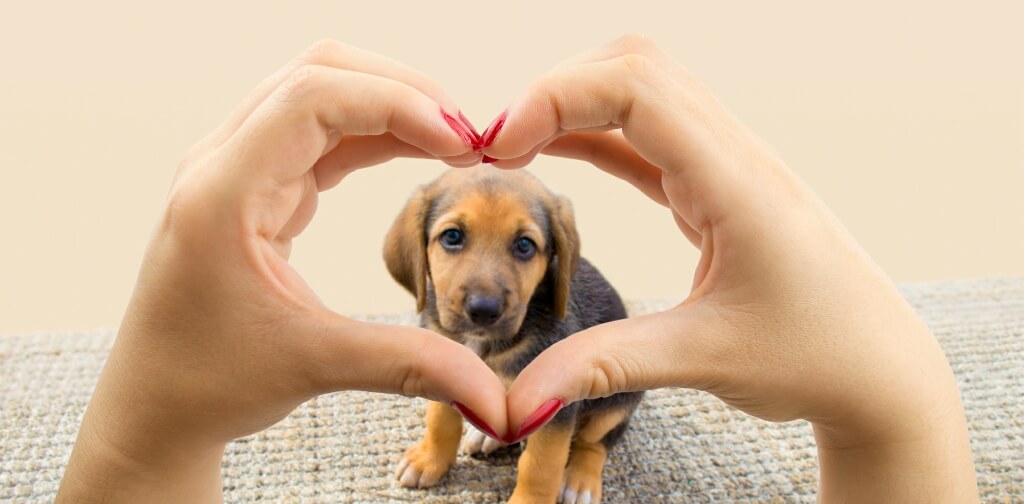
How Do Dogs Say Sorry?
A sorry dog may show it by having their tail between their legs, widened eyes, reduced panting, and drooping ears. Often, when we assume our dog is saying sorry, we are actually projecting our own emotions on them.
Most dogs may not know they did anything wrong unless their owner immediately conveys this to them. As a result, many dog trainers recommend practicing positive reinforcement methods by rewarding good behaviors because dogs are usually unable to connect your anger to their bad behavior, which often leads to repeat incidents. In short, dogs usually don’t say sorry because they don’t typically know they’ve done anything wrong.
Can dogs feel love from their owners?
Science absolutely supports the theory that dogs both feel and understand love. In fact, when you hug, play, or gaze at your dog (provided they enjoy these things), both of your oxytocin levels go up, which supports bonding and yes, “love.”
How Do DOGS Know You LOVE Them? ♀️❤️
FAQ
Do dogs understand that we love them?
Animals, including dogs, are intelligent and understand when we love them. Criticism and questions are common among friends, but not with pets. Let them know someone cares. Your dog speaks to you – listen with your heart. More than a Pet Store.
How do you tell if a dog loves you?
A long, slow blink means they trust and love you, so send that love right back by slowly blinking your eyes. Pay attention to how your pet shows affection, and then try to return it. Perhaps more than anything, touching your pet communicates that you love them. Embrace cuddles and belly rubs, and pet them frequently.
How do dogs show Love?
They show their love in many different ways. Tail wags are always a tell, as are those big sloppy kisses and always wanting to be near the baby. When your dog stares at you, they’re admiring and loving you, which is what the baby and the dogs were all doing throughout this video.
Can my dog feel that I love them?
dogs absolutely understand love and can tell if you love them. dogs are great readers of personality and can easily tell if you are agitated, scared or stresses. You don’t realize it, but you are constantly releasing different odors that a dog can easily read.
Do dogs understand you love them?
What is the 7 7 7 rule for dogs?
The 7-7-7 rule is a puppy socialization guideline recommending that by seven weeks of age, a puppy should have encountered seven different people, experienced seven different locations, and encountered seven different surfaces to promote confidence and prevent fear. It also suggests seven different toys, seven brief car rides, seven crate experiences, and seven gentle challenges to build a positive foundation for a well-adjusted adult dog.
Do dogs know we love them when we kiss them?
Dogs do not inherently understand kisses as humans do but can learn to associate them with affection over time, responding positively if the kisses are part of a positive experience like petting and gentle tones of voice. If your dog displays signs of comfort, like wagging its tail, looking at you, or leaning in, it likely recognizes your gesture as affection. However, if your dog shows signs of discomfort, such as pinning its ears back or turning its head away, it’s best to find other ways to show your love.