
Overgrown nails pose significant risks to your dogs well-being, impacting their health and mobility. When left unattended, long nails can cause discomfort and pain. Making it difficult for your dog to walk or run comfortably. Additionally, overgrown nails can lead to posture issues and joint problems, affecting your dogs overall quality of life. Regular nail maintenance is vital to prevent these risks and ensure your dogs paws stay healthy and happy. By addressing overgrown nails punctually, you can enhance your dogs well-being and promote their active lifestyle.
In this article, we explore the dangers associated with overgrown nails. Also, how they can affect your dogs overall health and happiness. Join us as we uncover essential information to ensure your dogs paws stay healthy and happy.
Have you ever wondered if your furry friend is suffering silently because of something as seemingly minor as long toenails? As a dedicated pet parent, I’ve discovered that overgrown nails in dogs aren’t just an aesthetic issue—they can cause real pain and serious health complications.
In this comprehensive guide, we’ll explore the uncomfortable reality of overgrown nails and why regular nail maintenance should be an essential part of your dog’s care routine.
Understanding Canine Nail Anatomy
Before diving into the risks, let’s understand what we’re dealing with. A dog’s nail (or claw) is made of keratin—the same tough protein that makes up human nails. Each nail has several layers with the outer layer being the hardest and most visible.
The nail grows from the nail bed, which contains sensitive nerves and blood vessels. This area, known as the “quick,” is what makes nail trimming a delicate procedure. When nails grow too long, they can put pressure on this sensitive area, causing significant discomfort.
The Growth Cycle
Dog nails grow continuously at an average rate of about 1/4 inch per month The growth rate varies based on
- Age
- Breed
- Diet
- Activity level
Without proper maintenance, these continuously growing nails become a health hazard.
Signs Your Dog’s Nails Are Too Long
Not sure if your dog needs a nail trim? Here are some telltale signs:
- Click-clacking sounds when walking on hard surfaces
- Nails extending beyond the paw pads
- Visible curling of the nails
- Difficulty walking or reluctance to move
- Limping or altered gait
- Paw irritation or inflammation
- Excessive licking of the paws
If you can hear your dog’s nails on the floor when they walk, that’s a clear indication they’re too long.
So, Do Overgrown Nails Actually Hurt Dogs?
Yes, overgrown nails absolutely cause pain and discomfort in dogs. When nails become too long, they can:
- Curl under and grow into the paw pad
- Cause pressure on the nail bed and surrounding tissues
- Alter the way a dog walks, putting strain on joints
- Lead to painful infections or abscesses
- Make walking and running uncomfortable
Think about walking in shoes that are too tight or having your toenails pressing into your shoes with every step. That constant pressure and pain is what dogs with overgrown nails experience with every step they take.
The Serious Health Risks of Overgrown Nails
The consequences of neglecting nail care go far beyond minor discomfort. Let’s explore the risks in detail:
1. Pain and Mobility Issues
Long nails force the toes to splay apart, causing an unnatural gait. This altered walking pattern makes it difficult for dogs to move comfortably, leading to:
- Reluctance to walk or exercise
- Difficulty running or playing
- Slipping on smooth surfaces
- Reduced quality of life
2. Joint and Posture Problems
The impact of overgrown nails on a dog’s posture is significant and often overlooked:
- Changes in gait: Dogs with long nails can’t walk normally, forcing their paws into unnatural positions
- Joint strain: The altered gait puts additional pressure on joints, particularly in the legs and hips
- Muscle fatigue: Dogs struggle to maintain balance, causing muscle strain
- Limited range of motion: Overgrown nails restrict normal movement patterns
Over time, these issues can lead to more serious joint problems, including arthritis. The constant compensating for painful nails puts extra stress on joints throughout the body.
3. Nail Injuries and Infections
When nails are too long, they’re prone to:
- Breaking or splitting painfully
- Snagging on furniture, carpet, or toys
- Tearing off completely (a very painful injury!)
- Becoming breeding grounds for bacteria
These injuries create entry points for bacteria, potentially leading to painful infections that require veterinary treatment.
4. Paw Deformities
In severe cases of chronic nail overgrowth, dogs can develop:
- Permanent changes to paw structure
- Deformed toes from constant pressure
- Long-term mobility issues
The Link Between Overgrown Nails and Joint Health
There’s a direct connection between nail length and joint health that many pet owners don’t realize. When nails are overgrown:
- The dog’s toes are forced into unnatural positions
- Weight distribution across the paw becomes uneven
- The altered stance puts pressure on joints up the leg
- This abnormal weight-bearing contributes to joint strain
Over time, this constant strain can accelerate the development of arthritis and other joint conditions, especially in older dogs or breeds predisposed to joint issues.
Why Dogs’ Nails Don’t Always Wear Down Naturally
In the wild, wolves and other canids naturally wear down their nails through regular activity on rough terrain. However, our domestic dogs often don’t get enough natural nail wear because:
- They walk primarily on soft surfaces like grass and carpet
- They may not get enough exercise
- Some breeds have faster nail growth
- Certain health conditions can affect nail growth
This is why regular nail maintenance is essential for domestic dogs.
Preventing Problems: Nail Care Essentials
Now that we understand the risks, let’s look at prevention:
How Often Should You Trim Your Dog’s Nails?
Most dogs need nail trims every 4-6 weeks, but this varies based on:
- Activity level
- Surfaces they walk on
- Individual nail growth rate
- Breed
Active dogs who frequently walk on concrete or asphalt may need less frequent trims than less active dogs or those who primarily walk on grass or carpet.
DIY vs. Professional Nail Trimming
You have options when it comes to nail care:
DIY Approach:
- Requires proper tools (guillotine-style clippers or grinders)
- Needs knowledge of where the quick is located
- Takes patience and practice
- May be stressful for both you and your dog
Professional Grooming:
- Ensures proper technique
- Reduces risk of cutting the quick
- May be less stressful for your dog
- Often includes other grooming services
Veterinary Care:
- Ideal for dogs with very overgrown nails
- Necessary if there are nail bed infections
- Can provide sedation if needed for very anxious dogs
- Offers opportunity to check overall paw health
If you’re unsure or uncomfortable trimming your dog’s nails, don’t hesitate to seek professional help. Many veterinary clinics and grooming facilities offer nail trimming services.
Six Key Benefits of Regular Nail Care
Maintaining proper nail length offers numerous benefits:
- Prevents pain and discomfort from overgrown nails
- Maintains proper mobility so your dog can walk and run comfortably
- Prevents injuries like torn nails and infections
- Promotes overall paw health by preventing dirt and debris buildup
- Preserves your flooring from scratches and damage
- Enhances bonding between you and your pet during care sessions
The Proper Nail Length for Dogs
What’s the ideal nail length? Your dog’s nails should be short enough that they don’t touch the ground when standing. You should be able to slip a piece of paper between your dog’s nail and the floor when they’re standing normally.
However, it’s crucial not to cut too short. The quick (the pink or dark area inside the nail containing blood vessels and nerves) should never be cut, as this causes pain and bleeding.
What to Do If Your Dog’s Nails Are Already Overgrown
If your dog’s nails have become severely overgrown, don’t try to fix the problem in one trimming session. Instead:
- Consult a veterinarian first to ensure there aren’t complications
- Plan for gradual trimming – cutting back a small amount every 1-2 weeks
- Be patient – the quick will recede gradually with regular trimming
- Consider professional help for the initial trims
For very overgrown nails, it’s often best to seek professional help from a veterinarian or experienced groomer who can safely trim the nails without causing pain or injury.
Nutrition and Nail Health
Did you know that your dog’s diet affects nail health? A balanced diet with essential nutrients like:
- Biotin
- Vitamin E
- Protein
- Omega-3 fatty acids
can promote healthy nail growth and strength. Poor nutrition can lead to brittle nails that are more prone to breaking or splitting.
Making Nail Trimming Less Stressful
Many dogs dislike having their nails trimmed. Here are some tips to make the experience more positive:
- Start handling your dog’s paws from a young age
- Use positive reinforcement with treats and praise
- Keep sessions short and positive
- Use proper tools that make clean cuts
- Have styptic powder on hand in case of bleeding
- Consider using a nail grinder instead of clippers for some dogs
The evidence is clear—overgrown nails do hurt dogs and can lead to serious health issues beyond simple discomfort. Regular nail maintenance is not just a cosmetic concern but an essential part of your dog’s overall health care.
By keeping your dog’s nails properly trimmed, you’re preventing pain, joint problems, infections, and improving their quality of life. Whether you choose to trim your dog’s nails yourself or seek professional help, making nail care a priority shows your commitment to your furry friend’s wellbeing.
Remember, those click-clacking sounds on your floor aren’t just annoying—they’re your dog’s way of telling you they need some nail care attention. Let’s keep our canine companions comfortable from the ground up!
FAQs About Dog Nail Care
How do I know if I’m cutting too close to the quick?
For dogs with clear nails, you can usually see the pink quick. Stop cutting when you see a gray or pink oval in the center of the nail. For dogs with black nails, trim small amounts at a time and stop when you see a black dot in the center of the nail.
My dog hates having their nails trimmed. What should I do?
Start with counter-conditioning by touching your dog’s paws during positive activities like petting or treats. Gradually introduce the clippers without cutting. For extremely anxious dogs, consult your veterinarian about sedation options.
Can long nails correct themselves if my dog walks a lot?
While regular exercise on hard surfaces helps wear down nails, most domestic dogs still need regular nail trims. The natural wear typically isn’t enough to maintain proper nail length.
How can I stop the bleeding if I accidentally cut the quick?
Apply styptic powder or cornstarch directly to the bleeding nail and apply gentle pressure. If bleeding doesn’t stop within 5-10 minutes, contact your veterinarian.
Are there breeds more prone to nail problems?
Yes, breeds with less active lifestyles and dogs with dewclaws often need more frequent nail care. Additionally, some breeds naturally have thicker nails that grow faster.
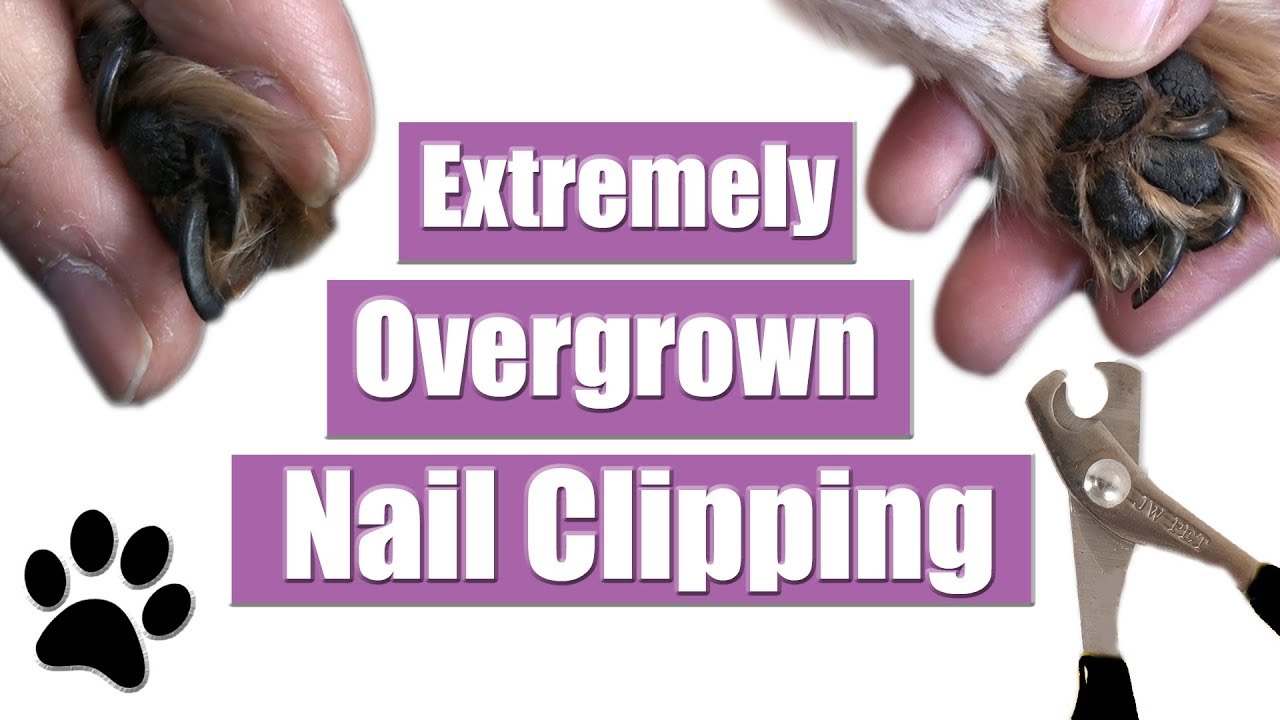
Why Neglecting Your Dog’s Nails Isn’t an Option
Neglecting dog nail care can have serious consequences for your furry friends health and well-being. When nails are left to grow too long, they can cause discomfort and lead to various issues. Here are six key consequences of neglecting dog nail care:
- Overgrown Nails: Long nails can curl into the paw pads, causing pain and discomfort with every step.
- Difficulty Walking: Overgrown nails make it challenging for dogs to walk properly. Leading to changes in their gait and potential joint problems.
- Risk of Injuries: Long nails are more likely to break or snag. Resulting in painful injuries or torn nails that can lead to infections.
- Paw Deformities: Neglected nails can cause paw deformities over time, affecting the overall structure and health of the paw.
- Damage to Flooring: Overgrown nails can scratch and damage flooring surfaces, leading to costly repairs and potential safety hazards.
- Behavioral Issues: Painful nails can lead to behavioral issues such as unwillingness to walk, aggression, or excessive licking of the paws.
Neglecting dog nail care can have detrimental effects on your pets physical and emotional well-being. Thus, highlighting the importance of regular nail trimming and maintenance.
Six Reasons Why Your Dog’s Nails Deserve Attention
Regular dog nail care is essential for maintaining your furry friends health and comfort. When nails are left to grow unchecked, they can cause discomfort and lead to various health issues. Here are six key benefits of keeping your dogs nails trimmed and healthy:
- Prevents Overgrowth: Regular trimming prevents nails from becoming overgrown, reducing the risk of discomfort and pain for your dog.
- Maintains Mobility: Properly trimmed nails enable your dog to walk and run comfortably, promoting healthy mobility and preventing posture problems.
- Prevents Injuries: Long nails are more prone to snagging or splitting, which can lead to painful injuries and infections. Keeping nails short reduces this risk.
- Promotes Paw Health: Trimming nails regularly helps prevent dirt and debris from getting trapped under the nails. Thus, reducing the risk of infections and promoting overall paw health.
- Preserves Flooring: Shorter nails minimize scratches and damage to flooring surfaces, keeping your home safe and maintaining its appearance.
- Enhances Bonding: Regular nail care sessions provide an opportunity for bonding between you and your dog. Nurturing trust and strengthening your relationship.
In summary, prioritizing regular nail care for your dog offers numerous benefits, ensuring their health, comfort, and overall well-being.