
Getting bitten by a puppy might seem less serious than an adult dog bite, but even those tiny teeth can break skin and potentially cause infection. One of the most common questions people ask after experiencing a puppy bite is whether they need a tetanus shot. Let’s dive into this important health topic so you know exactly what to do if those cute little puppy teeth break your skin
The Truth About Puppy Bites and Tetanus Risk
Many people don’t realize that puppies, just like adult dogs, have mouths full of bacteria. Those cute little furballs don’t visit the dentist regularly (shocking, I know!), which means their mouths can harbor harmful bacteria that might enter your body through a bite wound.
Tetanus is an infection caused by bacteria called Clostridium tetani that enters your body through open wounds or cuts. While we often associate tetanus with rusty nails, animal bites—including those from puppies—can absolutely be a source of infection.
When Should You Get a Tetanus Shot After a Puppy Bite?
Not every puppy bite requires a tetanus shot, but here are some situations where you should definitely consider getting one
- If it’s been more than 5 years since your last tetanus shot – Even if the bite seems minor, medical professionals typically recommend a booster if it’s been 5+ years
- If the bite broke your skin – Especially if it’s a deep puncture wound
- If the bite is dirty – Contaminated wounds increase infection risk
- If you don’t know the puppy’s vaccination status – Unknown history means unknown risks
- If the wound is in a sensitive area like your face, hands, or neck
The 5-Year Rule for Tetanus Shots
While tetanus vaccinations technically provide protection for about 10 years, many medical experts recommend getting a booster shot if it’s been more than 5 years since your last one and you experience a bite that breaks the skin. This is especially true for dirty wounds or deep punctures.
What Happens If You Skip the Tetanus Shot?
Let me share a quick story. Last summer, a woman named Sarah was bitten by a neighbor’s dog. She thought it was just a minor scratch and ignored it. A few days later, her leg started swelling with red streaks forming around the bite. By day four, she had a fever. At urgent care, doctors discovered the infection was spreading rapidly, and she hadn’t had a tetanus shot in over 10 years.
Sarah ended up needing:
- Antibiotics
- A tetanus booster
- A week off work to recover
- Treatment for mounting medical bills
This same scenario can happen with puppy bites too!
Tetanus Symptoms to Watch For
If you’ve been bitten by a puppy and don’t get a tetanus shot when needed, watch for these warning signs:
- Muscle spasms (especially in the stomach)
- Difficulty swallowing
- Jaw cramping (sometimes called “lockjaw”)
- Muscle stiffness
- Fever
- Seizures (in severe cases)
These symptoms typically appear within 4 days of infection but can take up to three weeks to develop in some cases. If you notice any of these symptoms, seek medical attention IMMEDIATELY.
First Aid for Puppy Bites
If a puppy has bitten you, follow these steps right away:
- Wash the wound thoroughly – Use soap and warm water to flush out bacteria
- Control bleeding – Apply pressure with clean gauze or cloth
- Apply antibiotic cream – If available
- Cover with a bandage – Keep the wound clean
- Seek medical attention – Ideally within 8 hours of the bite
Remember, washing the wound helps but isn’t guaranteed to prevent infection. A tetanus shot provides much better protection against serious complications.
The Difference Between Minor and Serious Puppy Bites
Not all puppy bites are created equal. Here’s how to tell if your bite needs medical attention:
Minor Bites:
- Superficial scratches
- Minimal bleeding
- No deep punctures
Serious Bites (Seek Medical Care):
- Deep puncture wounds
- Excessive bleeding
- Bites to the face, hands, or feet
- Signs of infection (redness, swelling, warmth)
- Pain lasting more than 24 hours or intensifying
Signs of Infection After a Puppy Bite
Even if you don’t develop tetanus, other infections are possible. Watch for:
- Swelling and redness around the wound
- Difficulty moving the affected area
- Warmth around the bite site
- Pain that lasts longer than 24 hours or gets worse
- Drainage or pus from the wound
- Fever, shaking, or night sweats
What About Rabies?
While tetanus is a concern with puppy bites, don’t forget about rabies. If you don’t know the puppy’s vaccination history, your doctor might recommend rabies vaccines as a precaution. This is especially true for strays or unknown puppies.
Who’s Most at Risk from Puppy Bites?
Some people face higher risks from puppy bites and should be especially careful about getting a tetanus shot:
- People with weakened immune systems
- Diabetics
- Children and elderly individuals
- Those who haven’t had a tetanus shot in over 5 years
- People with deep or contaminated bite wounds
The Bottom Line: Better Safe Than Sorry
When it comes to puppy bites and tetanus shots, I always tell my clients that it’s better to be cautious. A quick tetanus booster is much easier than dealing with a full-blown infection!
While not every puppy bite requires a tetanus shot, consulting with a healthcare provider is always the safest approach. They can assess your wound, vaccination history, and risk factors to make the best recommendation.
FAQ About Puppy Bites and Tetanus Shots
Can a small puppy bite cause tetanus?
Yes! Even minor puppy bites that barely break the skin can potentially cause “localized” or “cutaneous” tetanus. While this type rarely progresses beyond mild muscle spasms near the injury site, it should still be taken seriously.
How quickly should I get a tetanus shot after a puppy bite?
Ideally, you should seek medical attention within 8 hours of the bite. The sooner you get treatment, the more effective it will be at preventing infection.
If my puppy bite doesn’t bleed, do I still need a tetanus shot?
If the bite didn’t break the skin, the risk of tetanus is extremely low. However, if you’re unsure whether the skin was broken or if it’s been more than 5 years since your last tetanus shot, consult a healthcare provider.
Are puppy bites less dangerous than adult dog bites?
While puppy teeth are smaller, they’re still sharp enough to break skin and introduce bacteria. Never dismiss a bite just because it came from a puppy!
How long does tetanus take to develop after a bite?
Symptoms typically begin within 4 days but can take up to three weeks to appear in some cases. The incubation period varies based on the severity of the wound and your immunity level.
Remember, when it comes to puppy bites, it’s always better to err on the side of caution. Those adorable little furballs can still pack a potentially dangerous bite! If you’re ever in doubt, check with your healthcare provider—they can help you make the safest decision based on your specific situation.
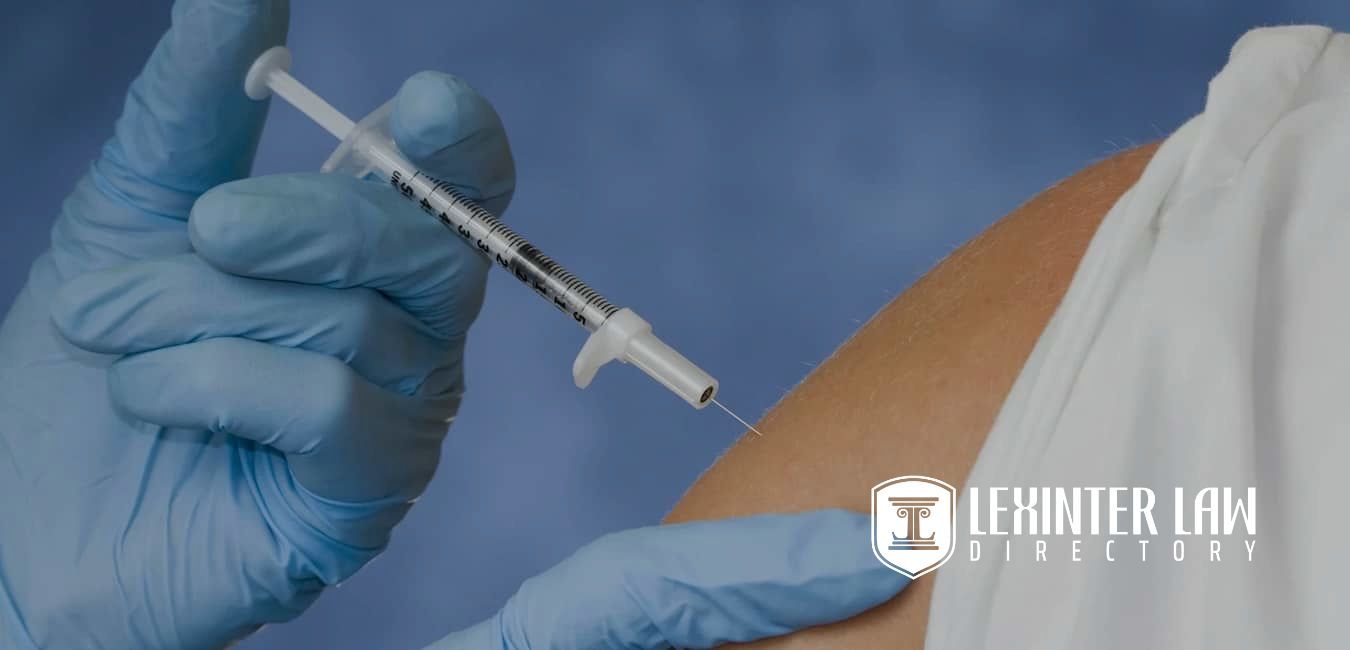
When to call your doctor
Seek prompt medical care if:
- The wound is a deep puncture or youre not sure how serious it is.
- The skin is badly torn, crushed or bleeding severely. First apply pressure with a bandage or clean cloth to stop the bleeding.
- You notice increasing swelling, skin color changes, pain or oozing. These are signs of infection.
- You aren’t sure whether the animal that bit you has rabies. Bats often carry rabies and can infect humans without leaving obvious signs of a bite. This is why the Centers for Disease Control and Prevention recommends that people in contact with bats seek medical advice about rabies shots. This is a good idea even if they dont think theyve been bitten.
If you havent had a tetanus shot in the past five years and the wound is deep or dirty, your healthcare professional may recommend a booster. Get a booster shot within 48 hours of your injury.
If the wound was caused by a cat or a dog, try to confirm that its rabies vaccination is up to date. If it was caused by a wild animal, seek advice from your doctor about which animals are most likely to carry rabies.
There is a problem with information submitted for this request. Review/update the information highlighted below and resubmit the form.
From Mayo Clinic to your inbox
Sign up for free and stay up to date on research advancements, health tips, current health topics, and expertise on managing health. Click here for an email preview. Email Address 1
ErrorEmail field is required
ErrorInclude a valid email address
We use the data you provide to deliver you the content you requested. To provide you with the most relevant and helpful information, we may combine your email and website data with other information we have about you. If you are a Mayo Clinic patient, we will only use your protected health information as outlined in our Notice of Privacy Practices. You may opt out of email communications at any time by clicking on the unsubscribe link in the email.