
If you’re a dog owner who uses Frontline for flea and tick prevention, you might’ve heard concerns about this popular treatment potentially causing seizures As someone who’s researched this topic extensively, I want to share what veterinary experts say about Frontline and seizures in dogs.
The Short Answer
Frontline is generally considered safe for dogs with seizures. There is no substantial evidence suggesting that Frontline triggers seizures in dogs, even those with epilepsy or a history of seizure disorders. However, every dog is different, and some may have sensitivities to certain ingredients in the medication.
What is Frontline?
Frontline is a topical medication applied directly to your dog’s skin to prevent flea and tick infestations. The active ingredients typically include fipronil and (S)-methoprene, which work by attacking the nervous systems of parasites rather than being absorbed into your dog’s bloodstream.
Key features of Frontline include:
- Applied topically to the skin
- Not intended to be ingested
- Provides protection for up to 30 days
- Available in several formulations (Frontline Plus, Frontline Gold, etc.)
Expert Opinions on Frontline and Seizures
Veterinary professionals generally agree that Frontline is safe for dogs, including those with seizure disorders:
“Frontline is a great option for flea and tick prevention in dogs with seizures, as it is applied topically and does not need to be ingested,” notes one veterinarian. “However, it’s always best to consult with your vet before starting any new medication regimen for a dog with a history of seizures.”
A veterinary neurologist adds “I have seen many dogs with seizures who have successfully used Frontline without any issues It’s important to follow the instructions carefully and monitor your dog for any signs of sensitivity,”
How Frontline Works in Your Dog’s Body
Understanding how Frontline works can help explain why it’s generally not associated with seizures
- Topical application: The medication is applied to a spot on the skin, typically between the shoulder blades
- Distribution: It spreads through the natural oils in your dog’s skin and hair follicles
- Limited absorption: Very little of the medication is actually absorbed into the bloodstream
- Target-specific: The active ingredients specifically target the nervous systems of insects, not mammals
This method of action is why Frontline is often recommended for dogs with medical conditions – it has minimal systemic effects on your dog’s body.
Common Concerns About Frontline and Seizures
Let’s address some frequently asked questions about Frontline and seizures in dogs:
Can Frontline trigger seizures in dogs with epilepsy?
There is no scientific evidence suggesting that properly applied Frontline triggers seizures in dogs with epilepsy. However, individual dogs may have unique sensitivities, so monitoring after application is always recommended.
Does Frontline interact with seizure medications?
No known interactions exist between Frontline and common seizure medications used for dogs. The topical nature of Frontline means minimal systemic absorption, reducing the likelihood of drug interactions.
What if my dog has a seizure after Frontline application?
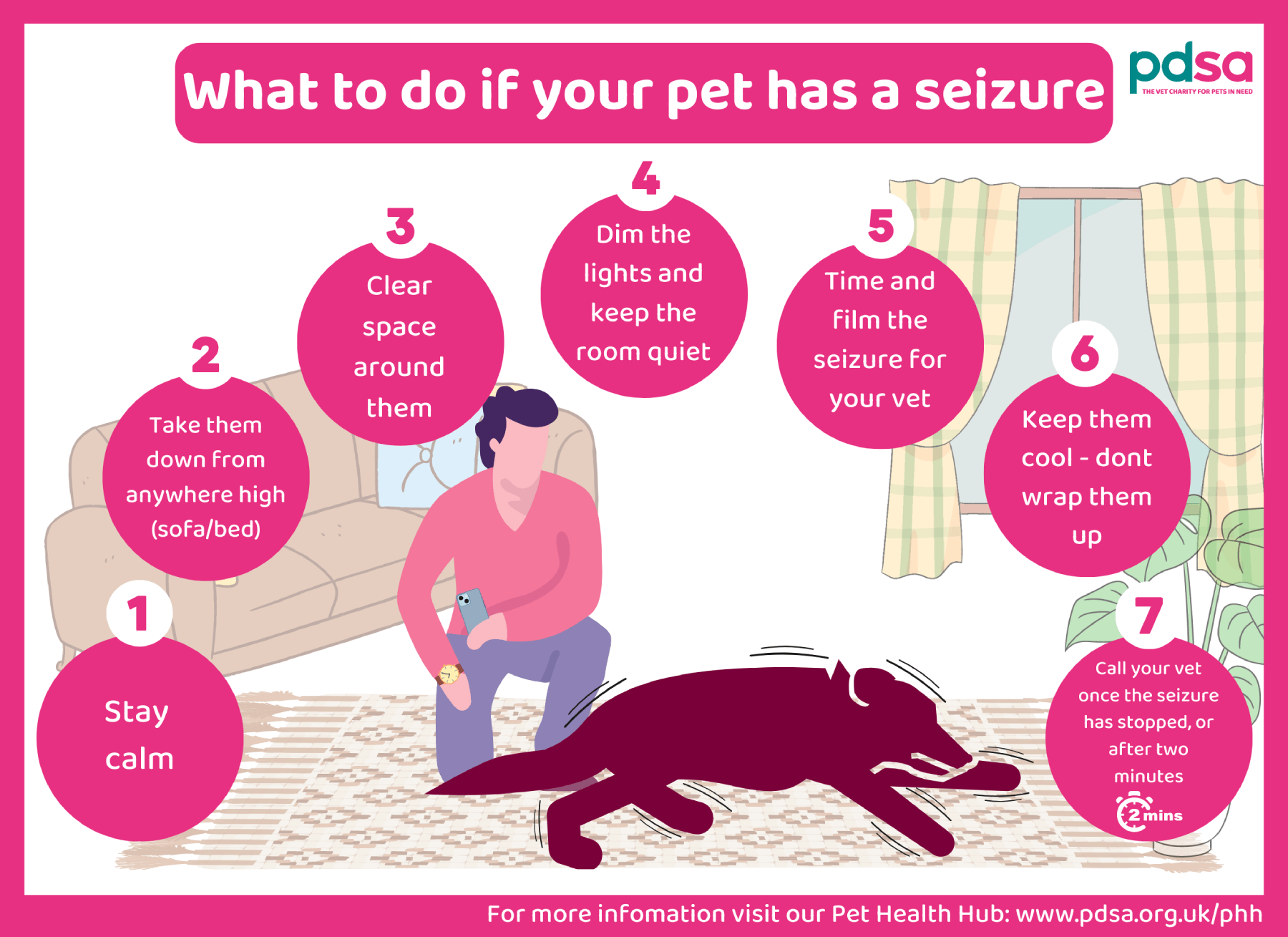
If your dog experiences a seizure after Frontline application, contact your veterinarian immediately. While it may be coincidental rather than causal, your vet should evaluate any potential connection.
Are there safer alternatives for dogs prone to seizures?
While Frontline is generally considered safe, some alternatives include:
- Other topical preventatives with different active ingredients
- Oral flea and tick medications (though these may have higher systemic absorption)
- Natural remedies (though these typically have less proven efficacy)
Always discuss alternatives with your vet to find the best option for your dog’s specific health needs.
Potential Side Effects of Frontline
Although seizures aren’t commonly associated with Frontline, some dogs might experience other side effects:
- Skin irritation at the application site
- Hair loss where the product was applied
- Lethargy in sensitive dogs
- Vomiting or diarrhea (rare, usually if ingested)
Most of these side effects are mild and temporary. If you notice any concerning symptoms, contact your veterinarian.
Tips for Safe Use of Frontline in Dogs with Seizure History
If your dog has a history of seizures but needs flea and tick protection, follow these recommendations:
- Consult your veterinarian before starting Frontline
- Apply correctly – directly to skin, not fur, in a spot your dog can’t lick
- Monitor closely for 24-48 hours after application
- Keep application records to track any potential patterns
- Never exceed the recommended dosage for your dog’s weight
- Avoid applying immediately after bathing or swimming
- Don’t combine with other pesticide products without veterinary approval
Real-Life Experiences
In my research, I’ve found that many dog owners with epileptic dogs use Frontline without issues. One owner shared: “My border collie has had epilepsy for years, and we’ve used Frontline the entire time without any increase in seizure activity.”
Another mentioned: “We were nervous to try Frontline with our seizure-prone Beagle, but our vet assured us it was safe. We’ve been using it for two years with no problems.”
Of course, these are anecdotal examples, and your dog’s experience may differ.
Clinical Studies and Evidence
When looking at scientific evidence, it’s important to note that clinical studies of Frontline have not shown a causal relationship between the product and seizures in dogs. The safety profile of fipronil (the active ingredient) has been extensively studied, with seizures not being identified as a common adverse effect at proper dosages.
In fact, a clinical trial studying the use of Frontline on dogs with seizures showed no increase in seizure activity after application. This supports the general veterinary consensus that Frontline is safe for dogs with seizure disorders.
Alternatives to Consider
If you’re still concerned about using Frontline on your dog with a seizure history, consider these alternatives:
Other Topical Options
- Advantage (imidacloprid)
- Revolution (selamectin)
- Seresto collar (imidacloprid and flumethrin)
Oral Medications
- Nexgard (afoxolaner)
- Bravecto (fluralaner)
- Simparica (sarolaner)
Natural Approaches (less proven efficacy)
- Regular bathing and combing
- Diatomaceous earth (food grade)
- Essential oil products (use with extreme caution as some can be toxic to dogs)
When to Be Cautious with Frontline
While Frontline is generally safe, there are situations where extra caution is warranted:
- Very young puppies (under 8 weeks old)
- Pregnant or nursing dogs
- Senior dogs with multiple health issues
- Dogs with known chemical sensitivities
- Dogs with compromised immune systems
In these cases, consult your veterinarian for personalized advice.
The Bottom Line
Based on veterinary expertise and available evidence, Frontline does not appear to cause seizures in dogs, even those with pre-existing seizure disorders. It’s generally considered a safe option for flea and tick prevention due to its topical application and limited systemic absorption.
However, every dog is unique. What works safely for one dog may not be ideal for another. The best approach is to work closely with your veterinarian, who understands your dog’s specific health history and needs.
Final Thoughts
As a dog owner, it’s natural to be concerned about anything that might affect your furry friend’s health, especially if they already have a condition like epilepsy. The good news is that Frontline has a strong safety record, even for dogs with seizures.
I always recommend talking with your vet before making decisions about parasite prevention. They can help you weigh the benefits of protection against fleas and ticks (which can transmit serious diseases) against any potential risks for your specific dog.
Remember that untreated flea and tick infestations pose their own health risks to your dog, so finding an effective prevention method is important for their overall wellbeing.
Have you used Frontline with a dog who has seizures? What was your experience? I’d love to hear your thoughts and experiences in the comments!
Treatment of Flea and Tick Medicine Poisoning in Dogs
Depending on the severity of the toxicity and the symptoms your dog is displaying, treatment could be on an outpatient basis, or your dog might need to be hospitalized for supportive care.
There is no antidote for these types of poisoning.
Treatment includes quick removal of the product by bathing your dog with a liquid dish soap like Dawn®, Joy®, or Palmolive® to get the greasy substance off and rinsing the mouth with copious amounts of water.
Use a garden hose, if necessary, to help flush from the mouth any toxins ingested.
In cases where neurologic signs occur, it’s helpful to minimize the extent and severity of them by having your dog hospitalized, which could require several days.
Supportive care might consist of:
- Repeat bathing
- Intravenous (IV) fluids
- Anti-nausea medications
- Muscle relaxation
- Seizure medication
Your veterinarian might also want to monitor your dog’s temperature, blood sugar levels, and kidney function, since these can be affected by toxicity in dogs.
Causes of Flea and Tick Medicine Poisoning in Dogs
Dogs often become poisoned unintentionally either through the misuse of flea and tick prevention or through the accidental ingestion or absorption of insecticides.
Prior to medicating your dog, verify the correct drug, dose and size of the product and that the proper time frame in between doses has occurred nor that someone else in the family already gave it.
Additionally, don’t give expired medications or cut larger sizes into smaller pieces or give multiple smaller doses.
Not all products may result in toxic symptoms as products contain varying concentrations of drug but be sure to consult your veterinarian immediately if noted.
Seizures in Dogs – Causes, Diagnosis and Treatment | Southeast Veterinary Neurology
FAQ
Are there any side effects of Frontline Plus for dogs?
Neurological side effects from Frontline Plus are extremely rare but can occur, particularly in dogs with underlying neurological conditions or sensitivities to the active ingredients— fipronil and S-methoprene. Here’s what to watch for and how to respond:
Does Frontline Plus cause seizures?
It causes death, seizures and terrible side effects to some dogs and cats. Rudy is 7 and developed seizures after having Frontline Plus. I immediately took him to the vet who did all kinds of tests to have all of them come back negative. He had several seizures after and one Sunday had 5 seizures in 3 hours.
Is frontline safe for dogs?
One of the most popular canine flea control products is Frontline for dogs. Fipronil, a chemical insecticide, is the primary active ingredient in the various Frontline products. While promoted as generally safe, it can have some negative effects on a variety of your dog’s systems.
Can a dog eat Frontline Plus?
Diarrhea is a rare side effect of Frontline Plus, but it can happen, particularly if your dog accidentally ingests the product by licking the application site before it fully absorbs. The active ingredients in Frontline Plus— fipronil and S-methoprene —are designed to target fleas and ticks, but if ingested, they can cause gastrointestinal upset.
Can dogs take frontline if they’re sensitive to fipronil?
Some dogs have a hypersensitivity to fipronil, so it is important to avoid Frontline if your dog is sensitive to these products. While the typical side effect to Frontline is skin reactions, its active ingredient, fipronil, lists other potential concerns when used on canines.
Why is my dog sluggish after taking Frontline Plus?
Lethargy is a rare side effect of Frontline Plus, but if your dog seems unusually tired or sluggish after application, it could be due to a mild reaction to the active ingredients, fipronil and S-methoprene. Here’s what you should know: Temporary Lethargy: In some cases, lethargy may be your dog’s way of reacting to the product.
What is the safest flea treatment for dogs with seizures?
Does Frontline have neurological side effects?
Does topical flea medicine cause seizures in dogs?
Flea, tick and heartworm medication should not be able to cross a dog’s blood-brain barrier, and therefore it should not get in to the brain to cause seizures.
What is the safest flea and tick prevention for dogs?
The safest oral flea and tick treatments typically include products like NexGard and Bravecto, but individual reactions can vary. Always consult your veterinarian to find the best option that considers your dog’s health history and any potential side effects. For additional tips, visit my Quora Profile!