
The Concerning Connection Between Dog Food and DCM
Hey fellow dog lovers! As someone who’s been researching pet nutrition for years, I’ve been getting tons of questions about NutriSource dog food and potential heart problems. It’s a topic that’s got many pet parents worried, and I totally get it – our furry friends are family, and their health is super important!
The buzz started back in 2019 when the FDA released some pretty alarming info about certain dog foods and their possible connection to canine dilated cardiomyopathy (DCM). This serious heart condition can lead to congestive heart failure in dogs, which is definitely something we all want to avoid.
So let’s dig into what we know, what we don’t know, and what you should consider when choosing food for your beloved pooch.
What is Canine DCM Anyway?
Before we jump into the NutriSource question, let’s understand what we’re talking about:
Dilated cardiomyopathy (DCM) is a heart condition that’s been known for decades. It affects the heart’s ability to pump blood effectively because the heart chambers become enlarged and the heart walls thin out.
Common symptoms of DCM include
- Decreased energy levels
- Coughing
- Difficulty breathing
- Episodes of collapse
- Congestive heart failure in severe cases
DCM has traditionally been more common in certain breeds, particularly large and giant breed dogs like Dobermans, Great Danes, and Boxers. But what caught the FDA’s attention was a spike in cases in breeds not typically predisposed to the condition.
The FDA Investigation and NutriSource
In July 2018, the FDA announced it was investigating a potential link between certain dog foods and DCM By June 2019, they’d named 16 brands connected to reported DCM cases, and yep, NutriSource was on that list
According to the FDA report, between January 2014 and April 2019, they received 524 reports of DCM (515 in dogs, 9 in cats). Of those reports, NutriSource was linked to 10 cases. For context, other brands had higher numbers:
- Acana: 67 cases
- Zignature: 64 cases
- Taste of the Wild: 53 cases
The investigation specifically focused on grain-free dog foods that contained high proportions of peas, lentils, other legume seeds, and/or potatoes as main ingredients (listed in the first 10 ingredients).
What NutriSource Says About the Issue
NutriSource, produced by Tuffy’s Pet Foods, hasn’t been sitting idle during this controversy. They’ve taken several steps to address the concerns:
-
They added supplemental taurine to their formulas as a precautionary measure. Taurine deficiency has been linked to some cases of DCM, though the connection isn’t fully understood.
-
They’ve funded independent research at Kansas State University to study pet health and canine DCM.
-
They emphasize that their diets are developed by experts with over 65 years of experience in the pet food industry, including collaboration with a Ph.D. in Animal Nutrition.
Charlie Nelson, President of KLN Family Brands (NutriSource’s parent company), stated: “Our record and history of being the leader in solutions-based pet nutrition has been of great benefit to pets and families throughout the world.”
NutriSource maintains that pet parents can continue feeding their products with confidence, noting that they comply with guidelines set by the FDA and the American Association of Feed Control Officers (AAFCO).
The Bigger Picture: What We Do & Don’t Know
Here’s where things get a bit murky. Despite the investigation, the FDA has NOT established a definitive causal link between the named foods and DCM. They’ve stated:
“Based on the data collected and analyzed thus far, the agency believes that the potential association between diet and DCM in dogs is a complex issue that may involve multiple factors.”
The FDA also noted: “At this time, we are not advising dietary changes based solely on the information we have gathered so far.”
This is important! The agency identified potential correlations but hasn’t proven causation. Many experts believe the DCM issue likely involves multiple factors including:
- Genetic predisposition
- Individual nutrient processing
- Specific ingredient interactions
- Manufacturing processes
- Possible unidentified factors
Context Is Important: The Numbers Game
Let’s put things in perspective. The FDA received reports of 515 cases of DCM in dogs between January 2014 and April 2019. That sounds scary until you consider there are approximately 77 MILLION dogs in the United States!
Even if we assume all reported cases were directly caused by diet (which hasn’t been proven), we’re talking about an extremely small percentage of the dog population.
With NutriSource specifically linked to just 10 cases over that 5-year period, the statistical risk appears extremely low. However, I’m not downplaying the seriousness – even one case is concerning if it’s your beloved pet.
What Should You Do? My Practical Advice
As a fellow dog parent who’s spent countless hours researching this topic, here’s what I think is reasonable:
If You’re Currently Feeding NutriSource:
-
Don’t panic! The reported issues are rare, and no definitive causal link has been established.
-
Know your dog’s risk factors. If your dog is a breed predisposed to DCM or has other heart issues, you might consider discussing dietary changes with your vet.
-
Watch for symptoms. Be alert for decreased energy, coughing, breathing difficulties, or collapse, and contact your vet immediately if concerned.
If You’re Considering Switching:
-
Consult your veterinarian. They know your dog’s specific health needs and can provide tailored advice.
-
Consider a gradual transition. If you do switch, do it slowly over 7-10 days to avoid digestive upset.
-
Look beyond marketing terms. “Grain-free” isn’t inherently better or worse – it depends on your dog’s specific needs.
My Personal Take
I’ve spoken with several vets about this issue, and most agree that the DCM scare needs to be viewed in context. While there’s certainly something worth investigating, many dogs have been eating grain-free diets with legumes and potatoes for years without any issues.
One vet told me, “I’m seeing more problems from obesity than I am from grain-free diets.” That really stuck with me!
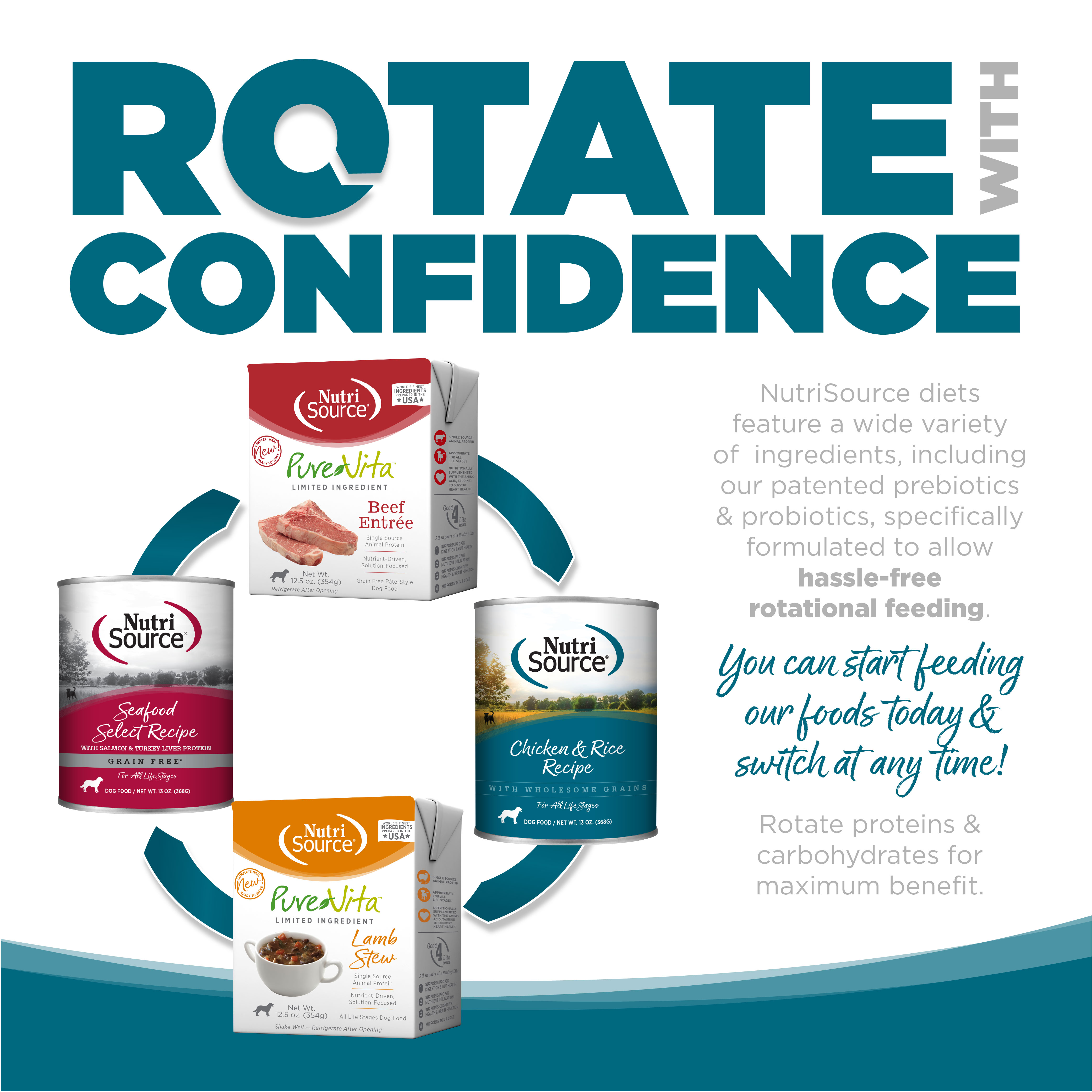
In our house, we’ve opted for a rotation of different high-quality foods rather than sticking to just one brand or formula. This approach provides nutritional variety and reduces the risk of any long-term deficiencies from a single recipe.
Alternatives to Consider
If you’re nervous about the DCM issue but love NutriSource’s quality, you might consider:
-
NutriSource’s grain-inclusive formulas – They offer plenty of options that include grains and may have fewer of the ingredients of concern.
-
Rotating diets – Switch between grain-free and grain-inclusive options, or between different protein sources.
-
Consult a veterinary nutritionist – For dogs with specific health concerns, a customized diet plan might be worth the investment.
The Bottom Line
Does NutriSource dog food cause heart problems? Based on current evidence, there’s no definitive proof. The FDA has identified correlations that warrant further investigation, but they haven’t established causation.
NutriSource appears to be taking the concerns seriously and has implemented changes while research continues. With only 10 reported cases linked to their food over a 5-year period (compared to millions of dogs fed their products), the statistical risk seems very low.
As with most things in pet care, the best approach is probably moderation, variety, and attentiveness to your individual dog’s health. And of course, keeping an open dialogue with your trusted veterinarian.
Remember, pet nutrition isn’t one-size-fits-all, and what works great for one dog might not be ideal for another. Trust your instincts, do your research, and make the choice that feels right for your furry family member.
Additional Resources
If you have questions or concerns about NutriSource products specifically, their customer service team can be reached at:
- Email: [email protected]
- Phone: 800-525-9155
For the latest on the FDA’s investigation into DCM, visit their website for updates.
And as always, when in doubt, consult with your veterinarian. They’re your best resource for personalized advice about your dog’s specific dietary needs.
What food are you currently feeding your pup? Have you had any concerns about grain-free diets? I’d love to hear your thoughts and experiences in the comments!
Cases Reported to FDA
For the purposes of this investigation, the FDA defines a “case” as an illness reported to FDA involving a dog or cat that includes a diagnosis of DCM. Many of the reports submitted to the FDA included extensive clinical information, including echocardiogram results, cardiology/veterinary records, and detailed diet histories. The numbers below only include reports in which the dog or cat was diagnosed with DCM by a veterinarian and/or veterinary cardiologist. We did not include in these numbers the many general cardiac reports submitted to the FDA that did not have a DCM diagnosis. However, this case information is still valuable, as it may show heart changes that occur before a dog develops symptomatic DCM. (Please see the Vet-LIRN DCM Investigative Update for more technical information on the reported cases, including those without a formal diagnosis of DCM). Although the FDA first received a few sporadic reports of DCM as early as 2014, the vast majority of the reports were submitted after the agency notified the public about the potential DCM/diet issue in July 2018.
Between January 1, 2014 and April 30, 2019, the FDA received 524 reports of DCM (515 canine reports, 9 feline reports). Approximately 222 of these were reported between December 1, 2018 and April 30, 2019 (219 canine reports, 3 feline reports). Some of these reports involved more than one affected animal from the same household. The breakdown of reported illnesses below reflects the number of individual animals affected. The American Veterinary Medical Association estimates that there are 77 million pet dogs in the United States. Most dogs in the U.S. have been eating pet food without apparently developing DCM. It’s not known how commonly dogs develop DCM, but the increase in reports to FDA signal a potential increase in cases of DCM in dogs not genetically predisposed.
Diet Information from Reported Cases
Review of the canine reports shows that most reports were for dry dog food formulations, but raw food, semi-moist food, and wet foods were also represented.
When examining the most commonly reported pet food brands named in DCM reports submitted to the FDA, it is important to note that the graph below is based on reports that included brand information and that some reports named multiple brands. Brands that were named ten or more times are featured below. For a granular, case-by-case breakdown of DCM reports submitted to the FDA, see Canine Dilated Cardiomyopathy Complaints Submitted to FDA-CVM Through April 30, 2019. FDA urges pet owners to work with their veterinarians, who may consult a board-certified veterinary nutritionist, to obtain the most appropriate dietary advice for their pets specific needs prior to making diet changes.
To better characterize diets reported in DCM cases, product labels were examined to determine whether the product was grain-free (did not contain corn, soy, wheat, rice, barley or other grains), and whether the products contained peas, other lentils including chickpeas and beans, or potatoes (including sweet potatoes). Because so many products contained peas and/or lentils, a category was created for “peas and/or lentils”. More than 90 percent of products were “grain-free”, and 93 percent of reported products had peas and/or lentils. A far smaller proportion contained potatoes.
Animal protein sources in the reported diets varied widely, and many diets contained more than one protein source. The most common proteins in the reported diets were chicken lamb and fish; however, some diets contain atypical protein sources such as kangaroo, bison or duck. No one animal protein source was predominant.
Before the July 2018 DCM Update, FDA/Vet-LIRN had tested multiple products for minerals and metals (calcium, magnesium, phosphorus, iron, cobalt, copper, zinc, selenium, iodine) and amino acids including taurine, cysteine, and methionine. That product testing did not reveal any abnormalities.
Since the July 2018 DCM Update, Vet-LIRN tested both products labeled as “grain-free” and those containing grain for the following:
- protein, fat, moisture
- crude fiber, total dietary fiber, soluble fiber, insoluble fiber
- total starch, resistant starch
- cystine, methionine, and taurine
The average percent protein, fat, total taurine, total cystine, total methionine, total methionine-cystine, and resistant starch content on a dry matter basis (in other words, after removing all moisture content) were similar for both grain-free labeled and grain-containing products. For more details, please see the Vet-LIRN DCM Update.
Additional food testing is in progress.
WCCO Special Report: Grain-Free Dog Food Could Cause Heart Disease
FAQ
Is NutriSource dog food being recalled for heart disease?
Also, in late June 2019, the U.S. Food and Drug Administration (FDA) identified NutriSource as one of 16 pet food brands that may be linked to heart disease in dogs and cats. None of the brands have been recalled as part of the agency’s ongoing investigation, though.
What foods are linked to heart disease in dogs?
Many of the foods identified are labeled as “grain-free” and contain a high proportion of peas, lentils, other legume seeds and potatoes. Although most commonly reported in larger dogs, some smaller dogs and a few cats have also developed the disease.
Is NutriSource bad for dogs?
NutriSource dog food is generally considered a good option, recommended by veterinarians and pet nutrition experts for its high-quality ingredients, balanced nutrition, and specialized formulas for various needs. It includes added beneficial ingredients like glucosamine and chondroitin for joint health and a Good 4 Life system to support gut health and nutrient utilization. While a recall for its sister brand, PureVita, occurred in 2021, NutriSource itself has not had a recall.
What are the 16 dog food brands linked to heart disease?
- Acana.
- Zignature.
- Taste of the Wild.
- 4Health.
- Earthborn Holistic.
- Blue Buffalo.
- Nature’s Domain.
- Fromm.