
Being stuck inside—whether due to extreme heat, cold, or natural disasters like hurricanes or wildfires—can be a huge drag for our canine companions who enjoy outdoor activities.
While sitting on the couch watching movies will entertain us, boredom and inactivity in dogs can lead to unwelcome behaviors, anxiety, and weight gain.
The good news is that there are many activities you can do indoors with your dog.
Winter has arrived, and if you’re like me, the thought of braving those icy winds and slippery sidewalks makes you want to curl up by the fire with a hot cup of tea instead of taking your furry friend for a walk. But here’s the reality – our dogs need regular exercise regardless of the season, and skipping those daily walks can lead to some serious issues.
Did you know that nearly 70% of pet owners report their dogs gaining weight during winter months? The Association for Pet Obesity Prevention estimates over half of all dogs in the United States are overweight or obese putting them at increased risk for health problems and a shorter lifespan. Plus our pups can get cabin fever just like we do, which might lead to problem behaviors like excessive barking or destructive chewing.
So what’s a dog parent to do when the temperature drops and the snow piles up? Don’t worry – I’ve got you covered with these 12 creative ways to keep your dog active and happy throughout the winter months!
Indoor Exercise Ideas for When It’s Too Cold Outside
1. Indoor Games
One of the easiest ways to exercise your dog inside is through play Try these fun options
- Fetch in a hallway: A long hallway or open basement provides the perfect space for a game of indoor fetch.
- Tug-of-war: This classic game provides great exercise and is a wonderful bonding experience.
- Find It: Hide small treats or kibble around your house and let your dog’s amazing nose go to work finding them.
- Hide and Seek: This fun game reinforces the “come” command while giving your dog mental and physical stimulation.
My dog Luna absolutely loves when we play hide and seek I’ll have her stay in one room while I hide in another, then call her to find me The look of excitement on her face when she discovers my hiding spot is priceless!
2. Stair Climbing
If your dog is young, healthy, and doesn’t have hip problems, stair exercises can be a fantastic workout. Try throwing a ball or toy to the top of carpeted stairs for an aerobic game of fetch. Just be careful not to overdo it – this is high-impact exercise that should be done in moderation.
3. Food-Dispensing Toys
Turn mealtime into exercise time by using food-dispensing balls or toys. These clever devices make your dog work for their dinner by pushing, rolling, or manipulating the toy to release kibble. If you feed wet food, stuff your dog’s dinner inside a Kong toy and freeze it before feeding for an extra challenge.
4. Treadmill Training or dog treadmills can be a great way to get your dog moving when outdoor walks aren’t possible. Start slowly with your pup on a leash and use high-value treats as motivation. Gradually increase the speed to a comfortable trot once they’re used to the motion.
A few important safety notes:
- NEVER leave your dog unattended on a treadmill
- NEVER tether your dog to the treadmill
- NEVER force your dog to stay on it if they seem uncomfortable
5. Training Sessions and Trick Teaching
Winter is the perfect time to work on training or teach your dog some new tricks! Mental exercise can tire a dog out just as effectively as physical exercise sometimes. Try teaching basic commands or fun tricks like “spin,” “high five,” or even useful skills like picking up toys and putting them in a basket.
6. Indoor Classes
Sign up for indoor training classes like obedience, agility, flyball, or even “doga” (yoga with your dog). These classes provide exercise, mental stimulation, and valuable socialization for your pup, plus they get you both out of the house for a bit.
7. Doggie Daycare or Gyms
If there’s a doggie daycare or gym in your area, these can be excellent options for winter exercise. Some facilities even have indoor swimming pools or indoor dog parks where your pup can run and play with other dogs. Check reviews carefully and tour the facility before enrolling your dog.
8. Dog-Friendly Outings
Take your dog on an adventure to pet-friendly stores or coffee shops. Many pet stores allow leashed dogs, and some other retail establishments are dog-friendly as well. It’s a great way to get out of the house, provide some mental stimulation, and maybe even do a bit of shopping!
Outdoor Winter Exercise (For the Brave!)
If you and your dog enjoy the snow and cold, here are some outdoor options:
9. Snow Hikes
Wooded trails after a fresh snowfall can be absolutely magical, and they’re often less crowded in winter. This might be the perfect opportunity for some off-leash hiking in areas where your dog can have more freedom without encountering too many other dogs or people.
10. Snow Play
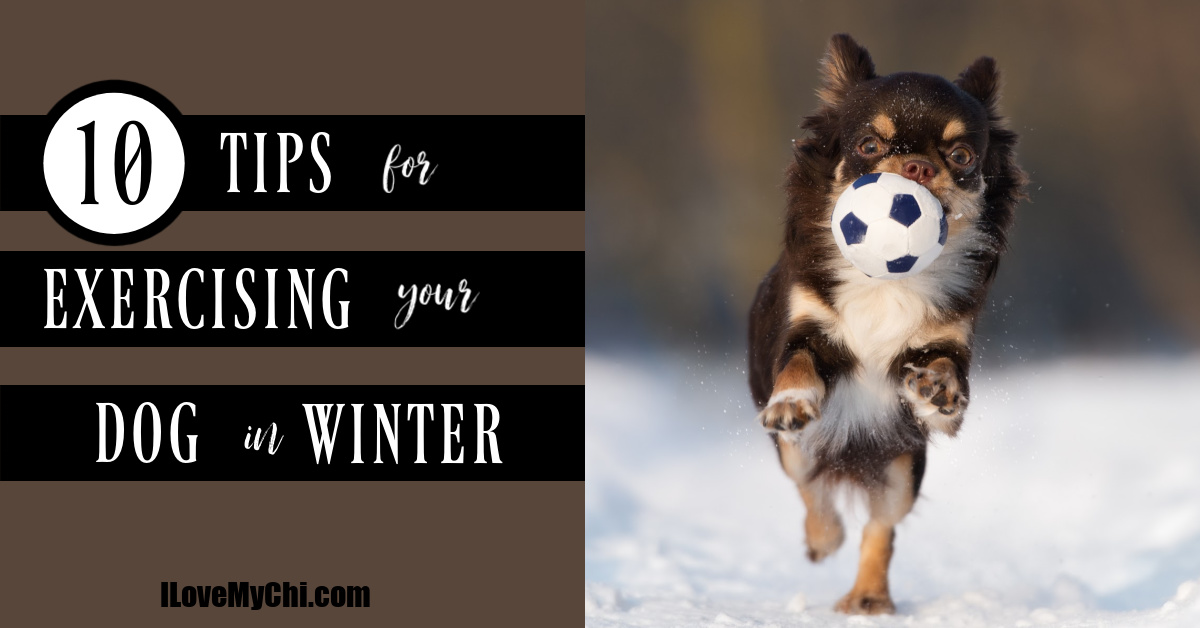
Many dogs absolutely LOVE the snow! Try sledding with your dog, having snowball “fights” (let them catch snowballs you toss), or just watching them bound through fresh powder. The soft snow provides excellent resistance training and is generally easier on joints than hard surfaces.
11. Dog Parks in Winter
If your dog gets overwhelmed by crowded dog parks, winter might be the perfect time to visit when there are fewer dogs around. Just make sure the park is open and safe to use (some close during winter months).
12. Winter Sports with Your Dog
For the truly adventurous, try snowshoeing or cross-country skiing with your dog. Some athletic breeds can even participate in skijoring – a sport where your dog pulls you on skis through the snow!
Winter Safety Tips for Your Dog
Before heading outside with your furry friend, keep these safety tips in mind:
-
Protective Gear: Short-haired, small, or elderly dogs may need a sweater or water-repellent coat to stay warm. Check hunting supply stores for high-quality, functional dog coats rather than just cute fashion statements.
-
Paw Protection: Trim the hair between your dog’s toes to reduce snow and ice buildup. Consider dog booties to protect paws from ice, salt, and de-icing chemicals. If your dog won’t wear booties, try applying Musher’s Secret wax to their paws before going outside.
-
Post-Walk Care: Clean your dog’s paws with a warm wet cloth after walks to remove any salt, chemicals, or ice balls. Wipe down their legs and belly too.
-
Visibility: Use reflective wear or clip-on LED collar lights if you’re walking in the dark (which happens early in winter!).
-
Watch for Cold Stress: Monitor your dog for signs they’re too cold, including shivering, whining, slowing down, or frequently lifting their paws. When you see these signs, it’s time to head inside and warm up.
-
Know Your Limits: On those brutally cold days when even YOU don’t want to be outside, it’s probably too cold for your dog too. Stay inside and use some of the indoor exercise options instead.
Winter doesn’t have to mean your dog becomes a couch potato! With a little creativity and planning, you can keep your furry friend physically and mentally stimulated throughout the cold months. Remember that regular exercise helps maintain a healthy weight, prevents behavioral problems, and provides valuable bonding time for you and your pup.
FAQ About Winter Dog Exercise
Q: How much exercise does my dog need during winter?
A: Most dogs need at least 30 minutes of exercise daily, but this varies based on breed, age, and energy level. Consult your veterinarian for advice specific to your dog.
Q: Is it safe to walk my dog in the snow?
A: Yes, as long as the temperature isn’t dangerously cold and you take precautions like using protective gear and monitoring for signs of cold stress.
Q: What can I do if my dog refuses to go outside in winter?
A: Try shorter walks, engaging indoor activities, or creating a fun indoor obstacle course to keep them active.
Q: Can indoor games provide enough exercise for my dog?
A: Absolutely! Many indoor games like tug-of-war, hide and seek, and obstacle courses can provide excellent physical and mental stimulation.
Q: How can I tell if my dog is too cold?
A: Watch for shivering, lifting paws off the ground, or reluctance to walk. If your dog shows these signs, bring them inside immediately to warm up.
Provide Appropriate Chewing Outlets
Dogs stuck inside may experience anxiety and turn to outlets like chewing to self-soothe. Giving them something more appropriate to chew on will reduce any destruction and eliminate the danger of your dog eating something they shouldn’t have or choking.
Playing fetch isn’t exclusively an outdoor activity. But to avoid damage to both your house and your dog, choosing the right location and toys for indoor fetch is important. Soft, low-bounce toys are great options. Tennis balls are also often soft enough for indoor use.
For young, athletic dogs, throwing a soft toy up the stairs can provide some extra exercise at low physical cost to you.
Take a Field Trip
If possible, quick trips to dog-friendly stores and restaurants can provide them with mental stimulation. There are also indoor dog parks popping up in many cities. Check reviews before going with your pup.
Make sure your dog is up to date on vaccines and behaves when interacting with new people and dogs. Anxious dogs may just prefer to stay home or perhaps just enjoy a nice car ride.
Winter exercise tips for dogs | Your Morning
FAQ
Where to exercise a dog in winter?
Use your living room or a long hallway—wherever there’s uncluttered space—and roll or toss your dog’s toy. Get your workout, too, by racing him to get the toy first. You’ll both be panting (and you’ll be laughing) within minutes.
How cold is too cold to walk a dog?
It’s too cold to walk a dog when the temperature is below freezing (32°F/0°C), especially for smaller, older, or thin-coated dogs, who are at higher risk for frostbite and hypothermia. Key indicators that your dog is too cold include shivering, whining, lifting or licking paws, a tucked tail, stiff walking, or shallow breathing.
How to keep your dog active in the winter?
- Hide and Seek – Classic Fun with a Twist. Hide and seek isn’t just for kids; dogs love it, too! …
- Obstacle Course – Indoor Agility. …
- Treasure Hunt or The Cup Came– Sniffing for Treats. …
- Tug of War – A Test of Strength. …
- Bubble Chase – Popping Fun.
How cold is too cold to exercise your dog?
Key takeaways: Temperatures above 85°F are too hot and below 32°F are too cold to keep your dog outside for long.