
Dogs generally regulate their water intake well, but there may be times when you notice you’re not filling the water bowl as frequently, or your dog is not acting like himself.
There are various reasons dogs may stop drinking water, which range from lack of interest to illness.
When pet parents notice a change in their dog’s water intake without an obvious cause (such as spending less time outside in the heat), it’s time to see your veterinarian.
Is your furry friend not drinking enough water? Don’t worry you’re not alone! As a dog owner myself I’ve struggled with this exact problem. My Lab mix Bella used to barely touch her water bowl, and it drove me crazy with worry. After tons of research and talking with our vet, I’ve compiled these effective tricks that have literally saved us from constant dehydration concerns.
Water is essential for your dog’s health – it supports kidney function, helps digestion, regulates body temperature, and keeps them feeling good. But sometimes our pups just don’t drink enough. So what’s a worried pet parent to do?
Why Won’t My Dog Drink Water?
Before we dive into solutions, let’s understand why your dog might be avoiding their water bowl:
- Health issues: Dental problems, kidney disease, urinary tract infections can make drinking painful
- Environmental changes: New home, routine changes, or even a new water bowl
- Age factors: Puppies and senior dogs sometimes need extra encouragement
- Food type: Dogs eating wet food naturally drink less water (they’re getting moisture from food!)
- Water quality: Some dogs are picky about water taste or temperature
- Stress or anxiety: Just like us, emotional factors affect drinking habits
My neighbor’s Beagle wouldn’t touch his water after they moved to a new house. Turned out he just didn’t like the location of his new water bowl! Sometimes the solution is simpler than we think.
Signs Your Dog Might Be Dehydrated
How do you know if your dog needs more water? Look for these warning signs
- Dry, sticky gums
- Sunken eyes
- Lethargy or weakness
- Loss of skin elasticity (skin doesn’t snap back when pinched)
- Decreased urination
- Dark yellow urine
If you notice these symptoms, try the tricks below – but also call your vet if they persist, especially if your dog seems lethargic. Dehydration can get serious quickly!
15 Tricks to Get Your Dog to Drink More Water
1. Add Flavor to Their Water
This is probably the easiest and most effective trick! Add a small amount (1-3 teaspoons) of low-sodium chicken or beef broth to their water bowl, The meaty aroma makes water irresistible to most dogs,
Pro Tip: Make your own healthy bone broth by simmering bones with a bit of apple cider vinegar for a few hours. Freeze in ice cube trays for easy portioning!
2. Serve Up Some Ice Cubes
Many dogs love ice cubes as treats! They provide hydration while being fun to crunch. Plus, some dogs prefer cold water over room temperature.
You can even make flavored ice cubes by freezing:
- Diluted bone broth
- Watered-down peanut butter (xylitol-free!)
- Mashed fruit like watermelon (seeds removed)
3. Add Water to Their Food
This super simple trick works great – just add about a cup of water to your dog’s regular kibble. My Bella now gets her kibble “soup style” and happily slurps up all the liquid.
For extra appeal, try:
- Adding .5 teaspoon of coconut or salmon oil
- Using low-sodium broth instead of plain water
- For a special treat, try goat milk (most dogs can digest it better than cow’s milk)
4. Switch to Wet Dog Food
Canned dog food contains up to 80% water – compared to only 10% in dry kibble! Making the switch can dramatically increase your dog’s water intake without them even realizing it.
If your dog loves their dry food, try mixing in some wet food gradually. Even adding a spoonful of wet food to kibble can increase moisture content significantly.
5. Feed Water-Rich Fruits and Vegetables
Some healthy, water-packed treats for dogs include:
- Watermelon (no seeds)
- Cucumber slices
- Blueberries (frozen work great!)
- Strawberries
- Spinach (mixed into food)
- Applesauce (unsweetened)
My dog goes crazy for frozen blueberries in summer – they’re like little hydrating popsicles!
6. Use Positive Reinforcement
Dogs respond amazingly well to praise and treats. Every time your dog drinks water, give them a small treat or lots of verbal praise. This creates a positive association with drinking water.
I started giving Bella a tiny training treat whenever she drank from her bowl. Within a week, she was practically showing off her water-drinking skills to get rewarded!
7. Keep the Water Bowl Clean
Would you want to drink from a dirty glass? Neither does your dog! Wash their water bowl daily with soap and water to remove slime, bacteria, and any funky tastes that might be turning them off.
8. Relocate the Water Bowl
Sometimes the location matters more than you’d think. Try placing water bowls:
- Near their food
- By their bed
- In rooms where they spend lots of time
- Away from noisy appliances that might startle them
9. Add Multiple Water Stations
One bowl isn’t enough, especially in larger homes! Place several water bowls throughout your house and yard so water is always convenient for your pup.
I have three water stations in my house – kitchen, living room, and bedroom – and noticed Bella drinks way more now that water is always nearby.
10. Try a Different Water Bowl
The bowl itself might be the problem! Some considerations:
- Material: Some dogs dislike the smell of plastic or the reflection in metal
- Size: The bowl should be appropriately sized for your dog
- Depth: Some dogs don’t like their ears getting wet when drinking from deep bowls
Ceramic bowls tend to be popular choices since they don’t retain odors and are heavy enough to stay put.
11. Bring Water From Home When Traveling
Some dogs are picky about unfamiliar water sources. When traveling, bring water from home in a bottle or container to maintain consistency.
12. Hand-Feed Water
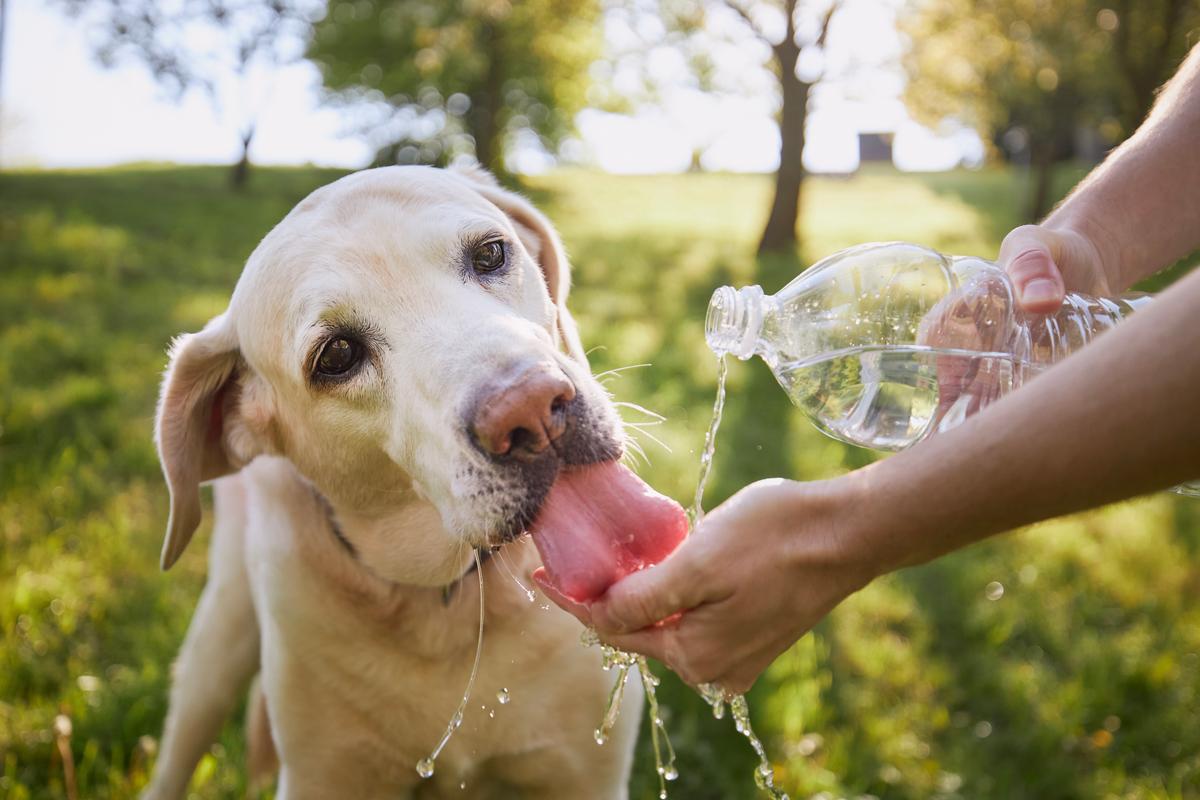
For reluctant drinkers, especially sick dogs, try scooping water in your hand and offering it directly to them. This personal touch often works when nothing else will!
13. Invest in a Pet Fountain
Many dogs prefer moving water (it’s an instinct thing!). Pet fountains keep water circulating, which keeps it fresher and more appealing to your dog.
14. Make “Hot Dog Soup”
This might sound gross to us humans, but dogs LOVE it! Simmer half a hot dog in a cup of water for 5-10 minutes. Use this flavorful liquid to pour over kibble or offer as a special drinking treat between meals.
15. Try the “Soup Bone” Method
Simmer a soup bone for a few hours in water (no onions or garlic!). After removing the bone, refrigerate the broth and skim off the fat. Add a spoonful to your dog’s water for irresistible flavor.
When to See Your Veterinarian
While these tricks can help encourage drinking, sometimes there’s a medical reason behind your dog’s water avoidance. Contact your vet immediately if:
- Your dog hasn’t drunk any water for 24+ hours
- They’re showing signs of dehydration
- They’re lethargic or acting unusual
- They’re refusing both food and water
- They have vomiting or diarrhea
- You notice changes in urination patterns
Special Considerations for Different Dogs
Dogs with Urinary Stones
If your dog has had calcium oxalate stones, your vet may specifically recommend increasing water intake. Dilute urine can help prevent stone formation. Follow your vet’s specific recommendations in these cases.
Senior Dogs
Older dogs sometimes forget to drink or have mobility issues that make getting to the water bowl difficult. Multiple water stations and flavored water can be especially helpful for senior pups.
Active Dogs
Dogs who exercise a lot need more water! Always bring portable water on walks and hikes, especially in warm weather. A collapsible water bowl is a great investment.
How Much Water Should Dogs Drink?
As a general rule, healthy dogs need about 1 ounce of water per pound of body weight daily. So a 50-pound dog needs roughly 50 ounces (about 6 cups) of water per day.
However, this varies based on:
- Diet (wet food provides moisture)
- Activity level
- Weather/temperature
- Health conditions
- Age
Dogs eating wet food might only drink a small amount from their bowl since they’re getting moisture from their food!
Final Thoughts
Getting your dog to drink more water doesn’t have to be stressful. With these tricks, you can encourage healthy hydration without forcing your pup to drink. Remember that dogs eating wet food naturally drink less water, so consider their total moisture intake from all sources.
What works for one dog might not work for another, so try different approaches until you find what works best for your furry friend. And if you’re ever concerned about dehydration, don’t hesitate to contact your veterinarian.
What tricks have worked to get your dog drinking more water? Share your experiences in the comments below!
Disclaimer: While these tips can help encourage normal water consumption, they aren’t substitutes for veterinary care if your dog is ill. Always consult your veterinarian if you’re concerned about your dog’s health or hydration.
How Do Veterinarians Treat a Dog That’s Not Drinking Water?
If a dog is not drinking water, the veterinarian will do a thorough physical exam and testing to determine the underlying cause. This may include blood work, urinalysis, and imaging (X-rays or ultrasound).
If there is a specific underlying illness, your veterinarian will treat the condition and your dog’s water intake should go back to normal.
Treatment may consist of any of the following, depending on the underlying cause:
If your dog is otherwise acting normally and you veterinarian has no major concerns after their exam and testing, pet parents can try enticing their dog to drink more water at home by doing the following:
- Thoroughly cleaning the water bowl daily
- Adding a tablespoon of unsalted chicken broth to the water bowl
- Using a water fountain instead of a bowl
- Offering canned food rather than kibble
Why Is My Dog Not Drinking Water?
There are various reasons why dogs may drink less water than normal or refuse to drink at all. Some of these include the following:
How to Make Your Dog Drink More Water – 6 Practical Tips that Help
FAQ
How can I increase my dog’s water intake?
Wet Dog Food: Switching to wet dog food can help increase your dog’s water intake. Wet food has a higher moisture content than dry kibble, providing additional hydration. Consult your veterinarian before making any dietary changes to ensure it meets your dog’s nutritional needs.
What liquid helps a dog drink more water?
You can add things to his water too! A little bit of chicken broth or pedialyte should work depending on his taste preference. Pedialyte will help your pup stay hydrated! Coconut oil is a good one to add too if you want to go the natural route.
How do I hydrate my dog when he won’t drink?
Try offering ice cubes or chilled water. Flavor Enhancement: You can add low-sodium chicken or beef broth to the water to make it more appealing. Wet Food: Consider feeding your dog wet food, which contains more moisture than dry kibble. This can help increase their overall fluid intake.
Why is my dog not drinking a lot of water?
Common Reasons Why Your Dog Is Not Drinking Water
Medical Issues: Dental problems, gastrointestinal illness, or kidney disease can affect water intake. Aging: Senior dogs may naturally drink less due to changes in metabolism or activity levels. Medications: Certain medications might decrease your dog’s thirst.