
When a puppy is lethargic, refuses to eat and has sudden diarrhea and vomiting, parvovirus is an immediate concern.
Canine parvovirus, or parvo, is a common and highly contagious gastrointestinal illness. Young, unvaccinated dogs between six weeks and six months old are at the highest risk. In addition to acute symptoms like bloody diarrhea and vomiting, parvo can cause long-term health effects, including chronic gastrointestinal and digestive issues. Parvo can also be deadly.
Having a dog recover from parvovirus feels like winning a battle, but many pet parents don’t realize the war might not be over. As a veterinarian who’s treated countless parvo cases, I’ve witnessed the aftermath that extends far beyond those initial scary days of treatment.
Canine parvovirus (CPV) is one of the most dangerous viral infections puppies can face While we focus heavily on surviving the acute phase, the long-term consequences often remain hidden until problems emerge months or years later.
Today, I’m breaking down exactly how parvo can continue to affect your dog’s health throughout their life, backed by recent veterinary research and my clinical experience.
The Hidden Aftermath: Long-Term Effects of Parvovirus in Dogs
When a dog survives parvo, we celebrate—and rightfully so! But research shows that the battle might leave lasting scars that aren’t immediately visible.
Chronic Gastrointestinal Issues
According to a comprehensive study published in PLoS One dogs who survived parvo infection had a significantly higher risk of developing chronic gastrointestinal problems compared to dogs who never had the virus.
The study revealed
- 42% of dogs who recovered from parvo developed chronic GI issues later in life
- Only 12% of dogs in the control group developed similar problems
- This represents a 5.33 times higher risk for post-parvo dogs
These findings align with what I’ve observed in my practice. Many of my patients who survived severe parvo cases as puppies return years later with issues like:
- Intermittent diarrhea that lasts longer than 3 weeks
- Recurring episodes of soft stool
- Food sensitivities requiring special diets
- Chronic inflammation in the digestive tract
- Poor nutrient absorption
Most of these dogs (63% according to research) respond well to dietary changes, suggesting food-responsive diarrhea is a common long-term consequence.
Immune System Vulnerabilities
The virus doesn’t just attack the intestines during the acute phase—it also damages the bone marrow and lymphatic tissues. This can lead to lingering effects on a dog’s immune system:
- Increased susceptibility to other infections
- Higher risk of secondary bacterial infections
- Potentially compromised response to vaccines
- More severe reactions to common pathogens
This explains why some post-parvo dogs seem to catch everything going around at the dog park!
Growth and Development Issues
When puppies contract parvo during critical developmental periods, it can affect their growth in several ways:
- Stunted growth due to nutrient malabsorption
- Developmental delays
- Weight management issues
- Altered metabolism
One of my patients, a Lab mix who survived parvo at 9 weeks old, never reached his expected adult size—remaining about 15% smaller than his littermates who didn’t contract the virus.
Behavioral Changes
Some owners report behavior changes in dogs following parvo recovery:
- Increased food aggression or resource guarding
- Heightened anxiety, especially around veterinary visits
- Changes in appetite regulation
- Fear responses to certain environments
These changes likely stem from both the physical trauma of the illness and the psychological impact of hospitalization and treatment.
Why Does Parvo Cause Long-Term Problems?
To understand the lasting effects, we need to understand what happens during infection:
Intestinal Barrier Destruction
Parvo specifically targets cells with high turnover rates, particularly the intestinal crypt cells. The virus causes:
- Destruction of intestinal crypt epithelium
- Shortening or complete obliteration of intestinal villi
- Severe damage to the intestinal barrier
This massive destruction of the intestinal barrier doesn’t always heal perfectly. Research indicates that this impaired barrier function can lead to:
- Altered gut microbiome
- Chronic low-grade inflammation
- Impaired oral tolerance to food proteins
- Increased intestinal permeability (“leaky gut”)
Microbiome Disruption
Recent studies show that the gut microbiome plays a crucial role in overall health. Parvo causes severe disruption to this delicate ecosystem:
- The virus itself decimates beneficial gut bacteria
- Aggressive antibiotic treatment (necessary to prevent sepsis) further alters microbiome
- Recovery of normal gut flora may be incomplete
In human medicine, we know that early-life antibiotic exposure and severe gastroenteritis can predispose individuals to chronic disorders like IBS. The same appears to be true for our canine companions.
What Can Pet Parents Expect? Real Clinical Outcomes
Based on scientific research and clinical experience, here’s what dog owners should know about potential long-term outcomes:
Gastrointestinal Health
Most commonly, dogs who had parvo may experience:
- Intermittent episodes of soft stool
- Food sensitivities requiring special diets
- Occasional flare-ups of diarrhea during stressful periods
- Increased susceptibility to other GI infections
The good news: Many of these dogs respond well to dietary management. In the referenced study, 63% improved with diet changes alone.
Cardiac Concerns? Not Usually a Problem
While parvo can affect the heart in very young puppies (under 2 weeks), the study found no significant difference in cardiac problems between dogs who had recovered from parvo and those who hadn’t.
This matches my clinical experience – I rarely see cardiac issues in dogs who survived parvo beyond the acute phase.
Skin and Allergies
Interestingly, research doesn’t support an increased risk of skin diseases or allergies in dogs who had parvo. Despite the theoretical link between early antibiotic exposure and atopic conditions, the data doesn’t show a significant correlation.
Managing Your Dog’s Health After Parvo
If your dog survived parvo, here’s how to support their long-term health:
1. Monitor Digestive Health Closely
- Watch for signs of recurring soft stool or diarrhea
- Notice any patterns with certain foods
- Consider a food diary during flare-ups
2. Consider Special Dietary Needs
Many post-parvo dogs benefit from:
- Limited ingredient diets
- Novel protein sources
- High-quality, easily digestible foods
- Probiotics to support gut health
3. Regular Veterinary Check-ups
- More frequent wellness exams may be beneficial
- Blood work to check organ function and nutrient levels
- Fecal examinations to rule out parasites during flare-ups
4. Support the Immune System
- Stay current on vaccinations
- Consider immune-supporting supplements (after vet consultation)
- Minimize stress, which can trigger flare-ups
Prevention Is Still The Best Medicine
The most effective way to avoid these long-term effects is to prevent parvo infection in the first place:
- Vaccination is crucial – follow your vet’s recommended schedule
- Limit puppy exposure to unvaccinated dogs until fully protected
- Practice good hygiene when handling puppies
- Disinfect areas where infected dogs have been using specific parvocidal cleaners
My Experience With Post-Parvo Patients
I’ve followed many parvo survivors throughout their lives, and while some sail through with minimal issues, others require ongoing management.
One of my patients, Max, contracted parvo at 12 weeks old. He survived with intensive treatment but has needed a prescription hydrolyzed protein diet ever since to manage his recurring digestive issues. Now at 7 years old, he’s otherwise healthy and active, but attempts to transition to regular dog food have always resulted in flare-ups.
Another patient, Bella, showed no issues for the first year after recovery, but developed food sensitivities around age 2. Her symptoms are well-controlled with a limited ingredient diet and occasional probiotic supplements.
When to Be Concerned: Red Flags for Post-Parvo Dogs
If your dog recovered from parvo, watch for these warning signs that might indicate long-term complications:
- Chronic or recurring diarrhea (lasting more than 3 weeks or happening frequently)
- Unexplained weight loss despite good appetite
- Failure to grow appropriately (in young dogs)
- Poor coat quality despite good nutrition
- Recurring infections of any kind
- Significant behavioral changes
Final Thoughts
While the research shows parvo survivors have a higher risk of chronic GI issues, many dogs go on to live completely normal, healthy lives. The key is awareness, monitoring, and appropriate management when problems arise.
If your dog has survived parvo, don’t panic about these potential long-term effects. Instead, use this knowledge to be proactive about their health care and watch for early signs of issues that might need addressing.
Have you noticed any long-term effects in your parvo survivor? I’d love to hear your experiences in the comments!
This article is based on scientific research, including a comprehensive study published in PLoS One examining the long-term effects of canine parvovirus infection, as well as clinical veterinary experience. While it provides general information, always consult with your veterinarian for advice specific to your pet’s needs.
What are the side effects of a dog having parvo?
Parvovirus symptoms in dogs include bloody diarrhea, vomiting, fever, dehydration, depression, lethargy, loss of appetite, weakness and weight loss. If you see any parvo symptoms in dogs, take your dog to the vet immediately. Left untreated, parvo can result in death.
What is Parvo in Dogs?
Canine parvovirus is an infectious disease of the stomach and small intestines. The virus kills cells, interferes with cell absorption and disrupts the gut barrier; it can also affect bones, tissues and even the heart, causing rapid heartrate and low pulse.
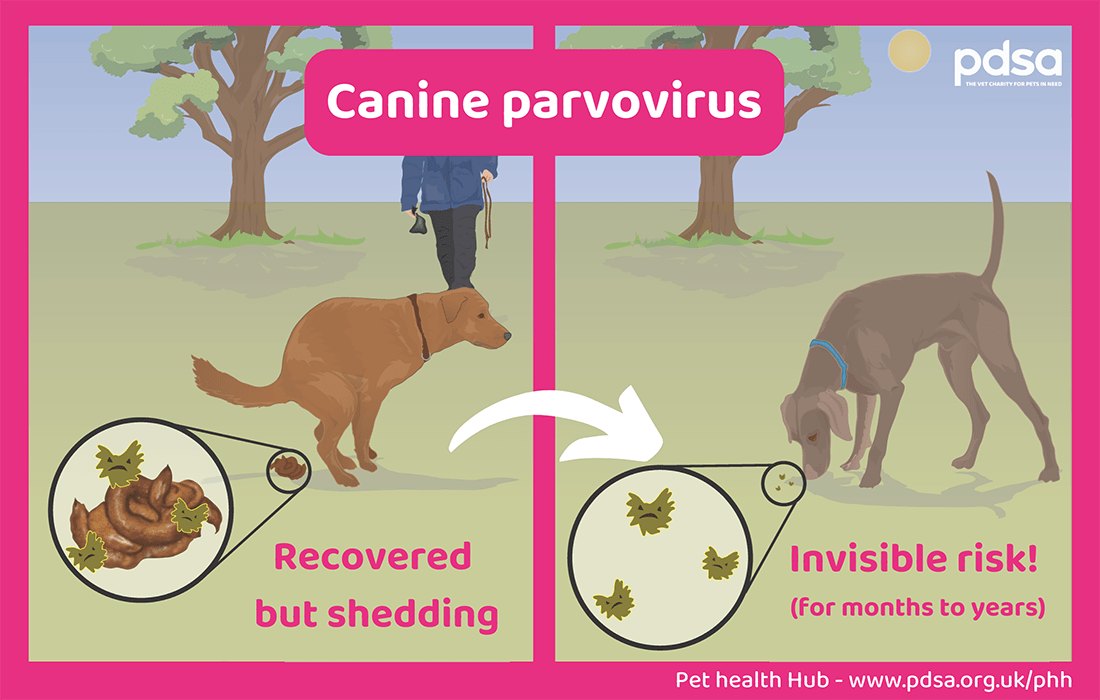
Parvo is highly contagious and spreads through contact with an infected dog or contaminated objects like feces, collars, leashes and bowls. Contact with people who handle infected dogs (including dog breeders and shelter workers) can also transmit the virus.
These six dog breeds have an increased risk of contracting parvovirus:
- American Staffordshire terrier
- Doberman Pinscher
- English Springer Spaniel
- German Shepherd
- Labrador Retriever
- Rottweiler
Current State of Canine Parvovirus
FAQ
How serious is Parvo in dogs?
Parvo in dogs ranges in severity depending on the age and health of the dog contracting the virus. Not all dogs that acquire parvovirus will suffer from long term effects, but permanent damage to the digestive or cardiac system is a possibility.
Can a dog survive Parvo?
Dogs can survive Parvo with immediate and aggressive treatment, according to some research, but the virus can cause severe damage to the intestines, leading to dehydration, electrolyte imbalances, and blood infections. Surviving dogs may still experience long-term effects.
What happens if a dog eats Parvo?
This prevents your dog from absorbing nutrients, resulting in severe weight loss and dehydration. If left untreated, parvo can lead to cell death in the intestines, which can cause permanent damage of the digestive system in some cases.
What happens if parvo is left untreated?
If left untreated, parvo can lead to cell death in the intestines, which can cause permanent damage of the digestive system in some cases. To combat this, make sure to give your dog adequate amounts of water to reduce dehydration and feed high-quality food, which will provide more nutrients than low-quality kibble.
What happens if a puppy dies from Parvo?
Cell death in the intestines and bone marrow of a puppy can lead to slightly stunted growth, though this is difficult to gauge since the final size of the puppy is unknown. Parvo can also cause long term kidney or liver damage and weaken the immune system permanently.
How long can a dog live with Parvo before dying?
The length of time a dog can live with parvo before dying depends on the factors mentioned above. If left untreated, dogs with parvovirus can die within 48 to 72 hours after the onset of symptoms. With treatment, dogs can recover, but the recovery period can be lengthy, often requiring several days to a week of intensive care.
Can a dog live a normal life after parvo?
Yes, a dog can live a normal life after recovering from parvovirus (parvo). Many dogs that survive parvo return to their usual activities and have no long-term health issues. However, recovery can vary depending on the severity of the infection, the dog’s overall health, and the timeliness of treatment.
Are there any long-term effects of parvo?
What are the long-term effects of parvo in dogs? There are no long-term effects of parvo in dogs that have recovered from the virus.Apr 25, 2024
How does parvo affect older dogs?
If an older dog does get parvo, it’s often a mild case because your older dog has built up a stronger immune system. The parvovirus is everywhere, so over time, your dog will build natural immunity to the virus (whether he’s vaccinated or not) by being exposed to it.
How does parvo affect dogs’ timeline?
After exposure, canine parvovirus undergoes an incubation period lasting between three and seven days. During this time, the virus multiplies within the body, spreading through the bloodstream.