
It’s quite common for young dogs to have diarrhoea, but if your puppy is affected by it then it’s natural to worry about them and wonder what could have caused it. Puppies can get an upset tummy for many reasons, which makes it difficult to know when to look after them at home and when to contact your vet for advice. Find out everything you need to know about puppy diarrhoea and how to care for your dog when they’re unwell.
Are you constantly checking your puppy’s poop and freaking out over its consistency? Don’t worry – you’re not alone! As a pet parent who’s cleaned up my fair share of puppy messes, I can tell you that runny poop happens to the best of us (or rather, our furry friends).
But how do you know when it’s just a normal puppy thing versus when you should be rushing to the vet? Let’s dive into the messy world of puppy diarrhea and figure this out together!
Why Do Puppies Get Runny Poop?
Puppies have sensitive little tummies that can easily get upset. There are tons of reasons why your pup might have looser-than-normal stools:
- Dietary changes: Switching foods too quickly is a common culprit
- Stress or anxiety: New home, loud noises, or changes in routine
- Food sensitivities: Some pups just can’t handle certain ingredients
- Eating stuff they shouldn’t: Let’s face it, puppies put EVERYTHING in their mouths!
- Bacterial infections: Nasty bugs like E. coli, Salmonella, or Clostridium
- Viral infections: Parvovirus, distemper, coronavirus, or adenovirus
- Internal parasites: Those pesky worms and other microscopic critters
- Food allergies: Yes, dogs can develop allergies too!
Normal vs. Concerning: When Should You Worry?
It’s totally normal for puppies to have the occasional soft poop Their digestive systems are still developing, and they’re constantly exploring the world with their mouths (ew, but true!)
But here’s when you should start getting concerned
Duration
If the runny poop lasts more than 24-48 hours, it’s time to take notice. Persistent diarrhea can lead to dehydration pretty quickly, especially in little puppies.
Frequency
One runny poop? Probably fine. Multiple episodes in a single day or recurring episodes throughout the week? That’s worth a vet visit.
Appearance Matters
Pay attention to what that poop looks like (I know, gross, but important!):
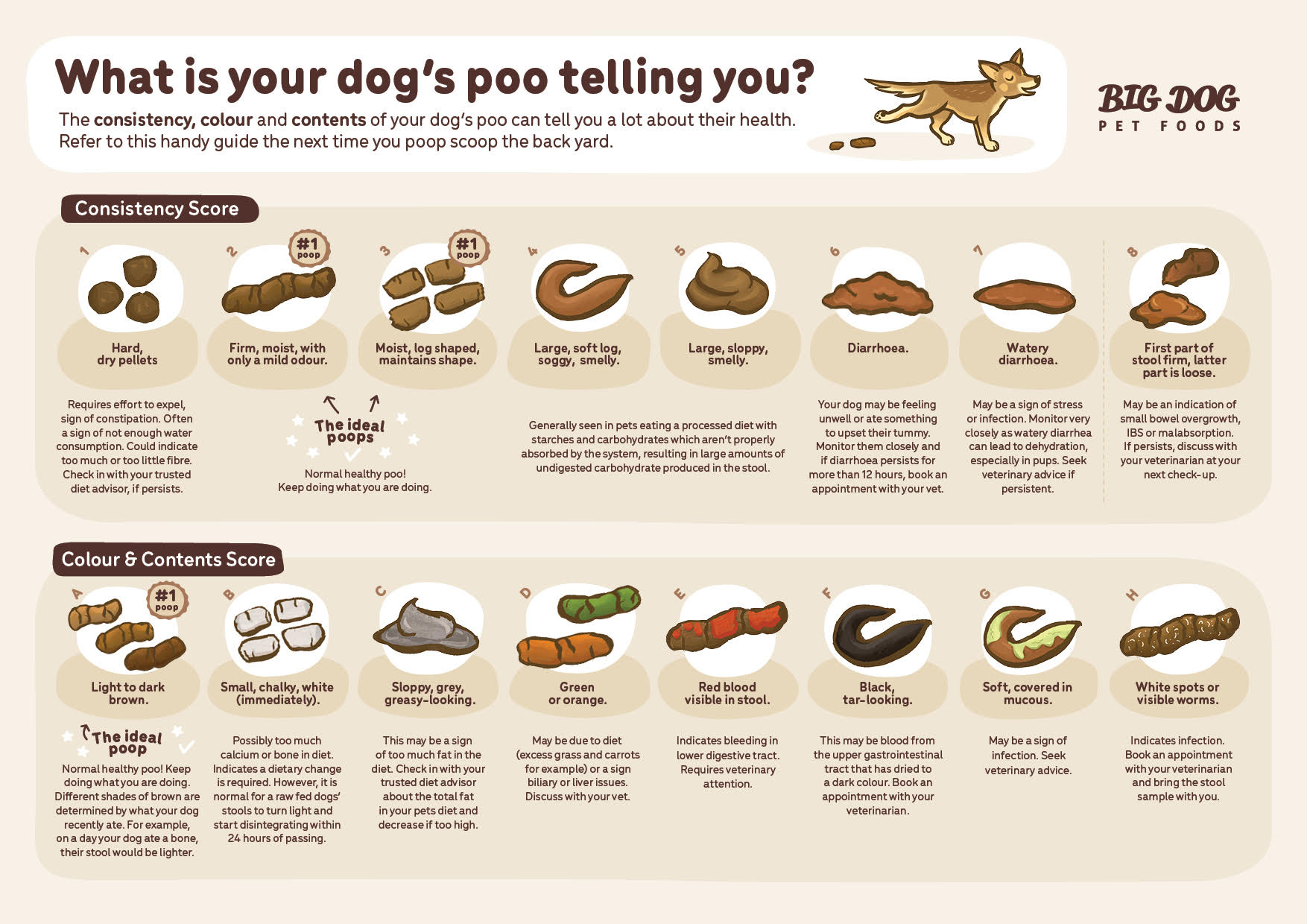
- Blood in the stool: Bright red blood or black/tarry stools are never normal
- Mucus: Could indicate inflammation in the intestines
- Yellow, green, or pale stools: Might signal liver or gallbladder issues
- Liquid consistency: True liquid diarrhea is more concerning than just soft stool
Other Warning Signs
If your puppy’s runny poop comes with any of these symptoms, don’t wait – call your vet ASAP:
- Vomiting (especially more than once)
- Lethargy or weakness
- Not eating or drinking
- Collapse
- Coughing, sneezing, or eye/nasal discharge
- Tremors or seizures
- Signs of pain or discomfort
Common Causes of Puppy Diarrhea
Parasites (The Uninvited Guests)
Worms and other microscopic parasites are super common in puppies. Roundworms, hookworms, whipworms, tapeworms, Giardia, and Coccidia can all cause diarrhea.
What’s tricky is that you won’t always see these parasites in your pup’s poop – many are microscopic and need special testing to diagnose. That’s why regular deworming and fecal checks are so important!
Viral Infections (The Scary Ones)
Puppies need multiple vaccine boosters for a reason – viruses like parvovirus can be deadly! Unvaccinated puppies are especially vulnerable to these nasty bugs:
- Parvovirus: Causes severe diarrhea (often bloody), vomiting, and lethargy
- Distemper: Starts with respiratory and digestive issues before affecting the nervous system
- Coronavirus: Causes acute gastrointestinal symptoms
- Adenovirus: Can cause respiratory signs and severe GI issues
Bacterial Overgrowth
Puppies don’t have fully developed immune systems yet, which makes them more susceptible to bacterial infections like E. coli, Salmonella, or Clostridium. These can cause serious diarrhea and require veterinary treatment.
Dietary Indiscretion (AKA Eating Weird Stuff)
Let’s be real – puppies will eat anything from tissues to socks to whatever they find on your walk. Their curious nature often leads to dietary indiscretion, which can definitely cause tummy troubles.
What To Do When Your Puppy Has Diarrhea
If your puppy has mild diarrhea but is otherwise acting normal (eating, drinking, playing), here’s what you can try:
1. Try a Bland Diet
A simple diet of boiled chicken (no skin or spices) and white rice can help settle their tummy. You can also add a bit of plain pumpkin (not the pie filling!) or sweet potato for fiber.
2. Keep Them Hydrated
Diarrhea can cause dehydration quickly. Make sure your pup has constant access to fresh water.
3. Consider Probiotics
Puppy-specific probiotics can help restore healthy gut bacteria. Always check with your vet before starting any supplements.
4. Monitor Closely
Keep track of how often your pup is having diarrhea and what it looks like. This info will be super helpful if you end up needing to see the vet.
When to Call the Vet IMMEDIATELY
Some situations warrant an emergency vet visit – don’t wait if you notice:
- Large amounts of bright red blood or black stool
- Liquid diarrhea (especially in young puppies)
- Multiple episodes of vomiting
- Lethargy or weakness
- Not eating or drinking
- Diarrhea with blood that lasts more than 12 hours in an unvaccinated puppy
Remember: Puppies can dehydrate FAST, and conditions like parvovirus can be life-threatening without prompt treatment.
How Vets Diagnose the Cause
When you take your puppy to the vet for diarrhea, they might perform several tests:
- Fecal analysis: Checking for parasites and their eggs
- Fecal smear: Looking for bacterial overgrowth
- Viral testing: Rapid tests for parvovirus and other viruses
- Bloodwork: Assessing overall health and looking for signs of infection
- Imaging: X-rays or ultrasound if they suspect an obstruction or other serious issues
Preventing Future Tummy Troubles
Nobody wants to deal with puppy diarrhea on the regular. Here are some tips to keep your pup’s digestive system happy:
- Introduce new foods gradually: Take at least a week to transition between foods
- Stick to puppy-appropriate food and treats: Adult dog food might be too rich
- Keep the trash secure: Puppies are notorious garbage raiders!
- Stay up-to-date on vaccinations and deworming: Prevention is way better than treatment
- Supervise outdoor time: This prevents your pup from eating something they shouldn’t
- Reduce stress when possible: Maintain consistent routines and provide a safe space
My Experience with Puppy Diarrhea
When I first brought my Lab puppy home, we had a few midnight “poop emergencies” that had me panicking. After a vet visit, we discovered he had Giardia (a common parasite). With proper treatment and some dietary adjustments, his little tummy was back to normal in about a week.
The lesson? Most puppy diarrhea episodes resolve with proper care, but it’s always better to check with your vet if you’re unsure. They’ve seen it all before – trust me!
Final Thoughts
Is it normal for puppies to have runny poop occasionally? Yes! Their digestive systems are still developing, and the occasional soft stool is usually nothing to worry about.
However, persistent diarrhea, especially when accompanied by other symptoms, deserves attention. When in doubt, call your vet – they’re there to help you navigate the messy parts of puppyhood!
Remember, this too shall pass (pun totally intended), and before you know it, your puppy will have a healthy, well-functioning digestive system. Until then, maybe stock up on some extra paper towels!
Have you dealt with puppy diarrhea before? What worked for your furry friend? Share your experiences in the comments below!
Bacterial and viral infections
A puppy’s immune system is not as strong as an adult’s, which means that they’re more at risk of becoming unwell. Puppies can become infected from eating contaminated food, drinking contaminated water or from other infected dogs, including the environment that they’ve been in and exposure to their poo. Bacterial infections can include Salmonella, Listeria, E. coli or Clostridium. Viral infections can include parvovirus, distemper, infectious viral hepatitis or types of coronaviruses (these are separate from COVID-19). Many of these infections are very serious, can be fatal, and need to be treated by a vet. Viral infections may be a particular problem for puppies that haven’t been vaccinated yet, especially if their mother was not up to date on her vaccinations.
Young puppies can easily suffer from parasites that cause diarrhoea, such as roundworms, hookworms, tapeworms, whipworms, coccidia, and giardia – all of these require veterinary attention. Puppies tend to pick up parasites from their environment, infected poo or they can be passed from mother to puppy in the womb, so keep this in mind when visiting possible breeders that you’re thinking of buying a puppy from. If you’re buying a puppy and think that the environment is not clean, or the mother doesn’t look well then do not buy from this breeder.
If you suspect your puppy has worms, contact your vet for advice.
Find out more about worms.
Can a puppy have diarrhoea after worming?
After being given deworming treatment, some dogs may seem a little tired or may have diarrhoea. This is especially true if your dog has been affected by worms. These effects should only last a few days, but if they do go on for longer, or your puppy is very tired, weak or is not eating or drinking, call your vet for advice.
Treating Puppy Diarrhea at Home (and when to worry)
FAQ
Why is my puppy’s stool runny?
Can overfeeding a puppy cause diarrhea?
Is it normal for puppies to have watery diarrhea but still playful?
A playful puppy with loose poop usually has mild tummy trouble, maybe from a quick food change, sneaking a treat, or stress. Keep an eye on them, offer plenty of water, and feed a bland diet for a day. If diarrhea sticks around, check in with your vet.