
Events have again hurled the Belgian Malinois onto the national stage, with the participation of the Navy SEAL dog, Conan, in the raid that killed ISIS leader Abu Bakr al-Baghdadi in Syria. Favorable publicity for the Malinois is a double-edged sword: It makes people more aware of this still-unusual breed, which has the potential to benefit the Malinois by increasing the number of capable, committed owners. But a “cool dog” surge also attracts buyers who haven’t researched their next pet as much as they would a new dishwasher.
In response to this latest wave of celebrity, worried Malinois fanciers are redoubling their efforts to educate the pet seekers about the nature of the breed, hoping to prevent a new cycle of “Saw it-Loved it-Bought it-Hated it-Dumped it,” a problem that recurs whenever a dog breed becomes newly fashionable. When reality bumps into last year’s fashion, disappointed buyers who cannot manage their cool new toys dump them onto rescues such as the American Belgian Malinois Rescue (ABMR). Surrenders to ABMR have increased steadily since 2011, from around 100 dogs per year to well over 200, according to Marcia Tokson, Rescue Coordinator.
About 90 percent of the surrenders are dogs from lines of Malinois generally produced for protection sports enthusiasts, private protection businesses, narcotics detection, border patrol, and military/police use. Some of these dogs exhibited serious health problems or behavioral issues. Others were working dogs that were unsuitable for the work. But in most cases, the dog either had behavior problems attributable to lack of socialization and training, or simply did not fit into the pet home due to excessive drive and energy levels.
Are you considering adding a Belgian Shepherd to your family? These striking, intelligent dogs have gained popularity in recent years but they’re not your typical family pet. Before you bring one home it’s important to understand what makes these dogs tick and whether they’ll fit into your household dynamic.
As someone who’s spent years working with Belgian Shepherds, I’ve seen firsthand how these dogs can thrive in the right family environment – and struggle in the wrong one. Let’s dive into the honest truth about Belgian Shepherds as family companions.
Understanding the Belgian Shepherd Varieties
First, let’s clarify something important When we talk about Belgian Shepherds, we’re actually referring to four distinct varieties
- Malinois – The short-coated, fawn-colored variety often used in police work
- Groenendael (Belgian Sheepdog) – The long-haired solid black variety
- Tervuren – Similar to the Groenendael but with a fawn to mahogany coat with black overlay
- Laekenois – The rough-coated fawn variety (least common in the US)
While most countries consider these as one breed with four varieties, the American Kennel Club classifies them as separate breeds. Despite this distinction, they share many core traits and temperaments, with some subtle differences between varieties.
The Good: Why Belgian Shepherds Can Make Great Family Dogs
Loyalty and Protective Nature
Belgian Shepherds form incredibly strong bonds with their families. These dogs are known for their loyalty and protective instincts. They’ll naturally watch over your children and property, making them excellent guardians.
As the Belgian Sheepdog Club of America notes, these dogs “possess the highly prized qualities of the best guard dog of property” and are “stubborn and keen protectors of their owners.”
Intelligence and Trainability
One of the most impressive qualities of Belgian Shepherds is their intelligence. These dogs are extremely smart and have an exceptional work ethic. They’re eager to please and typically respond well to consistent training.
This intelligence means they can learn family rules and boundaries quickly, which is essential when integrating any dog into a household with children.
Athletic and Active Companions
If your family loves outdoor activities like hiking, camping, or running, a Belgian Shepherd might be your perfect match. These dogs have seemingly endless energy and athletic abilities that make them ideal companions for active families.
Affectionate with Their People
Despite their working dog demeanor, Belgian Shepherds are actually quite affectionate with their families. The Groenendael (Belgian Sheepdog) is sometimes jokingly called “the Belgian Lapdog” because of their desire to be close to their people – even trying to fit their large frames onto your lap!
The Challenges: Why Belgian Shepherds Might Not Suit Every Family
High Energy Needs
Belgian Shepherds were bred to work all day, and they retain that high energy level today. These are not casual pets who will be content with a quick walk around the block. They need significant daily physical exercise AND mental stimulation.
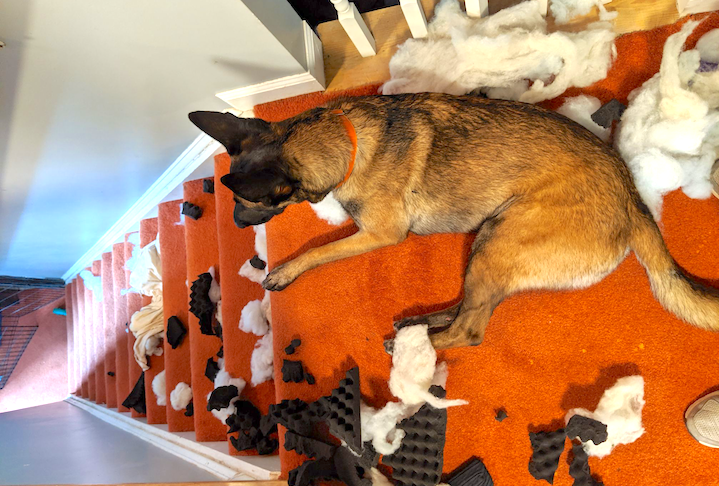
Without proper outlets for their energy, Belgian Shepherds can become destructive, anxious, or develop behavior problems. This is probably the #1 reason these dogs end up in rescue situations.
Not Ideal for Homes Where Everyone Works Long Hours
Belgian Shepherds thrive on human interaction and don’t do well when left alone for extended periods. As one breeder puts it, “If your family is the type where everyone leaves at 7 am sharp and only returns in the evening, you probably won’t be a good fit for a Belgian Shepherd.”
These dogs want to be involved in your daily life. They’re happiest when they can be with their family members throughout the day.
Early Socialization is Critical
Belgian Shepherds require extensive socialization from an early age. Without proper exposure to different people, animals, and environments, they can become fearful, suspicious, or even reactive.
This isn’t a dog you can skip puppy classes with. Their natural protective instincts need to be properly channeled through consistent training and socialization.
Not Typically Dog Park Dogs
While Belgian Shepherds can get along well with dogs they’re raised with, they’re generally not the best candidates for dog parks. Most are more “dog tolerant” than “dog friendly,” and they may not appreciate the unpredictable, sometimes rude behavior of unfamiliar dogs.
They also have fairly high prey drive, which means they may need supervision around small animals.
Grooming Considerations
Depending on which variety you choose, grooming can be a significant commitment. The Groenendael and Tervuren have beautiful long coats that require regular brushing to prevent mats. All varieties shed, with seasonal heavy shedding periods that will require extra attention.
Are Belgian Shepherds Good With Children?
This is one of the most common questions, and the answer is nuanced. Belgian Shepherds can be wonderful with children when:
- They’re properly socialized with kids from an early age
- The children are taught how to respectfully interact with dogs
- Interactions are always supervised, especially with young children
The potential challenges with Belgian Shepherds and children include:
- Their herding instincts may cause them to nip at running children
- Their size and energy can accidentally knock over small children
- They may be protective of “their” children around strangers
With proper training and management, most Belgian Shepherds can learn to be gentle and appropriate with children. However, it’s important to realize that this requires consistent work – these aren’t naturally “nanny dogs.”
Which Belgian Shepherd Variety is Most Family-Friendly?
While all Belgian Shepherd varieties share core traits, there are some subtle differences that might influence which is best for your family:
- Groenendael (Belgian Sheepdog): Often considered the “softest” temperament of the varieties, slightly more laid-back than the Malinois
- Malinois: Typically the highest energy and drive, often requiring the most experienced handler
- Tervuren: Similar to the Groenendael but sometimes with a bit more energy
- Laekenois: Less common and can vary more in temperament
Keep in mind that individual personality varies greatly within each variety, so meeting the specific dog and learning about their temperament is more important than variety alone.
Questions to Ask Yourself Before Getting a Belgian Shepherd
Be honest with yourself about these questions:
- Can someone in your family commit to at least 1-2 hours of active exercise with the dog daily?
- Do you have time for ongoing training throughout the dog’s life?
- Is your home environment calm enough for a sensitive, intelligent dog?
- Are you prepared to manage a dog with protective instincts around visitors?
- Can you commit to consistent training and socialization?
Tips for Success with a Belgian Shepherd in Your Family
If you’ve decided a Belgian Shepherd might be right for your family, here are some tips for success:
- Start training early: Enroll in puppy classes and continue with advanced training
- Provide mental stimulation: Puzzle toys, training games, scent work
- Establish a consistent routine: These dogs thrive on predictability
- Create a job: Give your Belgian Shepherd tasks to do, even if it’s just carrying a backpack on walks
- Socialize thoroughly: Expose them to different people, environments, and situations
- Consider a professional trainer: Even experienced dog owners benefit from training support with these complex dogs
Final Thoughts: The Right Match Matters
Belgian Shepherds can absolutely be wonderful family dogs – for the right families. They aren’t the easy-going, adaptable pet that fits into any lifestyle. They require dedicated owners who understand their needs and are committed to meeting them.
When matched with an active, engaged family who can provide structure, training, and plenty of exercise, a Belgian Shepherd will reward you with unwavering loyalty, protection, and companionship.
I’ve seen these amazing dogs thrive in family environments where they’re treated as valued members of the household and given appropriate outlets for their energy and intelligence. If you can provide that kind of home, a Belgian Shepherd might just be your perfect family guardian.
But if you’re looking for a more laid-back family pet that requires less time commitment, there are many other wonderful breeds that might be a better fit for your lifestyle.
Have you had experience with Belgian Shepherds in a family setting? I’d love to hear your stories in the comments below!

The Many Jobs of the Belgian Malinois
Over time, the Malinois has split into lines generally produced for work and lines generally produced for conformation, with attention to performance abilities. There is some crossover between these two main branches, and within each branch are more branches, right down to the preferences of individual breeders, even for the same sport or type of work. All of these dogs are phenomenally strong for their size, with lightning-fast reflexes and incredible jumping ability. A high level of prey drive is a constant in the breed.
Some lines bred for work favor dogs that are perpetual motion machines. These dogs are active and ready to go, 24/7. This activity level works for the jobs and lifestyles of these dogs, who are more tools than pets, but the energy can be a tough row to hoe for a pet owner.
Other breeders of working Malinois favor dogs with an “off switch,” capable of firing up when needed, but able to settle down at other times. Malinois may be selected for varying levels of sociability and guarding tendency, depending on their purpose. All are bred with intelligence in mind, but some jobs demand more judgment and impulse control than others, and this is evident in the dogs.
Although few people use Malinois in commercial livestock operations, those who depend on the Malinois for farm chores need an all-around dog. The dog must take direction from the shepherd, but solve problems independently when required. The dog must be calm enough to move stock without stressing them, but always be ready to defend his master from rogue animals. Usually, this dog can settle, though his considerable endurance and energy need a regular outlet.
Dogs bred mainly for conformation and/or performance sports, such as obedience and agility, occupy another part of the Malinois character map. Ideally, a show dog will have steady nerves, the judgment not to see ordinary life events as threats requiring a reaction, and will be willing to tolerate less activity than working dogs. These dogs can be successful at any companion sport you can name, from dock diving to dog dancing.
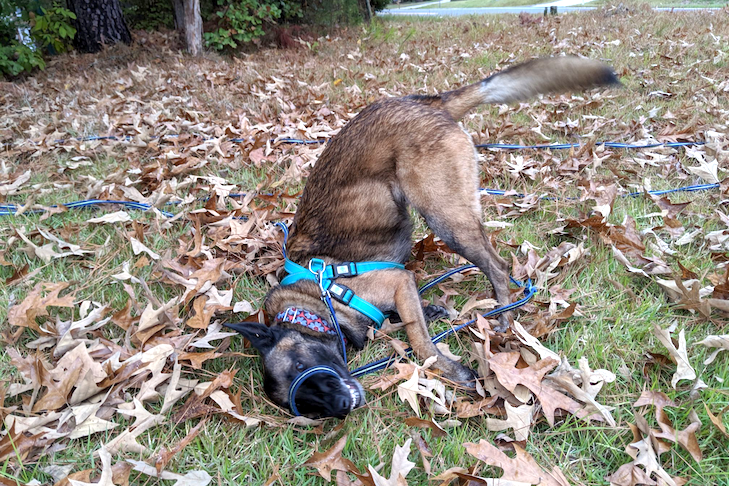
What Do Malinois Owners Say?
Consider these reflections from two experienced Malinois owners:
“My two show Malinois are very easy to live with. One requires a bit more exercise than the average dog but neither has ever been destructive, and they are great house pets. However, my first Malinois was a street dog of unknown origins. She destroyed sofas, mattresses, crates and anything else she deemed a worthy target for her frustrations. It took a long time for me to learn the amount of mental and physical exercise she required to be content. She was the smartest, craziest, most fun dog ever. I learned a lot from her, but she was not easy to live with, and not the type of dog the average dog owner would want to deal with. At this point in my life, there is a good chance that I could not manage a dog with her kind of constant drive.” – L.E.
“My first Malinois was a working dog acquired when he was two years old. He had a calm temperament, but if he wanted something, he would rip apart everything in his path to get to it. This included the car, a crate, and sometimes me. We couldn’t continue on together… but he did teach me how fast Malinois learn. Most of the other Malinois I’ve owned were moderately active and didn’t require over-the-top exercise programs. They were satisfied with one or two training classes per week and yard exercise. But I’ve had several that were a lot more challenging. One came to me at 15 months as a kennel dog. During the long time it took to housebreak her, she escaped from every enclosure I tried. My last foster Malinois regularly scaled a 6-foot fence and ran off – I spent a lot of time looking for him. I’ve had experience with high-drive dogs, but I don’t do as much as I used to, so I know it’s not a good fit anymore.“ – D.L.
Are Belgian Malinois Good Family Pets | Are Belgian Malinois Good Family Dogs? The Truth Revealed!
FAQ
Do Belgian Shepherds still work?
Belgian shepherds worked as messengers and ambulance dogs during WWI and were war dogs during WWII. Belgian shepherds continue to work service jobs. These intelligent and athletic pups still work as search and rescue dogs, as well as police dogs. However, they’re also beloved pets. Belgian shepherds are energetic and loyal dogs.
Do Belgian Shepherds get along with cats?
The dogs are loyal and, at times, still used for protection. Belgian shepherds may be a bit standoffish toward strangers but are not known as an aggressive breed. Belgian shepherds are relatively good with young children and other dogs. The breed may get along with cats, particularly if raised with a feline, but it varies.
Are Belgian Sheepdogs good dogs?
The Belgian Sheepdog is intelligent and mischievous. Historically, they were active military working dogs and were not uncommon to be found on the battlefields during both World Wars. Today, they are still common in search and rescue, as well as high-level dog sports. These dogs like to use their brain—which can be both good and bad!
Where do Belgian shepherds come from?
Belgian Shepherds are from Belgium. They were developed in the late 19th century as versatile herding and working dogs. Belgium’s diverse agricultural landscape, with its need for effective herding dogs, played a significant role in shaping the breed.
Are Belgian Shepherds smart dogs?
Yes, Belgian Shepherds are smart dogs. They have keen problem-solving abilities and a quick learning capacity. This intelligence is one of the reasons why Belgian Shepherds excel in various roles such as herding, police work, search and rescue, obedience, agility, and other dog sports. Are Belgian Shepherds high maintenance?
Are Belgian Shepherds good house dogs?
Belgian Shepherds can be excellent, but challenging, dogs that are intelligent, loyal, and protective, excelling as working companions and family pets for the right owners who can provide extensive training, early socialization, and significant amounts of daily exercise and mental stimulation. They are not suitable for first-time owners, as a lack of engagement can lead to destructive behavior, anxiety, and potential aggression, especially without consistent, firm but kind training from a young age.
Are Belgian Shepherds good with kids?
Belgian Malinois are loving and patient with the children from their own family. They should always be watched around kids, however, because these herding dogs will try to wrangle children who get unruly.
What are the disadvantages of a Belgian shepherd?
- They Demand Commitment. The Belgian Malinois is not your average pet, and adding one to your family is like adding a child. …
- They Need Intense Exercise. …
- Wary of Strangers. …
- Independent and Stubborn. …
- High Prey Drive.