
Do dogs need shoes? We review the benefits of dog shoes, discuss when theyre unnecessary, and offer tips for picking out the perfect pair to fit your pup.
Do dogs need shoes? The question may sound silly, but as it turns out, the answer is both yes and no. In some situations, shoes can be beneficial for dogs, while in others theyre unnecessary or even harmful. Keep reading to discover when and why dogs need shoes, and when its best to avoid them altogether.
Have you ever watched your furry friend do that hilarious high-stepping dance when you put boots on them? While those awkward first steps in doggy footwear might make for viral videos, they also raise an important question: are dog boots actually bad for our four-legged companions?
As a long-time dog owner who’s tried practically every paw protection option on the market, I wanted to share what I’ve learned about the pros and cons of dog boots. The truth might surprise you!
The 7 Uncomfortable Truths About Dog Boots
Before you invest in those cute little booties here’s what your dog would probably tell you if they could talk
-
Dog boots feel completely unnatural – Your dog’s toes contain numerous proprioceptive receptors that send information to the brain about body position. Covering these receptors with boots alters this information, which explains that weird walking!
-
Boots interfere with natural gripping – Dogs naturally use their toenails like built-in cleats to grip surfaces Boots completely block this innate traction mechanism,
-
Paws get hot and sweaty inside boots – Did you know dogs actually sweat through their paws? Boots prevent this natural cooling system from working properly.
-
Many dogs will chew at boots – This isn’t just bad behavior! Boots cover sensitive tissue in the paws and toes, causing discomfort that makes dogs want to remove them.
-
Boots often twist, bunch up, and fall down – Just like when your sock slides down in your shoe, this can be incredibly annoying for your pup.
-
Putting boots on and taking them off is a hassle – Both for you and especially for your dog who doesn’t understand why you’re messing with their feet so much.
-
Dogs’ paws function differently than human feet – What works for us doesn’t necessarily work for them!
When Dog Boots ARE Appropriate
Despite these drawbacks, dog boots aren’t all bad! They do serve important purposes in specific situations:
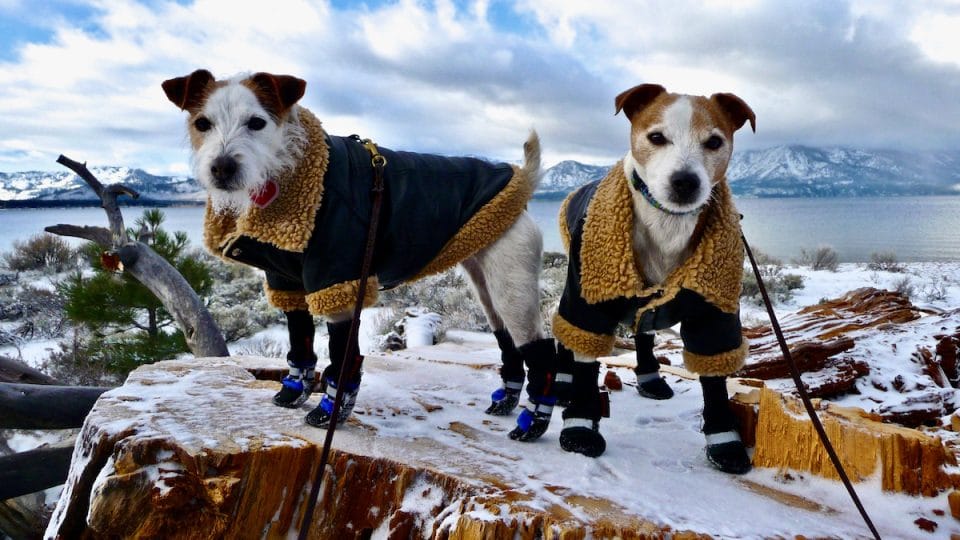
- Extreme weather protection – Protecting paws from hot pavement, ice, snow, and road salt
- Wound protection – Keeping bandages clean and preventing licking of injuries
- Allergies or irritants – Shielding paws from allergens or chemicals on the ground
- Medical needs – Supporting certain mobility issues under veterinary guidance
As Dr. Julie Buzby, an integrative veterinarian with over 20 years experience notes, “Don’t get me wrong, dog boots or socks do have their place in helping our canine companions—namely in protecting a dog’s paws.”
The Traction Problem: Why Boots May Make Things Worse
One of the biggest misconceptions is that boots help dogs who slip on hardwood or tile floors. Ironically, they often make the problem worse!
For dogs who slip on smooth surfaces, boots actually prevent them from using their natural gripping mechanism – their toenails. This is especially problematic for:
- Senior dogs with mobility issues
- Dogs with arthritis or joint problems
- Dogs recovering from injuries
- Breeds prone to hip dysplasia
Better Alternatives to Dog Boots for Traction
If your dog is slipping on slick surfaces, consider these alternatives that work WITH your dog’s natural biomechanics:
ToeGrips® Dog Nail Grips
These innovative little rubber rings fit directly onto your dog’s toenails, not covering the entire paw. The benefits include:
- Allow paws to remain uncovered and comfortable
- Enable natural gripping mechanics
- Dogs typically tolerate them well since they don’t touch sensitive tissue
- Provide traction on hard surfaces like “tiny cleats”
- Can be worn indoors and outdoors
- Last 1-3 months before needing replacement
Other Traction Solutions
- Runner rugs or yoga mats – Strategic placement of non-slip surfaces in your home
- Paw wax – Temporary increase in grip without full coverage
- Nail maintenance – Regular trimming prevents slipping from overgrown nails
- Floor treatments – Non-slip coatings for hardwood floors
How to Tell If Boots Are Bothering Your Dog
Not sure if your dog’s boots are causing problems? Watch for these signs:
- Excessive licking or chewing at the boots
- Refusing to walk or moving awkwardly beyond initial adjustment
- Trying to shake the boots off
- Signs of stress like panting or whining when boots are on
- Redness or irritation on paws after boot removal
If You Must Use Boots: Tips for Success
Sometimes boots really are necessary. Here’s how to make the experience better:
- Proper sizing is crucial – Measure carefully according to manufacturer instructions
- Gradual introduction – Short sessions with lots of treats and praise
- Quality matters – Invest in well-designed boots with appropriate materials
- Check frequently – Remove to inspect for rubbing or discomfort
- Consider alternatives – Use only when truly needed
The Bottom Line: What’s Best for Your Dog?
Every dog is different! While boots can be helpful in certain situations, they’re not always the best solution – especially for traction problems. As with most things in dog care, it’s about finding the right tool for the specific need.
My own dog, Max, absolutely hated boots and would freeze in place whenever I put them on. When I switched to ToeGrips for his senior years, the difference was night and day! He could navigate our hardwood floors without slipping and didn’t even seem to notice he was wearing anything.
Quick Reference Guide: Boots vs. Alternatives
| Situation | Are Boots Good? | Better Alternative |
|---|---|---|
| Hot pavement | YES | N/A – Boots work well here |
| Snow/ice protection | YES | Paw wax for mild conditions |
| Indoor slipping | NO | ToeGrips or runner rugs |
| Paw injury | MAYBE | Ask your vet about specialized options |
| Everyday use | NO | Natural is best when possible |
Final Thoughts
While those adorable puppy boots might make for cute photos, they’re not always in your dog’s best interest. By understanding when boots help and when they hinder, you can make better choices for your furry friend’s comfort and mobility.
Remember – dogs have evolved over thousands of years to use their paws efficiently. Before covering them up, ask yourself if there’s a solution that works with their natural design instead of against it.
Have you tried boots with your dog? What was your experience? I’d love to hear your thoughts in the comments!
Disclaimer: While I’ve researched this topic thoroughly and consulted veterinary sources, always check with your own veterinarian before making decisions about your dog’s paw care, especially if they have existing mobility or health issues.
Protection Against the Elements
If you live in an area with hot summers or cold winters, then your dog may be more comfortable wearing shoes. Insulated shoes or booties can keep your dogs paws warm in the winter and protect against weather conditions like rain, snow, and ice. They can also prevent exposure to such as road salt and antifreeze.
In summer, shoes can help keep your dogs paws cool and prevent them from getting burned on pavement, sand, or other hot surfaces. These types of shoes are made from lightweight, breathable, and durable materials that provide protection and allow your dogs paws to breathe.
Shoes can help caused by sharp rocks, thorns, and other hazards in the environment. They can also provide extra protection against burns, cuts, and other injuries. This makes them a good option for dogs that spend a lot of time outdoors.
If you often go hiking with your dog, consider investing in a pair of high-quality shoes or boots. This will help keep your dogs paws safe from injuries and will also prevent them from getting muddy or wet.

If Your Dog Has Trouble Adapting to Shoes
Dogs can be picky when it comes to shoes and other accessories, so make sure you give your pup plenty of opportunities to get used to them before they start wearing them regularly. In some cases, dogs will have trouble adapting to shoes and may try to remove them or chew on them. If this is the case, its best to avoid using shoes until your dog is comfortable with them.
Everything You Need to Know About Dog Boots | Best Boots for Dogs
FAQ
Do vets recommend dog boots?
Yes, veterinarians often recommend dog boots in situations where they protect a dog’s paws from environmental hazards like extreme heat or cold, salt, and chemicals, or from injuries such as cuts and abrasions on rough terrain. Boots can also provide support and cushioning for dogs with injuries, medical conditions, or mobility issues, but proper fit and gradual introduction are crucial for acceptance and comfort.
Can you leave dog boots on all day?
We recommend wearing the boots not more than 4 hours at a time. We do not recommend wearing them all day.
What can I use instead of dog booties?
What is the point of dog boots?
The primary purpose of dog boots is to protect the dog’s paw pads from sharp objects, hot pavement, and cold weather, making winter paw care a breeze for pet …Sep 6, 2023