
Are you considering getting a German Shepherd as your first pet? If so, you’ve made an excellent choice. This breed is known for its loyalty, intelligence, and strength. But before taking the plunge into puppy parenthood, knowing what to expect from this popular breed is essential.
From their temperament to their health needs and challenges, here is what you need to know about owning a German Shepherd as your first pet.
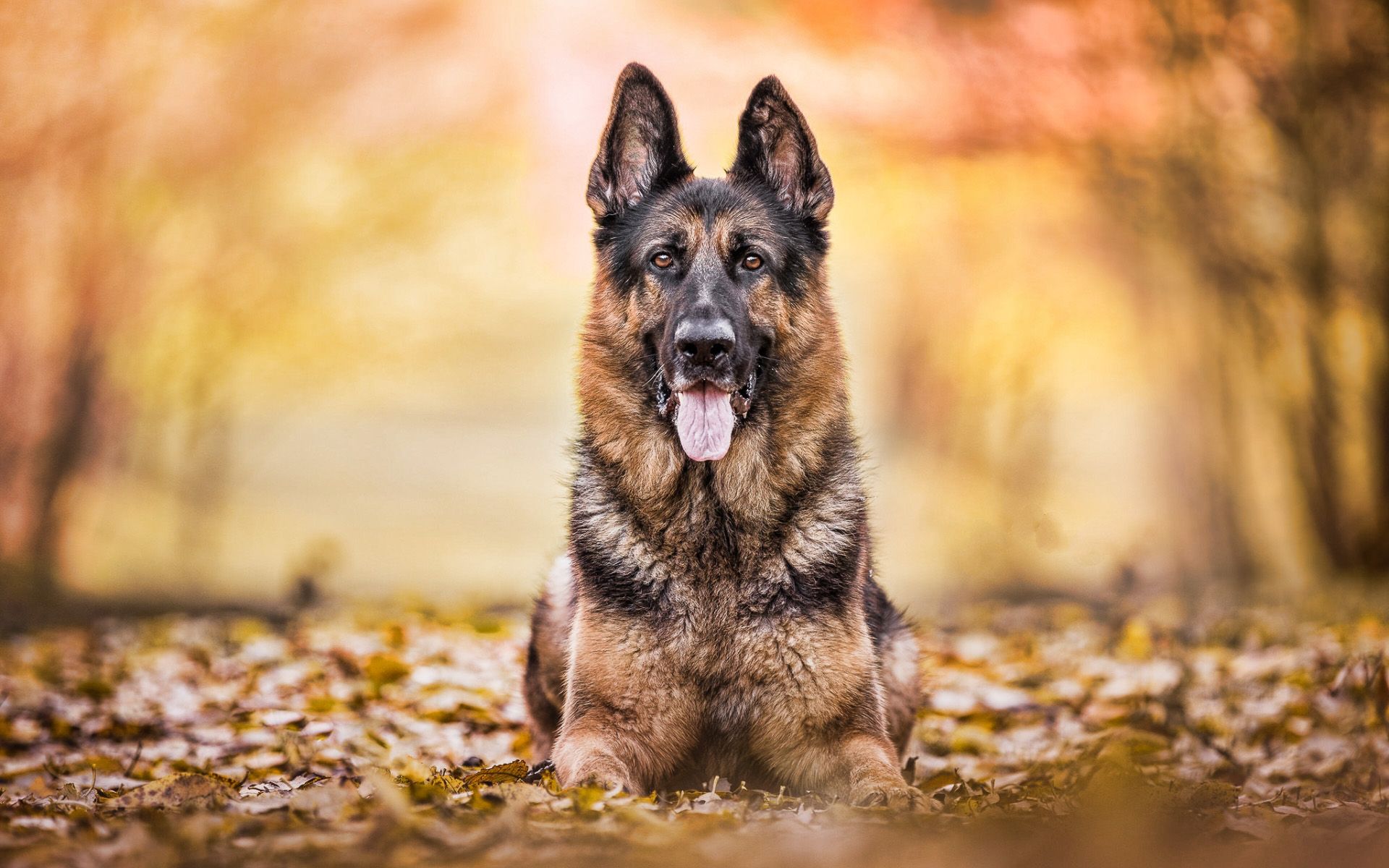
The German Shepherd is one of the most popular dog breeds in the world, renowned for its intelligence, loyalty, and bravery. It is a medium to large-sized breed that typically has a double coat of medium to long-length fur.
This breed was initially used as a working dog in herding and farm duties such as guarding sheep or cattle but is now a versatile breed that can excel in roles such as tracking, search and rescue, obedience, and agility.
The German Shepherd is an intelligent, active dog that needs plenty of attention and regular exercise. They thrive on human companionship and do their best when included in family activities.
These dogs are protective and loyal, making excellent family pets as long as their needs are met. Proper training and socialization from a young age are critical to these intelligent dogs; they can become anxious, destructive, or even aggressive without it.
The German Shepherd is generally a healthy breed but is prone to health concerns, such as hip dysplasia and bloat. Regular veterinary check-ups and preventive measures like vaccinations can help keep your dog happy and healthy for years.
German Shepherd can be a good choice for a first time owner, only if you have enough time and basic knowledge about this breed and their needs. This breed can be a good choice if you have the energy, willingness, and dedication to providing a German Shepherd with an active lifestyle, consistent training, and regular attention.
Like all other dogs, it is essential to remember that each dog will display unique characteristics and behaviors. So it’s important to research and find out if the German Shepherd is a good fit for you.
But, as a person who has no clue what it is like to have a German Shepherd, youll need some guidance to show you all the advantages and disadvantages of the German Shepherd and how life with this breed of dog generally looks.
This is why we created this ultimate article and shared what life looks like when youre a German Shepherd owner!
So you’re thinking about getting a German Shepherd as your first dog? That’s a big decision! German Shepherds are amazing companions, but they come with specific needs and challenges that might surprise first-time dog owners.
I’ve been researching this topic extensively, and I’m excited to share what I’ve learned about whether German Shepherds make good first dogs. By the end of this article, you’ll have a clear picture of what to expect if you bring one of these intelligent pups into your home.
The Short Answer
German Shepherds can be good first dogs for the right owner. They’re incredibly smart loyal, and trainable – but they also require significant commitment in terms of time energy, and resources.
Let’s dive into the details so you can decide if a German Shepherd is the right match for your lifestyle.
15 Essential Tips for First-Time German Shepherd Owners
#1: Understand German Shepherd Personality Traits
German Shepherds are known for being:
- Highly intelligent and trainable
- Loyal and protective
- Courageous and confident
- Social with family but sometimes aloof with strangers
- Working dogs with a strong desire for purpose
They can be absolute goofballs with their family but will quickly switch to protection mode if they sense a threat. This versatility makes them incredible companions, but it requires proper training and socialization.
#2: Be Prepared for the Financial Commitment
Owning a German Shepherd isn’t cheap! Here’s a breakdown of some costs you should expect:
| Expense Category | Estimated Cost |
|---|---|
| Initial purchase/adoption | $500-$2,000+ |
| Collar and leash | $35 |
| Crate | $60 |
| Training classes | $110+ |
| Food, supplements, treats | $35+ monthly |
| Vet visits, shots | $75-85 |
| Spay/neuter | $285-425 |
According to ASPCA, the yearly cost of owning a medium-sized dog like a German Shepherd averages around $669, or about $56 per month. The lifetime cost can easily exceed $14,000!
#3: Match Your Lifestyle to Their Needs
Before getting a German Shepherd, honestly assess your:
- Daily schedule and time availability
- Energy level and activity preferences
- Housing situation (apartment vs. house with yard)
- Family dynamics (kids, other pets)
German Shepherds thrive when their lifestyle matches their owners’. They need plenty of physical and mental stimulation – without it, they’ll find destructive ways to burn energy.
#4: Commit for the Long Haul
When you bring a German Shepherd home, you’re making a 10-12 year commitment. These dogs depend on you for everything – food, shelter, healthcare, training, and love.
Ask yourself: Can you see yourself rearranging social plans to care for your dog? Are you willing to make sacrifices for their wellbeing? If not, a German Shepherd might not be the right choice for your first dog.
#5: Prepare for Challenging First Months
The first 3 months with a German Shepherd puppy are TOUGH! It’s similar to bringing home a baby – you’ll be:
- Supervising constantly
- Cleaning up accidents
- Dealing with crying at night
- Teaching basic manners
- Helping them adjust to their new environment
This intense period can be overwhelming for first-time dog owners, but the bond you’ll develop makes it worthwhile.
#6: Understand Their Size and Strength
Adult German Shepherds are large, powerful dogs:
- Males: 65-90 pounds (29-41 kg)
- Females: 50-70 pounds (23-32 kg)
Without proper training, a dog this size can accidentally knock over children or elderly family members. Training needs to start early to prevent jumping and other problematic behaviors.
#7: Match Their Energy Level
German Shepherds have TONS of energy! An adult needs at least 2 hours of physical activity daily, plus mental stimulation.
For many first-time owners, this is a huge adjustment. A quick walk around the block isn’t enough – these dogs need serious exercise. Are you ready to commit to daily walks, play sessions, and training?
#8: Consider Fostering First
Not sure if you’re ready for full-time German Shepherd ownership? Try fostering! Contact local rescues to see if you can temporarily foster a German Shepherd.
Fostering gives you real experience with the breed without the lifetime commitment. It’s a great way to test whether your lifestyle is compatible with these high-energy dogs.
#9: Think About Your Future Plans
Remember that German Shepherds live 10-12+ years. Consider your future plans:
- Will you be moving?
- Planning to start a family?
- Changing careers?
- Traveling frequently?
Many landlords and apartment complexes restrict German Shepherds, which can make housing difficult. Make sure your long-term plans accommodate a large, active dog.
#10: Be Ready for Serious Shedding
They don’t call them “German Shedders” for nothing! These dogs have double coats and shed CONSTANTLY, with heavy “blowing” of their coats during spring and fall.
If you’re a neat freak or have allergies, this might be a dealbreaker. You’ll need a good vacuum cleaner and regular grooming sessions to manage the fur situation.
#11: Keep Them as Indoor Dogs
German Shepherds are family dogs that need to live inside with their people. Keeping them outdoors leads to:
- Exposure to extreme weather
- Lack of mental stimulation
- Potential behavior problems
- Excessive barking
- Reduced bonding with family
These social animals crave human interaction and can develop behavioral issues if isolated outside.
#12: Commit to Continuous Training
Training isn’t a one-time thing with German Shepherds – it’s an ongoing process. These intelligent dogs need regular mental challenges throughout their lives.
At minimum, your German Shepherd should learn:
- Basic obedience commands
- Proper leash manners
- Appropriate social behavior
- Crate training
- Recall (coming when called)
Many first-time owners underestimate how much training is needed, which can lead to behavior problems down the road.
#13: Give Your German Shepherd a “Job”
German Shepherds were bred as working dogs, and they’re happiest when they have a purpose. Without one, they get bored and destructive.
Your German Shepherd’s “job” could be:
- Learning advanced tricks
- Participating in dog sports
- Helping with household chores
- Practicing scent work
- Regular training challenges
These smart dogs can learn amazing skills – I’ve seen German Shepherds that help load dishwashers, clean up toys, and even assist with laundry!
#14: Be Aware of Health Issues
German Shepherds are prone to several health conditions, including:
- Hip and elbow dysplasia
- Degenerative myelopathy
- Epilepsy
- Eye diseases
- Bloat
Purchasing from a reputable breeder who tests for genetic conditions can reduce these risks, but you should be prepared for potential health challenges throughout your dog’s life.
#15: Prioritize Socialization
Proper socialization is CRITICAL for German Shepherds. Without it, they can develop fear, anxiety, or aggression toward unfamiliar people, animals, or situations.
Socialization should begin early and continue throughout your dog’s life. Expose your German Shepherd to different:
- People (of various ages, appearances, etc.)
- Animals
- Environments
- Sounds
- Situations
A well-socialized German Shepherd will be confident and well-adjusted in diverse settings.
Growing Trends in German Shepherd Ownership
Interestingly, there’s been an increasing trend of first-time dog owners choosing German Shepherds. Many are drawn to their intelligence, loyalty, and protective nature.
We’re also seeing more German Shepherds in:
- Therapy work
- Shelter adoptions
- Competitive dog sports
- Service dog roles
These trends reflect the versatility and capabilities of this remarkable breed.
My Final Thoughts: Is a German Shepherd Right for You?
As someone who’s researched this topic extensively, I believe German Shepherds can make wonderful first dogs – but ONLY for the right owners.
You might be ready for a German Shepherd if:
- You have plenty of time for training and exercise
- You’re financially prepared for their needs
- You have appropriate space for a large, active dog
- You’re committed to ongoing training and socialization
- You don’t mind dog hair… everywhere!
However, a German Shepherd might NOT be right for you if:
- You work long hours and can’t provide adequate attention
- You have limited physical energy or mobility
- You live in a small apartment with no yard access
- You’re not willing to invest in training
- You want a low-maintenance pet
Be honest with yourself about your lifestyle and expectations. It’s better to wait until you’re fully prepared than to bring home a dog you can’t properly care for.
German Shepherds are amazing companions who will give you unwavering loyalty and love – but they need the right environment to thrive. If you can provide what they need, you’ll have one of the most rewarding canine relationships possible!
Jump on people or furniture
Jumping up is common in young dogs but can become annoying if not addressed properly. By providing your German Shepherd with regular exercise, they can burn off their excess energy appropriately.
Also, teaching the “sit” command can help prevent them from jumping on people or furniture.
Your cart is empty
Log in to check out faster.
- Home page
- Women
- Men
- Unisex
- Kids
- Hats
- Books
- Blog
- Pages
Search
Are you considering getting a German Shepherd as your first pet? If so, you’ve made an excellent choice. This breed is known for its loyalty, intelligence, and strength. But before taking the plunge into puppy parenthood, knowing what to expect from this popular breed is essential.
From their temperament to their health needs and challenges, here is what you need to know about owning a German Shepherd as your first pet.
The German Shepherd is one of the most popular dog breeds in the world, renowned for its intelligence, loyalty, and bravery. It is a medium to large-sized breed that typically has a double coat of medium to long-length fur.
This breed was initially used as a working dog in herding and farm duties such as guarding sheep or cattle but is now a versatile breed that can excel in roles such as tracking, search and rescue, obedience, and agility.
The German Shepherd is an intelligent, active dog that needs plenty of attention and regular exercise. They thrive on human companionship and do their best when included in family activities.
These dogs are protective and loyal, making excellent family pets as long as their needs are met. Proper training and socialization from a young age are critical to these intelligent dogs; they can become anxious, destructive, or even aggressive without it.
The German Shepherd is generally a healthy breed but is prone to health concerns, such as hip dysplasia and bloat. Regular veterinary check-ups and preventive measures like vaccinations can help keep your dog happy and healthy for years.
So, is a German Shepherd an excellent dog breed for a first time owner?
German Shepherd can be a good choice for a first time owner, only if you have enough time and basic knowledge about this breed and their needs. This breed can be a good choice if you have the energy, willingness, and dedication to providing a German Shepherd with an active lifestyle, consistent training, and regular attention.
Like all other dogs, it is essential to remember that each dog will display unique characteristics and behaviors. So it’s important to research and find out if the German Shepherd is a good fit for you.

But, as a person who has no clue what it is like to have a German Shepherd, youll need some guidance to show you all the advantages and disadvantages of the German Shepherd and how life with this breed of dog generally looks.
This is why we created this ultimate article and shared what life looks like when youre a German Shepherd owner!
Are German Shepherds Good For First Time Dog Owners?
FAQ
What’s the downside of German Shepherds?
| Pros | Cons |
|---|---|
| Highly intelligent and trainable | Needs lots of exercise, training, and socialisation |
| Good guard dogs | Prone to joint issues |
| Extremely loyal | Potential anxiety or aggression |
| Good with children and other pets | Heavy shedding |
What is the best first dog to get?
Good breeds for first-time owners often include the Golden Retriever, Labrador Retriever, Poodle, and Cavalier King Charles Spaniel, known for being intelligent, trainable, and eager to please. Other excellent choices are the friendly **Bichon Frisé, the adaptable Papillon, the compact Boston Terrier, and the charming Pug, which are generally good-natured and less demanding. When choosing, also consider mixed-breed dogs from a shelter and ensure the dog’s exercise needs and temperament align with your lifestyle.
Can German Shepherds be left alone for 8 hours?
What age is too late to train a German Shepherd?
Our 5 yo male started at 6 months. And the training never stops. As long as your dog has the drive to learn it’s almost never too late.