
As a longtime dog lover who grew up in a family of vet enthusiasts, I’ve seen my fair share of Scottish Terriers strutting around with their distinctive beards and confident attitudes. If you’re wondering whether these compact, dignified pups would make good family companions, you’ve come to the right place! Let’s dive into everything you need to know about Scotties as family pets.
The Scottish Terrier Personality: What Makes Them Unique
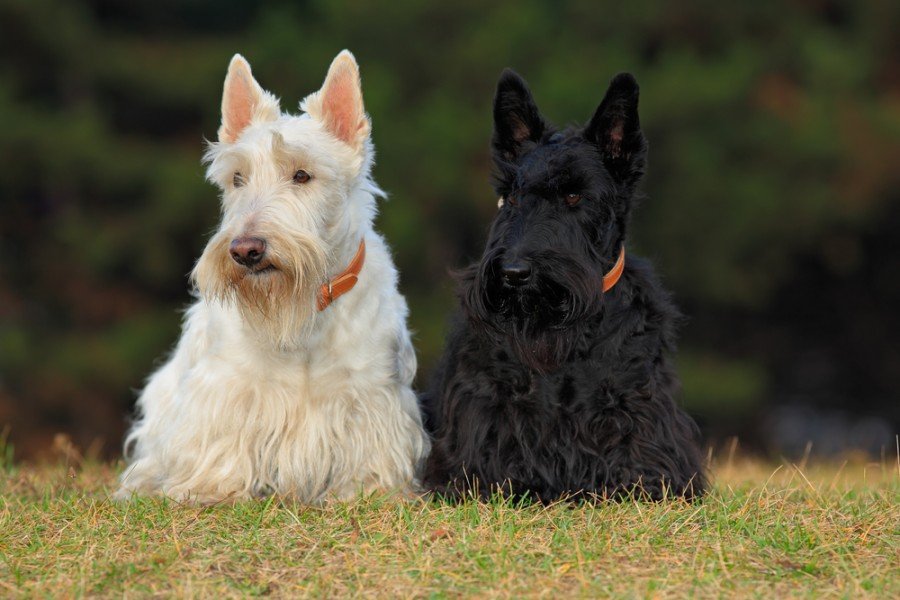
Scottish Terriers (affectionately known as “Scotties”) are small but mighty dogs with personalities much bigger than their physical size suggests. These dogs were originally bred for hunting small game in the Scottish Highlands which has given them some distinctive traits
- Independent thinkers – They have minds of their own!
- Confident and dignified – They carry themselves with an air of importance
- Loyal to family members – They form strong bonds with their people
- Naturally alert – They make excellent watchdogs
- Stubborn but intelligent – They know what they want!
Are Scottish Terriers Good Family Dogs?
The short answer is Yes, but with some considerations. Scottish Terriers can make wonderful family companions for the right household.
They’re loyal, loving dogs with a dash of mischief that makes them entertaining companions. They’re quick learners but can be stubborn, making training a bit challenging. Their unique temperament differs from many other breeds, and they’re not universally suitable for every family situation.
Scotties can be excellent family dogs if:
- You want a loyal, devoted companion
- You appreciate a dog with character and independence
- Someone is home most of the time
- You can provide consistent training
- You want a smaller dog that still has plenty of personality
However they might not be ideal if
- You have very young children who haven’t learned how to respect a dog’s space
- You’re a first-time dog owner without experience handling independent breeds
- You’re away from home for long periods
- You want an extremely obedient, eager-to-please dog
Scottish Terriers and Children
Are Scottish Terriers Good With Babies?
With proper introduction and socialization, Scottish Terriers can do fine with babies. They might initially be suspicious of these small, noisy humans, but with patience and positive associations, most Scotties will accept babies as part of their family pack.
However, I always recommend close supervision with any dog around infants, regardless of breed. Even the gentlest dog can accidentally bump or scratch a baby.
What About Older Children?
Scottish Terriers can form wonderful bonds with older children who understand how to interact respectfully with dogs. Kids who know not to pull ears, tails, or fur, and who respect a dog’s need for space sometimes, will likely get along well with a Scottie.
That said, Scotties aren’t always naturally tolerant of rough handling or teasing. They have dignity, after all! Some may become grumpy if pestered constantly. This is why early socialization and teaching both the dog AND the children how to interact appropriately is so important.
Living Arrangements: Where Do Scotties Thrive?
Are Scottish Terriers Good Apartment Dogs?
Yes! Scotties can make excellent apartment dogs. Their small size (typically 18-22 pounds) means they don’t need tons of space, and they don’t require as much exercise as some larger, more energetic breeds.
However, they do need daily walks and mental stimulation to prevent boredom and potential destructive behaviors. A bored Scottie can become a mischievous Scottie!
Do They Need a Yard?
While Scottish Terriers enjoy having outdoor space to explore, they don’t necessarily need a large yard. They can adapt well to apartment living as long as they get regular walks and playtime.
If you do have a yard, it should be securely fenced. Scotties have strong prey drives and might chase after squirrels, birds, or other small animals they spot.
Scottish Terriers and Other Pets
Are Scottish Terriers Good With Cats?
This is where things get tricky. Some Scottish Terriers can live peacefully with cats, especially if they’re raised together from a young age. Others, however, may view cats as prey animals to be chased.
It really depends on the individual dog’s personality and prey drive. Early socialization with cats can help, but some Scotties may never be 100% trustworthy around feline friends.
What About Other Dogs?
Scotties can be somewhat territorial and may not always play well with other dogs, particularly of the same sex. They were bred to work independently rather than in packs, which can make them less naturally sociable with other canines.
That said, many Scotties do fine with other dogs when properly socialized from puppyhood. Introducing a Scottie to a home with existing dogs should be done carefully and gradually.
The Care Factor: Maintenance and Exercise
Do Scottish Terriers Need a Lot of Exercise?
Scotties have moderate exercise needs. They’re not couch potatoes, but they’re also not high-energy dogs that need hours of vigorous activity.
A couple of 20-30 minute walks daily, plus some playtime, is usually sufficient to keep a Scottish Terrier happy and healthy. They do enjoy having a job to do, so activities like digging in a designated sandbox or playing with puzzle toys can help satisfy their natural instincts.
What About Grooming?
Here’s where owning a Scottie gets a bit more demanding. Their distinctive coats require regular maintenance:
- Brushing: At least once or twice weekly to prevent mats
- Professional grooming: Every 6-8 weeks for haircuts to maintain their classic look
- Hand-stripping: For show dogs or to maintain the proper coat texture (rather than clipping)
The good news is that Scotties don’t shed much and are considered relatively hypoallergenic, making them a good choice for some allergy sufferers.
Training Challenges: The Stubborn Scottie
I won’t sugarcoat it – Scottish Terriers can be challenging to train. Their independence and stubborn streak mean they’re not always eager to please their humans like some other breeds.
This doesn’t mean they’re unintelligent – quite the opposite! Scotties are very smart. They just prefer to think for themselves and may question why they should follow your commands.
Successful training requires:
- Consistency and patience
- Positive reinforcement methods
- Short, engaging sessions
- A sense of humor!
First-time dog owners might find this challenging, which is why Scotties are often recommended for people with previous dog experience.
Health Considerations
Scottish Terriers are generally healthy dogs, but like all breeds, they’re prone to certain health issues:
- Scottie Cramp: A movement disorder that’s usually not serious
- Bladder cancer: Scotties have a higher-than-average risk
- Von Willebrand’s Disease: A blood clotting disorder
- Craniomandibular Osteopathy: An abnormal growth of bone affecting the jaw
- Allergies: Skin problems can be common
Working with a reputable breeder who screens for health issues can help reduce these risks. Regular veterinary care is essential for keeping your Scottie healthy.
The Loyal Heart of a Scottie
One of the most endearing qualities of Scottish Terriers is their loyalty. Once they bond with their family, they’re devoted companions for life. They may not be overly demonstrative with their affection – don’t expect a Scottie to be as gushy as a Golden Retriever – but their attachment runs deep.
This loyalty makes them excellent watchdogs. They’ll alert you to visitors or unusual noises, though their small size means they’re better at detection than actual protection!
Is a Scottish Terrier Right for Your Family?
To sum it all up, Scottish Terriers can make wonderful family dogs for the right households. They’re best suited for:
- Families with older, respectful children
- Experienced dog owners who appreciate independent thinkers
- People who want a small dog with a big personality
- Households where someone is home most of the time
- Those willing to commit to regular grooming
They might not be ideal for:
- Very busy families who can’t provide enough attention
- Homes with many small pets like hamsters or rabbits
- Those wanting an extremely obedient, eager-to-please dog
- First-time dog owners without guidance or support
My Personal Take
I’ve always admired the dignified character of Scottish Terriers. They’re not for everyone, but for those who appreciate their unique blend of independence, loyalty, and charm, they make unforgettable companions.
If you’re considering adding a Scottie to your family, I’d recommend spending time with the breed first. Visit reputable breeders or rescue organizations, talk to Scottie owners, and really think about whether this breed’s characteristics align with your family’s lifestyle and expectations.
Remember, bringing any dog into your home is a commitment of 12-15 years or more. Making sure it’s the right match from the start will help ensure many happy years together with your dignified little Scottie!
Do you have experience with Scottish Terriers? I’d love to hear your stories in the comments below!
What To Feed a Scottish Terrier
Scottish Terriers need to eat a dog food that meets the nutritional standards set by the Association of American Feed Control Officials (AAFCO). They should also eat a food specifically tailored to their life stage (puppy, adult, or senior).
Work with your veterinarian to choose the best food for your dog.
Behavior and Training Tips for Scottish Terriers

Though loyal and loving toward their family, a Scottish Terrier’s personality can be pretty independent. Many will want to lie beside you rather than cuddle in your lap, and Scotties can do OK when home alone. However, you shouldn’t leave your dog alone for extended periods (more than four hours at once, according to the STCA). Separation anxiety can be a concern for these dogs.
Scotties are incredibly curious and, thanks to their terrier genes, natural-born hunters with a strong prey drive. Because of this, they must be on a leash or inside a fenced yard whenever they’re outside. If they are left unsupervised in a yard, make sure the fence can’t be jumped, scaled, or dug under; Scotties are notorious diggers.
Their prey drive also means introductions to smaller animals, including cats, should be done properly and slowly. Scottish Terriers, like every dog, need to be properly trained and well-socialized to be OK around other animals, new people, and children.
Though Scottish Terriers are smart, training can take time and patience due to their independent nature. Always use positive reinforcement methods and keep training sessions short, fun, and engaging.
Socializing your Scottish Terrier puppy is important for having a well-mannered, confident dog. Ask your breeder how they have approached socialization during the pup’s first few weeks of life, and continue to expose your new family member to new scenarios as soon as you bring them home.
Scottish Terrier Breed Pros and Cons | Scottie Dog Advantages and Disadvantages #AnimalPlatoon
FAQ
What are the disadvantages of the Scottish Terrier?
- Stubbornness. Scotties can be strong-willed and stubborn. …
- Potential Aggressiveness. …
- Grooming Needs. …
- Health Concerns. …
- Sensitivity to Heat. …
- Digging Tendencies. …
- Barking. …
- Not Ideal for Families With Young Children.
Do Scottish Terriers like to cuddle?
Scottish Terriers generally enjoy being near their owners and being affectionate, but they are not typically lap dogs and prefer to be close to you rather than on your lap or being handled extensively. They often show their love by leaning against you or resting a paw on your leg, rather than full-on cuddles, and their level of snuggliness can vary by individual dog.
Do Scottish Terriers bark a lot?
Scottish Terriers can be vocal and may bark a lot, but it depends on the individual dog and their early training and socialization. They are known for being good watchdogs, barking to alert their owners to potential intruders or unusual sounds, but they can learn to quiet on command with kind, firm correction. While not naturally yappy, their loud bark can be a significant factor in deciding if a Scottie is the right dog for you.
What is the temperament of a Scottish Terrier?
The Scottish Terrier temperament can be defined as good for people but aggressive toward other dogs and animals. They are moderately open to strangers and are mostly friendly and playful with everyone. Scotties have a high adaptability level, so you can easily train them when they are small.