
Healthy and happy puppies need exercise. Find out more about how to exercise your puppy appropriately using play, enrichment games and walks without putting a strain on their growing bodies. In This Article
Bringing home a puppy is exciting, but it also comes with many questions about their care – especially regarding exercise needs If you’ve been wondering “how far can you walk a 5-month-old puppy,” you’re not alone! As a dog parent myself, I remember being confused about the right amount of exercise for my growing pup
In this comprehensive guide I’ll share everything you need to know about walking your 5-month-old puppy safely including recommended distances, duration, and important considerations to keep in mind.
The 5-Minute Rule: A Good Starting Point
The most widely accepted guideline for puppy exercise is what veterinarians and dog trainers call the “5-minute rule.” This rule suggests:
5 minutes of exercise per month of age, up to twice a day.
For a 5-month-old puppy, this means about 25 minutes of exercise per session, with a maximum of two sessions daily (totaling 50 minutes per day).
This isn’t just a random number – it’s based on the understanding that puppies’ bones, joints, and muscles are still developing, and too much exercise can potentially harm their growth.
How Far Can a 5-Month-Old Puppy Actually Walk?
While the time guideline is helpful, many pet parents still wonder about specific distances. Based on the sources I’ve reviewed:
- A 5-month-old puppy can typically handle walks of 200-400 feet at a time
- These walks should be divided into two sessions per day
- The total walking time should not exceed 25 minutes per session
It’s important to note that these are general guidelines. Your puppy’s specific breed, size, energy level, and individual development will affect how far they can comfortably walk.
Signs Your 5-Month-Old Puppy Has Had Enough Walking
Your puppy can’t tell you when they’re tired, but they’ll show you! Here are some signs to watch for:
- Slowing down or lagging behind
- Sitting or lying down during the walk
- Panting excessively
- Reluctance to continue walking
- Limping or favoring a leg
If you notice any of these signs, it’s time to end the walk and let your puppy rest. Remember, pushing your puppy beyond their limits can lead to injuries and negative associations with walking.
Why You Shouldn’t Overexercise Your 5-Month-Old Puppy
I know it’s tempting to take your energetic puppy on long adventures, especially if they seem to have boundless energy. However, there are important reasons to limit exercise at this age:
1. Developing Bone Structure
At 5 months old, your puppy’s growth plates (areas of developing cartilage near the ends of long bones) haven’t closed yet. Excessive exercise can damage these growth plates, potentially leading to:
- Bone deformities
- Joint problems
- Lasting mobility issues
2. Mental Limitations
Puppies, like human toddlers, don’t always know when to stop. They might keep playing or walking past the point of fatigue, which can lead to:
- Overtiredness
- Behavioral issues
- Increased risk of injury
3. Long-Term Health
Establishing appropriate exercise habits now helps ensure your puppy grows into a healthy adult dog with proper bone and joint development.
Alternative Exercise Ideas for 5-Month-Old Puppies
Walking isn’t the only way to exercise your puppy! Here are some appropriate activities for a 5-month-old:
-
Sniff and Stroll: These informal walks can last up to 45 minutes by the time your puppy reaches 6 months, as long as you’re moving slowly and allowing plenty of sniffing breaks.
-
Supervised free play: Let your puppy run around and play at their own pace in a secure area.
-
Short training sessions: Mental exercise is just as important as physical exercise!
-
Gentle tug games: Keep the toy low so your puppy’s neck remains in a straight line.
-
Rolling toys: Roll balls or drag toys on the ground in gentle circles rather than throwing them for fetching.
What About Hiking With a 5-Month-Old Puppy?
I’ve seen many people asking if they can take their 5-month-old puppy hiking. The short answer is: No, it is not recommended to take a 5-month-old puppy on hikes.
Here’s why:
- A puppy’s bones aren’t strong enough at this age to handle the pressure of hiking
- Uneven terrain increases the risk of growth plate injuries
- Long hikes can overtax a puppy’s developing body
Instead, stick to short walks around your neighborhood or yard until your puppy is older and their bone structure is more developed.
Common Problems: Why Won’t My 5-Month-Old Puppy Walk?
Sometimes, you might find that your 5-month-old puppy is reluctant to go for walks. There are several possible reasons for this:
-
Lack of training: Your puppy may not be properly leash trained yet
-
Lethargy: Could be from overexercise or potential health issues
-
Uncomfortable gear: An ill-fitting harness or collar can make walking unpleasant
-
Fragile bone structure: If walks are causing discomfort, your puppy might resist them
-
Bad weather: Many puppies dislike walking in rain, extreme heat, or cold
If your puppy consistently refuses walks, it’s worth consulting with your veterinarian to rule out any health concerns.
Walking Schedule for a 5-Month-Old Puppy
Based on expert recommendations, here’s a sample walking schedule for a 5-month-old puppy:
| Time of Day | Activity | Duration |
|---|---|---|
| Morning | Short walk | 20-25 minutes |
| Midday | Indoor play or training | 15-20 minutes |
| Evening | Short walk | 20-25 minutes |
Remember that this schedule should be adjusted based on your puppy’s individual needs and energy levels.
When Can Puppies Start Taking Longer Walks?
Your puppy won’t be limited to short walks forever! Here’s a general timeline for increasing walk duration:
- 4-6 months: 20-30 minutes of walking on soft surfaces
- 6-12 months: Can gradually increase to walks up to 60 minutes with plenty of sniff breaks
- 12+ months: Depending on breed, most dogs can handle longer walks once they’re fully grown
Always consult with your veterinarian about the appropriate exercise regimen for your specific dog as they grow.
My Personal Experience
When my Lab mix was 5 months old, I was so eager to take him on long adventures! But after talking with our vet, I realized I needed to be patient. We stuck to the 25-minute rule, and I focused on making our shorter walks more enriching by:
- Allowing plenty of sniffing time (dogs learn so much through their noses!)
- Practicing basic training commands during walks
- Exploring different (but safe) environments to provide mental stimulation
Now that he’s fully grown, we enjoy those longer hikes I dreamed of, and I’m glad I waited until his body was ready.
Final Thoughts
Walking your 5-month-old puppy is an important part of their development, but it’s crucial to do it safely. By following the 5-minute rule and paying attention to your puppy’s cues, you’ll help ensure they grow into a healthy, active adult dog.
Remember:
- Stick to 25 minutes of walking per session, twice daily
- Allow plenty of rest between exercise sessions
- Pay attention to signs of fatigue
- Consult with your veterinarian if you have concerns about your puppy’s exercise needs
Do you have a 5-month-old puppy? What’s your experience been like with walks and exercise? I’d love to hear your thoughts in the comments below!
Disclaimer: While this article provides general guidelines, every puppy is different. Always consult with your veterinarian about the appropriate exercise regimen for your specific dog.
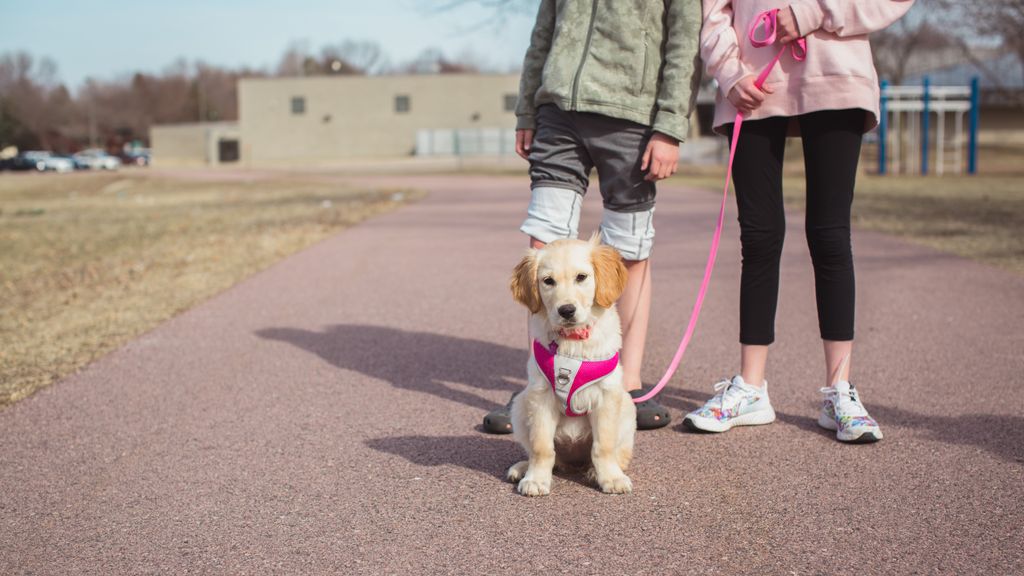
Does puppy play count as exercise?
Learning how to play together is one of the joys of dog ownership – and it can form a major part of your puppy’s daily exercise. Too many owners do not play with their dogs – when it is probably the very best thing you can do to build trust and a good relationship.
All games however should be gentle and not involve any rough play or pushing your puppy around with your hands. Use toys that your puppy enjoys playing with – this might take some trial and error as you discover what games they particularly enjoy.
Make sure any tuggy games are very gentle and never pull the toy upwards or sharply to the sides (as necks and backs are as delicate as legs), avoid any sharp twists and turns if you are throwing toys – and absolutely no jumping until your puppy is fully developed (and in some breeds such as Dachshunds, it is best avoided altogether).
Signs You’re Over-Excercising Your Puppy
Though puppies need plenty of exercise, there is a limit to how much they should be exercising, depending on both their age and breed. Here is a list of signs to keep an eye out for in case youre over-exercising your puppy:
- Limping or walking unevenly.
- Keeping their leg(s) off the ground.
- Avoiding putting weight on a leg.
- Displaying lameness.
- Showing signs of discomfort in a leg.
- Hesitating to use a leg.
- Excessive panting or tiredness.
- Joint swelling or tenderness.
How Long Is It Safe To Walk Your Puppy?
FAQ
How long should a 3 month old puppy be walked?
Common advice given is that a dog can be walked an extra 5 minutes per walk, for every month of their age. So a 3-month-old puppy can be walked for 15 minutes at a time. Check the list below for a full breakdown of how long a puppy should walk depending on their age.
How far should you walk a puppy by age?
On the flip side, if you skip walks, you might be missing key moments in socialization and stimulation. Veterinarians often suggest the “5-minute rule” —walk your puppy 5 minutes per month of age, up to twice a day. Here’s a simple chart: So if you’re wondering how far to walk puppy by age, this guideline is a great place to start.
How long can a 2 month old dog walk?
[…] rule of thumb is a puppy can walk five minutes for every month of age starting at eight weeks. So a two-month-old […] […] apartment/home office lifestyle. As I’m self employed, I’m home a lot and can easily schedule Wally’s walks around my work […] What Are The Best Mixed Breed Dogs? – NimasPark […] apartment/home office lifestyle.
How long should a 3-month-old puppy be walked?
So a 3-month-old puppy can be walked for 15 minutes at a time. Check the list below for a full breakdown of how long a puppy should walk depending on their age. I must note, this rule isn’t based on any specific scientific evidence, and it’s just a rough sensible guide.
How long should a puppy walk on pavement?
Walks on grass or dirt are easier on your puppy’s growing bones than pavement. By 16 weeks of age (4 months old), most puppies can go for 30-minute meandering walks. Increase the time to 45 to 60 minutes as your puppy reaches 6 or 7 months of age. Hold off on true hikes or long purposeful walks on pavement until your puppy has physically matured.
What is a puppy walking chart by age?
Puppy walking chart by age is an important tool for pet owners to ensure that their furry friends are getting the right amount of exercise and stimulation at every stage of their development. From the early days of puppyhood to the adolescent stage, it’s crucial to tailor your walks to your puppy’s age and energy levels.
Is a 3 mile walk too much for a dog?
A 3-mile walk is likely not too much for a healthy, adult dog but depends significantly on the dog’s age, breed, health, and overall fitness level. Active dogs or certain breeds, like sporting or herding dogs, can easily handle longer distances, while puppies, senior dogs, or dogs with health issues need shorter, more gradual walks. Always monitor your dog for signs of fatigue and gradually increase walk distance to prevent injuries and ensure they enjoy the exercise.
Can you over exercise a 5 month old puppy?
Too much exercise while your pup is young could result in permanent damage to their joints and bones, which has the potential to cause conditions such as arthritis and hip dysplasia.
How often should I take my 5 month old puppy out for a walk?
Every dog should have at least one walk a day, often two given that in some circumstances under veterinary advice the dog should be rested.
Is a 30 minute walk too long for a puppy?
1. Puppies- For puppies, walks must be shorter than for adult dogs. This is because although puppies are full of energy, they have lower endurance and get tired and fatigued easily. Aim for 5 minutes to 10 minutes per walk, and three or more puppy walks per day is best.