
Obesity in dogs is a big problem for pet owners. According to the Association for Pet Obesity Prevention (APOP), the number of overweight dogs continues to rise. In 2017, obesity affected 56 percent of dogs in the US.
And while you might think that fur-covered rolls and big bellies look cute, having an overweight dog can lead to serious health problems.
“Pet parents should talk to their veterinarians at the first sign of their dogs gaining weight,” says Dr. Kelly Ryan, director of veterinary services at the Humane Society of Missouri’s Animal Medical Center of Mid-America. “Serious health issues may be managed or even prevented if a good diet and exercise plan are implemented right away.”
Let’s face it – losing weight isn’t always fun. But what if I told you that your furry best friend could actually help you shed those extra pounds? As someone who’s struggled with weight management myself I’ve discovered that walking my dog has been one of the most enjoyable and consistent exercise routines I’ve ever maintained. And the best part? It works for both of us!
Why Walking Your Dog Is a Weight-Loss Win-Win
When my vet pointed out that both Bella and I could benefit from losing a few pounds, I initially felt a bit defensive. But then I realized – we could tackle this together! According to the Association for Pet Obesity Prevention, about 56% of dogs in the US are overweight. That’s more than half of our canine companions carrying extra weight that puts strain on their joints and organs.
Walking your dog regularly creates a beneficial situation for both of you:
- For humans: Regular walking can burn calories, improve cardiovascular health, and boost mood
- For dogs: Exercise helps maintain healthy weight, improves joint health, and provides mental stimulation
Dr. Kelly Ryan, director of veterinary services at the Humane Society of Missouri’s Animal Medical Center of Mid-America, emphasizes that “pet parents should talk to their veterinarians at the first sign of their dogs gaining weight,” because “serious health issues may be managed or even prevented if a good diet and exercise plan are implemented right away.”
Getting Started: Your Dog-Walking Weight Loss Plan
First Things First: Talk to the Professionals
Before beginning any exercise program with your dog, consult with your veterinarian and your doctor. This is especially important if either of you has pre-existing health conditions or is significantly overweight.
Your vet can:
- Rule out medical conditions causing your dog’s weight gain
- Check for arthritis or other conditions that might make exercise painful
- Recommend appropriate exercise intensity and duration
Equipment You’ll Need
When walking for weight loss, having the right equipment makes all the difference:
For Your Dog
- Harness or head halter: Forget the collar! Collars can compress the trachea when pulled, causing breathing difficulties. A head halter (like Gentle Leader®) or walking harness with wide, soft padded straps is safer.
- Relatively short leash: Keep your dog close to maintain a steady pace. Retractable leashes aren’t ideal for fitness walks.
- Protective gear: In cold weather, consider booties and coats. For hot weather, bring water for both of you.
For You
- Comfortable walking shoes: Good support prevents injuries
- Weather-appropriate clothing: Layers work best for changing conditions
- Water bottle: Hydration is important for both of you
The Perfect Walking Pace for Weight Loss
Here’s where many dog owners (including myself initially) get it wrong. A casual stroll with frequent stops for sniffing won’t generate the elevated heart rates needed for weight loss. According to observations, the average person walking with their dog moves at about 25 minutes per mile – that’s just a slow stroll with pauses every minute or two.
For weight loss, you need to:
- Start briskly from the beginning of the walk
- Keep your dog close (within 2-4 feet)
- Maintain a pace of about 12-15 minutes per mile
- Keep moving when your dog wants to stop and sniff
When Bella tried to stop at every tree and fire hydrant, I initially gave in. But I learned to gently tighten the leash (never jerk it!) and use commands like “leave it” or “come” while continuing to move forward. Head halters work great for training dogs to heel during brisk walks.
How Long Should Your Weight-Loss Walks Be?
For most overweight dogs with normal heart and lung function, veterinarians recommend starting with 30-minute walks at least five times a week. Ideally, you should aim for daily walks.
Here’s a sample schedule I’ve used with great success:
| Week | Duration | Pace Breakdown |
|---|---|---|
| Week 1 | 30 min/day | 10 min brisk + 20 min casual |
| Week 2 | 30 min/day | 15 min brisk + 15 min casual |
| Week 3 | 30 min/day | 20 min brisk + 10 min casual |
| Week 4 | 35-40 min/day | 30 min brisk + 5-10 min casual |
| Week 5+ | 35-60 min/day | Two 20-30 min walks: 15-25 min brisk + 5 min casual |
I’ve found this gradual approach works great because it prevents both of us from getting sore or discouraged. Remember, consistency matters more than intensity when starting out!
Watch for Warning Signs
Pay close attention to your dog during walks. If your pup is overweight, they may have difficulty breathing while exercising, especially in warm weather.
Dr. Ryan explains: “Overweight dogs are at risk for respiratory trouble, especially when exercising. This is because extra fat in the chest prevents the lungs from fully expanding. Plus, extra fat in the abdomen pushes up against the diaphragm.”
Warning signs to watch for include:
- Excessive panting
- Difficulty breathing
- Lagging behind
- Limping or lameness
- Reluctance to continue
This is especially important for brachycephalic breeds (those with flat faces), as they tend to overheat quickly, even in mild temperatures. If you notice any concerning symptoms, slow down, take a break, or end the walk early.
Beyond Walking: Other Exercise Options
Walking is fantastic, but there are other ways to exercise with your dog too:
-
Hydrotherapy: For dogs with arthritis or joint problems, underwater treadmills provide low-impact exercise. “The water reduces the stress on the pet’s joints. The warm water can also reduce joint swelling, helping dogs who suffer from arthritis,” says Dr. Ryan.
-
Swimming: If your dog enjoys water, swimming is gentle on joints while providing excellent cardiovascular exercise.
-
Fetch: Playing fetch in short bursts can be great interval training for both of you.
-
Agility courses: For more active dogs, navigating obstacles provides mental and physical stimulation.
Diet + Exercise: The Complete Weight Loss Formula
While we’re focusing on walking, I gotta be honest – exercise alone isn’t enough. Diet plays a crucial role in weight loss for both humans and dogs.
For your dog:
- Consult your vet about appropriate food portions and potentially switching to a weight-control formula
- Limit treats – use healthy options like carrot pieces or even kibble set aside from their daily portion
- Consider a prescription diet if recommended by your vet
For yourself:
- Track your food intake with an app or journal
- Stay hydrated – sometimes thirst feels like hunger
- Plan healthy post-walk snacks to avoid undoing your hard work
Tracking Progress: How to Know If It’s Working
Regular weigh-ins are important for monitoring progress. Have your dog weighed at the veterinary clinic at least once a month, always on the same scale. When your pet reaches their target weight, continue with monthly weigh-ins for three months, then quarterly to ensure weight maintenance.
For yourself, weekly weigh-ins are ideal, but don’t get discouraged by normal fluctuations. Look for trends over time, not day-to-day changes.
Other signs of success include:
- Increased energy levels
- Better endurance during walks
- Improved mood
- Looser-fitting clothes (or collars!)
Real Talk: Challenges You Might Face
I won’t sugar-coat it – establishing a consistent walking routine has its challenges:
- Weather: Rain, extreme heat, or cold can derail your plans
- Time constraints: Work and family obligations might interfere
- Motivation slumps: Both you and your dog might have low-energy days
- Plateaus: Weight loss isn’t always linear
When I hit these roadblocks, I remind myself that even a short walk is better than none. On bad weather days, we do indoor activities like hide-and-seek with toys or stair climbing in my apartment building.
Success Stories: Me and My Pup’s Journey
When Bella and I started our weight loss journey, she was 15 pounds overweight and I needed to lose about 25 pounds. Six months later, after consistent walking and dietary changes, Bella reached her ideal weight and I’d lost 20 pounds!
The best part wasn’t just the numbers on the scale – it was how much better we both felt. Bella’s energy levels soared, and I noticed her playful puppy-like behavior returning. My own energy improved too, and the daily walks became something I looked forward to rather than dreaded.
Beyond Weight Loss: Additional Benefits
The benefits of walking your dog extend way beyond weight management:
- Improved bond with your pet
- Mental health benefits from time outdoors
- Socialization opportunities for both of you
- Reduced stress and anxiety
- Better sleep quality
- Lower blood pressure
- Stronger bones and muscles
Final Thoughts: A Lifelong Healthy Habit
Remember, weight loss is a journey, not a destination. Dr. Ryan emphasizes, “Weight loss in pets can be a long, slow process. Don’t expect results to happen overnight, but with the right routine and expectations, your pet can get back to a healthy weight.”
The same applies to us humans! Be patient with yourself and your furry friend. Celebrate small victories along the way, and focus on building a sustainable habit that improves quality of life for both of you.
Walking your dog for weight loss isn’t just about shedding pounds – it’s about creating a healthier, happier life together. So grab that leash, head out the door, and take those first steps toward better health. Your dog will thank you, and your body will too!
Have you tried walking with your dog for weight loss? What challenges or successes have you experienced? I’d love to hear your stories in the comments below!
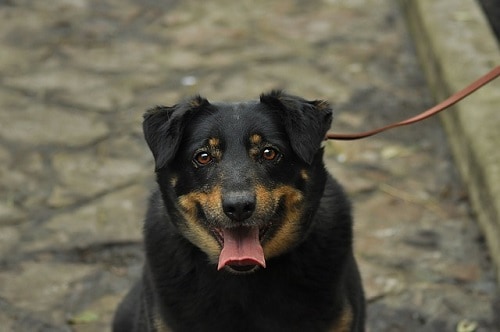
Weight Loss for Dogs: Tips for Walking
In addition to veterinarian-recommended dietary changes, getting your overweight dog to walk regularly can help her shed some of the extra weight. Here are some tips you should consider when starting a walking routine to help your dog lose weight.
Before beginning, talk to your veterinarian.
If your dog is overweight, it’s important to consult a veterinarian, says Dr. Ryan, to come up with the best exercise plan that is right for your pet.
“There may be serious underlying medical conditions causing weight gain. Plus, carrying extra weight can lead to arthritis and other conditions that can make exercise painful,” she says. “Your veterinarian will want to rule out any issues first, then he or she will discuss the best way to get started with a walking routine.”
Don’t assume that your overweight dog will be able to walk far or up big hills right from the start. Take your time and start slow.
“Most pets are able to walk at least short distances, and many can work up to longer distances over time without experiencing soreness or discomfort,” says Dr. Stephanie Liff, medical director of Pure Paws Veterinary Care in New York City. “You know your pet best, so if they seem to be struggling, listen to them and cut that exercise session short and talk to your vet.”
Can Walking Your Dog Help You Lose Weight? Dogs 101
FAQ
How long should I walk my dog for me to lose weight?
Can you lose weight by walking the dog?
Yes, walking is an effective way to help a dog lose weight, but it is most effective when combined with a balanced diet and consistency. To lose weight, a dog needs to burn more calories than it consumes, and regular, brisk walks increase physical activity and calorie expenditure. Start slowly, increase the duration of walks gradually, and consult a veterinarian before starting any new exercise routine, especially for overweight or older dogs.
Does walking my dog count as exercise?
Yes, walking your dog absolutely counts as exercise for you, and can provide light to moderate-intensity aerobic activity, depending on the pace and duration of your walk. It contributes to your overall fitness goals by providing physical activity, promoting mental stimulation, improving cardiovascular health, and helping with weight management for both you and your pet.
What is the 5 second rule for walking dogs?
The 5-second rule is a quick test: Place the back of your hand on the pavement. If you can’t hold it there for 5 seconds, the surface is too hot for your dog to walk on.