
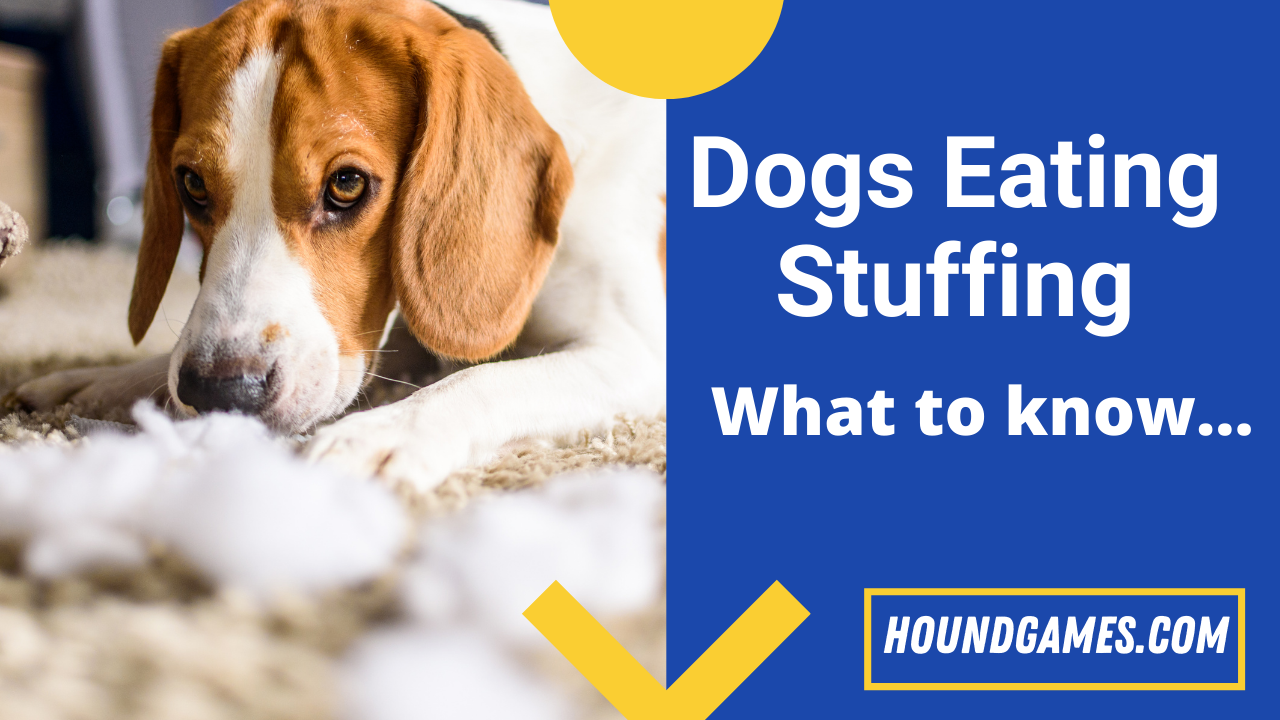
Its every pet owner’s nightmare: you’re spending quality time with your dog, and suddenly, you notice your pup tearing into their favorite toy. Before you know it, the stuffing is scattered everywhere, and your dog might have ingested some of it. While chewing and playing are natural behaviors for dogs, swallowing stuffing from toys can lead to health concerns. In this guide, we’ll walk you through what to do if dog eats stuffing from toy and steps you can take to keep your furry friend safe.
As the holiday season approaches, I find myself wondering about all the festive foods that might end up within reach of my furry friend. One question that keeps coming up is whether stuffing is safe for our canine companions. If you’re like me, you might be tempted to share a little bit of your holiday feast with those puppy dog eyes staring up at you. But is stuffing bad for dogs? Let’s dive into this important topic!
The Short Answer: Yes, Stuffing Is Bad for Dogs
I’ll cut to the chase – traditional stuffing is generally not safe for dogs to eat. Whether it’s homemade or store-bought, stuffing typically contains several ingredients that can be harmful or even toxic to our four-legged friends.
As a pet parent myself I’ve learned the hard way that what’s delicious for humans isn’t always good for our pups. Stuffing is one of those holiday foods that should stay firmly on the human plate and away from the dog bowl.
Why Stuffing Is Dangerous for Dogs
Traditional stuffing recipes contain several problematic ingredients
1. Onions and Garlic
Most stuffing recipes include onions and garlic, which are both toxic to dogs. These ingredients contain compounds that can damage your dog’s red blood cells and potentially lead to anemia. Even small amounts can cause problems, and the effects can sometimes take days to appear.
2. High Fat Content
Stuffing is typically loaded with
- Butter
- Oils
- Fatty meats
These high-fat ingredients can trigger gastrointestinal upset in dogs. More seriously, they can cause pancreatitis – a painful and potentially life-threatening inflammation of the pancreas. I’ve seen dogs hospitalized during the holidays because of this condition, and it’s definitely something we want to avoid!
3. High Sodium Levels
Stuffing is often heavily seasoned with salt and other spices. Dogs are much more sensitive to sodium than humans, and too much can lead to:
- Excessive thirst
- Urination
- In severe cases, sodium ion poisoning
4. Other Harmful Ingredients
Depending on the recipe, stuffing might also contain:
- Raisins or currants (can cause kidney failure in dogs)
- Nuts like macadamia nuts (toxic to dogs)
- Herbs like sage (which in large amounts can upset a dog’s stomach)
- Xylitol (if using sugar-free products in the recipe)
Signs Your Dog May Have Eaten Stuffing
If your pup manages to sneak some stuffing, watch for these symptoms:
- Vomiting
- Diarrhea
- Lethargy
- Abdominal pain (whining, hunched posture)
- Decreased appetite
- Excessive thirst or urination
- Unusual behavior or weakness
If you notice any of these signs after your dog has consumed stuffing or other holiday foods, it’s important to contact your veterinarian right away. Prompt treatment can prevent more serious complications.
What About Boxed or Store-Bought Stuffing?
You might wonder if commercial stuffing mixes are any safer. Unfortunately, the answer is still no. These products typically contain:
- Dehydrated onions and garlic
- High sodium content
- Preservatives and additives that aren’t meant for canine consumption
- Sometimes artificial flavors and colors
Even the “just add water” varieties contain ingredients that aren’t good for your dog’s digestive system.
The Bread Question: Can Dogs Eat Plain Stuffing Bread?
Some people might think that plain bread used in stuffing might be okay for dogs. While plain bread in small amounts isn’t typically toxic to dogs, it’s:
- Not nutritionally valuable for them
- Can contribute to obesity
- May cause digestive upset in some dogs
- Could contain ingredients like xylitol in some specialty breads
Plus, the bread in stuffing is rarely plain – it’s usually soaked in fats and seasonings that are problematic for dogs.
What About Homemade Dog-Safe “Stuffing”?
If you really want to include your dog in the holiday meal, consider making a special dog-friendly version of “stuffing” with:
- Plain cooked sweet potatoes (no butter or seasonings)
- Small amounts of plain cooked turkey meat (no skin, bones, or seasonings)
- Plain cooked green beans
- A small amount of plain cooked rice or dog-safe vegetables
Mix these ingredients together for a special holiday treat that won’t send your pup to the emergency vet!
Real-Life Consequences: A Cautionary Tale
Last Thanksgiving, my friend Sarah gave her Labrador Cooper a “small taste” of stuffing from their holiday meal. Within hours, Cooper was vomiting and clearly uncomfortable. A rushed trip to the emergency vet and $1,200 later, Cooper was diagnosed with acute pancreatitis triggered by the fatty, seasoned stuffing.
It took almost a week for Cooper to recover fully, and Sarah learned a painful (and expensive) lesson about sharing holiday foods with pets. This is why I’m so passionate about spreading awareness on this topic!
Safe Holiday Alternatives for Your Dog
Instead of sharing potentially dangerous human foods, try these dog-safe alternatives during holiday gatherings:
Safe Treats for Dogs During the Holidays:
| Safe Option | Why It’s Better |
|---|---|
| Plain cooked turkey (no skin or bones) | Good protein source without harmful seasonings |
| Plain sweet potatoes | Nutritious and digestible for most dogs |
| Plain green beans | Low-calorie, fiber-rich treat |
| Carrots | Great crunch without the calories |
| Commercial dog treats | Made specifically for canine consumption |
| Frozen Kong with dog-safe fillings | Keeps them busy during dinner |
Tips to Keep Your Dog Safe During Holiday Meals
To prevent stuffing and other harmful foods from finding their way to your dog:
- Create a pet-free zone around the dining table
- Secure your trash cans to prevent dumpster diving
- Inform guests not to feed your dog table scraps
- Have plenty of dog-appropriate treats on hand
- Consider crating your dog during the main meal if they’re particularly food-motivated
- Be extra careful with leftovers – don’t leave plates unattended
- Have your vet’s contact information and the nearest emergency vet number readily available
Common Questions About Dogs and Stuffing
Can one bite of stuffing hurt my dog?
It depends on the size of your dog and the specific ingredients in the stuffing. For a small dog, even a bite containing onions or garlic could be problematic. For larger dogs, a small taste might not cause immediate issues, but it’s still not worth the risk.
What if my stuffing doesn’t contain onions or garlic?
Even without these toxic ingredients, stuffing is typically high in fat, salt, and other seasonings that can cause digestive upset or pancreatitis in dogs. It’s still best to avoid sharing it.
Is cornbread stuffing safer for dogs?
Cornbread stuffing still contains problematic ingredients like fat, salt, and often onions or garlic. The cornbread itself isn’t toxic, but the complete stuffing dish is still unsuitable for dogs.
What should I do if my dog accidentally eats stuffing?
Contact your veterinarian or emergency vet right away. Let them know approximately how much was consumed and what ingredients were in the stuffing. They can guide you on whether monitoring at home is appropriate or if your dog needs to be seen.
The Bottom Line on Dogs and Stuffing
While we love to include our furry family members in holiday celebrations, sharing stuffing with them isn’t the way to do it. The combination of toxic ingredients like onions and garlic, high fat content, and excessive sodium makes stuffing a potentially dangerous food for dogs.
Instead, focus on creating safe, special traditions for your dog during the holidays. A new toy, a dog-friendly treat, or some extra attention and exercise are much better ways to show your love than sharing foods that could harm them.
I’ve learned through experience that a moment of weakness at the dinner table can lead to days of worry and significant vet bills. Trust me when I say that keeping stuffing and other holiday foods away from your dog is an act of love, not deprivation!
Remember, a happy holiday is one where all family members – including those with four legs – stay healthy and safe. So keep the stuffing on your plate and give your dog one of the safe alternatives we’ve discussed instead.
Do you have any experiences with dogs and holiday foods? Or maybe some special dog-safe recipes you make for your furry friends during celebrations? I’d love to hear about them in the comments below!
How Can You Prevent Your Dog Eating Stuffing from Toy?
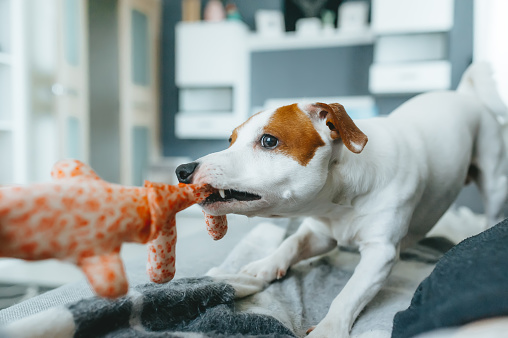
Dogs often find stuffed toys irresistible, but some develop the habit of tearing them apart and dog eating toy stuffing. This behavior can be dangerous, leading to choking or digestive issues. To keep your furry friend safe, it’s important to address this issue thoughtfully.
Start by choosing toys that are designed to be safe for chewing. Instead of traditional stuffed toys, opt for durable, stuffing-free options. Up Dog Shop offers chew-proof toys made from strong materials that can withstand even the most determined chewers.
Another effective approach is to supervise your dog during playtime. If you notice them chewing aggressively or trying to rip the toy apart, calmly intervene and replace the toy with a safer alternative. This not only protects your dog but also reinforces good behavior.
Engaging your dog in mental and physical activities can also help. It is common for dogs to chew destructively due to boredom or excess energy. Regular exercise and puzzle toys can redirect their focus, keeping them entertained and less likely to destroy toys.
Creating a safe play environment with appropriate toys and consistent supervision ensures you encourage your dog to play with toys without the risks associated with eating stuffing.
Why Do Dogs Chew and Eat Toy Stuffing?
Chewing is an instinctual behavior that dogs engage in for several reasons. Some dogs chew to explore their environment, while others do it to relieve stress or boredom. When it comes to stuffed toys, the soft material inside is irresistible to many dogs. The texture and sound of the stuffing can mimic the feel of prey or simply be something they enjoy ripping apart.
Puppies and younger dogs are particularly prone to chewing as they explore the world with their mouths. It’s also common for dogs that are teething to seek out items like toys to chew on, as it helps soothe their sore gums. The problem arises when a dog doesn’t just chew the stuffing but swallows it, which can pose serious risks to their health.