
NOTE: Always check with your veterinarian first before giving your dog any new foods, especially “people foods.” What might be OK for one dog might not be good for your dog, depending on multiple factors, such as their age, health history, health conditions, and diet. Dogs on prescription diets should not be fed any food or treats outside the diet.
Chicken is a nutritious protein source for humans and dogs alike. It’s a popular ingredient in dog food, and there are plenty of chicken-flavored dog treats and toys to choose from.
But while dogs can eat chicken, you’ll want to be careful about how much you give them—and how it’s prepared. As with any new food that finds its way into your dog’s bowl, moderation is key. Here’s what to know.
Hey there, fellow dog lovers! If you’re anything like me, you’ve probably stood in your kitchen wondering if you should toss your furry friend a piece of raw chicken from your meal prep or if you should cook it first. I mean, wolves eat raw meat in the wild, right? But our domesticated pooches aren’t exactly wolves anymore. So what’s the deal – should dogs eat raw or cooked chicken?
Today I’m gonna break down everything you need to know about feeding chicken to your four-legged friend. And trust me there’s more to this debate than you might think!
The Quick Answer
For those in a hurry Cooked unseasoned chicken is generally safer for dogs than raw chicken. While some pet parents do feed raw chicken it comes with significant risks including bacterial infections like salmonella and campylobacter.
Why Chicken is Good for Dogs (Generally Speaking)
Before we jump into the raw vs. cooked debate, let’s talk about why chicken is actually a great protein source for dogs in the first place:
- Lean protein source – helps maintain muscle mass and repair tissues
- Contains essential amino acids – supports immune system function
- Promotes healthy skin and coat
- Makes an excellent high-value training treat
- Budget-friendly compared to some other protein options
As Dr. Meaghan Thomas from East Ridge Animal Hospital points out, “Chicken is a safe, lean protein for dogs in small amounts as long as they don’t have an allergy to it.” However, she emphasizes that chicken should be treated as an enrichment food – basically a treat – rather than replacing their regular balanced diet.
The Raw Chicken Debate: Should You Feed It?
Some pet parents swear by raw feeding, but most veterinary experts strongly recommend against it Let’s look at the risks of raw chicken
Major Risks of Raw Chicken for Dogs
-
Bacterial Contamination
- Salmonella: Can cause vomiting, diarrhea, lethargy, fever, and loss of appetite
- Campylobacter: Leads to diarrhea (sometimes bloody), abdominal pain, and fever
-
Bone Hazards
- Can obstruct stomach or intestines
- Might puncture internal organs
- Could lodge in throat causing choking
- Risk of broken teeth
-
Nutritional Concerns
- Raw chicken alone isn’t nutritionally balanced
- Could lead to deficiencies if it becomes a major part of diet
Both the American Veterinary Medical Association and the American College of Veterinary Nutrition discourage feeding raw diets due to these risks. The invisible nature of bacterial contamination makes it impossible to tell if raw chicken is safe just by looking at it.
What If My Dog Accidentally Eats Raw Chicken?
We’ve all had that moment when our sneaky pup grabs something off the counter! If your dog manages to snatch some raw chicken:
- Monitor them closely for the next 24 hours
- Watch for signs of illness like vomiting, diarrhea, or lethargy
- Contact your vet if you’re concerned or know they consumed bones
- Seek immediate care if your dog shows signs of distress
Remember, factors like your dog’s size, the amount of chicken eaten, and their overall health will determine whether they get sick.
The Safer Option: Cooked Chicken for Dogs
Cooked chicken is generally the safer option for our furry friends. It eliminates bacterial risks while still providing excellent nutrition. In fact, plain cooked chicken is often recommended by vets as part of a bland diet for dogs with upset tummies!
How to Safely Prepare Cooked Chicken for Dogs
If you’re gonna feed cooked chicken to your pup (which I do regularly for my Lab mix), here are some important guidelines:
- Remove all bones – Cooked chicken bones splinter easily and can cause choking or intestinal punctures
- Skip the seasonings – No salt, herbs, spices, garlic, onion, or other additives that can be harmful
- Avoid fatty skin – While not toxic, the fat can cause digestive upset or pancreatitis in some dogs
- Cook thoroughly – Make sure it’s fully cooked to kill bacteria
Safe Cooking Methods for Dog-Friendly Chicken
Not all cooking methods are created equal when it comes to preparing chicken for your pooch. Here’s a quick reference:
| Cooking Method | Safe for Dogs? | Notes |
|---|---|---|
| Roasted | ✓ Yes | Remove excess fat and avoid seasonings |
| Grilled | ✓ Yes | Avoid BBQ sauces or marinades |
| Steamed | ✓ Yes | Plain with no seasonings |
| Boiled | ✓ Yes | A great simple option |
| Baked | ✓ Yes | Plain with no seasonings |
| Poached | ✓ Yes | Gentle cooking method |
| Braised | ✓ Yes | Skip the seasonings |
| Smoked | ✓ Yes | Only if unseasoned and skinless |
| Sauteed | ✗ No | Typically uses high-fat cooking methods |
| Fried/Air fried | ✗ No | Too fatty and often uses seasonings |
| BBQ | ✗ No | Contains seasonings and sauces |
| Rotisserie | ✗ No | High in salt and seasonings |
Important Considerations Before Feeding Chicken
Before you start incorporating chicken into your dog’s diet, here are some things to consider:
1. Chicken Allergies
Believe it or not, chicken ranks among the top 10 food allergens for dogs! Common allergens include beef, dairy, wheat, egg, chicken, lamb, soy, pork, rabbit, and fish. If you notice your dog experiencing itching, gastrointestinal issues, or ear infections after eating chicken, they might have an allergy.
2. Portion Control Matters
Even good things can cause problems in excess. Dr. Thomas recommends that treats like chicken should not exceed 10% of your dog’s daily caloric intake. Overfeeding chicken can lead to:
- Weight gain and obesity
- Nutritional imbalances
- Digestive upset
3. Chicken as a Meal Replacement?
In some cases, veterinarians might recommend plain chicken as a temporary meal replacement, particularly for dogs with digestive issues. However, chicken alone doesn’t provide complete nutrition and shouldn’t be fed exclusively for more than a few days without veterinary guidance.
My Personal Experience
I’ve tried both approaches with my dogs over the years, and I gotta say – I’m firmly in the cooked chicken camp now. Years ago, I experimented with raw feeding, including raw chicken, for my German Shepherd. While she seemed to tolerate it okay, I was constantly worried about bacteria and cross-contamination in my kitchen.
Now, I boil chicken breasts without seasoning for my current dog as occasional treats or to mix with her kibble when she needs extra encouragement to eat. It’s simpler, safer, and she goes absolutely bonkers for it either way!
What Other Meats Can Dogs Eat?
If you’re looking for protein variety beyond chicken, here are some other options that are safe for dogs (when properly prepared):
- Beef – Lean cuts, cooked without seasonings
- Turkey – Similar to chicken, but remove bones and skin
- Pork – Lean cuts only, thoroughly cooked
- Lamb – Can be a good alternative for dogs with chicken allergies
Final Thoughts: Raw or Cooked Chicken?
After reviewing all the evidence and expert opinions, cooked chicken is clearly the safer option for most dogs. While some pet parents do choose raw feeding, the risks of bacterial infection and physical hazards from bones make cooked chicken the more prudent choice for most of us regular dog owners.
If you’re absolutely committed to raw feeding, please work with a veterinary nutritionist to ensure your dog’s diet is properly balanced and to minimize risks. Never just wing it when it comes to your pup’s nutrition!
Remember, whether you choose raw or cooked, chicken should be just one component of a balanced diet for your dog. Their regular dog food should still make up the majority of their nutritional intake.
What about you? Have you tried feeding your dog raw or cooked chicken? I’d love to hear about your experiences in the comments below!
Important Note: This article provides general information and is not a substitute for professional veterinary advice. Always consult with your veterinarian about your specific dog’s dietary needs, especially if they have existing health conditions or dietary restrictions.
FAQs About Feeding Chicken to Dogs
Can puppies eat chicken?
Yes, puppies can eat plain, cooked chicken in small amounts. Just make sure it’s cut into appropriate sizes to prevent choking.
How much chicken can I give my dog?
Treats like chicken should make up no more than 10% of your dog’s daily caloric intake. The appropriate amount varies based on your dog’s size, weight, and activity level.
Can dogs eat chicken every day?
While cooked chicken is safe for dogs, it shouldn’t be the only thing they eat daily. Dogs need a balanced diet with various nutrients that chicken alone can’t provide.
What if my dog vomits after eating chicken?
If your dog vomits or shows other signs of illness after eating chicken, stop feeding it and consult your veterinarian. They might have an allergy or sensitivity to chicken.
Is chicken skin bad for dogs?
Chicken skin is high in fat and can cause digestive upset or pancreatitis in some dogs. It’s best to remove the skin before feeding chicken to your dog.
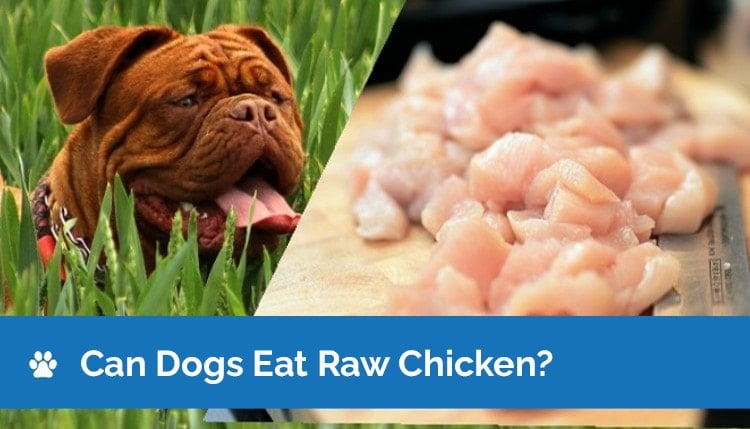
Can Dogs Eat Raw Chicken?
Do not feed your dog raw chicken. Raw chicken is known to harbor unsafe bacteria like salmonella and E. coli, which can make your dog very sick. Ensure the chicken is thoroughly cooked before sharing it with your dog.
What Chicken Products Can Dogs Eat?
There are several ways to prepare chicken, and not all of them are a good choice for our four-legged friends. Plain, boiled chicken is generally considered safe. But fried chicken and chicken that’s been prepared with seasonings such as garlic, onions, or high-fat ingredients like cream or oil should be avoided.
Boiled chicken is a good option to feed your dog. In fact, boiled chicken and rice is a common remedy for dogs with digestive issues, and your vet might recommend feeding this if your pup is vomiting or has diarrhea.
A tiny piece of fried chicken probably won’t make your dog sick, but it’s certainly not a healthy option for your pup. Fried chicken made with oil can cause digestive upset, and eating high-fat food can cause a painful condition called pancreatitis. Fried chicken can also contain seasonings that are toxic to dogs, including onion and garlic.
Your pooch probably won’t get sick if he snags one of your kiddo’s chicken nuggets from the floor, but it’s not a good idea to give your dog these as a regular treat. Chicken nuggets—especially if they’re fried—are not a healthy snack for dogs.
Unfortunately, your dog should also steer clear of chicken feet, as both the raw and cooked kinds can cause digestive issues. Just like any other type of raw meat, uncooked chicken feet carry the risk of harmful bacteria like salmonella that can make your dog very sick.
Cooked chicken feet don’t have the same risk of bacteria, but the bones can splinter and cause tears or obstructions in your dog’s digestive system.
Dogs can have chicken broth as long as it doesn’t contain any harmful added ingredients. But onion and garlic are both common additives found in canned chicken broth and—again—these are toxic to dogs. But plain, low-sodium chicken broth (or homemade broth!) can make a nice addition in their dog food bowl when given in small amounts.