
Does your dog always follow you around, never leaving your side? Is their attention always focused on you?
You may have what’s called a “Velcro dog.” Let’s find out what this means and whether you should be worried about your dog’s clingy behavior.
Have you noticed your once-independent pup has transformed into your furry shadow? One minute they’re happy doing their own thing, and the next they’re following you to the bathroom, whining when you’re out of sight, or trying to sleep literally on top of you. Trust me, I’ve been there!
My own dog Bella used to be the queen of independence – until she wasn’t. Suddenly, she was stuck to me like velcro, and I couldn’t figure out why this change happened so fast.
If you’re wondering “why is my dog suddenly needy” you’re not alone. This behavior shift can be concerning (and sometimes annoying) but there’s usually a good explanation behind it. Let’s dive into the 7 most common reasons your pup might be extra clingy these days.
1. Separation Anxiety: The Panic When You’re Gone
Separation anxiety is probably the most common reason dogs become suddenly clingy But here’s the thing – there’s an important difference between regular clinginess and true separation anxiety
As veterinarian Joanna Pendergrass explains:
“Clingy dogs want to be around you when you’re at home, but they don’t panic when you’re not there. A dog with separation anxiety panics when you’re not around.”
Signs your dog might have separation anxiety include:
- Excessive barking or whining when left alone
- Destructive behavior when you’re gone
- Following you obsessively from room to room
- Panting and pacing when they sense you’re about to leave
- Accidents in the house (even if they’re house-trained)
How to help: If your dog is suffering from separation anxiety, try these tips:
- Leave an old t-shirt with your scent in their bed
- Don’t make a big deal about coming and going (ignore them for a few minutes when you return)
- Give them puzzle toys to keep them occupied while you’re gone
- Consider calming supplements (ask your vet first)
- Gradually desensitize them to your departure cues (like picking up keys)
2. Health Issues: When Something Hurts
This is super important, folks! Sometimes sudden clinginess is your dog’s way of telling you something’s wrong. Dogs can’t say “Hey, I’m in pain” – so they stick close to their trusted human instead.
If your dog’s clingy behavior came on suddenly and is accompanied by other symptoms like:
- Changes in appetite
- Lethargy
- Vomiting or diarrhea
- Limping or difficulty moving
- Excessive licking of one area
- Changes in bathroom habits
…then it’s time to call the vet. Your dog might be seeking comfort because they’re feeling unwell or in pain.
This is especially common in senior dogs, who may become clingier as they age due to declining health, vision or hearing loss.
3. Major Life Changes: Dogs Hate Change Too!
Dogs are creatures of habit who thrive on routine. When things change in their environment, they can get anxious and seek reassurance from you – their stable presence in an unstable situation.
Life changes that might make your dog suddenly clingy include:
- Moving to a new home
- Adding a new pet or baby to the family
- Someone moving out of the home
- Changes in your work schedule
- Renovation or construction in the home
- New neighbors or neighborhood noises
I remember when we brought home our second dog – our first pup became my shadow for weeks! She was clearly telling me “Don’t forget about me!” with her constant presence.
How to help: Keep as much of your dog’s routine the same as possible during transitions. Give them extra reassurance without reinforcing the clingy behavior.
4. Doggy Dementia: A Common Issue in Older Dogs
If you have an older dog who’s suddenly become super clingy, they might be experiencing Canine Cognitive Dysfunction Syndrome (CCDS) – basically, doggy dementia.
This sad but common condition in elderly dogs causes confusion and anxiety, making them seek comfort from their owners more frequently. My friend’s 14-year-old Lab developed this, and his clinginess was actually one of the first signs something was changing.
Other signs of CCDS include:
- Disorientation or confusion
- Changes in sleep patterns
- Accidents in the house
- Staring at walls
- Getting stuck in corners
- Not recognizing familiar people
How to help: Keep furniture arrangements consistent, establish predictable routines, and talk to your vet about medications that might help ease anxiety. Let your dog sleep near you if it provides comfort.
5. Boredom and Lack of Stimulation: They Need Something to Do!
Sometimes the answer is simple – your dog is bored out of their mind! An understimulated dog will often seek entertainment from their favorite person (that’s you).
If your pup isn’t getting enough physical exercise or mental stimulation, they might become clingy as a way to alleviate boredom. This is especially common in high-energy or working breeds who were bred to DO things all day.
How to help:
- Increase daily exercise (tired dog = happy dog)
- Provide interactive toys and puzzles
- Arrange playdates with other dogs
- Try new training activities or sports
- Rotate toys to keep things interesting
After a good long walk or play session, you’ll probably notice your clingy pup is more willing to chill independently!
6. Hormonal Changes: Especially for Unspayed Females
If you have an unspayed female dog who’s suddenly become your shadow, check if she might be in heat. Hormonal changes during a dog’s heat cycle can cause behavioral changes, including increased clinginess.
Signs your dog might be in heat include:
- Swollen vulva
- Bloody discharge
- Excessive licking of genital area
- Nervousness or agitation
- Urinating more frequently
- Male dogs showing increased interest
This clinginess should subside once her heat cycle is complete.
7. Learned Behavior: You Might Be Encouraging It!
I’m guilty of this one! Sometimes we accidentally train our dogs to be clingy by rewarding the behavior. If your dog gets treats, praise, or attention every time they follow you around or paw at you, guess what? They’ll keep doing it!
Dogs are smart – they quickly learn which behaviors get rewarded. If being velcro-dog equals more attention, they’ll stick to you like glue.
How to help:
- Ignore clingy behaviors (no talking, touching or eye contact)
- Reward independent behavior instead
- Practice “stay” and “place” commands
- Create a comfy space that belongs just to them
- Give attention on your terms, not when demanded
How to Help Your Suddenly Clingy Dog
While some clinginess can be cute, excessive dependence isn’t healthy for either of you. Here are some general tips to help your velcro dog develop more confidence:
-
Rule out medical issues first: Always start with a vet check to make sure there’s no underlying health problem.
-
Create independence gradually: Start by encouraging short periods of separation within the same room, then gradually increase distance and time.
-
Establish a routine: Dogs feel secure when they know what to expect.
-
Try calming supplements: Products containing ingredients like chamomile, valerian root, or CBD (where legal) may help reduce anxiety.
-
Consider professional help: If your dog’s clinginess is severe, a certified dog behaviorist can create a customized plan.
Is It Just Their Breed?
Some dog breeds are naturally more velcro-like than others. If you have one of these breeds, some level of clinginess might just be their normal:
- Labrador Retrievers
- German Shepherds
- Golden Retrievers
- French Bulldogs
- Shih Tzus
- Poodles
- Yorkshire Terriers
- Maltese
These breeds were often developed to work closely with humans, so wanting to be with you is literally in their DNA!
When to Worry About Sudden Clinginess
While some clinginess is normal, you should be concerned if:
- The behavior change was extremely sudden and dramatic
- It’s accompanied by other concerning symptoms
- Your dog seems genuinely distressed when alone (not just sad)
- The clinginess is interfering with your daily life
- Your dog is showing aggressive behavior when you try to leave
In these cases, it’s definitely time for a vet visit to rule out serious issues.
Final Thoughts
Remember, your dog’s sudden clinginess is their way of communicating something to you. Whether they’re anxious, bored, in pain, or just going through a phase, try to approach the situation with patience and understanding.
I’ve found that addressing the root cause rather than just the clingy behavior itself is usually the most effective approach. My own velcro dog eventually returned to her more independent self once we figured out what was triggering the behavior.
Have you experienced a suddenly clingy dog? What worked for you? I’d love to hear your stories in the comments below!
Disclaimer: I’m not a veterinarian, just a fellow dog owner sharing experiences. Always consult with your vet if you’re concerned about sudden behavior changes in your pet.
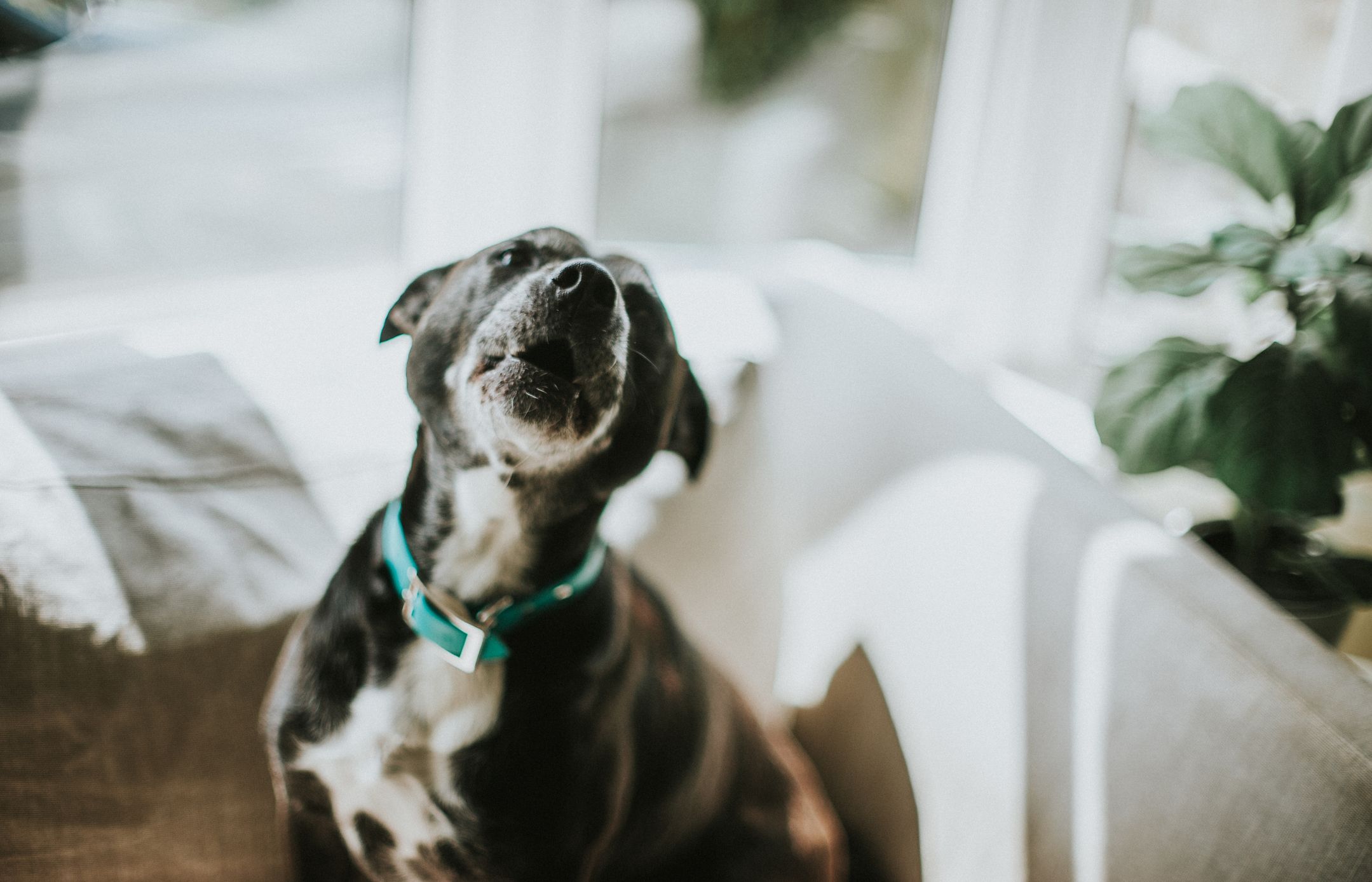
Why Is My Dog So Clingy?
There are several reasons why your dog may be clingy. It may just be a learned behavior, or it may be a sign of an issue. The best option is to make an appointment with your veterinarian so you can work together to determine the cause for your dog’s clinginess.
Here are some common reasons why dogs can be clingy:
Clinginess in dogs is often a learned behavior. Dogs learn this behavior from humans by the way we interact with them. If you always give your dog food when they follow you into the kitchen, or you pet them every time they lie next to you, youre teaching them that following you leads to some type of reward.
If you give puppies constant attention when theyre developing, they can become fearful of being alone and subsequently never want to leave your side.
Older dogs with vision or hearing loss, or those experiencing cognitive decline, can suddenly become clingy because their world is becoming unfamiliar to them.
Dogs who are ill or bored can also become clingy. Talk to your vet to understand what might be causing the sudden clingy behavior.
Dogs who have anxiety issues often develop clingy dog behaviors. Interestingly, dogs can also become clingy if they sense our stress or anxiety.
Dogs can also become clingy if you change their daily routine or make changes in the home or household that cause them stress.
As if all of these reasons werent enough, some dog breeds are prone to clinginess. For example, lapdogs, like Shih Tzus, tend be needy dogs. Also, working dogs, who are trained to be dependent, can become clingy.
Clinginess in dogs can also signal a bigger behavioral problem: separation anxiety. It’s important to know how to differentiate between a clingy dog and a dog with separation anxiety so you know how to best manage the behavior. You will need the help of your veterinarian or a veterinary behaviorist for this.
Clinginess and separation anxiety are similar but not exactly the same. Generally, what separates them is how a dog reacts to being away from their person or people.
Clingy dogs want to be around you when youre at home, but they dont panic when youre not there. A dog with separation anxiety panics when youre not around.
Separation anxiety causes dogs to engage in destructive, anxious behavior when left alone. Such behavior includes incessant whining, pacing, destructive chewing, and urinating or defecating in the home.
Clinginess becomes a problem when it progresses to separation anxiety. If a clingy dog starts becoming anxious or panicky when left alone, its time to suspect separation anxiety and seek professional behavioral help.
A veterinary behaviorist can help you implement behavioral modifications to reduce the anxiety. Fortunately, not all clingy dogs develop separation anxiety.
How to Help Clingy Senior Dogs
Aging dogs with vision loss can sometimes benefit from adding night-lights in dark areas. Also, keep the general setup of your home and furniture the same. Dogs with sight loss tend to learn their way around their environment through their other senses but can get confused when even a chair is in a different place.
Certain foods and supplements have been shown to help with cognitive function in dogs, such as omega-3 and omega-6 fatty acids.
Finally, puzzle toys and other methods of mental stimulation have been proven to stimulate neurons in the brain, supporting cognitive function.
If these strategies do not reduce your dogs clinginess, consult either your veterinarian or a veterinary behaviorist for further guidance.
Featured : iStock.com/Kesinee Khaikaew
Dr. JoAnna Pendergrass is a veterinarian and freelance medical writer. She is the owner of JPen Communications, a medical communications…
Why is my dog suddenly clingy?
FAQ
Why does my dog want so much attention all of a sudden?
One of the most common reasons that dogs try to demand your attention is that they are bored or frustrated. This could be because they are not getting enough dog exercise, enough mental stimulation, or they are genuinely not getting enough social contact and positive attention from their owners.
Why is my dog being clingy to me all of a sudden?
Some of the things that can cause an independent dog or cat to feel insecure and become clingy are: a new baby, a child leaving for college or moving out of …
Do dogs get more clingy as they age?
Dogs’ attachment to owners depends largely on temperament rather than age. While some older dogs may show increased clinginess due to anxiety or health issues, many maintain consistent bonds throughout life. Signs of attachment include following owners, seeking attention, and distress when separated.
Why is my dog suddenly very affectionate?
They may seek extra affection to cope with stress or insecurity. Emotional Needs: Dogs can pick up on their owner’s emotions. If you’ve been feeling stressed, sad, or anxious, your dog might respond by being more affectionate as a way to comfort you.