

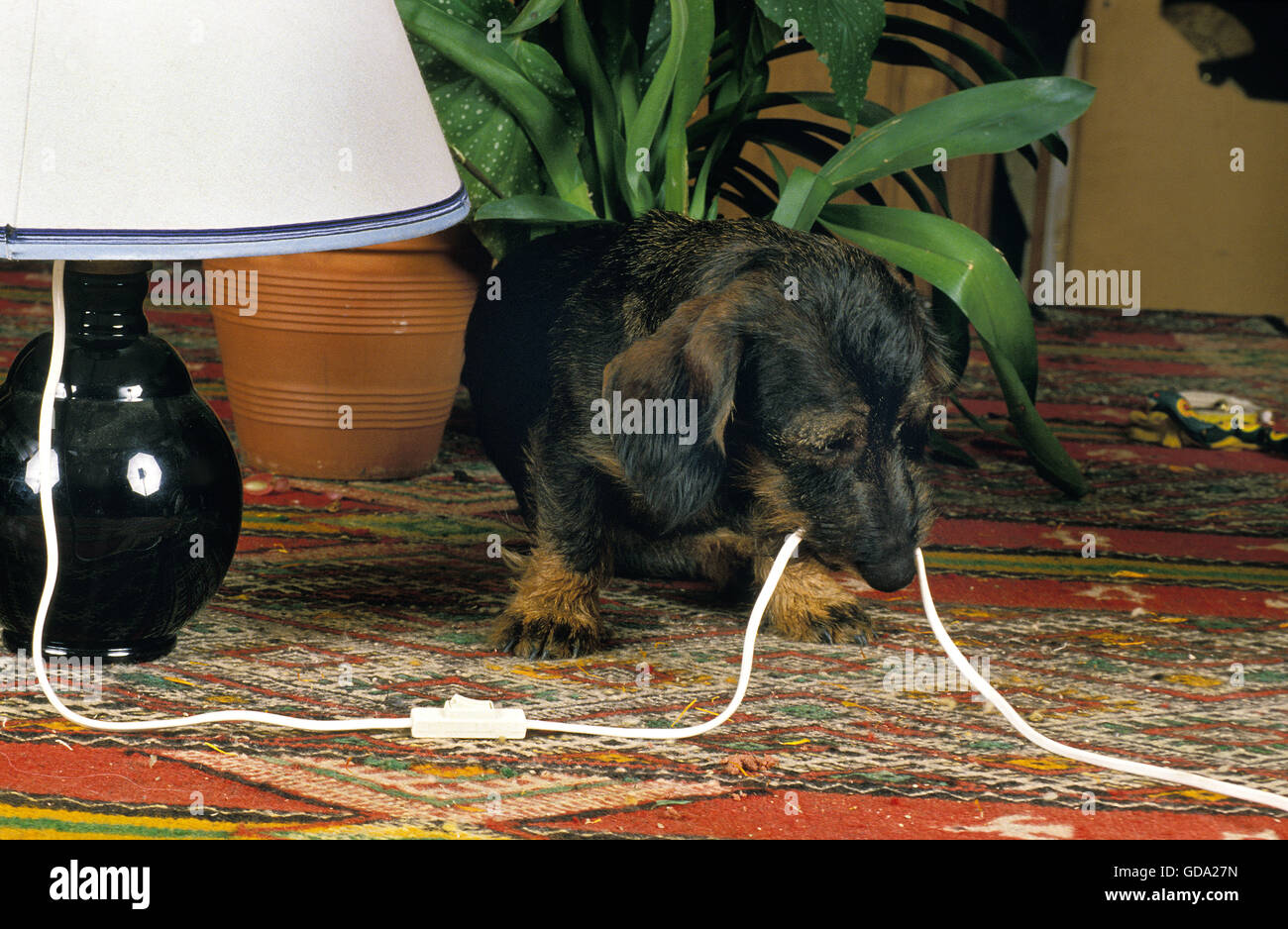
As a pet owner, I’ve always worried about the hidden dangers lurking in our homes. One question that keeps many dog parents up at night is: can a dog die from chewing an electrical cord? The short answer is yes, sadly, it can happen – and more often than we’d like to think.
Electrocution from chewing on live electrical cords is the single most common type of electrical injury in dogs. This seemingly innocent behavior can lead to serious consequences ranging from painful burns to fatal shocks. But don’t panic! I’m here to walk you through everything you need to know about this danger, what to do if it happens, and most importantly, how to prevent it.
The Shocking Truth About Dogs and Electrical Cords
Dogs, especially puppies under 2 years old, are naturally curious and explore the world with their mouths. Those dangling cords might just look like the perfect chew toy to your furry friend! Unfortunately, when a dog’s teeth pierce through the protective coating of an electrical cord, the consequences can be devastating
What Happens When a Dog Chews an Electrical Cord?
When your dog bites into a live electrical cord, several things can happen:
- Electrical current flows through their body – The severity depends on the amount of current and how long it flows
- Jaw muscles may spasm – This cruel trick of electricity can cause your dog’s jaw to clamp down on the cord, preventing them from letting go and prolonging exposure
- Burns develop – These typically occur in and around the mouth
- Internal damage may occur – Electricity can damage organs as it courses through the body
The outcomes range from mild to fatal
- The Good (though nothing is truly “good” about it): Some dogs experience only minor effects and recover without complications if the current was low or exposure brief.
- The Bad: Painful burns to the mouth, lips, tongue, and face that may take days to become fully visible.
- The Ugly: Death by electrocution or life-threatening complications affecting the heart and lungs.
Symptoms of Electrocution in Dogs
How do you know if your dog has been electrocuted? Here are the warning signs to watch for
- Vomiting
- Yelping, crying, or whimpering
- Heavy breathing or respiratory distress
- Excessive drooling
- Burns to the tongue, mouth, and face
- Singed hair (you might notice a burning hair smell)
- Pawing at the mouth
- Muscle spasms
- Seizures
- Unconsciousness
Even without witnessing the incident, if you discover chewed electrical cords, this could be evidence of possible electrocution. Some injuries aren’t immediately visible but can be just as serious.
Delayed Symptoms – The Silent Danger
One of the scariest things about electrical injuries is that some symptoms don’t show up right away. Complications can appear hours or even days after the incident:
- Pulmonary edema (fluid in lungs) – Can develop 12-36 hours after electrocution
- Cardiac abnormalities – Heart rhythm problems may appear later
- Burn infections – Small burns may become infected days later
This is why monitoring is crucial even if your dog seems fine initially.
What to Do If Your Dog Chews an Electrical Cord
If you discover your dog with an electrical cord in their mouth or suspect they’ve been electrocuted, here’s what to do:
Step 1: Safety First!
- Turn off the electricity at the source (circuit breaker or fuse box) if possible
- DO NOT touch your dog until the electricity is disconnected
- DO NOT pull the plug or touch the cord
- If you can’t turn off the electricity, use a non-conductive object like a wooden broom handle to move your dog away from the source
Step 2: Assess Your Dog’s Condition
Once safely away from the electrical source:
-
Check if your dog is conscious and breathing
-
Check their respiratory rate:
- Count breaths for 15 seconds and multiply by 4
- Normal rate: 15-30 breaths per minute
- If breathing exceeds 60 breaths per minute or seems labored, seek emergency care immediately
-
Check their pulse rate:
- Place fingers on inside of rear leg (mid-thigh) or on chest behind elbows
- Count beats for 15 seconds and multiply by 4
- Normal rates:
- Small dogs/puppies: 100-140 beats per minute (±20)
- Large dogs: 70-120 beats per minute (±20)
Step 3: Get to the Vet ASAP
Even if your dog seems fine, go to the vet immediately! Internal damage may not be visible, and delayed symptoms can be life-threatening.
At the Vet’s Office
Your veterinarian will likely:
- Examine your dog thoroughly
- Check gum color, breathing, and heart rate
- Look for burns in the mouth, tongue, and lips
- Possibly take chest X-rays to check for pulmonary edema
- Perform an ECG to assess heart function
- Monitor your dog for up to 48 hours
Treatment may include:
- Pain medication for burns
- Antibiotics to prevent infection
- Oxygen therapy
- Fluid therapy
- Medications for heart rhythm or lung issues
- Nutritional support if mouth burns make eating difficult
Can a Dog Survive Electrical Cord Chewing?
The big question: will your dog make it? The answer depends on several factors:
- Amount of current that flowed through your dog
- Duration of exposure to electricity
- Location of entry and exit wounds
- How quickly medical care was received
- Your dog’s overall health
Many dogs do survive with prompt veterinary care, though they may have burns or other injuries that require treatment. The most dangerous complications are typically pulmonary edema and cardiac issues, which is why immediate medical attention is crucial.
Preventing Electrical Cord Injuries in Your Dog
As with most accidents, prevention is way better than dealing with the aftermath. Here are some strategies to keep your furry friend safe:
1. Training and Redirection
- Interrupt chewing behavior immediately and redirect to appropriate chew toys
- Provide plenty of mental enrichment and physical exercise
- Teach reliable “leave it” commands
2. Make Cords Inaccessible
- Move cords behind furniture
- Use cord covers or cable management boxes
- Consider cord concealers that can be painted to match walls
- Unplug cords when not in use
Here are some products that might help:
- Cord protectors (tubing covers)
- Cable concealer kits
- Cable management boxes
3. Be Extra Vigilant During High-Risk Times
- Holidays with decorative lights (Christmas!)
- When using seasonal items like fans and heaters
- After storms or natural disasters (beware of downed lines)
The Bottom Line: Take This Seriously!
So, can a dog die from chewing an electrical cord? Absolutely yes. But with proper prevention and quick action if an accident occurs, many dogs recover completely.
I know firsthand how scary it can be to think about our fur babies getting hurt. My neighbor’s puppy chewed through a lamp cord last year, and thankfully they caught it quickly enough that after a night at the emergency vet, little Max made a full recovery. But they were lucky – and now they’ve puppy-proofed their entire house!
Remember, young dogs under 2 years are most at risk, but dogs of any age can chew cords. Be vigilant, pet-proof your home, and know what to do in an emergency.
Have you ever had a scary experience with your dog and electrical cords? Share your story in the comments below, and let’s help each other keep our pups safe!
Disclaimer: This article is for informational purposes only and is not a substitute for professional veterinary advice. If you suspect your dog has been electrocuted, seek immediate veterinary care.
What Is Electrocution in Dogs?
While we typically never give our appliances and lights a second thought, they can be very dangerous for playful and inquisitive puppies. Electrocution from chewing on an electrical cord is the single most common type of electrical injury for household pets. These types of injuries can result in burns to the surrounding areas (typically the mouth), damage to the heart, lungs, and other tissues, and death.
Possible complications of electric cord bite injuries are fluid buildup in the lungs (pulmonary edema) and abnormal heart rhythms. Additionally, there have been reports of animals developing cataracts (an eye abnormality) after such injuries.
How Vets Diagnose Dog Electrocution
Dogs who arrive at the veterinary hospital in critical condition will immediately be taken to a treatment area. For example, if your dog is having severe trouble breathing, she could be placed in an oxygen cage and monitored closely.
Once the pet’s condition is stable, your veterinarian will perform a thorough physical exam and ask you some questions about what you witnessed at home. While the above symptoms can indicate an electrical cord injury, there are other possibilities as well.
The veterinarian will check your dog’s mouth for burns and listen to their heart and lungs. They might also take x-rays of the chest and an electrocardiogram to further assess heart and lung function. They may also run some bloodwork to check for damage elsewhere in the body, such as the kidneys and liver.
Pulmonary edema may develop in the hours after a pet has been electrocuted, so the veterinarian may recommend hospitalizing your dog for monitoring and any additional diagnostic tests and treatments that may be needed.
Why Is It Dangerous For Your Dog To Chew Electrical Cords? – Obedient Dog Guide
FAQ
Why do dogs chew on electrical cords?
Can a dog die from being electrocuted?
Electrocution is a life-threatening emergency in animals. It can cause fluid build-up in the lungs and abnormal electrical activity in the heart, both of which can put your pet’s life at risk. Even if your pet looks fine on the outside after being electrocuted, he will still need immediate veterinary care.
What if my dog chews my charger cord?
If your dog licks an outlet or bites an electrical cord and receives an electric shock, visit your vet immediately. If you suspect or know for sure that your dog’s eaten a cable or charger, then please call the vet immediately. This could be a life-threatening health issue, which requires treatment as soon as possible.
What happens if a dog chews live wire?
Lacerations to the mouth and tongue, as well as life threatening complications like pulmonary edema, can result if your puppy or dog chews on an electric cord.