
Certain human foods, like carrots and blueberries, can be safe for most dogs. But others, like garlic and onions, can be toxic.
For this reason, some foods are safe for humans to eat but may be toxic and potentially deadly for dogs.
On the other hand, there are many human foods that are perfectly safe and even healthy for dogs to eat as an occasional treat.
This article gives an overview of 53 foods and whether or not your dog can eat them.
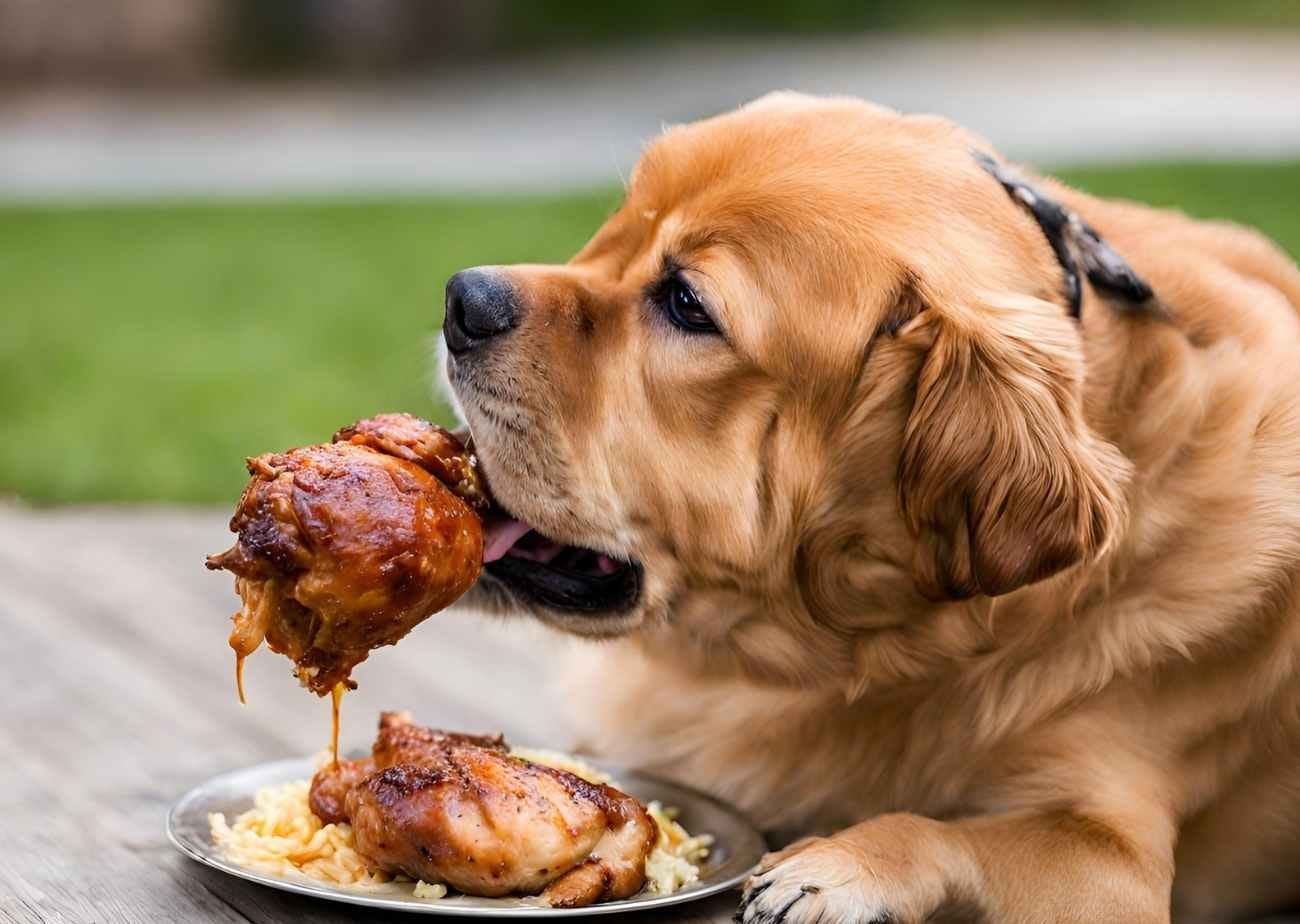
As a pet owner myself, I’ve often stood in the kitchen holding a piece of cooked chicken, wondering if I should share it with my furry friend who’s gazing up at me with those irresistible puppy eyes If you’ve been in this situation too, you’re not alone! One of the most common questions pet parents ask is can dogs eat cooked chicken?
The short answer is YES, dogs can safely eat cooked chicken – but there are some important things you need to know first! In this comprehensive guide, I’ll share everything about feeding cooked chicken to your canine companion, including benefits, risks, and the best ways to serve it.
The Benefits of Feeding Cooked Chicken to Dogs
Cooked chicken offers numerous health benefits for our four-legged friends:
- High in protein: Chicken is an excellent source of lean protein that helps maintain your dog’s muscle mass and overall health.
- Nutrient-rich: It contains essential vitamins and minerals like B6, B12, niacin, iron, zinc, and selenium that support immune function and promote healthy skin and coat.
- Easily digestible: Most dogs can digest cooked chicken without issues, making it a gentle option for pups with sensitive stomachs.
- Weight management aid: As a lean protein source, chicken can help dogs feel full and satisfied, which is helpful for maintaining a healthy weight.
- Training treat potential: Many dogs go crazy for chicken, making it perfect for training sessions and positive reinforcement.
- Versatile: You can serve it alone as a special treat, mix it with your dog’s regular food, or use it in homemade dog treats.
- Healthier alternative: Homemade chicken treats avoid the preservatives and additives found in many commercial dog treats.
Risks and Drawbacks of Feeding Cooked Chicken to Dogs
While cooked chicken is generally safe for dogs, there are several important risks to be aware of:
1. Bone Hazards
NEVER feed your dog chicken bones especially cooked ones! Cooked chicken bones can splinter easily and cause
- Choking hazards
- Tears in the digestive tract
- Intestinal blockages
- Internal injuries that may require emergency surgery
2. Seasoning Dangers
Plain chicken only! Seasonings and additives commonly used in human food preparation can be harmful or even toxic to dogs:
- Garlic and onions are toxic to dogs
- Salt can lead to excessive thirst and sodium ion poisoning
- Spices may cause digestive upset
- Butter and oils can cause pancreatitis
3. Allergic Reactions
Some dogs may be allergic to chicken, Watch for symptoms such as
- Itchy skin or rashes
- Ear infections
- Hair loss
- Vomiting or diarrhea
- Hot spots from excessive licking/chewing
4. Bacterial Contamination
Improperly cooked chicken can contain harmful bacteria like salmonella or E. coli. Always make sure the chicken is thoroughly cooked to eliminate this risk.
5. Nutritional Imbalance
Chicken alone doesn’t provide complete nutrition. It should be part of a balanced diet, not the only food your dog eats.
Safe Ways to Feed Cooked Chicken to Dogs
If you want to include cooked chicken in your dog’s diet, follow these guidelines:
Preparation Tips
- Cook thoroughly: Make sure the chicken is completely cooked through to kill any potentially harmful bacteria.
- Remove ALL bones: Double-check that you’ve removed every single bone before serving.
- Skip the skin: Remove the skin as it’s high in fat and can contribute to pancreatitis.
- No seasonings: Cook the chicken plain – no salt, pepper, garlic, onions, or other seasonings.
- Boiling is best: Boiled chicken is the healthiest preparation method. Avoid fried chicken completely!
Serving Size Guidelines
As a general rule, your dog should have about 1/4-1/3 cup of meat protein per 20 pounds of body weight daily. Here’s a rough guide:
| Dog Size | Weight Range | Recommended Amount |
|---|---|---|
| Extra-small | 2-20 pounds | About 1 tablespoon |
| Small | 21-30 pounds | 2 tablespoons |
| Medium | 31-50 pounds | Up to 1/4 cup |
| Large | 51-90 pounds | About 1/3 cup |
| Extra-large | 91+ pounds | About 1/2 cup |
Remember, these amounts refer to cooked, unseasoned chicken as part of their daily food intake – not in addition to their regular meals!
Chicken Products: What’s Safe and What’s Not
Not all chicken products are created equal when it comes to feeding our furry friends:
✅ Safe Options:
- Plain boiled chicken (best option)
- Baked chicken (unseasoned)
- Low-sodium chicken broth (check ingredients for onion/garlic)
❌ Unsafe Options:
- Chicken nuggets
- Fried chicken
- Chicken with seasonings
- Chicken feet
- Rotisserie chicken (typically contains seasonings)
- Raw chicken (risk of bacteria)
Common Questions About Feeding Chicken to Dogs
Can puppies eat cooked chicken?
Yes! Puppies can eat cooked chicken in small, bite-sized pieces as part of a balanced diet. However, puppies have specific nutritional needs, so consult with your veterinarian about appropriate portions.
What about chicken broth?
Dogs can have plain, low-sodium chicken broth without harmful additives like onion or garlic. It can be a nice addition to their regular food in small amounts or used to soften dry kibble.
Is chicken and rice good for sick dogs?
Boiled chicken and white rice is actually a common remedy recommended by vets for dogs with digestive issues. This bland diet can help settle an upset stomach if your pup is experiencing vomiting or diarrhea.
Can dogs eat chicken skin?
While small amounts won’t usually cause immediate harm, it’s best to remove chicken skin before feeding it to your dog. The skin is high in fat which can cause digestive issues and contribute to weight gain and pancreatitis.
How much chicken is too much?
Even good things need moderation! Too much chicken can lead to:
- Nutritional imbalances
- Weight gain
- Potential digestive upset
- Picky eating (refusing regular dog food)
Always introduce new foods gradually and monitor your dog for any adverse reactions.
What about raw chicken?
I don’t recommend feeding raw chicken to dogs due to the risk of bacterial contamination like salmonella and E. coli. While some pet owners advocate for raw diets, cooked chicken eliminates these risks while maintaining nutritional benefits.
When to Consult Your Veterinarian
Always check with your vet before making significant changes to your dog’s diet, especially in these situations:
- If your dog has existing health conditions
- If your dog is on prescription diet
- If you’re considering making chicken a regular part of your dog’s meals
- If your dog shows any signs of allergic reactions after eating chicken
- If your dog has had pancreatitis or other digestive issues
My Final Thoughts
In my experience as a dog owner, cooked chicken has been a wonderful occasional treat and food topper for my pups. I’ve found that a little bit of plain boiled chicken mixed into their regular food makes mealtime extra special, and small pieces work great as high-value training treats.
However, I’m always careful to follow the safety guidelines – no bones, no skin, no seasonings, and always in moderation. And I’ve learned (the hard way!) that if you give too much chicken too often, some dogs will start refusing their regular food in hopes of getting more of the “good stuff”!
Remember that while dogs can absolutely enjoy cooked chicken safely, it should complement their regular diet, not replace it. A high-quality commercial dog food formulated for your dog’s age, size, and health needs should still make up the majority of their diet to ensure they’re getting complete and balanced nutrition.
Do you feed your dog cooked chicken? What’s been your experience? I’d love to hear about it in the comments below!
Disclaimer: This article is for informational purposes only and is not a substitute for professional veterinary advice. Always consult with your veterinarian before introducing new foods to your dog’s diet, especially if they have existing health conditions or dietary restrictions.
Avocado: Can’t Eat
Avocados should never be consumed by dogs.
This is because they contain a toxin called persin, which is known to be very poisonous to dogs. It may lead to fluid accumulation in their lungs and chest, which can cause breathing difficulties, oxygen deprivation and even death (11).
Persin is found in all parts of the avocado, including the fruit, pit, leaves and bark. Thus, you should always keep avocados away from your dog.
Blueberries: Can Eat
Blueberries are safe and nutritious for dogs to eat.
Blueberries are a rich source of disease-fighting antioxidants and provide a significant amount of vitamins, minerals and fiber, all of which may benefit your dog’s health (15, 16, 17, 18).
Moreover, blueberries are low in calories and small in size, making them an excellent health-conscious treat for your dog (15).