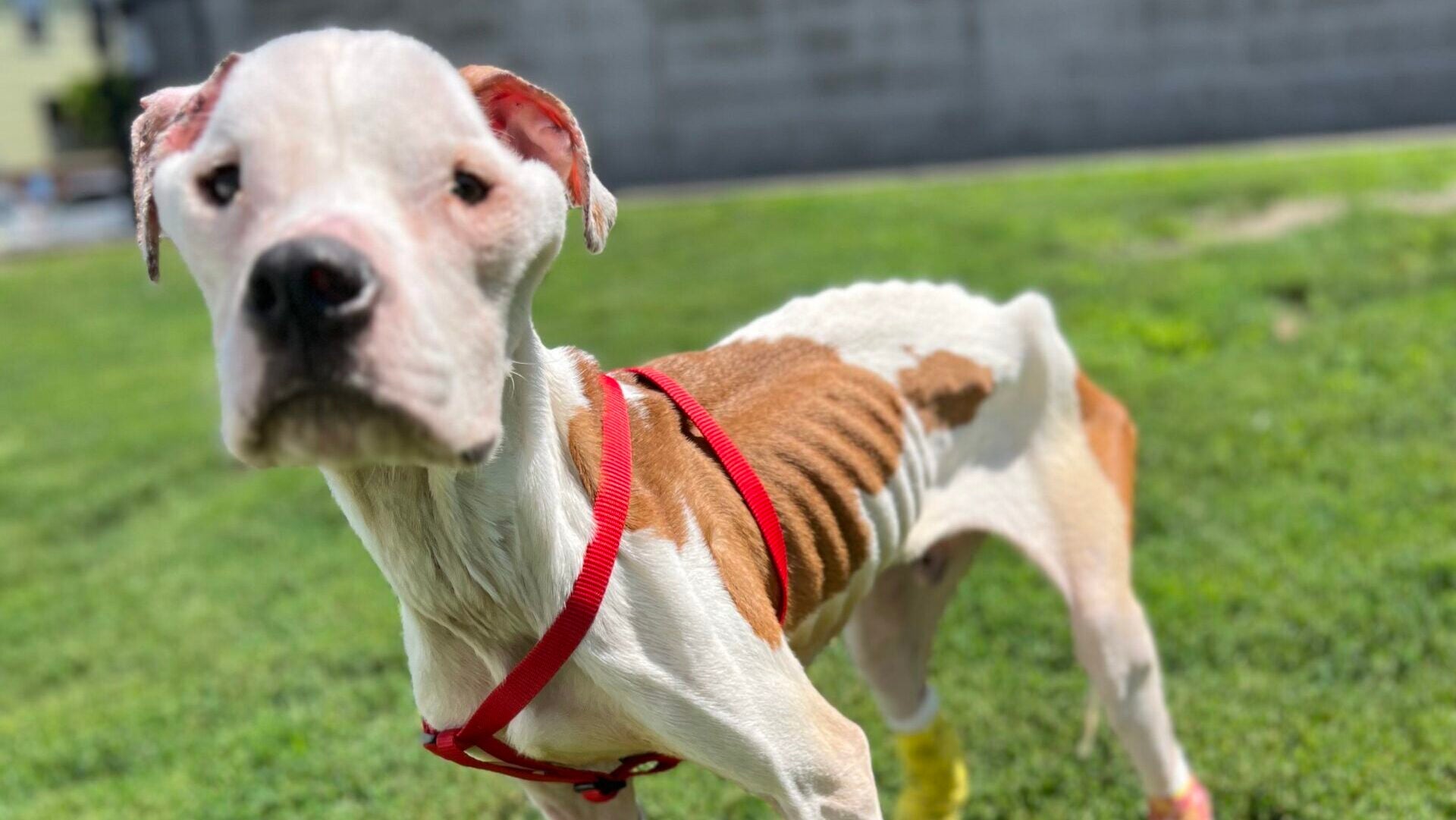
Have you ever watched your furry friend turn their nose up at their food bowl and wondered if they’d actually let themselves waste away rather than eat what you’ve provided? As a dog owner who’s dealt with picky eaters, I’ve definitely had those moments of panic. Let’s dive into this worry that keeps many pet parents up at night.
The Short Answer: Dogs Won’t Intentionally Starve Themselves
Dogs have strong survival instincts that typically prevent them from deliberately starving themselves to death. Unlike humans who might go on hunger strikes for various reasons, dogs don’t have the capacity to make such decisions. However, this doesn’t mean a dog can’t become dangerously undernourished if they refuse to eat for extended periods.
How Long Can Dogs Actually Go Without Food?
A healthy dog can generally survive:
- 2 days before hunger drives them to eat something they initially rejected
- Up to 7 days without food (though this is extremely dangerous)
- Much less time without water (water is far more critical than food)
Keep in mind that these timeframes vary based on your dog’s:
- Age
- Size
- Overall health condition
- Activity level
Warning sign: If your dog refuses food for more than 24 hours, it’s time to contact your vet. Don’t wait for the situation to become critical!
Is Your Dog Actually Not Eating?
Before panicking, make sure your dog isn’t secretly getting nutrition elsewhere
- Check if family members are sneaking treats
- Secure your trash cans (dogs are notorious garbage raiders)
- Watch for stable weight despite apparent food refusal
If your dog isn’t eating their kibble but maintains their weight, they’ve found an alternative food source. This isn’t just about bad behavior—eating garbage can be extremely dangerous for your pup.
5 Main Reasons Dogs Refuse to Eat
1. The Manipulation Master
Dogs are clever little manipulators! Some pups figure out that refusing food gets them something better Your dog may have learned that if they skip kibble, you’ll eventually cave and offer chicken, cheese, or other high-value foods
I had a Beagle who would literally wait by his bowl giving me sad eyes until I added something “special” to his boring kibble. He trained me well!
2. Pain or Discomfort
Your dog might want to eat but something hurts when they try. Check for:
- Broken teeth
- Gum disease
- Objects stuck in their mouth
- Throat issues
- Pain when opening their jaw
3. Spoiled or Unappetizing Food
Dogs have way better noses than we do! They might refuse to eat because:
- The food has gone rancid (even if it smells fine to you)
- Kibble is stale
- There’s mold growth you can’t detect
- Insects have contaminated the food
Always store dog food in airtight containers in cool, dry places to prevent these issues.
4. Medical Issues
A sudden decrease in appetite can signal underlying health problems like:
- Gastrointestinal upset
- Infections
- Kidney or liver disease
- Cancer
- Medication side effects
Watch for other symptoms like:
- Lethargy
- Weight loss
- Vomiting
- Diarrhea
- Changes in water consumption
- Unusual behavior
5. Stress and Anxiety
Dogs are emotional creatures who respond to changes in their environment. Appetite loss might stem from:
- Moving to a new home
- Family members leaving or arriving
- New pets in the household
- Changes in routine
- Separation anxiety
- Environmental stressors like fireworks or storms
How to Get Your Stubborn Dog to Eat Again
Create a Consistent Feeding Schedule
Dogs thrive on routine! Set specific meal times and stick to them religiously:
- Feed at the same times every day
- Give a reasonable time window (about 30 minutes)
- Remove uneaten food after the time limit
- Do not offer food again until the next scheduled mealtime
No Free Feeding
While leaving food out all day works for some dogs, it can reinforce picky eating habits. Instead:
- Present food only at set times
- Remove uneaten portions
- Don’t substitute with treats between meals
- Stay consistent with your approach
Make Mealtime Special
Create positive associations with eating:
- Ensure a quiet, calm environment
- Give your dog their own space
- Avoid hovering or making them nervous
- Use food puzzles to make eating fun
- Try feeding in a different location
Enhance the Appeal of Their Food
Sometimes, the presentation makes all the difference:
- Warm up the food slightly to release aromas
- Add a splash of low-sodium chicken broth
- Mix in a spoonful of wet food with dry kibble
- Try hand-feeding for a short period
- Experiment with different food textures
Boost Their Appetite Naturally
Physical activity can help stimulate hunger:
- Take your dog for a walk before mealtime
- Engage in play sessions to burn energy
- Try feeding after exercise when they’re naturally hungry
When to Worry: Red Flags That Require Vet Attention
While many cases of food refusal are behavioral, some require immediate medical attention. Contact your vet if:
- Your dog hasn’t eaten for 24+ hours
- They’re also refusing water
- You notice rapid weight loss
- There’s vomiting or diarrhea
- Your dog seems lethargic or depressed
- They’re showing signs of pain
- There’s excessive drooling or difficulty swallowing
- Your puppy or senior dog refuses multiple meals
The Myth of “Tough Love” Approach
You might have heard the advice: “Just leave the food out. When they get hungry enough, they’ll eat.” While this works for simple pickiness, it’s dangerous advice for dogs with medical issues.
A better approach is to rule out health problems first, then address behavioral issues with consistency and positive reinforcement.
Changing Your Dog’s Food Properly
If you suspect your dog’s refusing food due to preferences or sensitivities, transition to new food gradually:
| Days | Old Food | New Food |
|---|---|---|
| 1-2 | 75% | 25% |
| 3-4 | 50% | 50% |
| 5-6 | 25% | 75% |
| 7+ | 0% | 100% |
Rushing this process can cause digestive upset and make your dog even less likely to eat.
The Bottom Line
While dogs won’t deliberately starve themselves to death due to their survival instincts, extended periods without eating can lead to serious health complications. Most food refusal resolves within 48 hours, but any longer warrants veterinary attention.
Remember that your dog’s eating habits are often a window into their overall health and wellbeing. A change in appetite should never be ignored completely, but understanding the difference between manipulation and medical necessity will make you a better pet parent.
Have you ever had a dog who went on a “hunger strike”? What finally got them eating again? We’d love to hear your stories in the comments!
FAQs About Dogs and Food Refusal
Q: Can puppies starve themselves?
A: Puppies have smaller energy reserves and can become hypoglycemic quickly. Never let a puppy go more than 12 hours without eating.
Q: My dog only eats when hand-fed. Is this bad?
A: While occasional hand-feeding is fine, consistently requiring it can create dependency. Work gradually toward independent eating.
Q: Should I force-feed my dog if they won’t eat?
A: Never force-feed a resistant dog as this can cause trauma and aversion. If nutrition is critical, your vet may recommend appetite stimulants or temporary feeding tubes.
Q: Could my dog be refusing food due to dental problems?
A: Absolutely! Dental pain is a common reason for food refusal, especially in older dogs or those who suddenly stop eating hard kibble.
Q: Will adding human food to dog food create a picky eater?
A: It can! While occasional toppers are fine, consistently “bribing” with human food trains your dog to hold out for something better.
Remember, your patience and consistency are key when dealing with a dog who won’t eat. Most cases resolve with time and proper approach, but never hesitate to involve your veterinarian when in doubt!