
Generally, vaccines expose the immune system of your pet to a specific type of infection. This then activates your pet’s white blood cells to initiate the production of antibodies. The antibodies that your pet’s immune system generates then attach to the infection and destroy it. Infected cells are also targeted to eliminate any trace of the pathogen. Through pet vaccines, your pet’s body will remember the type of infection and combat it the moment it invades their body. Vaccinating your pet is beneficial, especially when they are started at an early age. Even so, other people do not think that pet vaccines benefit pets. Are you conflicted? Let’s discuss the things that can happen if you don’t have your pet vaccinated.
Have you ever wondered if your furry friend could make it through life without those dreaded trips to the vet for shots? Maybe you’re worried about vaccine reactions or you’ve read some concerning articles online. I get it – as pet parents, we want what’s best for our dogs, but sometimes it’s hard to know what that really is.
The Hard Truth About Unvaccinated Dogs
Let’s cut to the chase Yes a dog can technically survive without vaccinations but it’s extremely risky and not recommended. Think of it like driving without a seatbelt – you might be fine, but you’re taking a huge and unnecessary gamble with your pet’s life.
When my neighbor decided to skip her puppy’s vaccines to “keep things natural” she ended up with a $3,000 emergency vet bill when her dog contracted parvovirus. The poor pup survived but barely, and suffered tremendously during treatment.
What’s Really at Stake When You Skip Vaccinations
Dogs without vaccines face serious threats from preventable diseases that can cause suffering or death
Dangerous Diseases That Target Unvaccinated Dogs
-
Parvovirus: This highly contagious virus attacks a dog’s gastrointestinal tract, causing severe vomiting, bloody diarrhea, and dehydration. Puppies are especially vulnerable, with a fatality rate greater than 90% when left untreated. Even with treatment (which can cost thousands), many dogs don’t survive.
-
Distemper: This virus affects a dog’s respiratory, gastrointestinal, and nervous systems. It can lead to seizures, paralysis, and often death. Young puppies and unvaccinated dogs face the highest risk, especially in places where dogs gather like parks, daycares, or grooming salons.
-
Leptospirosis: This bacterial infection spreads through urine (often from infected wildlife) and can cause kidney or liver failure. What’s scarier is that it can spread to humans too, making it a risk for your entire family.
-
Rabies: Perhaps the most frightening of all, rabies attacks the nervous system and is almost always fatal once symptoms appear. If your unvaccinated dog is bitten by a wild animal, they’ll either face:
- Quarantine for 4-6 months at your expense
- Euthanasia to prevent potential spread
- In some areas, a post-exposure vaccine followed by strict quarantine
These aren’t just rare occurrences – they’re real risks that unvaccinated dogs face every day.
The Legal Side of Skipping Vaccines
Beyond health concerns, not vaccinating your dog can land you in legal trouble:
- Mandatory rabies vaccination is required by law in most places
- Unvaccinated dogs that bite someone face stricter quarantine requirements (often at your expense)
- Many services like boarding, grooming, and dog parks require proof of vaccination
- You could face fines or other penalties for non-compliance with local regulations
Can Natural Immunity Replace Vaccines?
Some pet owners wonder if their dog could just develop natural immunity instead. While dogs can develop natural immunity to certain diseases, this approach is dangerous for several reasons:
- Your dog would need to actually contract the disease first (and survive it)
- The process of getting sick enough to develop immunity could be fatal
- Your dog would suffer unnecessarily through a preventable illness
- They could spread the disease to other animals before recovering
Think of vaccines as a “training program” for your dog’s immune system. They teach the body how to fight off specific diseases without having to experience the full-blown illness.
What About Vaccine Reactions?
One of the biggest concerns I hear from fellow dog owners is about vaccine reactions. It’s true that some dogs can experience side effects from vaccines, but let’s put this in perspective:
Common mild reactions include:
- Slight fatigue
- Soreness at the injection site
- Low-grade fever
These typically resolve within 1-2 days and are just signs your dog’s immune system is responding appropriately.
Serious reactions are rare and occur in a very small percentage of vaccinated pets. Your vet can take precautions if your dog has a history of reactions, such as:
- Adjusting the vaccination schedule
- Closer monitoring after shots
- Pre-medicating to reduce reaction risk
The risk of serious disease from skipping vaccines far outweighs the small chance of a significant vaccine reaction.
The Herd Immunity Factor
When a large percentage of dogs are vaccinated, it creates what’s called “herd immunity.” This means the disease has fewer hosts to infect and spread through, which indirectly protects vulnerable dogs who can’t be vaccinated for medical reasons.
By choosing not to vaccinate your healthy dog, you’re not just putting them at risk – you’re potentially weakening this protective bubble for all dogs in your community.
Are There Alternatives to Traditional Vaccines?
Some pet owners look into alternatives like homeopathic remedies or nosodes. I need to be straightforward with you – these alternatives lack scientific evidence supporting their effectiveness against serious diseases. They simply don’t provide the same protection as proven vaccines.
If you’re concerned about over-vaccination, a better approach is to:
- Talk to your vet about a tailored vaccination schedule
- Consider titer testing to check immunity levels before revaccination
- Discuss which vaccines are most critical for your dog’s specific lifestyle and risk factors
Beyond Vaccines: Supporting Your Dog’s Health
While vaccines are crucial, they’re just one part of keeping your dog healthy. A holistic approach includes:
Proper Nutrition
A well-balanced diet rich in quality proteins, vitamins, and minerals helps support your dog’s immune system. I’ve noticed my own dog has much more energy and fewer health issues since switching to a higher-quality food.
Regular Veterinary Check-ups
Even if you’re cautious about vaccines, don’t skip regular vet visits. Early detection of health problems can make a huge difference in treatment success.
Clean Environment
Reduce exposure to pathogens by keeping your dog’s living space clean and avoiding contact with obviously sick animals.
Exercise and Mental Stimulation
A happy, active dog typically has a stronger immune system than a stressed, bored one.
Making an Informed Decision
At the end of the day, the decision about vaccinating your dog is yours to make – but it should be an informed one based on scientific evidence and veterinary guidance, not internet rumors or anecdotes.
I strongly recommend working with a veterinarian you trust to create a vaccination plan tailored to your dog’s specific needs. This might include:
- Core vaccines that protect against the most serious diseases
- Non-core vaccines based on your dog’s lifestyle and risk factors
- An appropriate schedule that doesn’t over-vaccinate but provides necessary protection
Final Thoughts
While it’s technically possible for a dog to survive without vaccinations, the risks are significant and unnecessary. The scientific evidence overwhelmingly supports vaccination as a safe and effective way to protect your dog from suffering and potentially fatal diseases.
I believe our pets rely on us to make good decisions for their health and wellbeing. When we bring a dog into our lives, we accept responsibility for protecting them from harm – including preventable diseases. Vaccination is one of the most basic and important ways we can fulfill that responsibility.
Have you had experiences with vaccination decisions for your pets? What factors influenced your choice? I’d love to hear your thoughts in the comments below!
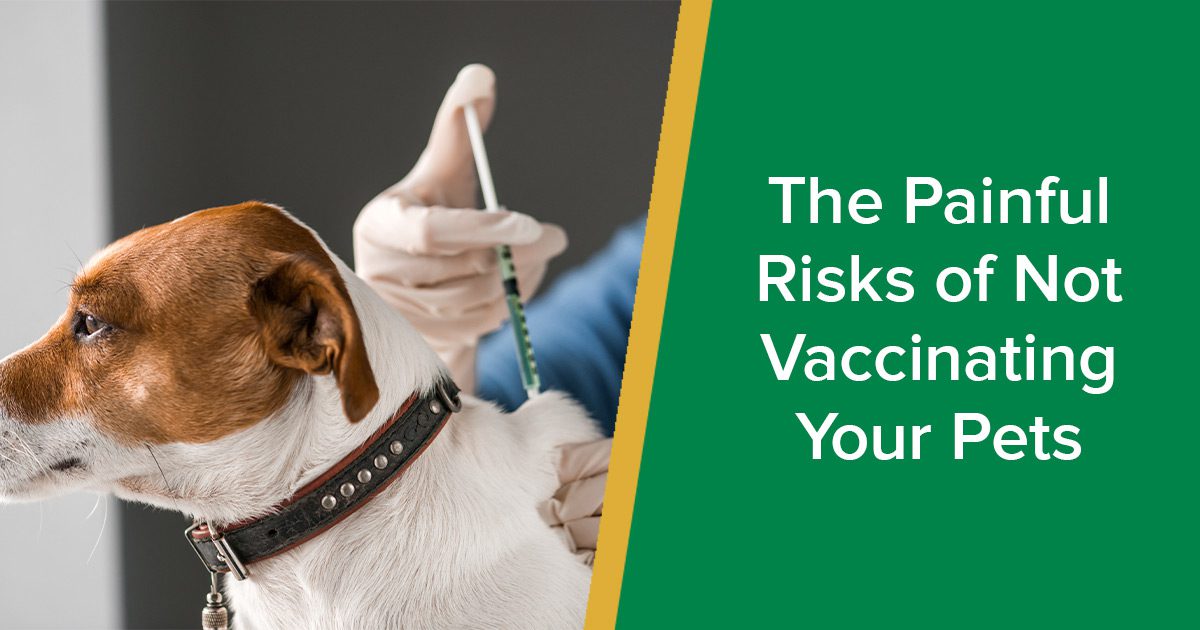
Your Pet Will Be Susceptible to Detrimental and Fatal Diseases
Whether you like it or not, your pet will be more vulnerable to various viruses. It doesn’t matter if they are indoor pets. These microscopic assassins enter your home and find their way to your pets. If you don’t protect your pets with vaccines, you will be putting them at risk of contracting diseases. Since they don’t have activated antibodies to fight off infections, they would only be left to deteriorate. Fatal results usually follow. If dogs aren’t vaccinated at a young age, they will be vulnerable to diseases such as rabies, canine distemper, hepatitis, canine parvovirus, Lyme disease, canine influenza, leptospirosis, and kennel cough. If cats do not receive their shots during kittenhood, they will most likely contract feline calicivirus, rabies, feline distemper, feline viral rhinotracheitis, feline leukemia, chlamydia, and kennel cough.
Can You Raise Your Puppy Without Vaccines
FAQ
What happens if you don’t vaccinate your dog?
If you don’t vaccinate your dog, they are at high risk of contracting fatal and highly contagious diseases like parvovirus, distemper, and rabies, which can lead to severe illness, death, and expensive treatments. Unvaccinated dogs also pose a risk to other pets and people, as diseases like leptospirosis can spread to humans. Additionally, a lack of vaccination can prevent your dog from accessing certain boarding facilities, grooming services, or travel destinations, and may lead to legal issues, as rabies vaccinations are often legally required.
How long can my dog go without shots?
Can my dog live without vaccinations?
If you don’t vaccinate your dog, your dog will be vulnerable to deadly diseases such as parvo, distemper and rabies. Not only will your dog die a horrible death if it contracts one of these diseases, it also will put other dogs at risk by potentially spreading the disease.
Do dogs live longer unvaccinated?