
Dog farting can be an unpleasant part of being a pet parent—the gaseous odors that emanate from your pup can be surprising and overbearing.
In most cases, dog farting is harmless. However, excessive gas in dogs can be indicative of an underlying health condition that needs to be treated.
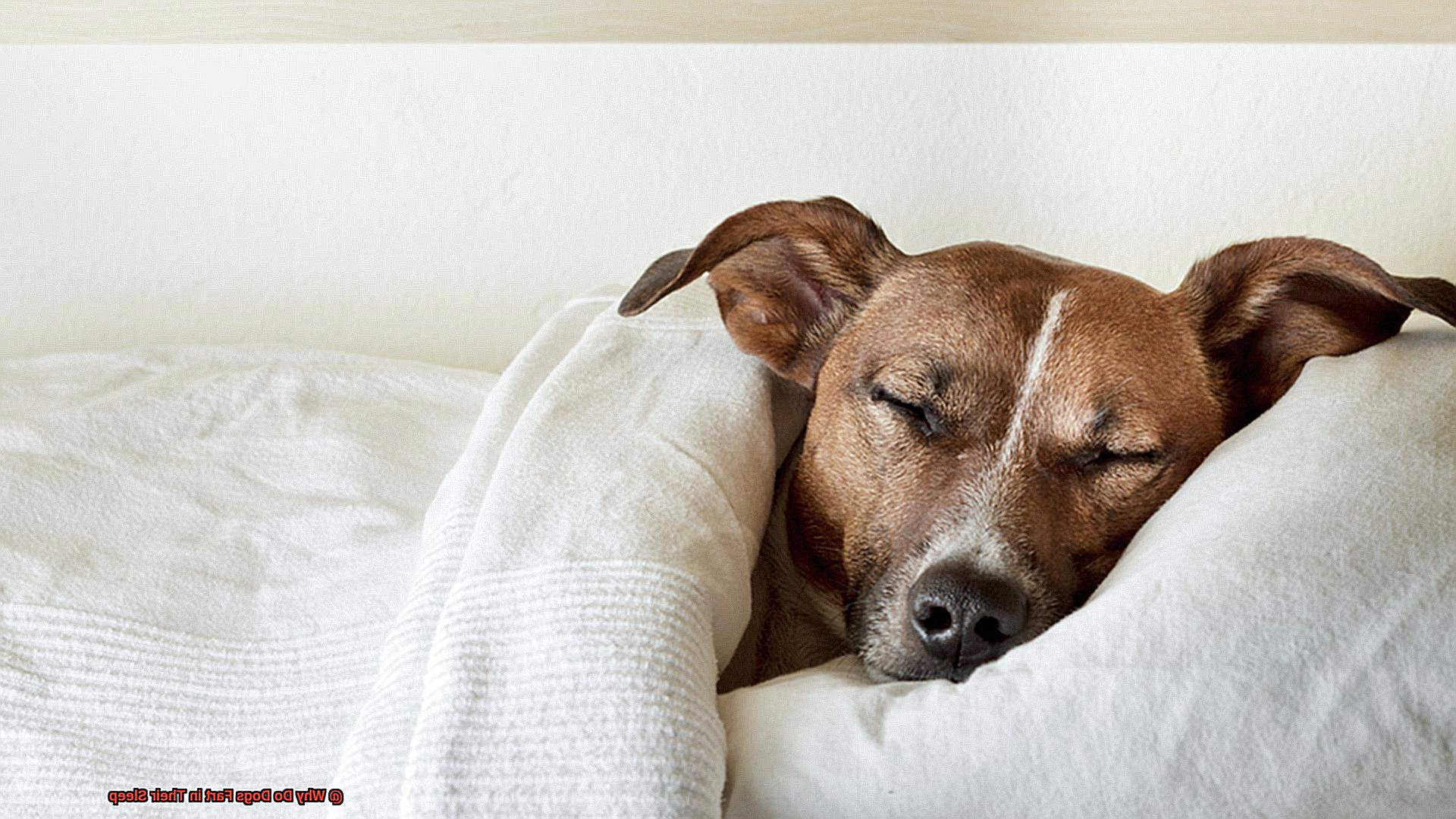
Have you ever been peacefully sleeping next to your furry friend when suddenly, you’re awakened by an unmistakable odor that could only be described as… well, a dog fart? If so, you’re definitely not alone! As a dog owner myself, I’ve experienced those middle-of-the-night “gas attacks” that make you question your life choices about sharing your bed with your pup.
The answer to whether dogs can fart in their sleep is a resounding yes – and it’s completely normal! In fact, many dog owners report that their canine companions seem to save their most potent gas for bedtime. Let’s dive deep into this stinky but fascinating topic to understand why our sleeping pooches become little gas factories and what we can do about it.
Why Do Dogs Fart in Their Sleep?
Just like us humans, dogs experience natural bodily functions including passing gas When they’re sleeping, several factors make them more likely to let one rip
1. Complete Muscle Relaxation
“It is normal for dogs to pass gas while sleeping since their muscles are at their most relaxed,” explains Dr Carly Fox, senior veterinarian at the Schwarzman Animal Medical Center This muscle relaxation includes the sphincter muscles that normally help control gas release.
2. Slow Digestion During Sleep
When your dog is snoozing, their digestive system slows down. Food may not digest as quickly, leading to fermentation in the intestines and subsequent gas production. This is especially true if your dog ate a large meal before bedtime.
3. Breed-Specific Factors
If you have a brachycephalic breed (those with short snouts and flat faces like bulldogs and pugs), they’re more prone to excessive farting. These breeds tend to swallow more air when breathing compared to dogs with longer snouts, resulting in more gas that needs to escape.
4. Diet-Related Issues
What goes in must come out—sometimes as gas! Certain foods in your dog’s diet can lead to increased gas production
- Foods high in fiber
- Beans, broccoli, cabbage
- Certain grains
- Low-quality dog food ingredients
- Human food scraps (especially fatty foods)
5. Swallowing Too Much Air
Dogs who eat too quickly often gulp down air along with their food. This air has to exit somewhere, and often chooses the rear exit while your dog is in dreamland.
Why Do Dog Farts Smell So Bad?
Let’s address the elephant (or should I say, dog) in the room—the smell. Dog farts can be particularly offensive to human noses for several reasons:
“Dog farts can be particularly odorous due to a combination of their diet, gut flora, and digestive efficiency,” notes Dr. Fox. “Some dogs have underlying gastrointestinal disease that can contribute to worse odor. Also, depending on their diet — like if it’s high in protein or made with low-quality ingredients — the smell of their flatulence can vary.”
In other words, your dog’s unique digestive system and what they eat directly impact just how room-clearing their nighttime emissions can be.
Is Excessive Farting Normal or a Warning Sign?
While some farting is completely normal for dogs (just as it is for humans), excessive gas might indicate an underlying issue. Here’s when you should be concerned:
Red Flags to Watch For:
- Farting accompanied by diarrhea
- Vomiting along with increased gas
- Distended or bloated abdomen
- Loss of appetite
- Weight loss
- Fecal incontinence
- A sudden, dramatic increase in flatulence
If you notice any of these symptoms alongside your dog’s increased gas, it’s time to consult your veterinarian. These could indicate gastrointestinal disease or other health issues that require medical attention.
How to Reduce Your Dog’s Nighttime Farting
While you probably can’t eliminate your dog’s gas entirely (they are living creatures, after all), there are several effective strategies to minimize those sleep-disrupting toots:
1. Monitor and Adjust Your Dog’s Diet
The saying “you are what you eat” applies to our canine friends too. Making smart dietary choices can significantly reduce flatulence:
- Switch to high-quality dog food: Premium foods with easily digestible ingredients generally produce less gas.
- Identify trigger foods: Keep track of what your dog eats and when they’re particularly gassy to identify potential culprits.
- Gradual diet changes: When switching foods, do so gradually over 7-10 days to prevent digestive upset.
- Avoid table scraps: Human foods often cause digestive issues in dogs.
2. Change Feeding Patterns
How and when your dog eats can make a big difference:
- Feed smaller, more frequent meals: Instead of one or two large meals, consider dividing your dog’s daily portion into 3-4 smaller meals.
- Avoid feeding right before bedtime: Try to feed your dog at least a few hours before sleep to allow for digestion.
- Slow down fast eaters: Use slow-feed bowls or puzzle feeders to prevent your dog from gulping air while eating.
3. Support Digestive Health
These additional strategies can help promote healthy digestion:
- Consider probiotics: “You can be proactive about your dog’s gut health by feeding them a high-quality diet, keeping them trim, taking them to the vet for routine care, and also starting a probiotic to add into their food,” advises Dr. Fox. Popular canine probiotics include Visbiome (prescription) and several over-the-counter options.
- Regular exercise: Daily physical activity helps stimulate proper digestion and can reduce gas.
- Fresh water: Ensure your dog always has access to clean water to aid digestion.
4. Rule Out Medical Issues
If your dog’s flatulence seems excessive despite dietary changes:
- Schedule a veterinary check-up
- Discuss potential food sensitivities or allergies
- Ask about diagnostic tests if necessary
The Science Behind the Stink: Why Sleep Makes It Worse
During sleep, several physiological changes occur in dogs that contribute to increased flatulence:
- Slowed metabolic rate: The entire digestive system slows down during sleep.
- Decreased movement: Physical activity helps move gas through the intestines; sleep eliminates this benefit.
- Horizontal position: Lying down can trap gas in the intestines that might otherwise escape during movement.
- Relaxed anal sphincter: As mentioned earlier, sleep relaxes the muscles that normally help control gas release.
Common Scenarios Dog Owners Experience
If any of these sound familiar, you’re definitely not alone:
- The midnight wake-up call: You’re startled awake by an unmistakable odor and your dog snoring peacefully beside you.
- The silent but deadly: You don’t hear a thing, but suddenly the air quality in your bedroom has drastically decreased.
- The blame game: Your partner accuses you of the foul smell until you both realize the dog is the culprit.
- The evacuation plan: You temporarily relocate to the couch to escape the toxic cloud emanating from your beloved pet.
FAQ About Dogs Farting in Their Sleep
Is it normal for puppies to fart more than adult dogs?
Yes! Puppies often have more sensitive digestive systems and may be more prone to gas as they adjust to new foods and environments. Their digestive systems are still developing, which can lead to more frequent gas episodes, especially during sleep.
Can anxiety cause increased farting in dogs?
Absolutely. Stress and anxiety can affect a dog’s digestive system, leading to increased gas production. Dogs with separation anxiety or those experiencing environmental stressors might show increased flatulence, particularly at night.
Should I wake my dog if they’re farting a lot?
Generally, no. Let sleeping dogs lie, even if they’re a bit gassy. Disrupting their sleep won’t solve the flatulence issue and might just cause stress. Instead, focus on the preventative measures discussed earlier.
Are certain dog breeds more prone to flatulence?
Yes! Brachycephalic (flat-faced) breeds like Bulldogs, Pugs, Boston Terriers, and Boxers are notorious for their gas due to their anatomy and tendency to swallow air. Large, deep-chested breeds like Great Danes may also be more prone to digestive issues that cause gas.
How long after eating do dogs typically develop gas?
Most dogs will develop gas within 30 minutes to a few hours after eating, depending on what they’ve consumed. This is why timing meals earlier in the day rather than right before bedtime can help reduce nighttime flatulence.
When to See a Vet About Your Dog’s Gas
While occasional farting is normal, sometimes it indicates a problem requiring veterinary attention. Contact your vet if your dog’s gas is:
- Extremely frequent and persistent despite dietary changes
- Accompanied by other symptoms (mentioned in the red flags section)
- Causing your dog visible discomfort
- A sudden, dramatic change from their normal patterns
Your veterinarian may recommend:
- Physical examination
- Blood tests
- Fecal analysis
- Abdominal ultrasound
- Specialized diet trials
The Bottom Line
Yes, dogs absolutely can and do fart in their sleep—it’s a normal bodily function! While those nighttime emissions might temporarily drive you to the couch, in most cases, they’re just a smelly but harmless part of canine physiology.
By understanding the causes and implementing some simple changes to your dog’s diet and feeding routine, you can help minimize those sleep-disrupting gas attacks. And remember, if your dog’s flatulence seems excessive or is accompanied by other concerning symptoms, don’t hesitate to consult your veterinarian.
So the next time you’re awakened by your pup’s potent posterior emissions, take comfort in knowing that you’re experiencing one of the most universal (if unpleasant) aspects of the human-canine bond. After all, true love means accepting your furry friend—gas and all!
Why Do Dog Farts Smell So Bad?
The gas produced by your dog can vary dramatically from nearly silent and odorless to loud and foul smelling.
There are several reasons for this, but usually is caused by either diet, or metabolism.
High-fiber foods take longer to digest, which then results in stronger smelling flatulence. Some foods will contain sulfur, which result in gas that smells like rotten eggs.
If your dog has a dietary intolerance (such as to lactose), the food may be fermented by bacteria in the gut, which also triggers a foul odor.
Similarly, bacterial infections and inflammation in the intestinal tract can result in excessive smell.
Anything that moves food too slowly or too quickly through the intestinal tract will result in gas that has a strong odor.
What Can I Give My Dog for Gas Relief?
Examining your dog’s diet and ruling out actual disease are the first steps in addressing flatulence. There are medications that can help if you feel that the problem is great enough to justify it.
Speak to your veterinarian for medication recommendations specific to your pup.