
Hey there, fellow pet parents! Today, were diving deep into the wonderful world of probiotics: beneficial microorganisms that can support your furry friends digestive health. These friendly bacteria work their magic by maintaining a healthy balance in the gut and helping fend off nasty intruders.
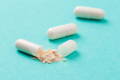
So, what do probiotics look like? You might find them in the form of pills, capsules, powders, or even in soft chews. But wait! Before you go sneaking your own probiotics into their kibble, lets find out if it’s safe for your dog to share our probiotics. We’ll bet you already know the answer!
Are you standing in your kitchen, probiotic capsule in hand, wondering if you can share the gut-health goodness with your furry friend? As a dog owner who’s experienced the confusing world of canine supplements, I’ve been exactly where you are. probiotics have gained massive popularity for supporting digestive health, but the burning question remains can dogs have human probiotics safely? The short answer is complicated – while they’re generally not harmful in small doses, they’re not ideal for your pup’s unique digestive system
Let’s dive into everything you need to know about giving human probiotics to dogs, what alternatives exist, and how to best support your furry friend’s gut health without causing more problems than you solve.
Dogs and Probiotics: Understanding the Basics
Before we tackle whether human probiotics are appropriate for dogs let’s understand what probiotics actually are and why they matter for our canine companions.
What Are Probiotics Anyway?
Probiotics are live microorganisms – essentially “good bacteria” – that help maintain a healthy balance in your gut In dogs, these beneficial bacteria support
- Digestive function
- Immune system health
- Nutrient absorption
- Protection against harmful bacteria
- Skin health
- Even mood regulation
The recognized definition of probiotics is “live micro-organisms that, when administered in adequate amounts, confer a health benefit on the host.” Just like humans, dogs have trillions of beneficial microbes living in their guts that influence everything from digestion to immune function.
Dogs vs. Humans: Different Gut Microbiomes
Here’s where things get interesting. While both humans and dogs have gut microbiomes, they’re quite different in composition:
- A dog’s microbiome consists primarily of five predominant phyla: Firmicutes, Bacteroidetes, Proteobacteria, Actinobacteria, and Fusobacteria
- The main bacterial types in dogs are Fusobacterium, Bacteroides, and Firmicutes
- What’s harmless or beneficial in one species might cause problems in another
For example, Fusobacteria is abundant in healthy dogs but can be associated with gut disease in humans. Similarly, Clostridium difficile, which causes serious illness in humans, is commonly found in perfectly healthy dogs!
Can Dogs Take Human Probiotics? The Truth
So, can dogs have probiotics meant for humans? This is where we need to be careful.
The Technical Answer
Technically, yes—dogs can consume human probiotics without immediate harm in most cases. However, we do not currently recommend to try these as human gut flora differs markedly from canine gut flora and there are risks that this type of supplement may not provide the intended benefits.
Why Human Probiotics Aren’t Ideal for Dogs
Several important factors make human probiotics less than ideal for your furry friend:
- Different bacterial strains: Human probiotics contain strains optimized for human gut conditions, not canine digestive systems
- Ineffective colonization: Human bacterial strains may not effectively colonize a dog’s gut
- Potential additives: Some human probiotic products contain ingredients harmful to dogs (like xylitol/birch sugar)
- Untested safety: Very few human probiotic products have been clinically tested in dogs
- Minimal benefits: Even if they don’t cause harm, they may provide little to no actual benefit
Possible Side Effects
If you do give your dog human probiotics, watch for:
- Gas and bloating
- Changes in stool consistency
- Digestive discomfort
- In rare cases, more serious digestive upset
Better Alternatives: Dog-Specific Probiotics
Rather than risking human probiotics, veterinarians typically recommend species-specific probiotics designed especially for dogs.
Veterinarian-Recommended Probiotic Strains for Dogs
Look for products containing these clinically-tested strains:
- Enterococcus faecium
- Bacillus coagulans
- Specific strains of Lactobacillus acidophilus approved for canine use
Top Dog Probiotic Products
Some widely recommended options include:
- Purina Pro Plan FortiFlora (contains Enterococcus faecium)
- Nutramax Proviable-DC (multi-strain formula for sensitive stomachs)
- Specific products formulated and safety-tested for dogs
Natural Probiotic Options for Dogs
If you prefer a more natural approach, there are food-based options that can provide probiotic benefits:
Yogurt and Kefir
Plain, unsweetened yogurt (especially Greek yogurt) contains live cultures that can support gut health. Similarly, plain kefir can offer probiotic benefits. However:
- Always choose plain varieties with no added sugar or artificial sweeteners
- Start with small amounts (one tablespoon for medium-sized dogs)
- Monitor for any signs of lactose intolerance
Fermented Vegetables
Small amounts of certain fermented vegetables can provide probiotic benefits:
- Plain sauerkraut (no garlic or onion)
- Fermented carrots
- Other fermented vegetables (in very small quantities)
Start extremely slow – maybe just a teaspoon – to see how your dog reacts.
When Probiotics Might Help Your Dog
Probiotics can be particularly beneficial in certain situations:
- After antibiotic treatment
- During stressful situations (boarding, moving, etc.)
- For dogs with chronic digestive issues
- To support immune function
- For skin allergies and related issues
- During dietary transitions
What Makes a Good Dog Probiotic?
When choosing a probiotic for your dog, look for products that:
- Contain micro-organisms registered for use in dogs
- Clearly list the types of bacteria, including specific strains
- Guarantee the number of live bacteria present at the end of shelf life
- Are within the expiration date
- Have evidence backing their claims
- Are specifically formulated for dogs
How to Improve Your Dog’s Gut Health Naturally
Beyond probiotics, there are several ways to support your dog’s digestive health:
- Feed a balanced, high-quality diet
- Add fiber sources like pumpkin or sweet potato
- Ensure regular exercise
- Reduce stress
- Maintain a clean environment (including picking up waste promptly)
- Provide fresh, clean water at all times
When to Consult Your Vet
Always talk to your veterinarian before starting any supplement regimen. This is particularly important if your dog:
- Has existing health conditions
- Is taking medications
- Is very young or elderly
- Has shown previous sensitivity to supplements
- Is pregnant or nursing
Your vet can recommend the best probiotic strains and dosages for your specific dog’s needs.
FAQs About Dogs and Probiotics
Can human probiotics hurt dogs?
While human probiotics typically won’t cause serious harm, they’re not formulated for dogs’ unique digestive systems. They may cause digestive upset and likely won’t provide the same benefits as dog-specific probiotics.
Can I give my dog yogurt as a probiotic?
Yes, plain, unsweetened yogurt can be given in small amounts as a natural probiotic source. Start with small quantities (1 teaspoon for small dogs, 1 tablespoon for larger dogs) and monitor for any signs of digestive upset or lactose intolerance.
How long does it take for probiotics to work in dogs?
This varies depending on why you’re giving probiotics. For acute diarrhea, you might see improvement within 24-48 hours. For chronic conditions or general wellness, it may take 2-4 weeks to notice benefits.
Can probiotics make my dog’s diarrhea worse?
In some cases, probiotics may initially cause loose stools as the gut microbiome adjusts. However, if diarrhea worsens significantly or persists beyond a few days, discontinue the probiotic and consult your veterinarian.
Should probiotics be given with food?
Most veterinarians recommend giving probiotics with food to help the beneficial bacteria survive the acidic environment of the stomach.
The Bottom Line on Human Probiotics for Dogs
While human probiotics aren’t likely to be dangerous for your dog in small amounts, they’re simply not designed for your dog’s unique digestive system. The differences between human and canine gut microbiomes mean that human probiotics may be ineffective at best and potentially disruptive at worst.
Instead of sharing your supplements, invest in a high-quality, dog-specific probiotic that’s been formulated and tested for canine use. Your dog’s gut (and the rest of their body) will thank you!
Remember, just like us humans, every dog is unique. What works wonderfully for one pup might not be ideal for another. Working with your veterinarian to find the right probiotic approach for your specific dog is always the best strategy for supporting their gut health and overall wellbeing.
Have you tried giving your dog probiotics? We’d love to hear about your experiences in the comments!

Different bacterial strains Dogs and humans have different digestive systems, which means they need specific strains of bacteria to support their unique needs. Probiotics formulated for humans might not have the right bacteria strains to benefit your furry friend.
Happy tummies Probiotics for dogs can work wonders by supporting the digestive tract and keeping gut bacteria in tip-top shape. They can help dogs digest their food, regulate bowel movements, reduce gas and bloating, and even help alleviate symptoms of dog diarrhea or constipation.
Now, the million-dollar question: Does my dog need probiotics? Well, it depends. Just like us humans, every pup is unique. While many dogs can benefit from the help that probiotics provide, others may have ‘guts of steel’ and don’t need the extra help.
However, as devoted pet parents, we should always strive to be proactive about supporting our dogs gut health. This includes offering a balanced diet, encouraging daily exercise to keep things moving, and ensuring they have access to clean water for proper hydration.
In some cases, veterinarians may recommend probiotics for certain dogs, such as those who have recently undergone antibiotic treatment. Antibiotics, while effective at fighting off harmful bacteria, can also disrupt the balance of good bacteria in the gut. Probiotics can help restore that balance and aid in the recovery process.
Dogs with sensitive stomachs, food allergies, or digestive issues may also benefit from probiotic supplementation. A course of probiotic treatment–or a daily probiotic supplement for dogs–can help target inflammation, support dogs with gastrointestinal disorders, and promote overall digestive wellness.