
Dog hair loss, also known as alopecia, can be caused by a variety of different circumstances and conditions. Unlike shedding, alopecia is the falling out of patches or generalized areas of hair outside of the normal shedding cycle, often resulting in bald spots.
This can happen to any dog at any time, regardless of breed or age, and it can also appear as thinning hair rather than completely bald areas. That said, some breeds are more prone to this condition. For some, such as Chinese Cresteds, hair loss or baldness is normal. Other breeds, like Dachshunds and Bulldogs, are prone to genetic alopecia.
Dog hair loss is often accompanied by skin issues such as discoloration, inflammation, dryness, or even open sores. If you’re seeking dog hair loss home remedies or more information about what your dog’s bald spots might be caused by, read on.
If you’ve noticed your furry friend scratching more than usual and developing concerning bald patches, you might be wondering can dogs lose hair from fleas? The short answer is absolutely yes – these tiny parasites are one of the most common causes of hair loss in our canine companions.
At PetMade, we’ve seen countless cases of dogs suffering from flea-related hair loss. These pesky insects don’t just cause itching – they can trigger serious skin problems that lead to patchy baldness, skin irritation, and discomfort for your pet.
Why Fleas Make Dogs Lose Their Fur
Fleas aren’t just annoying – they’re actually quite destructive to your dog’s coat, Here’s how these tiny parasites cause hair loss
Flea Saliva: The Allergic Trigger
When a flea bites your dog, it injects saliva containing over 15 different allergens that can trigger intense reactions This flea saliva is the real troublemaker!
Many dogs develop a condition called flea allergy dermatitis – an allergic reaction to proteins in flea saliva. Even a single bite can cause days of intense itching in sensitive dogs. The allergic response creates inflammation that:
- Weakens hair follicles
- Disrupts normal coat growth cycles
- Makes skin red, swollen and unbearably itchy
The Scratching Cycle
The real hair loss often comes from your dog’s response to the bites. The itching is so intense that dogs will:
- Scratch constantly
- Chew at their skin
- Lick affected areas obsessively
This self-trauma pulls out healthy fur, damages skin, and creates a destructive cycle. The more they scratch, the itchier they become, leading to more scratching and more hair loss.
How to Recognize Flea-Related Hair Loss
If fleas are causing your dog’s hair loss, you’ll likely notice some specific patterns and symptoms:
Common Signs to Watch For
- Patchy baldness near the tail base, back legs, and belly
- Red, irritated skin with small bumps or scabs
- Excessive scratching, especially after rest periods
- Black specks throughout the coat (flea dirt)
- Visible fleas jumping through the fur
- Restlessness and difficulty sleeping
- Triangular hair loss patterns starting at the tail base
- Brittle coat texture in affected areas
The Flea Dirt Test
Not sure if those black specks are flea dirt? Here’s a simple test:
- Place the specks on a damp white paper towel
- Wait a moment
- If the specks dissolve into reddish-brown stains, it’s flea dirt (dried blood)
- Regular dirt remains black
Common Areas Where Fleas Cause Hair Loss
Fleas are strategic about where they set up camp on your dog. They prefer warm, protected areas where they can feed undisturbed:
- Tail base – The primary location (dogs struggle to reach this spot)
- Inner thighs and groin areas
- Lower back
- Belly
- Neck and collar area
You’ll often notice triangular hair loss patterns starting at the tail base and extending down the back legs – this is classic for flea infestations.
Will My Dog’s Hair Grow Back After Fleas?
Good news! In most cases, your dog’s fur will grow back after you’ve eliminated the flea problem. Hair regrowth typically takes 4 to 12 weeks, depending on:
- The extent of the damage
- Your dog’s overall health
- Their age (senior dogs may take 8-12 weeks, while puppies recover in 3-6 weeks)
- Any secondary infections
The key is to treat the fleas completely and support your dog’s skin and coat health during recovery.
How to Help Your Dog’s Coat Recover After Fleas
Once you’ve addressed the flea problem, you’ll want to support your dog’s coat recovery:
Nutritional Support
What your dog eats plays a huge role in coat regrowth:
- Omega-3 fatty acids from fish oil reduce inflammation and moisturize skin internally
- Vitamin E works with omega-3s as an antioxidant protecting skin cells
- Quality protein provides building blocks for new hair growth
Adding fish oil to your dog’s diet can improve coat quality within weeks – just make sure to use the right dosage for your dog’s size.
Gentle Grooming Practices
Proper grooming stimulates circulation and helps distribute natural oils:
- Brush gently for 5-10 minutes daily using soft-bristled brushes
- Limit bathing to once every 2-3 weeks during recovery
- Use lukewarm water with gentle, moisturizing shampoos
- Avoid harsh chemicals that could further irritate skin
Preventing Future Flea Problems
Preventing fleas is WAY easier than treating an infestation. Since fleas spend only 5% of their lifecycle on your pet (the rest in your home and yard), you need a comprehensive approach:
Home Environment Management
- Wash dog bedding weekly in hot water (140°F minimum)
- Vacuum carpets and furniture every 2-3 days during flea season
- Empty vacuum bags immediately after use
- Steam clean carpets monthly during warm months
- Don’t forget less obvious spots like car seats and throw rugs
Yard Protection
- Keep grass short and remove leaf litter regularly
- Focus on shaded, moist areas where fleas thrive
- Consider cedar chips around borders (naturally repel fleas)
- Create sunny, dry zones for your dog to play safely
- Beneficial nematodes can provide biological control
Veterinary Prevention
Talk to your vet about year-round flea prevention options:
- Topical treatments
- Oral medications
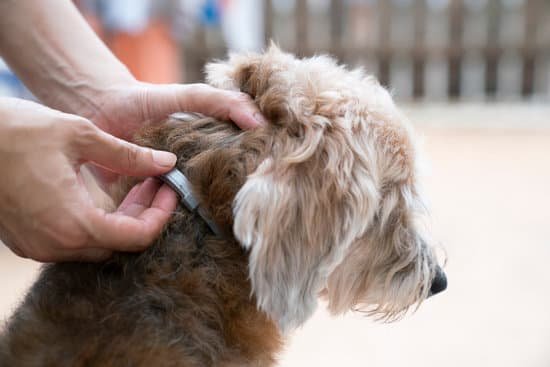
- Flea collars
- Natural alternatives for sensitive dogs
Remember, consistency is key! Year-round prevention outperforms seasonal approaches, especially with indoor heating allowing fleas to survive winter months.
When to See a Vet About Flea-Related Hair Loss
While mild flea-related hair loss often resolves with home treatment, some situations require veterinary attention:
- Hair loss continues despite eliminating fleas
- You notice widespread skin infection (oozing, severe redness)
- Your dog develops “hot spots” (painful, oozing patches)
- Your dog seems unusually lethargic or loses appetite
- The skin appears severely inflamed or discolored
- You’re unsure if fleas are the actual cause
Your vet can determine if there are other underlying issues contributing to the hair loss, such as:
- Food allergies
- Cushing’s disease
- Hypothyroidism
- Nervous chewing from anxiety
Other Common Causes of Hair Loss in Dogs
While fleas are a major culprit, it’s worth knowing other potential causes of canine hair loss:
| Cause | Symptoms | Treatment |
|---|---|---|
| Normal Shedding | Generalized hair loss, seasonal | Regular brushing, proper grooming |
| Food Allergies | Hair thinning, skin issues, sometimes digestive problems | Diet change, elimination of allergen |
| Nervous Chewing | Bald patches in accessible areas, visible chewing behavior | Anxiety management, more exercise |
| Cushing’s Disease | Pot belly, excessive thirst/urination, hair loss | Medication or surgery |
| Hypothyroidism | Weight changes, lethargy, symmetrical hair loss | Thyroid medication |
The Bottom Line: Fleas and Hair Loss
So, can dogs lose hair from fleas? Absolutely! Through a combination of allergic reactions to flea saliva and self-trauma from scratching, fleas are one of the leading causes of hair loss in our furry friends.
The good news is that with proper treatment and prevention, your dog’s beautiful coat can fully recover. Stay vigilant for those early warning signs – especially excessive scratching and black specks in the fur – and take swift action if you suspect fleas.
Remember, your dog’s coat health reflects their overall wellness, and keeping those pesky fleas away is one of the best things you can do for your four-legged family member.
Have you dealt with flea-related hair loss in your dog? We’d love to hear your experiences and what worked for you in the comments below!
Disclaimer: This article provides general information and is not intended to replace professional veterinary advice. If your dog is experiencing severe skin issues or hair loss, please consult with your veterinarian for proper diagnosis and treatment.
What Vitamin Deficiency Causes Hair Loss in Dogs?
Your dog’s diet has a lot to do with the health of their skin and coat. Deficiency in any vitamin or mineral might result in brittle or unhealthy hair, but zinc in particular is one of the building blocks for a healthy coat. Sometimes, your dog’s diet may include components that block their uptake of zinc and cause a copper deficiency that results in a washed-out and unhealthy coat, and sometimes sores and skin issues as well. It’s important to ensure your dog is getting enough zinc in their diet and also avoiding imbalances like excess calcium that may interrupt proper zinc absorption in their body.
Your dog might also experience hair loss if their diet is deficient in omega-3 fatty acids, or has an imbalanced protein to fat ratio. Furthermore, if the quality of your dog’s food is low, they might experience hair loss even though their diet is technically balanced. The quality of protein and fat in their diet is just as important as the quantities.
By maintaining a healthy dog diet and consulting your veterinarian about ways your pet’s food might be impacting their coat, you may be able to address any dog hair loss.
Stress Signals Can Cause Self-Inflicted Hair Loss
It’s also possible that your dog’s hair loss is self-inflicted from their own excessive licking, chewing, or biting on their skin. This behavior can be in response to skin itchiness, dryness or even stress. When a dog manifests its stress or anxiety in such self-mutilation, it’s an urgent issue that needs to be addressed immediately.
How to Naturally Treat Hair Loss in Dogs and Cats
FAQ
Will dogs’ hair grow back after fleas?
How to treat dog hair loss from fleas?
Treatment involves flea control, medicated shampoos, and possibly antihistamines or antifungal medications prescribed by a vet. Maintaining a balanced diet and regular grooming helps promote healthy skin and hair regrowth. Early veterinary diagnosis ensures appropriate care and prevents worsening.
Do fleas leave bald spots?
Yes, they can cause hair loss. Fleas can cause a pet to get very itchy, especially in pets which have a flea allergy. As they scratch, they mar the skin and can take hair off. The scratches on the skin frequently get infected with bacteria and will likely require antibiotics to heal well.
What does flea hair loss look like?
Flea Allergy Dermatitis often presents as: – Hair loss at the base of the tail and on the back legs – Flakiness of the skin – Crusting and redness of the skin – Itch level is extremely high Sometimes you see fleas… we did with this dog, but many times, especially in cats, there are no fleas seen.