
Fleas and their bites can irritate your dog, spread diseases and lead to a variety of health concerns. Discover more about how fleas can make your dog sick — and how you can help stop them.
As a pet parent I’ve seen firsthand how those tiny jumping pests can turn your pup’s life into an itchy nightmare. But the question that keeps many dog owners up at night goes beyond the scratching – can flea infestations actually make your dog sick? The short answer is a resounding YES, and it’s something we need to take seriously.
Fleas might seem like just annoying little insects, but these parasites can cause a variety of health problems that range from uncomfortable to downright dangerous for your furry friend. Let’s dive into the real health risks fleas pose to your dog and what you can do to protect your four-legged family member.
How Fleas Attack Your Dog’s Health
Fleas aren’t just hitching a free ride on your dog’s coat – they’re actively feeding on your pet’s blood and potentially transmitting diseases. These tiny vampires might look harmless, but they can cause serious medical conditions that require veterinary attention.
1. Flea Allergy Dermatitis (FAD)
This is probably the most common health problem caused by fleas Many dogs develop an allergic reaction to flea saliva, which leads to
- Intense itching that drives dogs crazy
- Red, inflamed skin
- Hair loss, especially around the base of the tail
- Hot spots (painful, moist skin lesions)
- Secondary skin infections from excessive scratching
“Flea allergy dermatitis is a common skin condition in dogs caused by an allergic reaction to flea saliva,” explains veterinary dermatologists. “This condition can cause intense itching and discomfort for dogs, and if left untreated, it can lead to secondary skin infections.”
Even ONE flea bite can trigger this allergic reaction in sensitive dogs! That’s why prevention is so important, even if you only spot a single flea.
2. Anemia
This is a particularly serious concern for:
- Puppies
- Toy breeds
- Senior dogs
- Dogs already weakened by other conditions
When fleas feed, they consume your dog’s blood. While a single flea doesn’t drink much, a heavy infestation can lead to significant blood loss. Over time, this can result in anemia – a dangerous condition where your dog lacks enough healthy red blood cells to carry oxygen to tissues.
Signs of anemia include:
- Pale gums
- Weakness and lethargy
- Rapid breathing
- Reduced appetite
- Cold extremities
Severe flea-induced anemia can be life-threatening, especially in vulnerable dogs. In the worst cases, it can even lead to death if not treated promptly.
3. Tapeworm Infections
Tapeworms are flat, segmented intestinal parasites that can infect your dog through fleas. Here’s how it happens:
- Flea larvae ingest tapeworm eggs in the environment
- Your dog accidentally swallows an infected flea while grooming
- The tapeworm is released and attaches to your dog’s intestinal wall
While many dogs can survive a tapeworm infestation without major complications, these parasites steal nutrients from your pet, potentially leading to weight loss. Signs of tapeworm infection include:
- Small, white, rice-like segments around your dog’s rear end or in their feces
- Scooting their bottom along the floor (caused by anal itching)
- Weight loss despite normal appetite
- Vomiting (in severe cases)
“When a dog accidentally ingests an egg-ridden flea while grooming, the eggs can grow to maturity inside the dog,” veterinary experts warn. Geriatric dogs, puppies, and immune-compromised animals face additional risks of serious intestinal problems from tapeworm infestations.
4. Canine Bartonellosis
Fleas can transmit bacteria called Bartonella to dogs, resulting in a disease known as Bartonellosis. This condition can cause a variety of symptoms, including:
- Fever
- Lameness and joint pain
- Eye and nose inflammation
- Coughing
- Vomiting and diarrhea
- Lymph node swelling
- Liver and spleen enlargement
- Seizures (in severe cases)
“A dog that comes down with Bartonellosis may show symptoms such as coughing, diarrhea, vomiting, fever, eye and nose irritation, and lameness,” veterinarians report. “The disease can cause diverse problems like arthritis, lymph node inflammation, liver and spleen swelling, and even seizures.”
Bartonellosis requires prompt antibiotic treatment, so if you suspect your dog might be infected, contact your vet right away.
Signs Your Dog Might Be Suffering From Flea-Related Illness
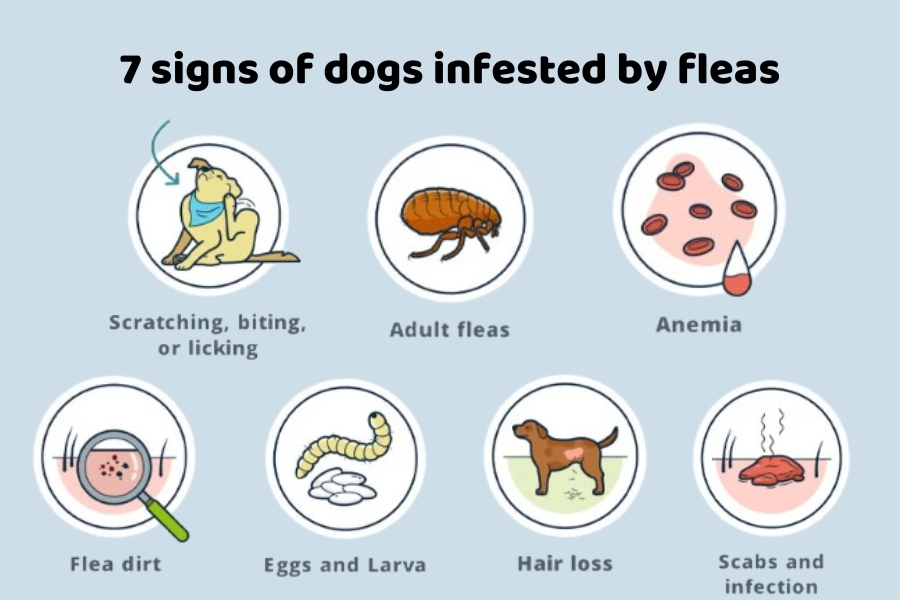
It’s important to recognize when fleas might be making your dog sick. Look out for these warning signs:
- Excessive scratching: The most obvious sign of flea problems
- Visible fleas or “flea dirt”: Small black specks (flea feces) in your dog’s coat
- Red, irritated skin: Especially around the base of the tail, groin, and armpits
- Hair loss: Patchy areas where fur has been scratched or chewed away
- Hot spots: Painful, moist lesions that develop from excessive scratching
- Pale gums: A potential sign of anemia from blood loss
- Lethargy: Unusual tiredness or lack of energy
- Weight loss: Despite normal eating habits
- Vomiting or diarrhea: Could indicate tapeworm or other flea-transmitted infections
If your dog is showing any of these symptoms, it’s time to take action. A severe flea infestation requires veterinary attention, especially if your dog is showing signs of illness.
Preventing Flea-Related Health Problems
The good news is that flea-related illnesses are entirely preventable with proper care. Here’s how to protect your furry friend:
1. Year-Round Flea Prevention
Don’t wait until you see fleas to start treatment. Use veterinarian-recommended flea preventatives consistently:
- Topical treatments: Applied to your dog’s skin monthly
- Oral medications: Given as a pill or chewable tablet
- Flea collars: Some newer options provide long-lasting protection
- Sprays or powders: Can provide temporary protection
“Preventing fleas is essential to keeping your dog healthy and happy,” veterinarians emphasize. “Regular grooming and cleaning of your dog’s living environment can help reduce the risk of flea infestations. Using preventive measures such as flea collars or topical treatments can also be effective in keeping fleas at bay.”
2. Regular Grooming and Inspections
Make checking for fleas part of your routine:
- Brush your dog regularly with a flea comb
- Check for fleas or flea dirt, especially around the neck, base of tail, and groin
- Bathe your dog with a gentle, vet-approved shampoo
3. Environmental Control
Fleas spend most of their life cycle in the environment, not on your pet:
- Vacuum carpets, furniture, and cracks in floorboards frequently
- Wash your dog’s bedding weekly in hot water
- Treat your home and yard with appropriate flea control products if necessary
- Consider professional pest control for severe infestations
4. Natural Flea Prevention Methods
If you prefer natural alternatives, some options to consider include:
- Diatomaceous earth: A natural powder that can be sprinkled on carpets (use food-grade only)
- Essential oils: Some oils like cedarwood, lavender, or lemongrass may help repel fleas (but use with caution and only as directed by your vet)
- Apple cider vinegar: Can be added to drinking water or used as a rinse
- Regular bathing and grooming: Helps remove fleas mechanically
“Many pet owners are turning to natural remedies such as essential oils and herbal supplements to repel fleas,” notes a holistic veterinarian. “These natural alternatives can be effective as chemical treatments, without the potential side effects.”
When to See the Vet
While prevention is the best approach, sometimes you need professional help. Contact your veterinarian if:
- Your dog shows signs of severe itching or discomfort
- You notice pale gums or unusual lethargy
- Your dog has open sores or hot spots
- Home treatments aren’t controlling the flea problem
- Your dog is very young, elderly, or has other health conditions
Your vet can prescribe appropriate treatments for both the fleas and any related health issues. They may recommend:
- Prescription-strength flea medications
- Antibiotics for secondary infections
- Anti-inflammatory medications for allergic reactions
- Treatment for anemia or other complications
My Personal Experience
Last summer, my border collie Max developed a terrible flea allergy. I noticed him scratching constantly and found some raw, red patches on his skin. When I took him to the vet, they found a moderate flea infestation that had triggered an allergic reaction. Even though I only saw a few fleas, they explained that for allergic dogs, just a couple of bites can cause misery.
We treated Max with a prescription flea medication, antibiotics for his skin infection, and I had to treat our home too. The vet also recommended switching to a year-round preventative, which we’ve done. It’s been so much better for Max – no more scratching himself raw or developing those painful hot spots.
The Bottom Line
Flea infestations are more than just an annoyance – they can cause real, serious health problems for your dog. From uncomfortable allergic reactions to potentially life-threatening anemia, these tiny parasites pose genuine health risks.
The good news is that with proper prevention and prompt treatment, you can protect your furry friend from flea-related illnesses. Consistent use of veterinarian-recommended flea control products, regular grooming, and environmental management are your best defenses.
Remember, it’s always easier (and cheaper) to prevent flea problems than to treat the resulting health issues. Your dog depends on you to keep them safe from these troublesome parasites!
Quick Prevention Checklist:
- ✓ Use year-round flea prevention recommended by your vet
- ✓ Check your dog regularly for signs of fleas
- ✓ Groom and bathe your dog appropriately
- ✓ Keep your home clean and vacuum frequently
- ✓ Wash pet bedding in hot water weekly
- ✓ Treat all pets in the household (including cats!)
- ✓ Contact your vet at the first sign of problems
By staying vigilant and taking preventive measures, you can ensure your dog stays healthy, happy, and flea-free. Your furry friend will thank you with fewer vet visits and lots more tail wags!
Flea Allergy Dermatitis
Many dogs suffer from flea allergy dermatitis (FAD), an allergic condition caused by flea bites. In fact, flea allergy dermatitis is one of the most common reasons pet owners take their dogs to the veterinarian.
Flea bites can trigger an immune response in your dog with symptoms that include:
- Intense skin irritation and itchiness that extending beyond the location of the bites
- Hair loss
- Skin infections
Dogs with FAD will continue to experience these symptoms until the fleas are controlled.
Dogs can swallow fleas while chewing at irritated skin from flea bites or from licking or grooming their fur. If those ingested fleas are infected with tapeworms, the dog could become infected as well. Once in the digestive system, the tapeworms will attach themselves to the intestinal lining using their sucker-like mouthparts.
If your dog is infected with tapeworms, you may see pieces of the worms around your dog’s backside. These pieces, which look like grains of white rice, are packets of tapeworm eggs. If you look closely, you might even see them moving. Once the outer casing of these packets dries out, the eggs are released into the environment where the cycle can be repeated.
Because of their rapid reproductive rate, one flea on your dog can quickly turn into hundreds. If a large number of fleas bite and feed, your dog can develop anemia, or low red blood cells. This serious medical condition must be promptly addressed through veterinary care, especially in puppies.
Symptoms of anemia include weakness, lethargy, rapid breathing and potentially death if the fleas are not killed. With severe infestations, treat the home and surrounding outdoor areas for fleas as well as the pet to eliminate the fleas in your entire environment.
There’s increasing evidence that dogs can be infected with a bacteria called bartonella, which can cause bartonellosis. While the source of infection is not as clear in dogs as in cats, bartonella bacteria infections in dogs have been linked to fleas.
Bartonellosis can cause a number of symptoms in dogs, including fever, nausea or loss of appetite, an irregular heartbeat, vomiting and diarrhea, joint pain or altered brain functions. However, affected dogs typically do not show any clinical signs.
Can Fleas Make Dogs Sick?
Fleas are parasites that can spread a number of diseases to your dog, including:
Fleas In Dogs | Vet Explains
FAQ
How sick can a dog get from fleas?
Fleas can cause significant health problems in dogs, including fever, lethargy, and anemia from blood loss. Symptoms include scratching, redness, and visible fleas or flea dirt. Treatment involves thorough flea control using vet-approved topical or oral medications, regular grooming, and cleaning the environment.
Can a bad flea infestation kill a dog?
Yes, too many fleas can kill a dog through flea anemia, a potentially fatal condition where severe blood loss causes a lack of red blood cells. Flea infestations can also transmit diseases like tapeworms, or even the bacterial infection Bartonella, which can lead to heart inflammation and death. Young, small, or already ill dogs are particularly vulnerable to these risks, so prompt treatment for any flea infestation is crucial.
What is considered a severe flea infestation?
What instantly kills fleas on dogs?
The original Blue Dawn dish soap will kill live fleas on the spot. Wet your dog’s coat, apply and lather soap, leave on for 2 minutes. Keep in mind that there still may be flea eggs present after this treatment, but all of the live fleas will die.