
Let’s be real – when your furry best friend has tummy troubles, it’s pretty heart-breaking. I’ve been there, watching my dog pace around with that uncomfortable look, and I’ll admit my first instinct was to reach for whatever worked for me – like good ol’ pink Pepto-Bismol from my medicine cabinet. But hold up! Before you pour that pink stuff down your pup’s throat, there’s some important stuff you need to know.
The Quick Answer
Can you give a dog Pepto-Bismol? Yes, technically you can – but with major cautions While not toxic in small amounts, it’s definitely not the first option vets recommend, and there are significant risks involved Always call your vet first!
What Even Is Pepto-Bismol Anyway?
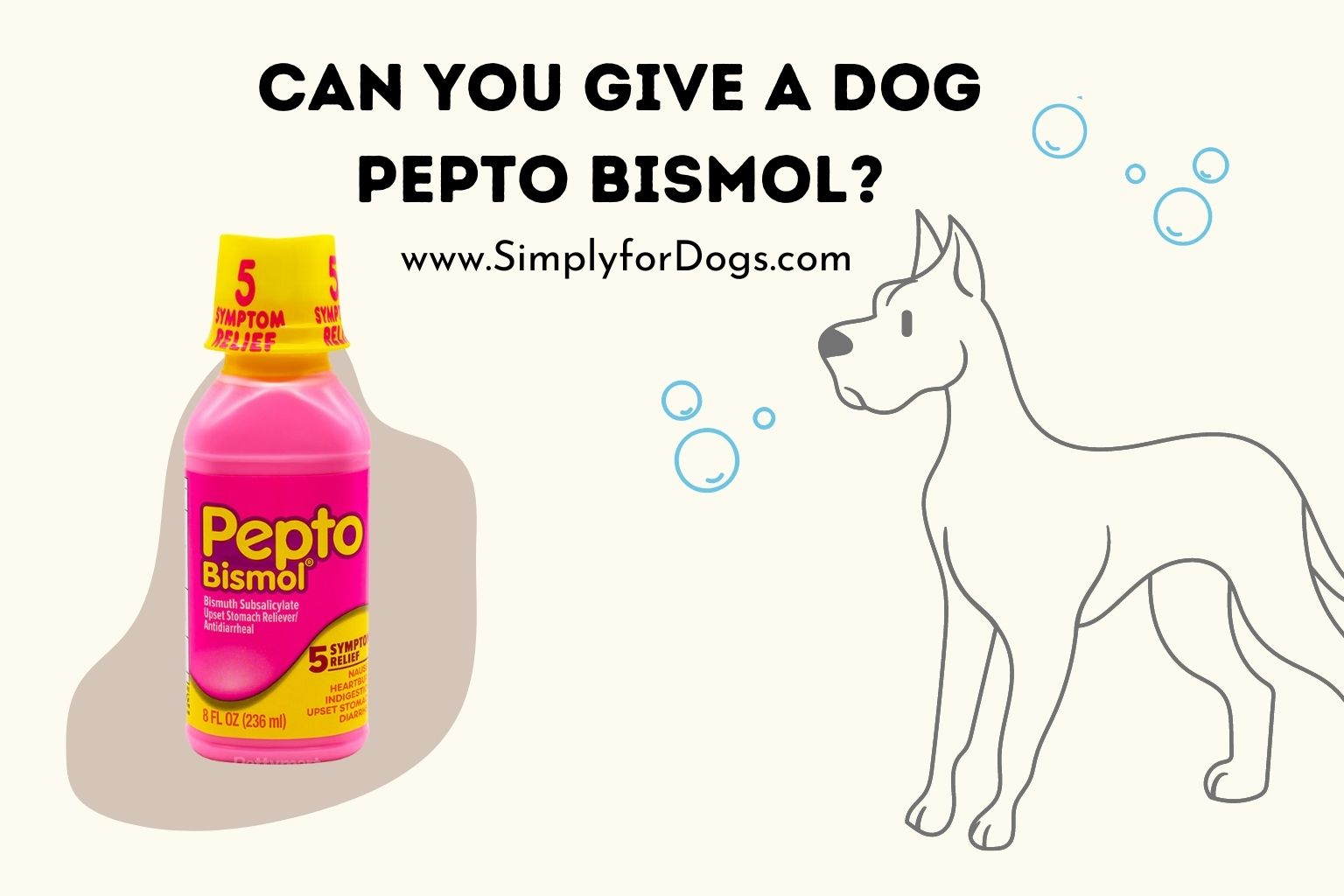
Pepto-Bismol is that familiar pink medicine we humans take when our stomachs are acting up. The active ingredient is bismuth subsalicylate, which helps with:
- Upset stomach
- Diarrhea
- Indigestion
- Heartburn
- Nausea
It works by coating the lining of the stomach and intestines, protecting against irritation from acid Pretty helpful for us humans dealing with taco-night regrets, but what about for our four-legged friends?
Why Your Dog Might Need Stomach Relief
Dogs are notorious for eating things they shouldn’t. My Lab once ate half a sock before I could catch him! Common causes of doggy tummy troubles include:
- Eating something they shouldn’t (trash, toys, random stuff in the yard)
- Sudden diet changes
- Stress or anxiety
- Bacterial infections
- Food sensitivities or allergies
When your dog has diarrhea or seems uncomfortable, it’s natural to want to help them feel better fast But using human medications requires serious caution
The Risks of Giving Your Dog Pepto-Bismol
While Pepto-Bismol isn’t immediately toxic to most dogs in appropriate doses, there are some pretty significant concerns:
1. Salicylate Dangers
The active ingredient has aspirin-like properties, which can:
- Cause gastric bleeding
- Be dangerous for dogs with bleeding disorders
- Interact badly with other medications
2. Masking Symptoms
According to Dr. Jerry Klein, Chief Veterinary Officer for the AKC, the bismuth in Pepto-Bismol turns stool black, potentially hiding any internal bleeding that might be happening. This could delay treatment for a serious condition.
3. Side Effects
Too much Pepto can actually CAUSE these problems instead of fixing them:
- Vomiting
- Diarrhea (yep, the very thing you’re trying to stop)
- Dehydration
- Constipation
- Loss of appetite
- In severe cases: liver or kidney damage
When Pepto-Bismol is Absolutely NOT Safe for Dogs
Never give Pepto-Bismol to your dog if:
- They’re younger than 12 weeks old (puppies have super sensitive systems)
- They’re pregnant or nursing
- They’re taking NSAIDs like Rimadyl or Deramaxx
- They have a bleeding disorder
- They’re currently on antibiotics like tetracycline or ciprofloxacin
- They have any known health conditions (especially kidney or liver issues)
Always check with your vet first – especially if your dog is taking ANY other medications!
If Your Vet Approves: Dosage Guidelines
If your veterinarian gives you the green light to use Pepto-Bismol (which they might do for very mild, temporary diarrhea), follow their dosing instructions exactly.
General dosage guidelines:
- 1 teaspoon per 10 pounds of body weight (AKC recommendation)
- Give every 6-8 hours as needed
- Don’t give for more than 2 days
Important: These are just general guidelines! Your vet might recommend different dosing based on your dog’s specific situation.
How to Give Pepto-Bismol to Your Dog
If your vet approves using Pepto-Bismol, here’s how to give it:
- Use an empty plastic syringe (without needle) to measure the correct dose
- Gently open your dog’s mouth
- Place the syringe toward the back of their tongue
- Push the plunger to release the medication
- Hold their muzzle closed briefly to ensure they swallow
Pro tip: Have treats ready afterward (if your vet says it’s okay) because the taste isn’t exactly doggy-approved!
Better Alternatives for Dog Stomach Problems
Honestly, there are safer options than Pepto-Bismol for helping your pupper’s tummy troubles:
Veterinary Medications
Your vet might recommend:
- Corrective Suspension – a bismuth subsalicylate product actually formulated for dogs
- Prescription anti-diarrheals that are specifically designed for dogs
- Veterinary probiotics to restore gut health
Over-the-Counter Options (with Vet Approval)
Some vets might recommend:
Pepcid (famotidine)
- Good for acid reflux and stomach ulcers
- Dosage: One 10mg tablet for a 20-pound dog every 12-24 hours
- Give 1 hour before meals
Imodium (loperamide)
- May help with diarrhea
- Dosage: One 2mg pill per 40 pounds of body weight, 2-3 times daily
- Don’t use for more than 2 days
Home Remedies
My go-to when my dog has mild tummy troubles:
Bland Diet:
- Plain boiled chicken (no skin or bones) and white rice
- Plain canned pumpkin (NOT pumpkin pie filling!)
- Plain boiled white potatoes
- Plain white fish
- Plain yogurt (if not lactose intolerant)
- Bone broth
- Oatmeal
- Scrambled eggs (no butter or seasonings)
This bland diet approach has worked wonders for my dog more than once!
When to Skip the Home Remedies and Call the Vet ASAP
Some stomach issues require immediate veterinary attention. Don’t try to treat at home if your dog shows:
- Bloody diarrhea
- Severe or frequent vomiting
- Lethargy or weakness
- Signs of pain (whining, hunched posture)
- Fever
- Pale gums
- Bloated or hard abdomen
- Symptoms lasting more than 24-48 hours
These could indicate something serious like poisoning, blockage, or infection that needs professional treatment right away.
Preventing Tummy Troubles in the First Place
I’ve learned the hard way that prevention is way better than treatment! Try these strategies:
- Consistent diet – don’t change foods suddenly
- Slow introductions of new foods or treats
- Dog-proof your home to prevent access to trash, chemicals, etc.
- Regular vet check-ups to catch issues early
- Proper portion control to prevent overeating
- Fresh water always available
- Quality food without fillers and artificial ingredients
My Personal Experience
I remember when my dog Baxter got into some leftover chicken wings that someone had carelessly left on a coffee table. His tummy was a mess! I was tempted to give him Pepto, but instead called our vet who recommended a 24-hour chicken and rice diet with small, frequent meals.
Within a day, Baxter was back to his normal self – no human medications needed! Since then, I’ve been super careful about what I leave where, and I always call the vet before giving any human medications.
Final Thoughts on Pepto-Bismol for Dogs
While technically you can give dogs Pepto-Bismol in certain situations, it’s rarely the best option. The potential risks usually outweigh the benefits when safer alternatives exist.
Always remember:
- Call your vet before giving any human medication
- Follow dosing instructions precisely
- Monitor your dog closely
- Discontinue immediately if you notice any side effects
- Don’t treat for more than 2 days without vet supervision
Our dogs trust us completely to take care of them. Let’s make sure we’re making the safest choices possible for our furry family members!
Have you ever had to deal with doggy tummy troubles? What worked best for your pup? I’d love to hear your experiences in the comments!
Disclaimer: This article is for informational purposes only and is not a substitute for professional veterinary advice. Always consult with your veterinarian before giving your dog any medication, including over-the-counter products like Pepto-Bismol.
Pepto Bismol…for Dogs?
FAQ
How much Pepto should I give my dog?
Pepto Bismol is commonly used in dogs to treat diarrhea and minor stomach issues. The typical dosage for dogs ranges from 0.5 ml to 1.5 ml per pound of the dog’s body weight per day. Many people opt for a dose of 1.0 ml per pound.
What medicine can I give my dog for an upset stomach?
Can a dog take Pepto-Bismol for an upset stomach?
Pepto-Bismol can be given to dogs in moderation under a vet’s guidance. It can alleviate symptoms like nausea, heartburn, and an uncomfortable stomach. However, it’s not for long-term use due to potential side effects like constipation and toxicity. The recommended dosage is 1 teaspoon per 10 pounds of body weight.
What can I give my dog to stop his diarrhea?