
 Visible bleeding from a broken nail or cut ear looks scary and makes a terrible mess, but internal bleeding in the chest or abdomen that you cannot see is more deadly. That said, bleeding from any source is a concern if a lot of blood is lost. To minimize external blood loss, you can provide first aid for bleeding dogs until you arrive at your veterinary hospital.
When your furry friend is bleeding, panic sets in fast Whether it’s a cut quick during nail trimming or an injured paw pad, seeing your dog in pain can be distressing In these emergency moments, you might wonder if common household items like flour can help stop the bleeding. The answer is yes – flour can be an effective first aid solution when used correctly!
As a dog owner myself, I’ve had my share of pet emergencies. That’s why I’ve put together this comprehensive guide on using flour to stop dog bleeding, along with other effective alternatives and when you should seek veterinary care.
Understanding Why Dogs Bleed and Common Causes
Before diving into treatments let’s understand what causes bleeding in dogs
The Quick: A Common Source of Bleeding
The quick is the sensitive part of your dog’s nail containing blood vessels and nerves. When cut during nail trimming, it bleeds easily and can be quite painful for your pup.
According to research from SmallDogsHeaven, the quick bleeds profusely because it contains a rich supply of blood vessels. When damaged, these vessels rupture, causing the alarming bleeding we often see.
Paw Injuries
Dogs can injure their paws in various ways:
- Cuts from sharp objects
- Lacerations from rough terrain
- Puncture wounds
- Abrasions from hot surfaces or everyday activities
Can You Use Flour to Stop Dog Bleeding?
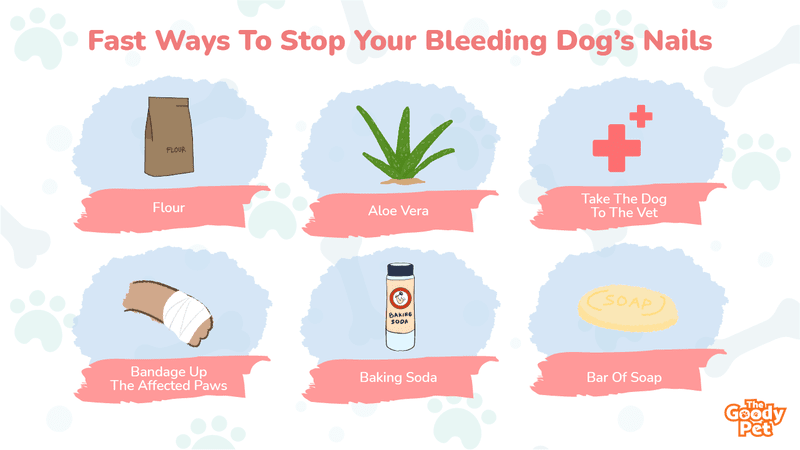
Yes, you can use flour to stop a dog’s bleeding in emergency situations. Flour works by absorbing blood and promoting clotting, which helps to stop the bleeding temporarily until you can get veterinary care if needed.
How Flour Helps Stop Bleeding
Flour acts as a hemostatic agent by:
- Absorbing blood
- Promoting blood clotting
- Creating a barrier that protects the wound
- Constricting blood vessels to reduce blood flow
How to Apply Flour to Stop Dog Bleeding
If your dog is bleeding from a nail or paw, follow these steps:
For Bleeding Quick (Nail):
- Stay calm – your dog will sense your anxiety
- Clean the area gently with lukewarm water
- Pat dry with a clean cloth or paper towel
- Take a small amount of flour (about 1 teaspoon)
- Apply the flour directly to the bleeding nail
- Apply gentle pressure for 1-2 minutes
- Hold the flour in place to allow it to take effect
- Reapply if bleeding continues
For Paw Bleeding:
- Clean the wound to remove debris
- Dry the area thoroughly
- Sprinkle flour onto the wound (don’t pack too tightly)
- Apply gentle pressure with a clean gauze
- Hold for several minutes until bleeding stops
- Consider wrapping with a bandage if needed
According to veterinary guidance from BrewsterVet, compressing the powder against the toenail for 10-15 seconds helps the powder pack onto the cut surface, causing the blood to clot.
Pros and Cons of Using Flour on Dog Wounds
Like any treatment method, using flour has both advantages and disadvantages.
Pros:
- Readily available in most homes
- Easy to apply
- Can effectively stop minor bleeding
- Non-toxic for dogs
- Inexpensive solution
- Works quickly for minor wounds
Cons:
- Not as effective as commercial styptic powders
- May not work for severe bleeding
- Could introduce bacteria if flour isn’t clean
- Might cause irritation in some dogs
- Not suitable for deep or serious wounds
- May delay seeking proper veterinary care
What Type of Flour Works Best?
You might wonder if specific flours work better than others. While any type of flour can help in an emergency, it’s best to use:
- Plain, all-purpose flour
- Flour without additives or seasonings
- Clean, dry flour
As SmallDogGuides notes, the type of flour isn’t critical – what matters most is having it clean and applying it correctly.
Alternative Methods to Stop Dog Bleeding
While flour is a good emergency option, there are other effective methods:
Styptic Powder or Pencil
These products contain ingredients specifically designed to stop bleeding quickly by constricting blood vessels and promoting clotting. They’re more effective than flour but may sting slightly.
Cornstarch
Similar to flour, cornstarch can help absorb blood and promote clotting. The application method is identical to using flour.
Direct Pressure
Applying pressure with a clean cloth or gauze for 5-10 minutes can help stop bleeding naturally.
Cold Compress
For minor bleeding, a cold compress can help constrict blood vessels and slow bleeding.
Comparison of Methods to Stop Dog Bleeding
| Method | Effectiveness | Availability | Pain Level | Best For |
|---|---|---|---|---|
| Flour | Moderate | High | Low | Minor quick/paw bleeding |
| Cornstarch | Moderate | High | Low | Minor quick/paw bleeding |
| Styptic Powder | High | Medium | Medium | Quick cuts, small wounds |
| Direct Pressure | Medium | High | Low | Most wound types |
| Cold Compress | Low | High | Low | Minor surface wounds |
When to Seek Veterinary Care
While flour can help with minor bleeding, it’s important to know when a vet visit is necessary:
- Bleeding doesn’t stop after 10-15 minutes
- The wound is deep or severe
- Your dog shows signs of pain or distress
- The bleeding resumes after initially stopping
- There’s swelling, redness, or discharge
- Your dog has a pre-existing condition that affects clotting
- The injury affects your dog’s mobility
SmallDogsHeaven emphasizes that while home remedies can be effective for minor bleeding, they’re not substitutes for proper veterinary care in serious cases.
Preventing Bleeding Injuries in Dogs
The best way to handle bleeding is to prevent it in the first place:
For Nail Trims:
- Trim nails regularly to prevent the quick from growing too long
- Use proper dog nail clippers
- Trim small amounts at a time
- Have styptic powder or flour ready just in case
- Consider using a nail grinder instead of clippers
- If your dog has black nails, be extra cautious
For Paw Protection:
- Check paws regularly for injuries
- Avoid walking on hot pavement or rough surfaces
- Consider dog boots for harsh terrains
- Keep your yard free of sharp objects
- Moisturize paw pads to prevent cracking
- Trim hair between paw pads to prevent matting
My Personal Experience Using Flour for Dog Bleeding
I remember when I first cut my Yorkie’s nail too short during a trim. The panic I felt seeing the blood was overwhelming! I didn’t have styptic powder, but remembered reading about flour as an alternative.
I quickly grabbed some all-purpose flour from my kitchen, applied it to his bleeding nail with gentle pressure, and held it for about 30 seconds. To my relief, the bleeding slowed significantly. I reapplied once more, and it stopped completely.
While it worked well for us, I now keep styptic powder in my pet first aid kit. However, I’m comforted knowing flour is a reliable backup option!
Frequently Asked Questions
How long does it take for a dog’s quick to stop bleeding after applying flour?
In most cases, the bleeding should stop within a few minutes after applying flour. If it continues beyond 10-15 minutes, seek veterinary attention.
Can I use flour on my dog if they have a medical condition?
If your dog has diabetes, kidney disease, or a bleeding disorder, consult your veterinarian before using flour or any home remedy. These conditions can affect blood clotting and wound healing.
Is flour safe for all dogs?
While flour is generally safe, some dogs may have sensitivities or allergies. Monitor for any adverse reactions after application.
Can I use flour for serious or deep wounds?
No. Flour should only be used for minor bleeding like nail quicks or small paw cuts. Serious wounds require immediate veterinary attention.
How much flour should I use?
A small amount is sufficient – about 1 teaspoon for nail bleeding and just enough to cover the wound for paw injuries. Too much flour packed into a wound can cause irritation.
Conclusion
Flour can indeed be an effective emergency solution to stop minor bleeding in dogs. Its ability to absorb blood and promote clotting makes it a valuable tool in your pet first aid arsenal. However, it’s important to recognize its limitations and know when veterinary care is necessary.
By understanding how to properly apply flour to stop bleeding and being aware of the alternative methods available, you can provide immediate care for your dog during minor bleeding emergencies. Remember to stay calm, act quickly, and always prioritize your dog’s comfort and safety.
Keep flour, cornstarch, or ideally a commercial styptic powder in your pet first aid kit, and be prepared to handle minor bleeding emergencies with confidence. Your quick action could make a significant difference in your dog’s recovery!
Have you ever had to use flour to stop your dog’s bleeding? We’d love to hear about your experiences in the comments below!
What happens when a dog is bleeding?
When a dog bleeds, it can lose a lot of blood over a short period of time, which may cause shock. A dog in shock has an increased heart rate and low blood pressure. He may have pale or white gums and breathe rapidly. If left untreated, shock can cause organ systems to shut down and the dog may suffer permanent damage or even death. Minutes matter, so pet owners should know how to control bleeding and prevent shock until they can reach emergency help.
What precautions should I take when helping my dog?
Safety is important when handling injured dogs, both for the dog and the owner. Remember that an injured pet is scared and in pain. Even the sweetest dogs may bite under those circumstances. Take appropriate precautions to avoid being bitten while trying to help an injured dog. You may need to use a muzzle or have someone restrain the dog while you provide first aid.