
Have you ever spotted a weird, cauliflower-looking growth on your furry friend’s mouth or skin? Chances are, your dog might have papillomas – commonly known as dog warts. As a pet parent, seeing any unusual growth on your pup can be worrying, but the good news is that most dog papillomas are harmless and temporary.
But do dog papillomas go away on their own? That’s what we’re here to answer today!
What Are Dog Papillomas Anyway?
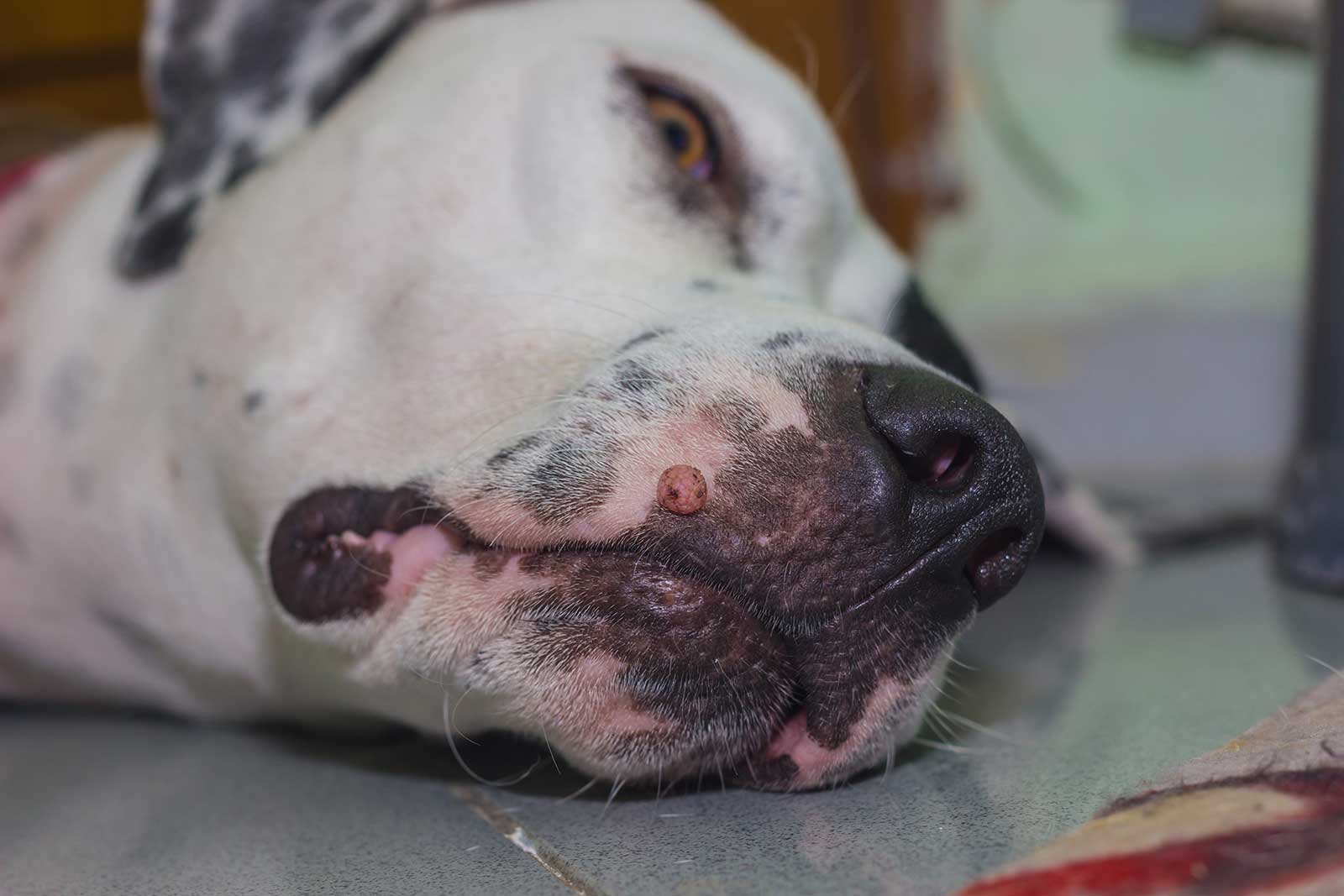
Papillomas are basically benign (non-cancerous) tumors caused by the canine papillomavirus (CPV1). These small growths can pop up anywhere on your dog’s body but are most commonly found in and around the mouth, on the lips, tongue, gums, and sometimes on the paws or other parts of the skin
If you’ve never seen one before, they typically look like:
- Small, rough-textured growths
- Whitish, grayish, or flesh-colored bumps
- Cauliflower-like in appearance
- Can appear as single warts or in clusters
My dog Max once had what looked like tiny cauliflowers growing on his lip. I panicked at first, but our vet reassured me they were just oral papillomas – totally common and usually nothing to worry about!
The Good News: Most Dog Papillomas DO Go Away!
YES, most dog papillomas will go away on their own!
According to veterinary sources, the majority of papillomas in healthy dogs will spontaneously regress within 2-3 months as the dog’s immune system develops an immunity to the virus. Once a dog has contracted CPV1 and recovered, they typically develop immunity that protects them from getting the same type of papillomas again.
As one source states: “In healthy dogs, the lesions caused by oral papilloma will recede within two or three months, and the patient will develop an immunity that will protect them from contracting the virus in the future.”
So if your vet has diagnosed your pup with papillomas, patience is often the best medicine!
Why Do Some Dogs Get Papillomas?
Not all dogs are equally likely to develop these viral warts. The main risk factors include:
-
Age: Puppies and young dogs with immature immune systems are more susceptible, as are senior dogs with weakening immune systems.
-
Immune System Health: Dogs with weakened immune systems due to illness, stress, or medications are more likely to develop papillomas.
-
Exposure: The virus spreads through direct contact with infected dogs or contaminated objects like toys, food bowls, or bedding.
-
Breed: Some breeds like Cocker Spaniels, Pugs, and Miniature Schnauzers seem to be more prone to developing these warts.
My neighbor’s Cocker Spaniel puppy got a cluster of oral papillomas after attending doggy daycare for the first time. It makes sense considering all those puppies sharing toys and playing together!
How Long Does It Take for Dog Warts to Go Away?
The million-dollar question! While most sources agree that papillomas typically resolve on their own, the timeline can vary:
- Most papillomas will disappear within 2-3 months as the dog’s immune system mounts a response
- The complete regression can take anywhere from 1-6 months in total
- The incubation period (time from infection to appearance of warts) is approximately 1-6 months
This means from the time your dog is exposed to the virus until the warts completely disappear could be anywhere from 2-12 months. That seems like forever when you’re looking at those unsightly growths every day!
The Development Stages of Dog Papillomas
If you’re currently dealing with your dog’s papillomas, it helps to understand the typical progression:
Stage 1: Small, smooth lesions appear, usually around the mouth, and may continue to grow or multiply.
Stage 2: The papilloma develops a textured, cauliflower-like appearance.
Stage 3: If located in the mouth and continues growing, the papilloma may cause discomfort, potentially leading to eating difficulties.
As the dog’s immune system fights the virus, the papillomas will eventually start to shrink and fall off.
Should I Be Worried? When to Seek Treatment
While waiting for papillomas to go away naturally is often the best approach, there are situations when you should definitely consult your vet:
- If the papillomas are causing pain or discomfort
- If they interfere with eating, drinking, or walking
- If they bleed frequently or become infected
- If they don’t show signs of regression after 3-4 months
- If they’re growing very rapidly or changing appearance
- If your dog has a compromised immune system
Our golden retriever had a papilloma that grew between his toes and made him limp. In that case, our vet recommended removal because it was affecting his quality of life.
Treatment Options When Papillomas Don’t Go Away
If your dog’s papillomas aren’t resolving on their own or are causing problems, there are several treatment options available:
1. Watchful Waiting
The most common approach is simply monitoring the papillomas while they run their course. This works for most cases where the growths aren’t causing issues.
2. Medical Treatments
For more persistent cases, your vet might recommend:
- Antibiotics: These are prescribed if papillomas become infected (though antibiotics don’t treat the virus itself)
- Interferon-alpha: An immune system stimulant that can help fight severe cases
- Topical medications: New topical creams may help speed up regression
- Vaccination: An experimental DNA vaccine for papillomatosis exists but is still considered experimental
3. Surgical Options
For problematic papillomas, surgical removal might be necessary:
- Cryotherapy: Freezing off the tissue growth
- Surgical excision: Removing the papillomas surgically
- Electrocautery: Burning off the warts with an electric current
A friend’s pug had multiple oral papillomas that weren’t resolving after 4 months and were making it hard for him to eat. Their vet performed cryotherapy, and the issue was resolved within a couple of weeks!
Cost Considerations for Treatment
If your dog’s papillomas do require treatment, costs can vary widely:
- Diagnosis: Around $500 for biopsy and histopathology
- Surgical removal: Between $300-$1,000 with a general practitioner
- Specialist treatment: Can cost up to $2,500 for extensive surgical treatment
Pet insurance can be a lifesaver in these situations, covering new conditions that develop after enrollment.
Can I Catch Warts From My Dog?
One of the most common concerns I hear from dog owners is whether they can catch papillomas from their dogs.
Good news: The canine papillomavirus is species-specific, meaning it only affects dogs. Humans cannot contract papillomas from dogs, and dogs cannot contract human warts either. Each species has its own papillomaviruses that don’t cross over.
However, while you can’t catch them, dog papillomas ARE contagious between dogs. So if your dog has warts, keep them away from other dogs until they’ve resolved to prevent spreading the virus.
Preventing Papillomas in Dogs
While you can’t always prevent papillomas, there are steps you can take to reduce the risk:
- Boost immune health: Ensure your dog gets proper nutrition, exercise, and regular vet check-ups
- Avoid exposure: Keep young puppies and immunocompromised dogs away from dogs with active papillomas
- Don’t share: Avoid sharing water bowls, toys, or bedding with unknown dogs
- Clean surfaces: Regularly disinfect areas where multiple dogs gather
- Monitor dog parks: Be cautious at dog parks and daycare facilities where the virus can spread easily
Our Experience with Max’s Papillomas
I remember when our Lab mix Max developed a cluster of oral papillomas at just 10 months old. They looked scary – like little white cauliflowers growing from his lip and gums. Our vet confirmed they were benign papillomas and recommended we wait it out.
For about two weeks, they continued to grow and even multiplied. Max didn’t seem bothered much, though he did drool a bit more than usual. We kept him away from our neighbor’s puppy to prevent spreading the virus.
Around the 8-week mark, we noticed the papillomas starting to shrink. By 3 months, they had completely disappeared! And best of all, Max never got them again, even when he was around other dogs with papillomas years later. His immune system had developed that lasting immunity the vet told us about.
When to Be Concerned: Differentiating Papillomas from Other Growths
Not all growths on your dog’s skin are papillomas. It’s important to have any new lumps checked by your veterinarian because some may look similar to papillomas but could be something more serious.
Your vet might want to perform diagnostic tests like:
- Cytology: Examining cells from the growth under a microscope
- Biopsy: Removing a small piece of the growth for laboratory analysis
These tests help distinguish benign papillomas from other potentially more serious conditions that require different treatment approaches.
The Bottom Line: Patience is Key
To sum it all up – yes, dog papillomas typically do go away on their own within 2-3 months as your dog’s immune system fights off the virus. Once resolved, your dog usually develops immunity against that specific papillomavirus.
While waiting for nature to take its course, make sure to:
- Monitor the papillomas for any changes
- Prevent your dog from scratching, licking, or biting them
- Keep infected dogs separated from other dogs
- Consult your vet if they cause discomfort or don’t resolve within a few months
Have you dealt with papillomas in your dog? We’d love to hear your experiences in the comments below!
Disclaimer: This article is for informational purposes only and is not intended to replace professional veterinary advice. Always consult with your veterinarian for proper diagnosis and treatment of any condition affecting your pet.
How are papillomas diagnosed?
 Most papillomas have a typical appearance, although some more common sebaceous tumors in dogs are very similar. To obtain a definitive diagnosis, your veterinarian may perform a fine needle aspiration (FNA). FNA involves using a small needle with a syringe to suction a sample of cells directly from the tumor. A veterinary pathologist then examines the slide under a microscope.
In some cases, results from FNA may be unclear, so a biopsy may be necessary. A biopsy is the surgical excision of a piece of the tumor. In the case of papillomas, which tend to be small, the entire tumor may be removed. A veterinary pathologist then examines the tumor tissue under a microscope (histopathology).
How do papillomas typically progress?
In healthy animals, papillomas do not spread to other areas of the body and are usually cured by surgery. Rarely, a tumor will regrow after surgery. Additional papillomas may develop if the viral infection persists due to an impaired immune system.
Dog Wart Removal Step by Step Guide
FAQ
How do you get rid of papillomas in dogs?
How did my dog get a papilloma?
These growths are specific to dogs and can be spread through direct contact, contaminated objects, and possibly by insects.
Do papillomas shrink or fall off?
Gradually the wart will shrink and fall away, but this may also be accompanied by other methods of oral papilloma removal.
How serious is papilloma in dogs?
Fortunately, dog warts are benign, meaning they do not pose dangerous health risks and will not cause any discomfort unless they become infected.