
It’s never nice when you can hear your poor pup suffering, and when it comes to congestion in dogs, you can REALLY hear them suffering. Dogs that don’t usually snore will snore louder than you’ve ever heard in your life; and they won’t want to run around and play as much. That’s before you get to the awful crackling, wheezing sound that often accompanies a congested respiratory system in canines.
Is your furry best friend making strange snorting or snuffling sounds? Have you noticed them pawing at their nose or breathing with their mouth open more than usual? You might be wondering: do dogs get congested? The short answer is YES – dogs absolutely can get congested, and it’s probably more common than you think!
As a pet parent myself, I’ve dealt with my share of doggy sniffles and sneezes It’s never fun to see our four-legged companions uncomfortable, but the good news is that there’s plenty we can do to help them breathe easier
In this comprehensive guide, we’ll dive into everything you need to know about nasal congestion in dogs – from what causes it to how you can treat it at home and when it’s time to visit the vet.
What Exactly Is Dog Congestion?
Congestion in dogs occurs when there’s inflammation or blockage in their nasal passages that makes it difficult for them to breathe normally through their nose. Unlike us humans who can easily switch to mouth breathing when our noses get stuffy dogs naturally prefer to breathe through their noses. That’s why nasal congestion can be particularly uncomfortable for them!
Your dog’s nose is super sophisticated – it helps them explore their environment, communicate with other pups, and even regulate body temperature. When congestion strikes, all these functions get disrupted.
Common Causes of Congestion in Dogs
There are numerous reasons why your pup might be sounding congested. Here are the most common culprits:
1. Viral Infections
Several viruses can cause congestion in dogs, including:
- Canine influenza virus (dog flu)
- Canine respiratory coronavirus
- Canine adenovirus type 2
- Canine parainfluenza virus
- Canine distemper virus
These viral infections are typically spread through respiratory droplets when dogs are in close contact with each other.
2. Bacterial Infections
The most common bacterial cause is Bordetella bronchiseptica, which is responsible for the dreaded kennel cough. Dogs often pick this up in places where lots of dogs gather, like boarding facilities or dog parks.
3. Fungal Infections
Aspergillus is a fungal infection that dogs can get from rooting around in soil with their noses. This fungus can cause significant nasal issues.
4. Seasonal Allergies
Just like people, dogs can be allergic to environmental substances like pollen, dust mites, and mold. When they breathe in these allergens, it triggers an allergic response that leads to congestion.
5. Congestive Heart Failure
This serious condition occurs when the heart can’t pump blood effectively, causing fluid to build up in the lungs. This can lead to congestion symptoms like coughing and difficulty breathing.
6. Heartworms
These nasty parasites can lodge in the pulmonary arteries and damage the lungs, causing coughing and breathing difficulties.
7. Foreign Objects
Sometimes curious pups get things stuck in their nose – grass awns, small sticks, seeds, or tiny toys can all cause immediate congestion and discomfort.
8. Dental Problems
Surprisingly, dental issues can lead to nasal congestion! The roots of the upper teeth are located very close to the nasal passages, so infections or abscesses can spread and cause nasal inflammation.
9. Obesity or Anatomical Abnormalities
Excess weight puts pressure on the lungs and can make breathing difficult. Additionally, some breeds (especially flat-faced dogs like Bulldogs and Pugs) have natural anatomical features that predispose them to breathing difficulties and congestion.
How to Tell If Your Dog Is Congested
Recognizing the signs of congestion in your dog is crucial for getting them the help they need. Here’s what to look for:
Noisy Breathing
Listen for snuffling, snorting, or whistling sounds as your dog breathes. In severe cases, they might breathe through their mouth more than usual, especially when resting or sleeping.
Nasal Discharge
The appearance of your dog’s nasal discharge can give clues about what’s causing their congestion:
- Clear, watery discharge → allergies or early infection
- Cloudy or white discharge → inflammatory response
- Yellow or green discharge → bacterial infection
- Bloody discharge → foreign object, trauma, or serious conditions
Pay attention to whether the discharge affects one or both nostrils. One-sided symptoms often point to a foreign body or localized problem, while both-sided symptoms typically suggest systemic issues.
Excessive Sneezing or Reverse Sneezing
While occasional sneezing is normal, persistent or violent sneezing episodes warrant attention. Reverse sneezing (rapid inhalations through the nose with snorting sounds) can also indicate congestion issues.
Behavioral Changes
A congested dog might show:
- Reduced interest in food
- Decreased energy
- Pawing at the nose
- Restlessness, especially at night
- Irritability
7 Effective Home Remedies for Dog Congestion
For mild to moderate cases of congestion, these home remedies can provide significant relief:
1. Steam Therapy
Create a steamy environment by running a hot shower and sitting with your dog in the bathroom for 10-15 minutes. The warm, moist air helps loosen mucus, making it easier for your pup to expel it.
For extra benefits, you can add a drop or two of pet-safe essential oils like eucalyptus to the shower floor (never directly on your pet!). Just make sure the room doesn’t get too hot – dogs can overheat easier than we do.
2. Proper Hydration
Keeping your dog well-hydrated helps thin mucus secretions. If your pup isn’t drinking enough, try flavoring their water with a tiny bit of low-sodium chicken broth or get a pet water fountain, which many dogs find more enticing.
A good rule of thumb: dogs should drink approximately one ounce of water per pound of body weight daily.
3. Saline Nasal Drops
Gentle saline solutions can moisturize dry nasal passages and loosen thick secretions. You can use infant saline drops (not medicated ones!) or make your own by dissolving 1/4 teaspoon of salt in a cup of warm distilled water.
To administer: hold your dog’s head slightly tilted back and place 2-3 drops in each nostril using a clean dropper. Be super gentle – most dogs hate this at first!
4. Elevated Feeding Position
Raising your dog’s food and water bowls can promote better drainage of the nasal passages. The ideal height allows your dog to eat without lowering their head or stretching upward.
5. Humidifier Use
Running a humidifier where your dog spends most of their time adds moisture to the air, which helps prevent nasal passages from drying out. Cool mist humidifiers are generally safer around pets than warm mist versions.
6. Gentle Nose Massage
Using your fingertips, apply very light pressure in circular motions along the bridge of your dog’s nose and around the sinuses. Most dogs find this soothing when done gently. It can stimulate blood flow and help loosen congestion.
7. Air Purification
HEPA air purifiers remove airborne particles like pollen, dust, and dander that may be triggering your dog’s symptoms. Position the purifier in areas where your dog spends the most time for maximum benefit.
When to Take Your Dog to the Vet
While home remedies can work wonders for mild congestion, some situations require professional veterinary attention. Seek immediate vet care if you notice:
- Difficulty breathing or labored breathing
- Blue or pale gums (showing poor oxygenation)
- Bloody nasal discharge
- Significant facial swelling
- High fever (above 103°F)
- Severe lethargy or collapse
- Loss of appetite lasting more than 24 hours
Also, if you’ve been trying home remedies for 2-3 days without improvement, it’s time to call the vet. Persistent nasal congestion may indicate an underlying condition that needs specific medical treatment.
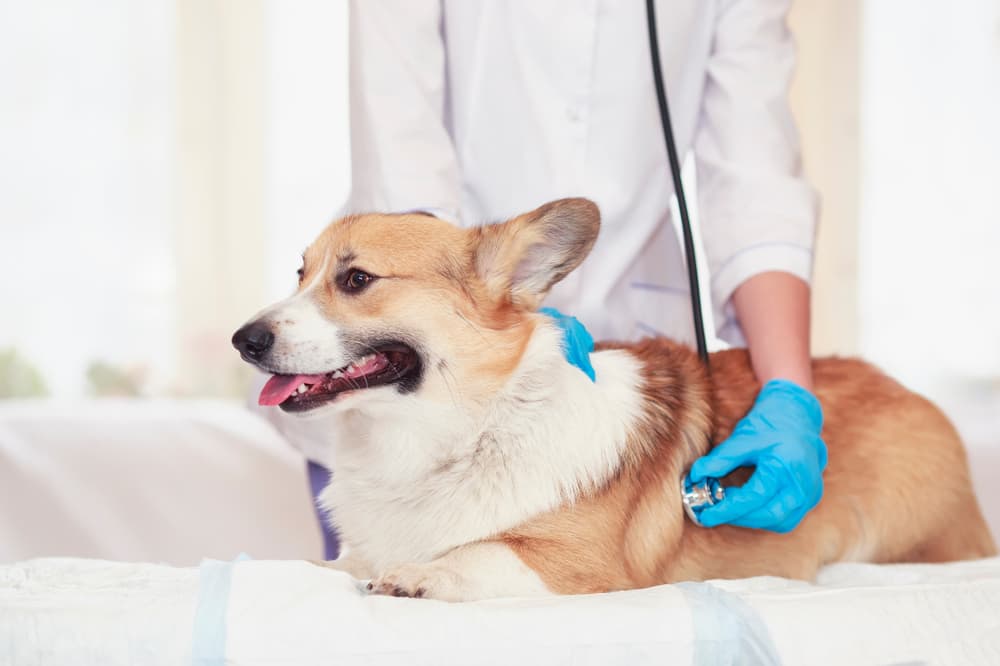
During the vet visit, be prepared to provide details about when symptoms started, patterns you’ve noticed, and treatments you’ve already tried. Your vet might perform a physical examination, blood tests, X-rays, or nasal swabs to identify the cause of your dog’s congestion.
Preventing Nasal Congestion in Dogs
As they say, an ounce of prevention is worth a pound of cure! Here are some strategies to help keep your dog’s nose healthy:
Regular Cleaning and Dust Control
- Vacuum frequently using a machine with a HEPA filter
- Wash your dog’s bedding weekly in hot water
- Remove shoes at the door to reduce bringing outdoor allergens inside
- Use microfiber cloths for dusting instead of feather dusters
Avoid Known Irritants
If you know what triggers your dog’s congestion, take steps to avoid those things. This might mean changing walking routes during high pollen seasons or switching to fragrance-free household products.
Keep Vaccinations Current
Staying up-to-date with vaccines helps prevent many respiratory infections. Vaccines for Bordetella (kennel cough), canine influenza, and distemper are particularly important for social dogs.
Regular Vet Check-ups
Routine examinations can catch potential issues before they become problems. This is especially important for breeds prone to respiratory issues, like brachycephalic dogs.
Consider Diet
Some dogs’ nasal symptoms can be related to food allergies. High-quality nutrition supports immune function, potentially reducing hypersensitivity reactions. Omega-3 supplements may also help reduce inflammation throughout the body, including the nasal passages.
Can I Give My Dog Human Decongestants?
NO! Never give human decongestants to dogs without veterinary guidance. Many human medications are toxic to dogs and can cause serious side effects or even be fatal. Always consult with your vet before giving your dog any medication meant for humans.
Final Thoughts
So, do dogs get congested? Absolutely! And just like us, they can feel pretty miserable when their nose is stuffed up. The good news is that with proper care and attention, most cases of canine congestion resolve quickly.
By understanding the causes, recognizing the symptoms, and knowing both home remedies and when to seek professional help, you can ensure your furry friend breathes easy and stays happy and healthy.
Have you dealt with congestion in your dog? What remedies worked best for your pup? We’d love to hear your experiences in the comments below!
Congested Dog: Home Remedy Ideas
There are things you can do around the home to reduce your dog’s congested breathing, regardless of the cause. Vacuuming regularly, using a filter vacuum, will keep dust, mites, and other allergens to a minimum.
Have you recently changed the cleaning products you use? Or laundry detergent? How about home fragrances, perfumes and colognes, or even hairsprays? All these things can agitate sensitive doggos, causing congestion, particularly with pampered, mostly indoor breeds. (I’m looking at you, George, the pampered British bulldog, for scratching and sniffling every time I use “cheap” cleaning products on the wooden floor.)
Fresh Air & Exercise
Opening the windows and letting some fresh air into the house, as well as making sure your pooch gets as much exercise and outdoor time as it needs is important. Overweight dogs will experience a host of problems, including congestion and respiratory conditions.
If your dog has outdoor-related allergies, however, this might not be the best idea.
Worried about the cost of vet care for your precious pooch? Why not let Petcube take away some of that stress? The Emergency Fund takes care of worst-case scenarios with your furry family friends, giving you up to $3,000 worth of vet care per year, per pet, for up to six pets.
It’ll set you back $29 per month – that’s less than $1 per day for complete pet peace of mind! And you’ll also get 24/7 access to qualified, professional vets online, so you can check and make sure it’s a real emergency BEFORE you go rushing to the vet.
What can I give my dog for congestion?
It is not recommended to give your dog any kind of over-the-counter medication that you – yourself – would take. Human medications aren’t designed for dogs. There are human allergy medications that are considered safe for dogs, but they aren’t always friendly when paired with other medications, other conditions, or certain dog breeds/types.
When should I take a dog with chest congestion symptoms to the vet?
Ideally, you will want to take your dog to the vet as soon as you notice ‘new’ symptoms. You shouldn’t leave it any longer than 48 hours before seeking advice. Most benign causes behind congestion in dogs will clear up before that, so a longer bout of it would indicate an underlying problem.
Are there high-risk congested dog breeds?
Yes, certain breeds of dogs are prone to suffering from congestion more than others. Short-nosed or flat-nosed breeds, such as bulldogs and pugs, experience breathing problems more frequently than others. Congestion can be more dangerous in short/flat-nosed breeds.

Simple, inexpensive effective Home Remedy for Kennel Cough
FAQ
How do you treat a congested dog?
Should I be worried if my dog sounds congested?
What does a dog with a cold sound like?
How to tell if a dog’s nose is blocked?