
Have you ever watched your furry friend lap up water and wondered “how do dogs drink water?” or “is my dog drinking enough?” As pet parents, we’re always concerned about our four-legged companions’ wellbeing, and hydration is a crucial part of their health. Let’s dive into everything you need to know about dogs and their water-drinking habits.
How Dogs Drink Water: The Science Behind the Slurp
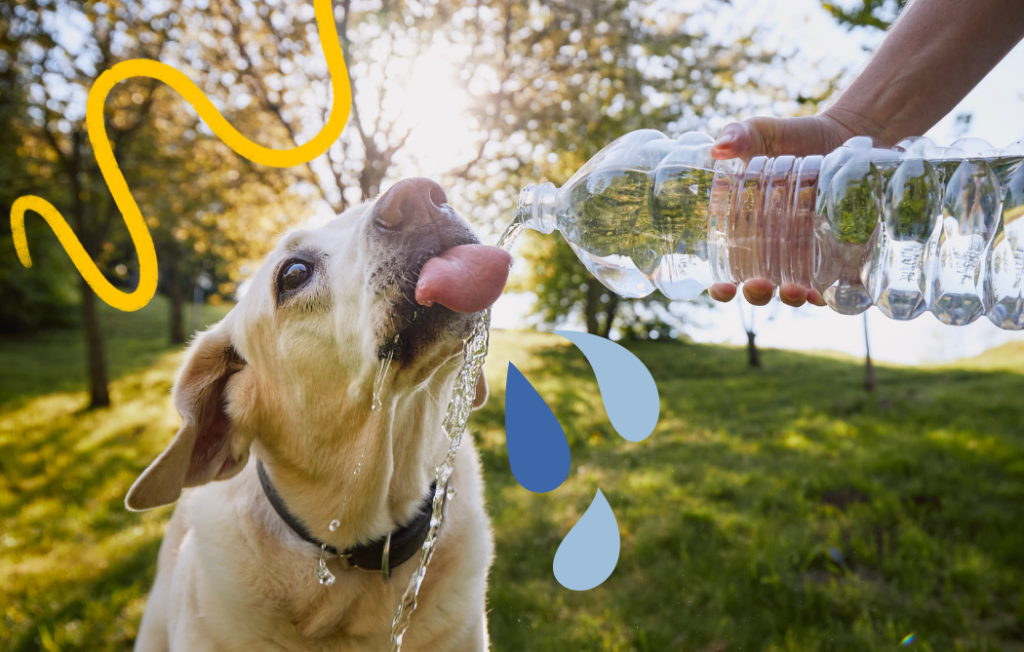
Unlike humans who use suction to drink, dogs have developed a unique and fascinating technique When your pup drinks water, they’re actually using their tongue in a way that defies gravity!
Dogs curl their tongues backward into a ladle-like shape, then rapidly dip their tongues in and out of water. This creates a column of water that they snap their mouths shut around. It’s an incredibly fast process – dogs can lap up to four times per second!
According to research from the American Physical Society, this drinking method is surprisingly efficient. Dogs create acceleration that’s five times that of gravity, allowing them to overcome their inability to create suction with their cheeks.
The Doggy Drinking Process:
- The dog extends its tongue and curls it backward into a ladle shape
- The tongue plunges into the water and retracts upward
- A column of water forms above the tongue
- The dog snaps its mouth closed to capture the water
- Repeat at lightning speed!
How Much Water Should Dogs Drink?
Most healthy dogs should drink approximately 1/2 to 1 ounce of water per pound of body weight daily. So a 50-pound dog would need between 25-50 ounces of water daily—that’s about 3-6 cups.
However, this is just a guideline. The National Research Council has reported estimates, but interestingly, there’s currently no scientific consensus on the optimal water intake for dogs.
Several factors affect how much water your dog needs:
- Size and weight: Bigger dogs need more water
- Diet: Dogs eating dry kibble need more water than those on wet food
- Activity level: Active dogs require more hydration
- Weather: Hot temperatures increase water requirements
- Health status: Certain conditions may affect thirst
Is My Dog Drinking Too Much Water?
While adequate hydration is essential, excessive drinking can sometimes signal an underlying health issue. Veterinarians use the term “polydipsia” to describe abnormal thirst in dogs.
14 Reasons Your Dog Might Be Drinking Excessively:
- Boredom or breed tendency: Some breeds like Retrievers, Setters, and Labradors naturally love water
- Cushing’s Disease: Affects the endocrine system and alters cortisol levels
- Diabetes: Prevents proper sugar conversion, increasing thirst
- Weather extremes: Dogs drink more in both hot and cold weather
- Liver Disease: Can increase water consumption
- Hypercalcemia: High calcium levels in the blood
- Kidney failure or disease: Affects blood pressure and hormone production
- Medications: Some drugs, especially steroids, increase thirst
- Pyometra: A condition in unspayed female dogs
- Psychogenic Polydipsia: A behavioral condition with no physical cause
- Diabetes mellitus: When the body doesn’t produce enough insulin
- High-sodium diet: Salty treats or table scraps can increase thirst
- Dehydration: Caused by lack of water access or excessive exercise
- Excessive exercise: Increased activity naturally increases water needs
Do Dogs Drink More Water in Winter?
Surprisingly, yes! Studies show that dogs often drink more water during winter, particularly in very cold climates where temperatures drop to around 21°F to –4°F (–6°C to −20°C).
This happens because:
- Dogs lose water through evaporative cooling
- Cold weather increases heart rate and panting
- The body works harder to maintain temperature
For working dogs and canine athletes in cold environments, research shows that nutrient-enhanced water may be even more beneficial than plain water.
Signs Your Dog May Not Be Drinking Enough
Dehydration can be dangerous for dogs. Watch for these warning signs:
- Dry, sticky gums
- Loss of skin elasticity
- Lethargy
- Sunken eyes
- Thick saliva
- Reduced urination
If you suspect your dog is dehydrated, offer water immediately and contact your vet if symptoms persist.
Do’s and Don’ts When Your Dog Is Drinking a Lot
DO:
- Schedule a vet appointment if excessive drinking persists
- Track your dog’s drinking patterns and amount
- Ensure adequate hydration, especially during extreme weather
- Bring water on walks
- Educate yourself about potential underlying conditions
DON’T:
- Ignore excessive thirst—it could indicate a serious problem
- Restrict water access before consulting your vet
- Panic—many conditions causing increased thirst are treatable
FAQs About Dogs and Water
Do dogs drink more water when in pain?
No, dogs in pain typically drink less water, not more. If your dog is drinking excessively, something else is likely going on.
What does it mean when senior dogs drink a lot but won’t eat?
This could indicate serious health issues like diabetes mellitus. Contact your vet promptly for testing and diagnosis.
Can dogs get water intoxication?
Yes! Though rare, dogs can develop water intoxication if they consume too much water too quickly. This is most common in dogs who love playing in water or obsessively drink.
How long can dogs go without water?
Dogs can survive only about 2-3 days without water, but dehydration can set in much sooner and cause serious health problems. Always ensure your dog has access to fresh water.
Do puppies need more water than adult dogs?
Puppies need more water per pound of body weight than adult dogs because they’re growing and have higher metabolism rates. They’re also more prone to dehydration.
When to See a Vet
If your dog’s excessive thirst is accompanied by any of these symptoms, seek veterinary care immediately:
- Vomiting
- Lethargy
- Blood in urine
- Increased urination
- Loss of appetite
- Sudden weight loss
Making Sure Your Dog Stays Hydrated
Here are some simple tips to ensure your furry friend stays properly hydrated:
- Always provide fresh water: Change your dog’s water at least once daily
- Consider a pet fountain: Moving water may encourage some dogs to drink more
- Bring water on outings: Portable dog water bottles are great for walks and trips
- Add water to food: If your dog eats dry kibble, try adding some water to increase hydration
- Monitor consumption: Be aware of how much your dog typically drinks so you can notice changes
Water is essential for all of your dog’s bodily functions, from regulating temperature to aiding digestion and removing waste. By understanding how dogs drink water and monitoring their consumption, you’ll be better equipped to keep your furry friend healthy and happy.
Remember, when it comes to your pup’s health, staying observant and proactive is key. If you ever have concerns about your dog’s drinking habits, don’t hesitate to consult with your veterinarian for personalized advice.
How to Handle the Mess
So what can a dog owner do about all that mess? Not much, as it turns out, says Dr. Brown. We need to just buy larger mats.
“Place the water bowl or pet fountain in the center of an easily cleaned and absorbent mat, especially if the dog drinks indoors—also keep those toilet lids down or you will get a cold surprise,” Dr. Brown says. Even so, don’t expect miracles. “The dog can no more control the amount of spillage than a leopard can control his spots.”
The Difference Between Cat and Dog Drinking
Cats drink neatly as they place their tongues on the water and pull it up, catching the resulting stream of water with their tongue. Dogs, on the other hand, drink by hitting the water with their tongues. When they take their tongues out of the water, they create an incredible acceleration—roughly five times that of gravity—that creates water columns that then feed up into their mouths.
“Dogs curl their tongues backward, shaping like a ladle,” says lead researcher Dr. Sunghwan Jung, assistant Professor of Biomedical Engineering and Mechanics at Virginia Tech. “Then, their tongues will scoop some water and also create a column of water beneath. Dogs bite and drink a portion of this water column, but scooped water will fall back to the bath.” Hence, all the splashing.
“All breeds of dogs drink the same way, but their anatomy plays a role in how messy they are when they drink,” says Dr. Gaylord Brown, the in-house veterinarian at Delta Rescue in Glendale, Cali. “A large, heavy jowled dog will, by his anatomy, have more drool than a Chihuahua. However, the actual drinking process is the same.”