Trimming your dog’s nails is one of those necessary pet care tasks that many of us approach with a bit of anxiety I’ve personally seen my Golden Retriever give me those sad puppy eyes whenever the nail clippers come out, and it’s made me wonder – am I actually hurting him? If you’ve ever questioned whether dogs feel pain during nail trims, you’re definitely not alone. Let’s dig into this common concern and separate fact from fiction.
The Truth About Cutting Your Dog’s Nails
Just like us, dogs don’t have any nerves in the nail itself, so as long as you don’t hit the quick, you won’t cause any pain. When done correctly, staying well above the quick, nail trimming shouldn’t hurt at all—your dog may feel some pressure, but not actual pain.
The discomfort and fear many dogs display during nail trimming often stems from
- Previous bad experiences
- The unusual feeling of pressure on their nails
- Restraint that makes them uncomfortable
- The sound of the clippers
Understanding Your Dog’s Nail Anatomy
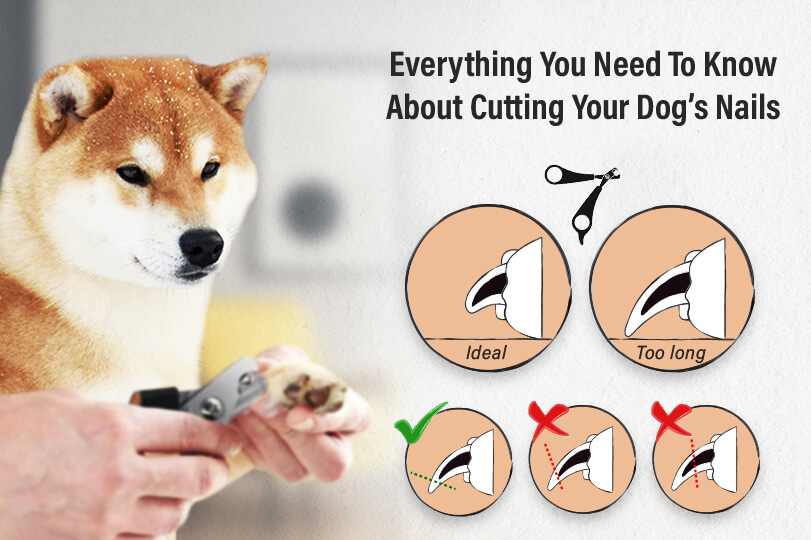
The key to painless nail trimming lies in understanding the anatomy of your dog’s nail Each nail contains a structure called the “quick” – a bundle of blood vessels and nerves that runs through part of the nail
The quick is:
- Visible as a pink area in light-colored nails
- Hidden and harder to spot in dark or black nails
- Sensitive and will cause pain and bleeding if cut
This is why precision matters so much when trimming. When we accidentally cut into the quick, our dogs experience sharp pain, bleeding, and understandably develop fear around future nail trimming sessions.
Light vs. Dark Nails: The Visibility Challenge
One of the trickiest aspects of nail trimming is that not all dogs have the same nail type:
Light-Colored Nails
- The quick is visible as a pink area
- Easier to see where to stop trimming
- Lower risk of accidentally cutting the quick
Dark-Colored Nails
- The quick is hidden and difficult to see
- Requires more caution and careful trimming
- May need to trim small amounts at a time
- Using a flashlight to backlight the nail can help identify the quick’s edge
We always recommend erring on the side of caution – it’s better to trim a little less than risk cutting the quick and creating trauma for your pup.
Signs Your Dog Is Experiencing Pain During Nail Trims
How can you tell if your dog is experiencing actual pain versus just being anxious about the nail trimming process? Here are some telltale signs:
- Sudden yelping or crying out
- Pulling their paw away forcefully
- Bleeding from the nail
- Licking or favoring the paw after trimming
- Aggression or fear response during future nail trims
- Limping after a nail trim
If you notice bleeding, you’ve cut the quick. Apply styptic powder or cornstarch to stop the bleeding, and be more cautious next time.
How to Make Nail Trimming Less Stressful for Your Dog
The approach to nail trimming matters as much as the actual technique. Many dogs fear nail clippers due to past experiences or rough handling. Here’s how we can make it better:
1. Start Early with Desensitization
- Touch and handle your puppy’s paws regularly during play
- Reward calm behavior with treats and praise
- Gradually introduce the nail clippers as a neutral object
2. Choose the Right Tools
- Pet-specific nail clippers designed for your dog’s size
- Nail grinders, which some dogs find less intimidating
- Proper lighting to see the quick better
3. Use Positive Reinforcement
- Give high-value treats before and during trimming
- Praise softly throughout the process
- Keep sessions short (5-10 minutes max)
- Stop if your dog becomes too stressed
4. Consider Professional Help
- Veterinarians can demonstrate proper technique
- Professional groomers have experience with nervous dogs
- Some facilities offer sedation for extremely anxious pets
Consequences of Avoiding Nail Trims
While we might be tempted to skip nail trims to avoid stressing our pups, there are real consequences to letting nails grow too long:
- Long nails can curve into the paw pad, causing chronic pain
- Altered gait and posture leading to joint issues
- Increased risk of the nail splitting or breaking
- Difficulty walking on hard surfaces
- Potential for nail bed infections
Regular maintenance (usually monthly trims) prevents these issues and is actually much kinder in the long run.
Special Considerations for Different Dogs
Not all dogs are the same when it comes to nail care:
Puppies
- Start handling paws early
- Keep sessions very short and positive
- Use smaller clippers designed for puppy nails
Senior Dogs
- May have thicker, more brittle nails
- Could have arthritis making restraint uncomfortable
- Often benefit from more frequent, gentle trims
- Nail grinders might be gentler on stiff paws
Rescue Dogs or Those with Trauma
- Need extra patience and gradual introduction
- May require professional help initially
- Could benefit from anxiety-reducing techniques or products
My Personal Experience with Nail Trimming
I’ll never forget the first time I cut my dog Max’s quick. The yelp he let out made my heart sink, and the blood (though minimal) made me feel like the worst pet parent ever. After that incident, Max would hide under the bed whenever he saw the nail clippers.
It took us months of patient retraining – lots of treats, super short sessions, and eventually switching to a grinder instead of clippers – before he would tolerate nail maintenance again. Now, we’ve worked out a system where he gets a spoonful of peanut butter to lick while I quickly trim one paw at a time. It’s not his favorite activity, but we get through it without drama.
Step-by-Step Guide to Painless Nail Trimming
If you’re ready to try trimming your dog’s nails at home, here’s a simple guide:
- Gather supplies – Proper clippers, treats, styptic powder (just in case)
- Create a calm environment – Choose a quiet time and comfortable space
- Position your dog comfortably – Either sitting or laying down
- Hold the paw firmly but gently – Support the toe between your fingers
- Identify the quick – Use good lighting to locate it
- Cut at a 45-degree angle – Stay at least 2mm away from the quick
- Trim small amounts – Better to trim less and more frequently
- Reward generously – Give treats after each nail or paw is completed
- File rough edges – Smooth any sharp edges with a nail file
- End on a positive note – Play or cuddle after the session
FAQ About Dog Nail Trimming
How often should I trim my dog’s nails?
Most dogs need their nails trimmed every 3-4 weeks, but this varies based on activity level and surfaces they walk on regularly.
Why does my dog hate having his nails trimmed?
Your dog may have had a painful experience in the past, doesn’t like being restrained, or is sensitive to the pressure sensation of clipping.
Are nail grinders better than clippers?
Neither is universally “better” – some dogs prefer grinders because they’re quieter and more gradual, while others are scared of the vibration and noise.
What do I do if I accidentally cut the quick?
Apply styptic powder or cornstarch to stop bleeding, comfort your dog, and be more cautious next time. The pain will subside fairly quickly.
Can I file my dog’s nails instead of cutting them?
Yes! Filing or using a grinder can be less traumatic for some dogs, though it takes longer than clipping.
Should I soak my dog’s nails before trimming?
Some people find that soaking nails in warm water for a few minutes softens them and makes trimming easier, but it’s not necessary.
The Bottom Line: Respect and Patience
Dogs don’t have to feel pain when you trim their nails. With knowledge, patience, and the right approach, nail trimming can become just another routine part of care rather than a dreaded ordeal.
Remember that your dog picks up on your emotions, so staying calm and confident sends the message that there’s nothing to fear. Take the time to learn your dog’s nail anatomy, use the right tools, and turn trimming into a positive experience.
Your dog’s paws are their connection to the world – caring for them with respect ensures every step they take is a comfortable one. And isn’t that what we all want for our furry friends?
Have you found any special tricks that make nail trimming easier for your dog? We’d love to hear your experiences and tips in the comments below!