
Have you ever been enjoying a nice play session with your furry friend when suddenly – chomp! – they’ve got your hand in their mouth? Don’t worry, you’re not alone! As a dog owner for over 10 years, I’ve dealt with my fair share of play biting, and it’s actually a super common behavior that many pet parents struggle with.
Play biting might seem annoying or even scary sometimes, but understanding why dogs do this and how to manage it properly can make a huge difference in your relationship with your pup. So let’s dive into the world of canine mouthing and discover what’s really going on when dogs play bite!
What Exactly Is Play Biting?
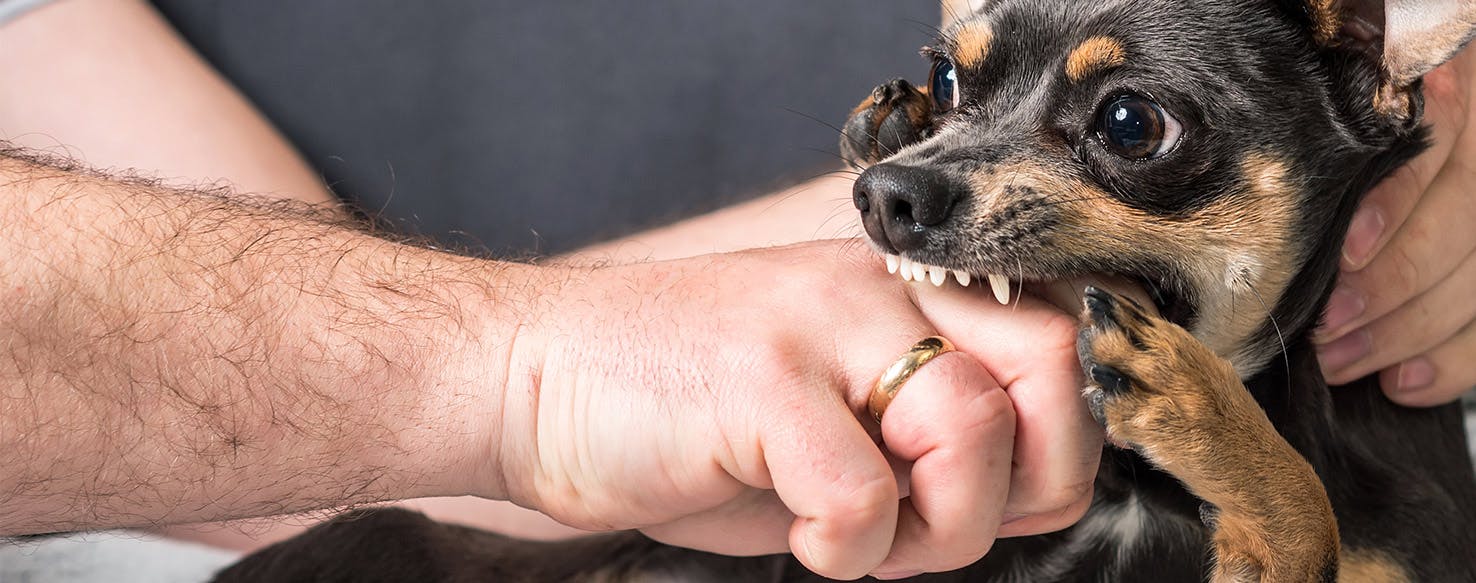
Play biting (also called mouthing or nipping) is when your dog uses their mouth on your hands feet or clothing during play or interaction. It’s different from aggressive biting because it’s not meant to cause harm – though it can still hurt, especially with adult dogs!
Most play biting behavior is exactly what it sounds like – it’s part of how dogs play. But sometimes it can cross the line from fun to frustrating or even painful, especially when your doggo gets super excited.
Why Do Dogs Play Bite? The Root Causes
Dogs have many reasons for play biting, Here are the most common ones
1. It’s Natural Doggy Behavior
Dogs explore their world through their mouths. From puppyhood, they use mouthing to learn about objects, other dogs, and yes – us humans too! It’s basically like having hands for them.
2. Overexcitement and Overstimulation
When dogs get really excited during play, their arousal levels increase. This can cause them to temporarily lose control of their bite inhibition, resulting in harder nips than they intended. My Lab mix gets like this when we play tug-of-war for too long!
3. Lack of Training
Many adult dogs who mouth people probably never learned not to during puppyhood. If their human parents didn’t teach them how to be gentle or to chew toys instead, they’ll continue the behavior into adulthood.
4. Accidental Nips
Sometimes bites happen by accident, especially during games like tug-of-war. If the toy is too short or you both grab for the same part, your fingers might end up in the wrong place at the wrong time!
5. Prey Drive
Some breeds have stronger prey drives, and certain types of play can trigger these instincts. Fast movements, running, or squeaky toys might activate hunting behaviors that include mouthing and nipping.
6. Resource Guarding
Some doggos will guard toys during play. This protective behavior can lead to nipping if they feel their treasured toy might be taken away.
Playful Mouthing vs. Aggressive Behavior: Spotting the Difference
It’s super important to know if your dog is play biting or showing signs of aggression. Here’s how to tell:
Playful Mouthing:
- Relaxed body and face
- Might have a wrinkled muzzle but not tense facial muscles
- Usually less painful than aggressive bites
- Often accompanied by play bows, bouncy movements
- Dog appears happy and excited
Aggressive Behavior:
- Stiff body posture
- Wrinkled muzzle with pulled back lips exposing teeth
- Quicker, more painful bites
- May growl or snarl
- Fixed, hard stare
If you think your dog’s biting fits the aggressive category, please get help from a qualified professional like a Certified Applied Animal Behaviorist (CAAB) or a board-certified veterinary behaviorist. This isn’t something to try handling on your own!
How to Stop Your Dog From Play Biting
Now for the part we’ve all been waiting for – how to actually stop this behavior! I’ve tried many of these techniques with my own dogs, and they really do work with consistency.
Step 1: Teach Bite Inhibition First
Before trying to eliminate mouthing completely, teach your dog to be gentle. Bite inhibition is super important – it helps dogs learn to control the force of their biting, even during play.
Try this method:
- Let your dog mouth on your hands during play
- When they bite too hard, immediately give a high-pitched “OUCH!” or yelp
- Let your hand go limp (don’t pull away, which can trigger more biting)
- This should startle your dog into stopping momentarily
- Praise them for stopping or for licking you instead
- Resume play
- Repeat if they bite hard again (no more than 3 times in 15 minutes)
If yelping doesn’t work, try a time-out approach:
- When your dog bites hard, yelp loudly
- When they look at you, remove your hand
- Ignore them for 10-20 seconds or leave the room if needed
- Return and resume gentle play
- Repeat as needed, gradually requiring gentler and gentler mouthing
Step 2: Teach No Teeth on Skin
Once your dog has learned to be gentle, you can teach them to avoid mouthing people altogether:
-
Substitute toys: When your dog tries to mouth you, offer a toy or chew bone instead.
-
Distract during petting: If your dog mouths when being petted, distract them with small treats from your other hand.
-
Play differently: Focus on non-contact games like fetch or structured tug-of-war rather than wrestling or rough play with your hands.
-
Redirect ankle-biters: If your dog goes after your feet and ankles, freeze immediately and offer a tug toy. If no toy is available, just freeze until they stop, then praise and reward.
-
Use time-outs consistently: Give your dog a time-out EVERY time their teeth touch your skin, not just for hard bites.
-
Try a leash for management: Keep a leash on your dog (supervised only!) and use it to lead them to a time-out area when mouthing occurs.
-
Taste deterrents as a last resort: If other methods aren’t working, try applying a bitter spray to areas your dog likes to mouth. Most dogs hate the taste!
Step 3: Provide Alternatives and Prevention
Being proactive is key to success:
-
Give plenty of chew toys: Make sure your dog has lots of appropriate things to chew on.
-
Rotate toys: Keep things interesting by switching toys regularly.
-
Exercise adequately: A tired dog is less likely to engage in mouthy behavior.
-
Socialize with other dogs: Let your dog play with friendly, vaccinated dogs to expend energy appropriately.
-
Teach impulse control: Work on commands like “sit,” “wait,” and “leave it” to help your dog learn self-control.
-
Manage arousal levels: Learn to recognize when your dog is getting too excited and take play breaks before nipping starts.
What NOT to Do When Your Dog Play Bites
These approaches can make the problem worse:
-
Don’t wave fingers or toes in your dog’s face to entice play – this encourages biting!
-
Don’t jerk away when your dog mouths you – this can seem like a game and trigger chase instincts.
-
Avoid physical punishment like slapping, hitting, or scruff shaking – these can cause fear, ruin your bond, or even trigger real aggression.
-
Don’t discourage play altogether – play builds your bond! The goal is gentle play, not no play.
When to Seek Professional Help
Sometimes we need extra help, and that’s okay! Consider working with a professional if:
- Your dog’s play biting is severe or painful
- The behavior is getting worse despite your efforts
- Your dog shows signs of aggression
- You’re struggling to implement training consistently
- Your dog is an adult with deeply ingrained mouthing habits
A Certified Professional Dog Trainer (CPDT) can provide invaluable guidance through classes or private training.
My Personal Experience
I remember when my rescue Lab mix, Buddy, would get so excited during play that his mouthing would get out of hand. We used the yelping technique consistently, and within a few weeks, his bite pressure decreased significantly. Then we worked on the “no teeth on skin” rule.
It wasn’t always easy – there were days when I felt like we weren’t making progress. But with patience and consistency, Buddy eventually learned that mouthing wasn’t appropriate. Now we can play tug without any accidental nips!
Final Thoughts
Play biting is normal dog behavior, but that doesn’t mean we have to live with it forever. With patience, consistency, and the right techniques, you can teach your dog to play gently without using their mouth on you.
Remember that different dogs learn at different rates. Puppies typically pick up these lessons faster than adult dogs, and some breeds (especially those bred for mouthy tasks like retrieving) might need more time and reinforcement.
The most important thing is to stay positive and consistent. Don’t give up if you don’t see immediate results – good training takes time! And if you’re struggling, don’t hesitate to reach out to a professional trainer for some extra support.
Do you have any tips or stories about managing your dog’s play biting? I’d love to hear them in the comments below!
Has your doggo been nipping during play? Which techniques have you tried? Share your experiences and questions in the comments!
Why is my puppy nipping and biting family members?
Although often thought to be a teething behavior, nipping, mouthing and biting in young dogs is generally a form of social play. Teething is more likely to involve gnawing or chewing on household objects. The first thing you must do is to provide a regular daily routine that includes ample opportunity for play (see Enrichment, Predictability, and Scheduling and Play and Exercise). Social play with people could involve controlled chase and retrieve games, as well as long walks or jogging. Many dogs also enjoy engaging in tug games, which may be an excellent outlet for play biting, providing the games are directed toward appropriate play toys and objects (see below) and under human control. However, if the puppys play becomes too rambunctious or aggressive, these games may not initially be acceptable.
 Puppies need to learn to limit the force and strength of their bite so if mouth contact is utilized, the message is communicated with minimal damage, commonly known as bite inhibition. This is something they start to learn while with their littermates. It is one reason that puppies should not go to new homes until 7 to 8 weeks of age and they have had time to practice social skills with other dogs. Often littermates play very rough and may even seem loud and aggressive. Sometimes one puppy bites another one too hard and screams out; this startles the offending puppy and teaches him how hard to bite during play. These lessons are essential for a puppy and people should not intervene in most littermate puppy – puppy interactions. In addition, after puppies have been adopted into the new home, it can be extremely beneficial to have regular interactive social play periods with other dogs or puppies in the home or in the neighborhood (see Play and Exercise). One of the things that puppies need to learn is how much pressure from their jaws causes pain. Without this feedback, a puppy does not learn to inhibit the force of its bite. Because all dogs can and will bite at some time, this lesson is vital for human safety.
How can I stop play biting?
Be sure you are providing the puppy adequate and appropriate play, exploration, attention and exercise opportunities. Strategies to stop play biting include:
- Prevention: Adopt a puppy at 7 weeks so he has had the opportunity to practice normal, social play with littermates and mom.
- Set up to succeed: Provide a “mouthy” puppy with toys for oral stimulation; soft toys, food toys and tug of war can help satisfy these puppies’ oral and exploratory needs.
- Be consistent: Family members should agree that the puppy not be allowed or encouraged to bite or nibble on peoples hands, feet or clothing. What seems cute and innocent in a puppy will not be at maturity.
Puppy Training- How To Stop Puppy Biting Guaranteed! STOP Puppy Biting In Seconds!
FAQ
What does it mean if a dog is play biting?
If your dog is play biting, it’s a sign of affection; it’s gentle, he looks happy, and he might even be laying down. An aggressive dog, however, will growl, bark, or snarl, his body will be tense, and he’ll show his teeth. Aggressive bites are often faster than a play bite, and the big difference is you’ll feel it.
Do dogs bite each other?
If you’ve ever watched dogs play with each other, you’ll probably have seen them leaving their mouths open to bite each other. Mouthing allows dogs to fight without actually doing harm to each other. Even though their mouthing behavior only mimics a bite, it still applies pressure and could hurt, especially to a human.
Is play biting bad for a dog?
App. Some owners encourage play biting while others detest it. Play biting is natural for your dog, so it is good when he practices it. It strengthens your relationship because he sees you as a friend, not a threat. However, if you’re uncomfortable with it, you should find ways to reduce or stop the behavior.
Why does my dog bite frequently?
For young puppies, play biting is a way to explore the world and learn about their own strength and limits. As they grow older, dogs will continue to bite occasionally during play as part of their normal social interactions. When dogs play with each other, they use their mouths and teeth much more than humans do when playing with friends.
Is a dog bite serious?
While most dog bites are not serious, it’s important to be aware that this behavior is natural and should not be punished. Instead, provide your dog with plenty of toys and opportunities to play with other dogs so that they can satisfy their natural predatory instincts in a safe and healthy way. For dogs, play biting is a way to relieve stress.
Why do dogs bite each other when playing?
Dogs typically bite each other when they play because they are practicing their fighting skills with their friends. Learning how to fight is a natural process for dogs, as they would need to defend themselves in the wild against predators. However, there’s a difference between soft biting while playing and aggressive biting.
How do I know if my dog is play biting?
In most cases, a playful dog will have a relaxed body and face. His muzzle might look wrinkled, but you won’t see a lot of tension in his facial muscles. Playful mouthing is usually less painful than more serious, aggressive biting. Most of the time, an aggressive dog’s body will look stiff.
Do dogs play bite to show affection?
Yes, dogs often nibble to show affection, using gentle “love bites” to mimic the bonding and social grooming behaviors they learned with their mothers and littermates. This is a natural and loving behavior where they view you as part of their pack, but it can also signal a desire for attention or play, or in some cases, anxiety or overstimulation. To tell the difference, observe your dog’s overall body language; if it’s relaxed and happy, the nibbling is likely affectionate.
Why do dogs play bite when they see you?
Do dogs bite when they play their owners?
Yes, dogs do play bite their owners, a behavior that is normal for puppies but less common and potentially more problematic in adult dogs. Play biting is a form of social play, often enthusiastic, but it becomes harmful if the bite pressure is too hard or if it’s mistaken for aggression. It is essential to teach dogs “bite inhibition,” the ability to control the strength of their bite and not cause pain, and to redirect play-biting onto appropriate toys.