
“How many hours should an old dog sleep?” If you are looking over at your snoozing senior dog and asking yourself this question, integrative veterinarian Julie Buzby is here to help. By the end of this article, you’ll have guidelines for how long dogs may sleep, signs that your dog’s sleep patterns may indicate a problem, and tips to help your dog sleep more comfortably.
One common question I get asked by senior dog parents is, “How many hours should an old dog sleep?” It is normal for pet parents to become concerned when they notice their beloved older dog is sleeping more and more. Or, on the flip side, when they notice their dog seems to pace around all night long.
Since I frequently discuss this with my clients, I wanted to share this information with you too. Understanding what’s normal and what’s not can make it easier for you to know if the changes you are seeing could be pointing to a problem. Let’s start by establishing a baseline.
Ever caught yourself watching your older furry friend snoozing away the day and wondered, “Is it normal that my senior dog sleeps all day?” Trust me, you’re not alone! As our canine companions age, their sleep patterns often change dramatically, and it can sometimes be concerning for us pet parents
My old Lab, Buddy, used to be the first one up in the morning, ready for his walk Now at 12 years old, he’s often still snoring away when I’m on my second cup of coffee It got me wondering if this was normal or if something was wrong.
How Much Sleep is Normal for Senior Dogs?
Let’s break down what’s actually normal when it comes to senior dogs and their sleep habits:
Sleep Requirements by Age
Dogs have different sleep needs throughout their lives:
- Puppies: Need about 18 hours of sleep daily (they’re growing and learning!)
- Adult dogs (1-5 years): Typically sleep 8-14 hours per day
- Senior dogs: Can sleep anywhere from 14-20 hours a day
According to veterinary experts, senior dogs naturally require more shut-eye than their younger counterparts. Dr. Rossman from Glen Oak Dog & Cat Hospital explains that “the older they get, the more sleep they need, and that’s OK.” This is similar to how elderly humans often need more rest.
When Does a Dog Become a “Senior”?
Interestingly, there’s no one-size-fits-all age when a dog becomes a senior. It actually depends on the breed and size:
- Large and giant breeds: May be considered seniors as early as 5-6 years
- Small and medium breeds: Usually reach senior status around 7-8 years
For example, a Great Dane might be considered elderly at 5 years old, while a little Maltese isn’t a senior until around 7 or 8. Bigger dogs generally age faster and have shorter lifespans, which is why they become seniors earlier.
Why Do Older Dogs Sleep So Much?
There are several perfectly normal reasons why your older pup might be catching more Z’s:
-
Energy conservation – Senior dogs tire more easily and need additional rest to recharge their batteries.
-
Immune health – Sleep is crucial for maintaining a strong immune system, which becomes even more important as dogs age.
-
Interrupted nighttime sleep – Many older dogs experience restlessness or anxiety at night, leading to poor sleep quality and more daytime napping.
-
Joint pain and discomfort – Conditions like arthritis can make it harder for dogs to get comfortable, resulting in more frequent but shorter sleep periods.
-
Medical conditions – Some health issues common in older dogs can cause increased lethargy and sleepiness.
My neighbor’s 14-year-old Beagle sleeps almost 18 hours a day now, but she’s still playful and excited during her awake time. Her vet says this is completely normal for a dog her age.
When Should You Worry About Your Senior Dog’s Sleep?
While increased sleep is typically normal for aging dogs, there are some red flags that might indicate a problem:
Warning Signs to Watch For:
- Sudden changes in sleep patterns rather than gradual ones
- Difficulty waking up or seeming disoriented upon waking
- Signs of pain or discomfort while sleeping
- Abnormal behaviors during sleep (beyond normal dream movements)
- Other concerning symptoms when awake, such as:
- Decreased or increased appetite
- Changes in water consumption
- Vomiting or diarrhea
- Sudden weight changes
- Lethargy even during “awake” hours
- House accidents or incontinence while sleeping
- Breathing difficulties
- Coughing or gagging
- Nighttime wandering or restlessness
Dr. Lindell, a board-certified veterinary behaviorist, recommends using “the dog as its own baseline and look for changes.” This means paying attention to YOUR dog’s normal patterns and noting any significant deviations.
Possible Health Concerns Behind Excessive Sleep
If your senior dog’s increased sleep is accompanied by other symptoms, it might be related to health conditions such as:
- Canine cognitive dysfunction (doggy dementia)
- Heart disease or heart failure
- Arthritis and joint pain
- Kidney disease
- Hypothyroidism
- Cancer
- Hearing loss
When my sister’s Border Collie started sleeping way more than usual AND began having accidents in the house, a vet visit revealed early kidney disease. With proper treatment, her energy levels improved somewhat, though she still needed more rest than in her younger years.
How to Help Your Senior Dog Sleep Better
Whether your older dog is sleeping too much or having trouble getting quality rest, here are some tips to help improve their sleep:
1. Create a Comfortable Sleep Environment
Older dogs often need more comfort and support when sleeping. Consider:
- Orthopedic dog beds with proper cushioning for arthritic joints
- Easy access to sleeping areas (ramps or steps if they sleep on furniture)
- Temperature control – older dogs can be more sensitive to heat and cold
2. Add Some Ambiance
Just like us, dogs can benefit from the right sleep environment:
- Some dogs prefer night lights to help with vision issues
- Others might sleep better with soft music or white noise
- Many senior dogs feel secure in a crate or enclosed bed that feels den-like
3. Control Your Dog’s Pain
This is SUPER important! Pain is a major sleep disruptor for older dogs.
- Talk to your vet about appropriate pain management options
- Consider natural supplements like glucosamine and chondroitin
- Regular gentle massage can help relieve muscle tension
4. Balance Activity and Rest
Finding the right balance can help regulate sleep patterns:
- Gentle daily exercise appropriate for your dog’s ability level
- Mental stimulation through puzzle toys and training
- Consistent daily routine to help regulate their body clock
5. Consider Sleep Aids if Recommended by Your Vet
For dogs with significant sleep issues, especially those with cognitive dysfunction:
- Melatonin supplements (make sure they’re xylitol-free!)
- MCT oil for brain health and sleep cycle regulation
- Anti-anxiety medications for dogs with nighttime anxiety
We started giving our senior Poodle a melatonin supplement (recommended by our vet), and it’s made a huge difference in her nighttime restlessness. She sleeps more soundly now and seems more refreshed during the day.
When to See the Vet
If you’re concerned about your older dog’s sleep patterns, it’s always better to consult with your veterinarian. They may recommend:
- Bloodwork and urinalysis to check for underlying medical conditions
- X-rays or ultrasound to evaluate heart, joints and other organs
- Orthopedic examination to assess for arthritis or other mobility issues
- Cognitive function assessment to check for signs of dementia
Remember, increased sleep itself isn’t usually a problem for senior dogs – it’s the sudden changes or accompanying symptoms that warrant attention.
The Bottom Line
So, do dogs sleep more when they get older? Absolutely yes! It’s completely normal for senior dogs to sleep 14-20 hours a day. This increase in sleep is usually just part of the natural aging process.
However, always trust your instincts as a pet parent. You know your dog better than anyone, and if something seems off about their sleep patterns or overall behavior, it’s worth checking with your vet.
Our aging dogs give us so much love and companionship throughout their lives – they deserve our careful attention and patience as they enter their golden years. By understanding their changing sleep needs, we can help make their senior years as comfortable and happy as possible.
Do you have an older dog that’s sleeping more? What changes have you noticed in their sleep patterns? I’d love to hear about your experiences in the comments!
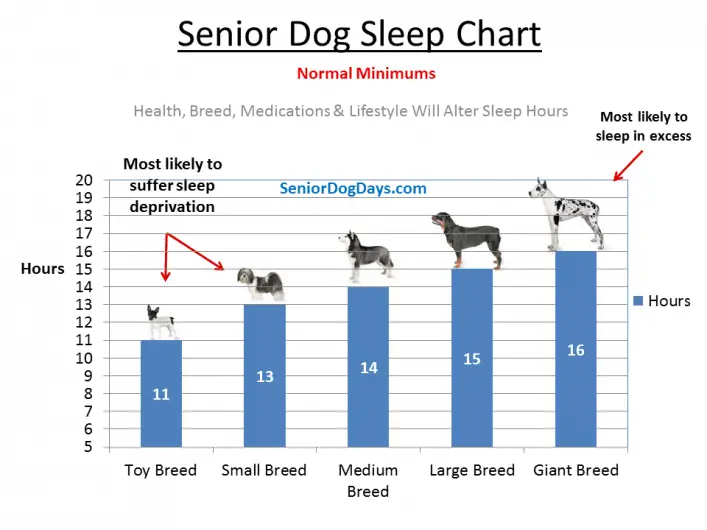
Why do old dogs sleep so much?
Granted, every dog (and human) needs sleep in order to function. But for senior dogs, there are five main reasons that explain why they sleep a lot:
- As dogs age, they tire easily and need more time to rest and catch up. Taking multiple naps throughout the day allows the body to relax and prepare for more activity.
- Sleep is very important for immune health. Sleeping for longer periods of time can help your senior dog’s body prevent infections.
- When dogs get older, they often become more restless. The interrupted sleep at night and senior dog anxiety at night can cause them to be more tired during the day.
- Senior dogs are more likely to be suffering from joint pain or other diseases that makes sleep uncomfortable. This can lead to the need for more naps since their sleep quality is poor. Sleeping can also be a way for them to try to “escape” their pain and discomfort.
- Older dogs have an increased risk of developing several diseases that can cause them to be a lethargic dog. Sudden changes in sleep patterns could be a sign that your dog is suffering from an underlying condition.
How can I help my old dog sleep through the night?
Getting proper sleep is necessary to maintain good physical, mental, and emotional health, and to prevent infections and other diseases. Therefore, it is important that your dog is comfortable and able to sleep deeply. I share these tips with my clients and wanted to pass them on to you too:
How Many Hours a Day Do Dogs Sleep? – Puppies, Adults & Seniors
FAQ
At what age do dogs start sleeping more?
Is it normal for senior dogs to sleep all day?
What age is considered old for most dogs?
A dog is generally considered “old” or a senior dog between the ages of 5 to 12 years old, with the exact age varying significantly based on the dog’s size and breed. Larger and giant breeds become senior at a younger age (around 5-8 years), while smaller and toy breeds reach senior status later (around 10-12 years).
When should I worry about my dog sleeping a lot?
If your pet’s sleep habits have changed suddenly, or if they show signs of illness like weight loss, vomiting, or weakness, or even if you’re just worried, …Sep 19, 2024