
A change in a dog’s bark can sound like a different pitch or volume; hoarseness; or apparent strain.
Ever notice your older pup doesn’t sound quite the same as they used to? You’re not imagining things! As our furry friends journey through their golden years, their voices often undergo noticeable changes. Just like humans, dogs experience physical changes as they age that can affect how they communicate with us.
At Golden Meadows Retrievers, we’ve observed countless dogs transition through different life stages, and vocal changes are among the most overlooked signs of aging. Let’s dive into why your senior dog’s bark might sound different and what these changes could mean for their health.
The Aging Canine Voice: What’s Normal and What’s Not
As dogs get older, several natural changes can affect their barking:
- Weakening vocal cords – Just like elderly humans sometimes develop shakier voices, older dogs may develop a softer or more raspy bark
- Reduced lung capacity – Senior dogs might not have the same breath support they once did
- Muscle changes in the throat and larynx area
- Cognitive changes that alter how frequently or when they choose to bark
Many pet parents notice their once-boisterous puppy’s enthusiastic barks gradually transform into more measured, sometimes quieter vocalizations This is often just part of the normal aging process
However, not all changes to your dog’s bark are simply age-related. Some vocal changes can signal health issues that require veterinary attention.
When Bark Changes Signal Health Concerns
Sudden vs. Gradual Changes
There’s a big difference between the gradual vocal changes that come with aging and sudden alterations in your dog’s bark. According to veterinarians at Pet Medical Center of Vero Beach if your dog’s bark changes dramatically and persists for more than a day it’s time to schedule a vet visit.
Sudden changes might indicate one of several health issues:
-
Throat Trauma
Physical damage to your dog’s throat can immediately alter their bark. This could result from:- Rough play with other dogs
- Accidents or falls
- Foreign objects stuck in the throat
-
Hypothyroidism
This common condition in older dogs affects hormone production and can cause a hoarse or weakened bark. Watch for other symptoms like:- Fur loss
- Flaky skin
- Weight gain
- Lethargy
-
Laryngeal Paralysis
More common in larger breeds and senior dogs, this condition affects the cartilage that opens and closes over the trachea. Early signs include:- Harsh or whistle-like barking
- Noticeable changes after exercise or playing
- Labored breathing
-
Tracheal Collapse
This occurs when the rings of cartilage that hold the airway open weaken. Dogs with this condition may develop:- Quieter barks
- Wheezing sounds
- Respiratory distress in severe cases
-
Growths or Cancer
Unfortunately, tumors in the throat area can cause changes to your dog’s voice. These require immediate veterinary attention for proper diagnosis and treatment options.
Breed-Specific Considerations
Some breeds are more prone to vocal changes with age. For instance:
- Giant breeds like Great Danes and Mastiffs often develop laryngeal paralysis as seniors
- Brachycephalic breeds (flat-faced dogs) like Pugs and Bulldogs may experience more pronounced changes due to their unique airway structure
- Small breeds like Yorkshire Terriers and Chihuahuas are more susceptible to tracheal collapse
How to Monitor Your Dog’s Bark
I recommend establishing a “bark baseline” for your dog. Pay attention to:
- The volume of their typical bark
- The pitch (high or low)
- Any unique sounds or patterns
- How long they can bark continuously
By knowing what’s normal for your dog, you’ll be better equipped to notice meaningful changes. One good habit is to listen carefully to your dog’s greeting bark when you return home. This consistent scenario provides a good opportunity to note any changes over time.
When to See the Vet
While some bark changes are just part of getting older, others require medical attention. Contact your veterinarian if:
- The change in bark is sudden rather than gradual
- Your dog shows signs of pain when barking
- You notice difficulty breathing along with vocal changes
- The bark change is accompanied by coughing, gagging, or choking
- Your dog seems to be avoiding barking when they would normally vocalize
Caring for Your Senior Dog’s Vocal Health
To help maintain your aging dog’s vocal health:
- Keep them hydrated – Proper hydration helps maintain mucous membranes throughout the body
- Avoid neck collars if your dog has any throat issues – switch to a harness instead
- Maintain healthy weight – Excess weight can put pressure on the respiratory system
- Regular checkups – Senior dogs benefit from more frequent veterinary care
- Minimize stress – Excessive barking from anxiety can strain vocal cords
Other Age-Related Changes to Watch For
Your dog’s changing bark is just one of many transformations you might notice as they age. Dog Breed Pro identifies several other common changes in senior dogs:
- Slower movement due to joint stiffness or arthritis
- Increased sleep requirements (up to 16-18 hours daily)
- Graying fur, especially around the muzzle and eyes
- Changes in appetite or food preferences
- More frequent bathroom breaks due to weakening bladder control
- Increased sensitivity to temperature extremes
- Hearing loss which might affect how they respond to commands
- Vision changes that could make them more hesitant in new environments
- Cognitive decline similar to dementia in humans
Understanding these changes helps us provide better care for our aging companions. As a responsible pet parent, recognizing these shifts allows you to adapt your care routine to your dog’s changing needs.
Real-Life Example: Max’s Changing Voice
My neighbor’s Golden Retriever, Max, was always known for his deep, booming bark that would echo through the neighborhood whenever someone approached their house. As Max entered his senior years (around 10), his family noticed his once-powerful alarm system had transformed into something more like a raspy grumble.
At first, they weren’t concerned – after all, he was getting older. But when the change became more pronounced over just a week, they wisely took him to the vet. It turned out Max had developed hypothyroidism, which was affecting his vocal strength along with causing some subtle weight gain they hadn’t noticed.
With proper medication, Max’s voice never returned completely to his youthful boom, but it did improve considerably. This experience highlights why it’s important not to dismiss vocal changes as simply “getting older” without a proper veterinary assessment.
The Emotional Side of Your Dog’s Changing Voice
There’s something bittersweet about noticing these changes in our beloved pets. That once-exuberant puppy bark transforming into a senior dog’s more measured vocalization can tug at our heartstrings as we realize our time together isn’t infinite.
But these changes also represent the deep bond we’ve formed over years of companionship. Each bark, whether strong or weakened by age, represents your dog’s continued desire to communicate with you – to alert, to greet, to express joy or concern.
Your dog’s bark is more than just noise – it’s a vital communication tool and a window into their health and wellbeing. By paying attention to how your dog’s voice changes with age, you can:
- Better understand their needs
- Catch potential health problems early
- Adapt your care to their changing body
- Appreciate each stage of your journey together
Remember that while some vocal changes are simply part of the aging process, sudden or dramatic changes warrant veterinary attention. Your attentiveness to these subtle shifts can make a significant difference in your senior dog’s quality of life.
Has your dog’s bark changed as they’ve gotten older? We’d love to hear your experiences in the comments below!
This article is meant for informational purposes only and should not replace professional veterinary advice. If you’re concerned about changes in your dog’s bark or overall health, please consult with your veterinarian.
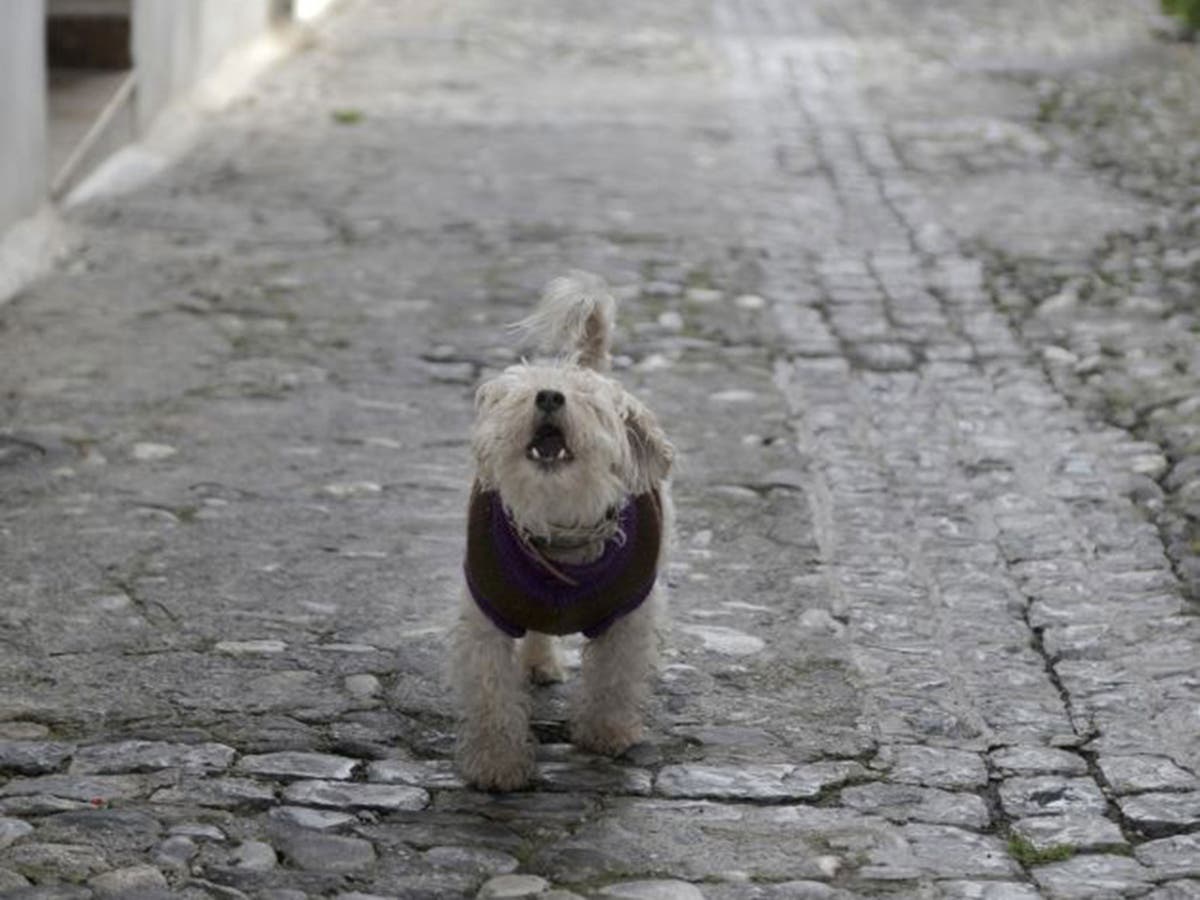
A closer look: Changes in the Bark of Dogs
A change in a dog’s bark can sound like a different volume or pitch, hoarseness, or apparent strain. Changes to the sound of a dog’s bark are very common and often have benign, correctable causes. If a dog is experiencing a change in the sound of its bark, investigation is always warranted as some causes are emergencies and may be fatal.
Connect with a vet to get more information With verified licenses and excellent reviews from pet parents like you for this type of symptom
A multitude of issues can cause a dog’s bark to change.
Symptoms vary based on the underlying cause. A change in bark resulting from transient issues such as overuse, smoke inhalation, and laryngitis is likely to be the only symptom and may improve quickly without treatment. When changes are related to hypothyroidism, bacterial infection, or injury, the symptom is expected to resolve once the underlying condition is treated. Vocal changes associated with degenerative myelopathy, brachycephalic airway syndrome, or dysautonomia may cause a dog’s bark to be permanently altered.
A change in bark as an isolated symptom is associated with more benign conditions. More serious conditions that might show a change in bark typically also have other more dramatic symptoms. Examination by a veterinary professional is warranted in either case.
An oral and physical exam along with a detailed history are important first steps in diagnosing changes in the bark. More specific diagnostics may be indicated if symptoms and physical exam suggest there is an underlying condition.
Treatment and recovery time vary greatly depending on the underlying disease process. Benign causes such as overuse may require nothing more than rest and recovery is quick. Cases that have more severe underlying causes, like IVDD, may require surgery, medications, and a long recovery period.
Respiratory difficulty may be confused with a change in sound of a dog’s bark and warrants immediate examination to make sure the dog is not experiencing a life threatening emergency.
Due to the numerous conditions that contribute to a change in a dog’s bark there are multiple symptoms that may occur.
¿Why Does A Dog’s Bark Change?
FAQ
Can a dog’s bark change?
Fortunately, many growths are benign and can be removed. If your furry best friend is a giant breed and a senior, and his or her bark changes, this is also a red flag. Such changes can occur because of a condition called Laryngeal Paralysis (LP).
How do I know if my dog’s bark has changed?
You can typically tell when a dog’s bark has changed. If the bark change lasts for more than a single day, then you may need to bring your pet in for an evaluation. Changes in a dog’s bark can result from multiple issues. See what issues could arise and the treatment options available to help return your dog’s bark back to normal. 1.
How do dogs change as they age?
As dogs age, their needs, behaviors, and even their appearance begin to shift. While some changes are expected, others can catch you by surprise. Here are 15 surprising ways your furry friend might change as they grow older. With age, your dog might start taking things at a more leisurely pace.
Why is my older dog barking & whining?
You might notice your older dog becoming more vocal—barking or whining at times when they were typically quiet. Thiscan stem from confusion, discomfort, or simply wanting more attention. Listening to these changes and understanding their triggers can help you address their needs and reassure them during uncertain moments.
Why is my dog barking a lot?
If your dog is having severe trouble breathing as a result of LG, he or she might need surgery to move some of the cartilage out of the way to open the airways. Another rare condition, Acute Polyradiculoneuritis (AP) is another condition that can cause bark issues in your dog. It is also poorly understood with limited treatment options.
How do you know if a dog is barking a lot?
Detecting changes in your dog’s bark or voice is relatively easy. While delighting in his happy greeting when you return home, use a discerning ear to listen to his voice with care. Make sure that you’re alert to any changes in timber, volume, and overall sound, particularly when breathing is strained.
At what age does a dog’s bark change?
When this happens varies with each dog. There are no big studies on this to give you a specific time. If I had to generalize, I’d guess it happens most often when dogs are starting to reach maturity. This most often happens between 5 months and 1 year, depending on the size and breed of dog.
Why has my old dog’s bark changed?
Dogs’ barks can change as they become older. This can happen due to changes in vocal cord structure, fat around the neck area, and even changes in the dog’s hearing and sight. Loss of sight can cause uncertainty in a dog, which might cause the dog to bark differently.
Why does my dog’s bark sound like he lost his voice?
Like humans, dogs can experience laryngitis, a common respiratory condition affecting the vocal cords that can cause hoarseness or a raspy voice.Jul 15, 2024
Do dogs bark more as they get older?