
Freeze-dried dog food has been heralded for its ability to maintain the nutritional integrity of ingredients while offering a long shelf life. But to truly capitalize on the benefits of freeze-dried dog food, proper storage is essential. In this article, we’ll explore the dos and don’ts of storing freeze-dried dog food, ensuring that your furry friend always gets the freshest and most nutritious meal. Don’t forget to view our review of our favorite freeze dried dog foods.
The Short Answer: No, It Doesn’t!
If you’re a pet parent who’s recently switched to freeze-dried dog food or you’re considering making the change, you probably have some questions about proper storage. The most common question we get is: does freeze-dried dog food need to be refrigerated?
The simple answer is no, freeze-dried dog food does not need to be refrigerated. This is actually one of the biggest advantages of this type of pet food! But there’s more to proper storage than just keeping it out of the fridge, so let’s dive deeper into how to keep your pup’s freeze-dried meals fresh and nutritious.
Understanding Freeze-Dried Dog Food Basics
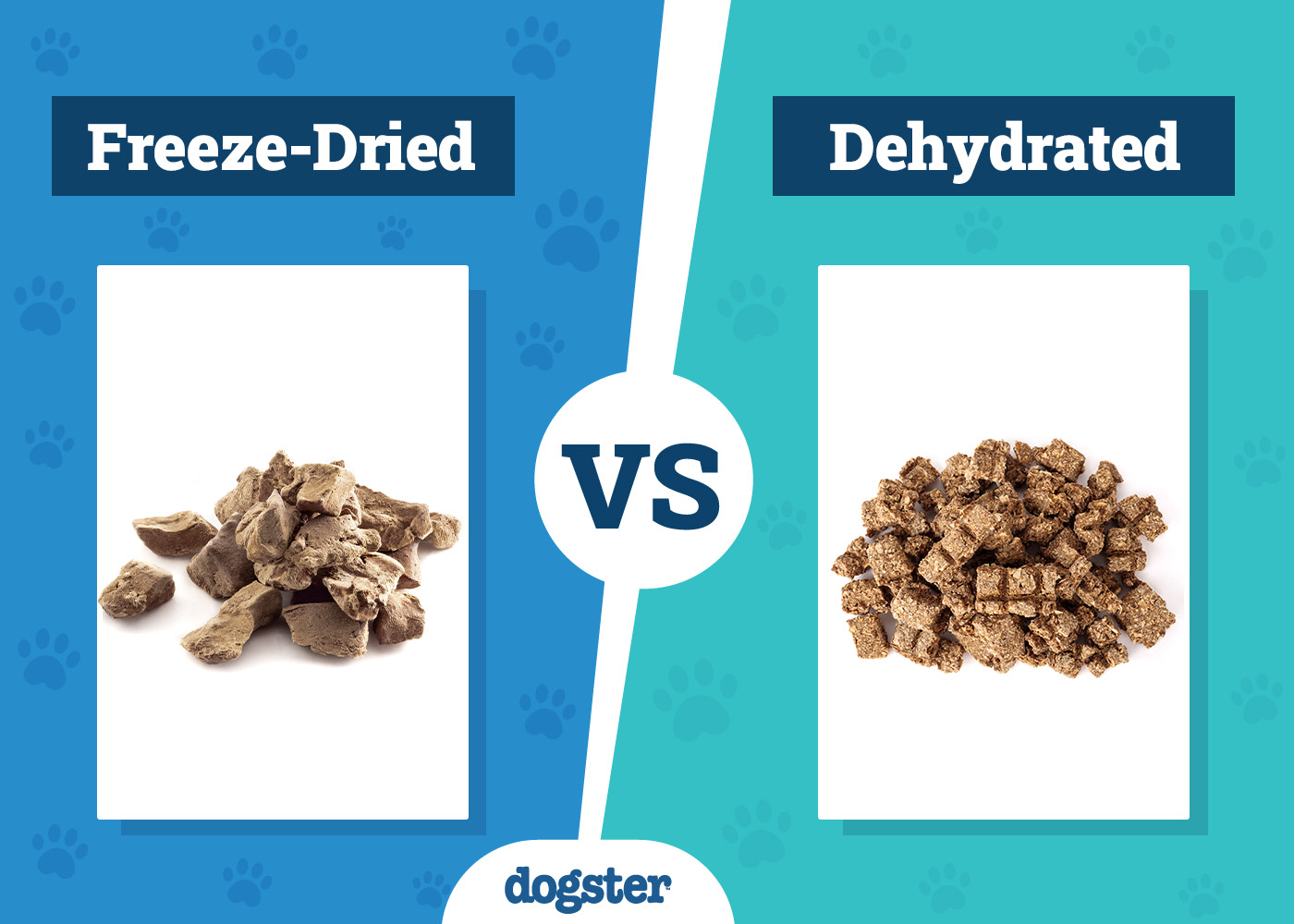
Before we talk about storage, let’s understand what makes freeze-dried food special. The freeze-drying process removes nearly all moisture from the food while preserving the nutritional content. During manufacturing, the food is:
- Frozen solid
- Placed in a vacuum chamber
- The moisture evaporates without going through a liquid state
- The result is lightweight, shelf-stable food
This process creates a product that’s nutrient-dense and has a significantly longer shelf life than wet or fresh dog foods. The absence of moisture means bacteria and fungi can’t grow easily, which is why refrigeration isn’t necessary.
Proper Storage Guidelines for Freeze-Dried Dog Food
Even though you don’t need to refrigerate freeze-dried dog food, proper storage is still crucial to maintain its quality and nutritional value Here’s how to store it correctly
1. Keep It in the Original Packaging When Possible
Most freeze-dried dog foods come in specially designed packaging that protects against:
- Moisture
- Light damage
- Air exposure
These packages are often resealable which helps maintain freshness after opening. If the original packaging is damaged or not resealable, transfer the food to an airtight container.
2. Store in a Cool, Dry Place
The enemy of freeze-dried food is moisture! Always store your dog’s freeze-dried food in a:
- Cool environment (room temperature is fine)
- Dry location away from humidity
- Dark place away from direct sunlight
Avoid storing it in humid areas like basements, bathrooms, or under sinks. A pantry or dedicated storage cabinet is ideal.
3. Use Airtight Containers if Needed
If you prefer not to use the original packaging, transfer the food to:
- Glass or high-quality plastic containers
- Containers with airtight seals
- Opaque containers that block light
- Clean, completely dry containers
4. Avoid the Refrigerator and Freezer
This might seem counterintuitive, but storing freeze-dried dog food in the refrigerator or freezer is not recommended. Why? The humidity and temperature fluctuations can actually introduce moisture into the food when you open and close these appliances. This moisture can lead to spoilage and reduce the food’s shelf life.
5. Handle with Care
When scooping out portions:
- Use clean, dry hands or a dedicated scoop
- Avoid introducing moisture into the container
- Seal the package or container immediately after use
How Long Does Freeze-Dried Dog Food Last?
One of the major benefits of freeze-dried dog food is its extended shelf life. Here’s what you can expect:
| Type of Freeze-Dried Food | Expected Shelf Life |
|---|---|
| Unopened packages | 18-24 months or more |
| Opened packages (properly stored) | 30 days to 1 year |
| Rehydrated food | Use within 48 hours |
Always check the manufacturer’s recommendations, as shelf life can vary between brands based on their specific formulation and packaging.
Special Considerations for Rehydrated Food
Many freeze-dried dog foods need to be rehydrated before serving. Once you’ve added water:
- Don’t refrigerate the package: Only rehydrate the portion you plan to serve immediately
- Leftovers: If your dog doesn’t finish their rehydrated meal, you can refrigerate leftovers in a sealed container for up to 48 hours
- Discard after 2 days: Any rehydrated food not consumed within 48 hours should be thrown away
- Never freeze rehydrated food: This can compromise texture and taste
Signs Your Freeze-Dried Dog Food Has Gone Bad
Even with proper storage, it’s important to check your dog’s food before serving. Look for these signs of spoilage:
- Unusual or off-putting odor
- Visible mold or discoloration
- Damp or clumpy texture (indicating moisture exposure)
- Infestations of insects or pests
- Past the expiration date
If you notice any of these signs, it’s safest to discard the food rather than risk your pet’s health.
Tips for Buying and Managing Freeze-Dried Dog Food
Stock Rotation
If you buy freeze-dried dog food in bulk (which can be cost-effective):
- Use the “first in, first out” method
- Label containers with purchase dates
- Check expiration dates regularly
- Use older products before newer ones
Bulk Storage Solutions
For those who purchase large quantities:
- Divide into weekly or bi-weekly portions
- Store what you’ll use immediately in an airtight container
- Keep the rest sealed in its original packaging in a cool, dry place
- Consider using food-grade desiccants to absorb any inadvertent moisture
Benefits of Freeze-Dried Dog Food
While we’re primarily focusing on storage, it’s worth mentioning some of the benefits that make freeze-dried dog food worth the extra storage consideration:
- High nutritional value: The freeze-drying process preserves nutrients better than traditional cooking methods
- Natural ingredients: Many freeze-dried foods contain whole ingredients without fillers
- Convenience: Lightweight and easy to store, making it ideal for travel
- Palatability: Many dogs prefer the taste and aroma of freeze-dried foods
- Customization: Available in various protein sources and formulations for dogs with allergies or specific dietary needs
Common Questions About Freeze-Dried Dog Food Storage
Can I store freeze-dried dog food in plastic containers?
Yes, but make sure they’re food-grade, airtight, and completely dry before transferring the food. Opaque containers are preferable to protect from light exposure.
What if I accidentally got moisture in my freeze-dried dog food?
If only a small portion was exposed to moisture, remove that section and use the rest promptly. If the entire package seems affected (damp or clumpy), it’s safer to discard it.
Is it OK to store freeze-dried dog food in a garage?
Generally, this isn’t recommended unless your garage is climate-controlled. Garages often experience temperature fluctuations and can be humid or extremely hot, which can degrade the quality of the food.
Can I mix freeze-dried food with kibble and store it together?
While you can mix them at feeding time, it’s best to store them separately. Kibble contains more moisture than freeze-dried food, and mixing them during storage could introduce unwanted moisture to the freeze-dried portion.
Conclusion: Proper Storage for Peace of Mind
To wrap things up: no, freeze-dried dog food doesn’t need refrigeration, but proper storage is essential to maintain its quality and safety. By keeping it in a cool, dry place in either its original packaging or an airtight container, you can ensure your furry friend gets all the nutritional benefits this premium food option offers.
The convenience of not needing refrigeration makes freeze-dried dog food an excellent choice for busy pet parents, travelers, and anyone who values both nutrition and convenience. Just remember that once rehydrated, the rules change – use promptly or refrigerate for no more than 48 hours.
By following these simple storage guidelines, you’ll keep your dog’s freeze-dried food fresh, nutritious, and safe for every meal. Your pup’s tail will be wagging with delight at mealtime, and you’ll have peace of mind knowing you’re providing the best possible nutrition with minimal hassle!
Do you have any other questions about freeze-dried dog food? We’d love to hear from you in the comments below!
Can I store freeze-dried dog food near a window or heat source?
It’s best to store freeze-dried dog food in a cool, dark place away from direct sunlight or heat sources. Direct sunlight or high temperatures can degrade the nutrients in the food.
Transferring to Another Container
While the original packaging is usually the best storage option if you decide to transfer the food:
- Airtight is Right: Ensure the container is airtight. Vacuum-sealed containers can be particularly effective.
- Cleanliness: Before transferring, clean and thoroughly dry the container. Any moisture or contaminants can compromise the food’s quality.