
Mange is a distressing skin condition that affects many dogs, causing intense itching, hair loss, and discomfort. As a dog owner, seeing your furry friend suffer can lead you to search for quick solutions – and you might have heard about using motor oil as a treatment option. But does motor oil actually help treat mange in dogs? The short answer is no, and using it could actually harm your pet.
Understanding Mange in Dogs
Before discussing treatments, it’s important to understand what mange actually is. Mange is a skin condition caused by microscopic parasitic mites that burrow into a dog’s skin. There are two main types:
- Sarcoptic mange (scabies) – Highly contagious, caused by Sarcoptes scabiei mites
- Demodectic mange – Non-contagious, caused by Demodex mites
Common symptoms include
- Intense itching and scratching
- Redness and inflammation
- Hair loss, particularly around ears, elbows, and belly
- Skin lesions and crusting
- Secondary bacterial infections
The Motor Oil Myth: Why People Think It Works
Despite veterinary advice against it, some dog owners continue to use motor oil as a home remedy for mange. The theory behind this practice is that motor oil:
- Creates a barrier on the skin that suffocates the mites
- Prevents mites from moving or breeding
- Provides temporary relief from itching
Some people even claim that used or burnt motor oil is particularly effective, believing it brings back a dog’s coat after mange has caused hair loss.
Why Motor Oil is NOT a Safe Treatment for Mange
According to all reliable sources, motor oil is not an appropriate treatment for mange and could actually harm your dog. Here’s why:
1. Toxic Chemicals
Motor oil contains numerous chemicals and additives that aren’t designed for use on skin. These chemicals can
- Cause skin irritation and allergic reactions
- Create an environment that promotes bacterial and fungal growth
- Lead to toxic poisoning if ingested when dogs lick their fur
2. Skin Damage
Rather than healing your dog’s skin motor oil can
- Clog pores
- Further irritate already inflamed skin
- Cause chemical burns
- Lead to dermatitis
3. Ingestion Risks
Dogs naturally groom themselves, and applying motor oil to their skin means they’ll likely ingest it, which can lead to:
- Digestive upset
- Vomiting and diarrhea
- More serious poisoning in larger amounts
4. Inadequate Treatment
Even if motor oil did temporarily kill some mites (which isn’t proven), it doesn’t:
- Address the underlying cause of mange
- Kill mite eggs
- Prevent reinfestation
- Treat secondary infections
Effective Treatments for Mange in Dogs
Instead of dangerous home remedies like motor oil, here are veterinarian-approved treatments for mange:
Topical Treatments
- Medicated shampoos containing sulfur, selenium, or tea tree oil
- Prescription creams and ointments with permethrin, imidacloprid, or milbemycin
- Regular bathing with mild shampoo to remove mites and reduce itching
Oral Medications
- Ivermectin
- Milbemycin
- Lufenuron
- Antibiotics (for secondary infections)
Professional Care
The most important step is consulting with a veterinarian who can:
- Properly diagnose the type of mange
- Prescribe appropriate medications
- Monitor your dog’s recovery
- Adjust treatment as needed
Prevention is Better Than Treatment
To prevent mange in your dog:
- Keep your dog clean and well-groomed
- Use veterinarian-recommended flea and tick prevention
- Avoid sharing bedding, food, or water bowls with other dogs
- Wash your hands thoroughly after handling other animals
- Consider preventative medications if your dog is at high risk
Real-Life Experience
I once had a neighbor who tried using motor oil on their dog with mange before consulting a vet. The poor pup ended up with chemical burns and needed emergency veterinary care. The treatment for both the mange and the additional injuries cost far more than proper veterinary care would have from the start.
Treatment Comparison Table
| Treatment Option | Effectiveness | Safety | Cost | Professional Recommendation |
|---|---|---|---|---|
| Motor Oil | Not proven effective | Dangerous | Very low | Not recommended |
| Vet-prescribed medications | Highly effective | Safe when used correctly | Moderate | Highly recommended |
| Medicated shampoos | Effective for mild cases | Safe when used correctly | Low to moderate | Recommended |
| Home remedies (non-oil) | Limited effectiveness | Varies | Low | Consult vet first |
Frequently Asked Questions
Can I use motor oil to treat mange on my dog?
No, motor oil is not a suitable treatment for mange and can cause more harm than good. Work with your veterinarian to develop a safe, effective treatment plan.
How long does it take to treat mange?
Treatment time varies depending on the severity and type of mange, typically ranging from several weeks to several months.
Can I use over-the-counter treatments for mange?
It’s not recommended to use over-the-counter treatments without veterinary guidance. Many aren’t effective against mange and some may be harmful.
Can mange be cured completely?
Yes, with proper veterinary treatment, mange can be completely cured in most cases.
Is mange contagious to humans?
Sarcoptic mange can cause temporary skin irritation in humans, while demodectic mange is not contagious to humans.
Conclusion
While the idea of a simple, inexpensive home remedy like motor oil might seem appealing when your dog is suffering from mange, the reality is that this “treatment” is ineffective at best and dangerous at worst. The chemicals in motor oil can cause serious skin damage, toxic reactions, and make your dog’s condition worse.
The best approach to treating mange is working with your veterinarian to develop a treatment plan tailored to your dog’s specific needs. Professional care ensures that your dog receives safe, effective treatment that addresses both the mites causing the mange and any secondary infections or complications.
Remember, our dogs depend on us to make good decisions for their health. When it comes to treating conditions like mange, professional veterinary care is always the safest and most effective option.

Treating Sunburns with Sunblock

If your dog gets sunburned, Quammen cautions that you should not give your dog diaper ointment or human sunblock to help treat it. Zinc oxide—an inorganic compound commonly found in both substances—is toxic to dogs and can cause severe anemia or red blood cell damage when consumed. Signs of zinc oxide poisoning are subtle and varied, from laziness and lack of appetite to overt hemorrhage or bleeding, Quammen says.
Giving Advil for Pain
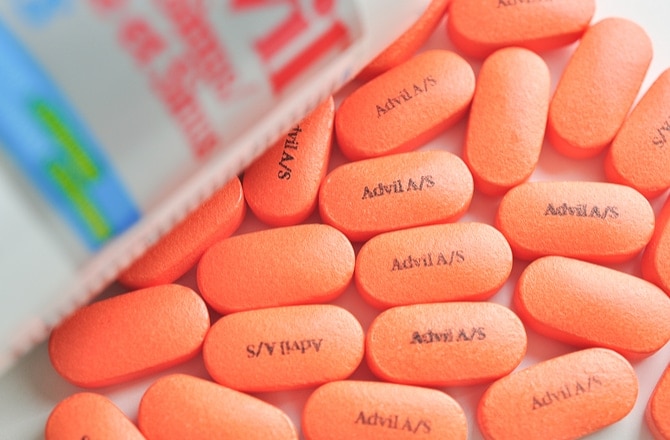
If you dog is in pain, don’t reach for the same drugs you’d use if you weren’t feeling well. Although some over the counter drugs (like Benadryl) can be given to dogs to help ease symptoms, you’ll want to avoid giving your dog Advil, Motrin or Ibuprofen. These painkillers are all toxic to dogs, Quammen said, and can cause severe and acute liver or kidney damage —enough to send your dog or cat into liver or kidney failure.
Symptoms of this type of toxicity include not eating, vomiting, urinating more (or not at all), jaundice/icterus and many others. The signs are subtle, so it can be tough for people to know something severe is happening, she said.