
We’ve all heard of post-traumatic stress disorder (PTSD) in humans. But do dogs get PTSD too?
Do you ever wonder if your furry friend might be suffering from something more serious than just being scared of thunderstorms? Dogs just like humans can experience Post-Traumatic Stress Disorder (PTSD). As a dog parent, it’s important to recognize the signs and understand how to help your four-legged companion through this difficult condition.
I’ve spent years working with rescue dogs, and let me tell you – PTSD in dogs is real and can significantly impact their quality of life. But don’t worry! With the right approach, your dog can overcome trauma and live a happy, healthy life.
What Exactly Is PTSD in Dogs?
PTSD occurs when dogs experience or witness traumatic events. While dogs don’t process memories exactly like humans do, they definitely experience trauma and fear in very real ways.
Unlike a simple fear response that might happen during a scary event, PTSD symptoms persist long after the traumatic event has ended. Your dog might suddenly show behavioral changes that seem out of character, and these changes can last for weeks, months, or even years without proper intervention.
Common Causes of PTSD in Dogs
Dogs can develop PTSD from various traumatic experiences:
- Natural disasters – hurricanes, floods, or thunderstorms
- Abandonment – being left alone in the wild
- Loss of caretaker – death of an owner or being rehomed
- Military combat – yes, service dogs can get PTSD too
- Physical or emotional abuse – from humans or other animals
- Serious accidents – car crashes or household accidents
- Dog fighting or other bad interactions with animals
- Fireworks – sudden loud noises can be extremely traumatic
Remember that what’s traumatic for one dog might not affect another the same way. Some dogs sleep through thunderstorms while others become terrified. Each dog is unique in how they process and respond to stress.
Signs Your Dog Might Have PTSD
It can be tricky to distinguish PTSD from other anxiety disorders in dogs, Here are some common signs to watch for
Physical Signs
- Tucked tail
- Ears pinned back
- Excessive panting
- Crouching low to the ground
- Trembling or shaking (even when it’s not cold)
- Rapid breathing
Behavioral Signs
- Peeing or pooping in the house (even when housetrained)
- Howling, barking, or whining for no apparent reason
- Destructive behavior
- Clingy behavior and fear of being alone
- Sudden aggression
- Depression or withdrawal
- Hyperawareness of surroundings
- Reluctance to eliminate
- Pacing, restlessness, or insomnia
- Hesitation when visiting certain places (even familiar ones)
- Fear urination when meeting strangers
- Hiding at the smallest disturbance
- Becoming shy around people
- Unpredictable reactions to stress
How Can I Tell If My Dog Is Having a PTSD Episode?
During a PTSD episode your dog may show these specific signs
- Ears pulled back
- Tail tucked between legs
- Dilated pupils
- Body positioned low to the ground
- Rapid breathing
- Excessive panting and drooling
Diagnosing PTSD in Your Dog
If you suspect your dog has PTSD, a veterinary evaluation is important. Your vet will likely:
- Take a detailed history of your dog’s behavior and any known traumatic events
- Rule out medical conditions that could cause similar symptoms
- Observe your dog’s behavior and responses
Your knowledge of your dog’s history with bad experiences will help your vet make the right diagnosis. If you’ve adopted a rescue dog, you might not know their full history, but any information you have can be helpful.
Treating Your Dog’s PTSD
There are several approaches to treating PTSD in dogs:
Professional Treatment Options
Systematic Desensitization is commonly used for dogs with PTSD. This technique:
- Gradually exposes your dog to their trigger at a very low intensity
- Pairs the trigger with positive experiences (like treats)
- Slowly increases exposure while maintaining calm behavior
- Helps your dog associate the trigger with positive things instead of trauma
Your vet might recommend this approach along with other behavioral training methods.
Natural Approaches to Help Your Dog
I’ve found these natural approaches very effective in helping dogs with PTSD:
-
Create a Safe Space
- Dedicate a quiet area of your home as your dog’s safe zone
- Use soft bedding, blankets, or a comfortable dog bed
- Place it in a protected area, not in the middle of a room
- Make sure your dog isn’t disturbed while in this space
-
Establish a Consistent Routine
- Set regular times for walks, meals, and playtime
- Predictability helps reduce anxiety
- Remove surprise elements from your dog’s day
- Help your dog know what to expect and when
-
Choose Diet Over Medication
- Add naturally calming foods to your dog’s diet:
- Fish rich in omega-3 fatty acids
- Nuts and seeds (in appropriate amounts)
- Potassium-rich foods like bananas
- Magnesium-rich foods like leafy greens and broccoli
- Ensure proper nutrition to support brain health
- Add naturally calming foods to your dog’s diet:
-
Let Your Dog Choose
- Allow your dog to make decisions when possible
- Let them choose walking routes
- Don’t force activities that cause stress
- Watch for signs of distress and respond accordingly
-
Stay Calm and Positive
- Dogs pick up on our emotions
- Maintain a calm, confident demeanor
- Don’t show excessive worry or anxiety
- Your calmness will help reassure your dog
-
Try Natural Calming Remedies
- CBD oil (consult with your vet first)
- Homeopathic remedies
- Bach Flower Essences
- Essential oils (dog-safe varieties only)
- Physical solutions like Thundershirts or weighted blankets
- Gentle massage or bodywork
-
Daily Exercise and Play
- Regular physical activity helps reduce stress
- Play sessions build positive associations
- Positive reinforcement training builds confidence
What NOT to Do When Your Dog Shows Fear
This is super important! Many pet parents make this mistake:
Don’t offer comfort like soothing words, pets, or kisses when your dog is acting fearful. This might seem counterintuitive, but comforting actually reinforces the fearful behavior. Your dog learns that being afraid gets them attention, which can make the behavior worse.
Instead, calmly ignore the fearful behavior and redirect your dog to something else. For example, if they’re barking at a stranger in your house, calmly clip on their leash and start practicing commands with treats. This shows your dog that there’s nothing to worry about.
Remember, you’re the leader of the pack. Your actions teach your dog when it’s time to worry and when it isn’t.
How Long Will Recovery Take?
Recovery from PTSD isn’t a quick process. The timeline varies greatly depending on:
- The severity of the trauma
- Your dog’s individual personality
- The consistency of treatment
- Your dog’s environment
Some dogs show improvement in weeks, while others may take months or years. Some may never fully recover but can learn to manage their symptoms and live happy lives.
The most important thing is patience. Be consistent with your approach and celebrate small victories along the way.
My Personal Experience
I worked with a rescue dog named Max who had been abandoned during a hurricane. When I first got him, he would hide and shake uncontrollably during rainstorms. Even the sound of running water would trigger his anxiety.
We started with creating a safe space – a covered crate with his favorite blanket. I established a consistent routine and started systematic desensitization by playing very soft rain sounds while giving him his favorite treats.
Progress was slow, but after about six months, Max could handle moderate rainstorms without panic. He still prefers to be in his safe space during storms, but the shaking and hiding have significantly decreased.
Can Dogs Help Humans with PTSD?
Interestingly, while dogs can suffer from PTSD, they can also help humans who have it. Service dogs can be trained to:
- Perform room searches
- Turn on lights
- Detect anxiety and distress in their handlers
- Alert help during panic attacks
- Wake veterans from nightmares
This beautiful reciprocal relationship between humans and dogs shows just how deep our connection runs.
Final Thoughts
If you think your dog might have PTSD, don’t lose hope. With patience, understanding, and the right approach, many dogs can overcome or learn to manage their trauma responses.
Remember these key points:
- Seek veterinary advice to confirm the diagnosis
- Create a safe, predictable environment
- Consider natural approaches before medication
- Stay calm and project confidence
- Be patient with the recovery process
Most importantly, don’t forget that your love and support are powerful healing tools. Your dog may have experienced trauma, but with your help, they can learn to trust and enjoy life again.
Have you noticed signs of PTSD in your dog? What approaches have worked for you? I’d love to hear your experiences in the comments below!
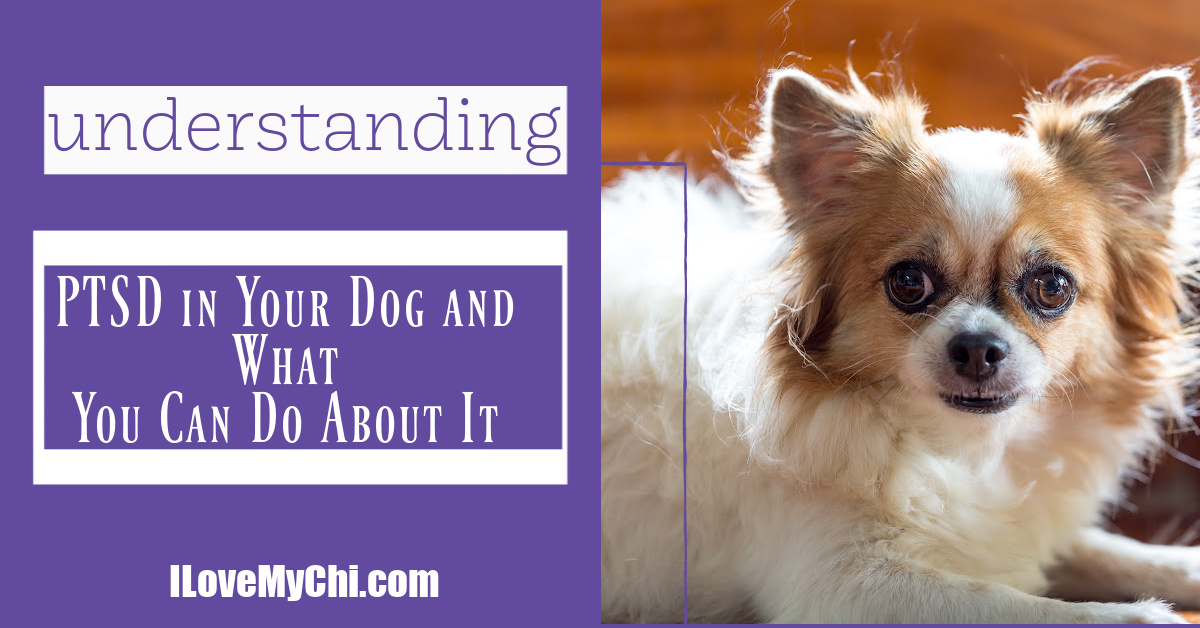
Signs A Dog Is Having A PTSD Episode
When you know your dog suffers PTSD you need to be aware of her behavior around others. Dogs communicate a lot through body language. She will exhibit signs that tell you he is in distress. The ability to read your dog’s body language will give you the power to take proper precautions. This will lower your dog’s distress and keep everyone else safe.
Here are the signs you should look for:
- The dog pulls her ears back.
- Her tail is low, between her legs.
- Dilated pupils.
- The position of her body is low, near the ground.
- She will begin to breathe at a rapid pace.
- She may be panting and drooling.
How To Help A Dog With PTSD
Seeing your dog in a traumatized state can be very tough. But you have a chance to make things better, even in the most severe cases. The process will take time and effort, but it is possible to get positive results.
It’s very rewarding to see a traumatized dog regain her self-confidence and desire to live and play. Here are some things you can do to help your dog.
Can dogs suffer from PTSD?
FAQ
How to tell if a dog has PTSD?
Signs of PTSD in dogs include anxiety, aggression, hypervigilance, avoidance of triggers, changes in sleeping and eating patterns, shaking, panting, pacing, fearfulness, and withdrawal or a lack of interest in play and normal activities. These symptoms are often similar to those seen in humans and can be difficult to differentiate from other anxiety disorders, so a veterinary consultation is crucial for an accurate diagnosis.
What are the 7 symptoms of PTSD?
How does a traumatized dog act?
Traumatized dogs often display fear-based behaviors like cowering, freezing, hiding, or extreme reactivity. Other common behaviors include anxiety-related symptoms such as panting, pacing, and destructiveness; physical signs like a tucked tail or dilated pupils; and behavioral changes such as loss of appetite, changes in sleep patterns, avoidance of triggers, or aggressive outbursts. If you notice these signs, consult a veterinarian or veterinary behaviorist for diagnosis and treatment.
What can I do if my dog has PTSD?
The goal is to get your dog to associate the trigger with treats, not trauma. Other important parts of PTSD treatment include daily exercise, play sessions, and positive reinforcement training. Training could take weeks or years.