
A day at the beach can turn into a medical emergency if your dog drinks too much salt water. Salt water intoxication in dogs can happen quickly, causing symptoms that may look like drowning even when your pet is on dry land.
Understanding the signs of salt water poisoning could save your dogs life. Quick action makes all the difference between a scary situation and a tragic outcome when dogs experience this dangerous condition.
Hey fellow dog lovers! Summer’s here and if you’re like me nothing beats watching your furry friend chase waves and dig in the sand at the beach. But as much fun as these beach adventures can be there’s something serious we need to talk about – salt water and your dog’s health.
I’ve been taking my Lab to the coast for years, and I’ve learned some important lessons along the way. Sometimes the hard way! So let’s dive into the question that brings many of you here: does salt water hurt dogs?
The Short Answer: Yes, It Can Be Dangerous
Salt water can indeed be harmful—and sometimes even deadly—for our canine companions. While a few accidental laps won’t usually cause major problems, drinking larger amounts of ocean water can lead to a serious condition called salt water poisoning.
Why Salt Water Is Dangerous for Dogs
When dogs drink salt water here’s what happens
- The excess salt draws water from the blood into the intestines
- This causes dehydration and disrupts the fluid balance in your dog’s body
- The cells in your dog’s body release their water content to try to balance the sodium levels
- This cellular dehydration can damage organs, especially the brain and kidneys
The scariest part? Dogs with toxic levels of sodium in their systems have a mortality rate higher than 50%, regardless of treatment. That’s not a statistic any of us want to face on what should be a fun beach day.
Symptoms of Salt Water Poisoning in Dogs
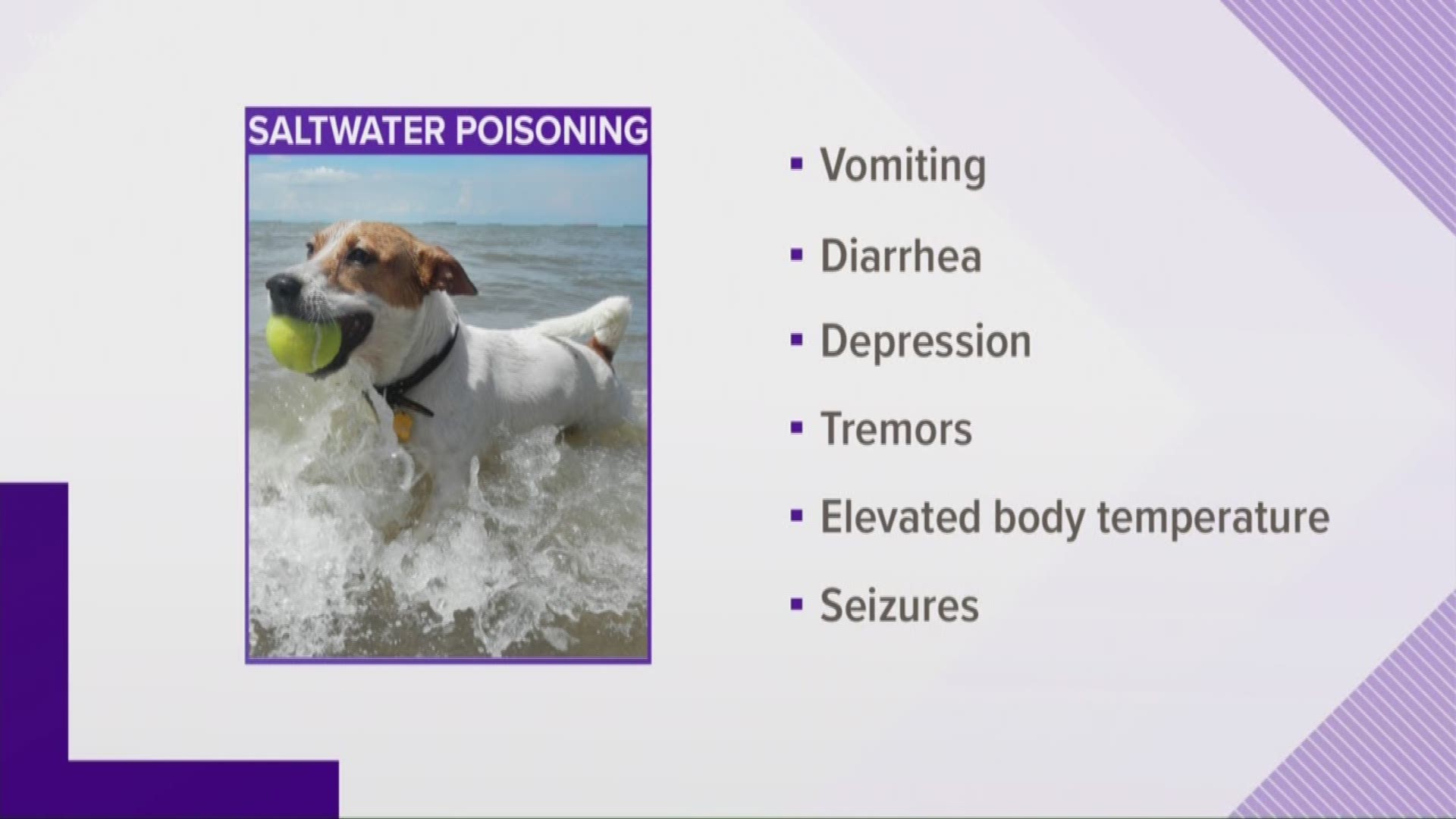
Knowing the warning signs could save your pup’s life. Watch for these symptoms after a beach visit
Early Signs (May Appear Within Hours)
- Excessive thirst
- Vomiting
- Diarrhea
- Unusual tiredness
- Excessive drooling
Serious Symptoms (May Develop Within 1-24 Hours)
- Repeated vomiting that continues over time
- Severe diarrhea (possibly with blood)
- Extreme thirst paired with inability to keep water down
- Confusion or disorientation
- Muscle tremors
- Seizures
- Lethargy or non-responsiveness
- Unsteady walking
- Collapse
If your dog shows any of these signs after a beach trip, don’t wait—contact your vet immediately.
My Beach Day Gone Wrong
Last summer, I took my dog Bella to our favorite beach spot. She loves playing fetch in the waves, and I didn’t think much about her occasional slurps of ocean water. By that evening, she started vomiting and seemed unusually tired. I remembered reading about salt water poisoning and rushed her to the emergency vet.
Thank goodness we caught it early! The vet confirmed she had mild salt poisoning. After IV fluids and overnight monitoring, she recovered fully—but it was a scary reminder that even experienced pet parents can face these emergencies.
What To Do If You Suspect Salt Water Poisoning
If you think your dog has consumed too much salt water, here’s what to do:
- Remove your dog from the beach immediately
- Offer small sips of fresh water (don’t allow large quantities at once as this can trigger more vomiting)
- Watch closely for worsening symptoms
- Call your vet or emergency animal hospital right away
Don’t try to treat serious salt water poisoning at home. This condition requires professional medical care, which usually involves:
- IV fluid therapy to carefully restore electrolyte balance
- Monitoring of sodium levels (correcting them too quickly can cause brain swelling)
- Supportive care for symptoms
- Potential hospitalization for 2-3 days in severe cases
Preventing Salt Water Poisoning: Beach Safety Tips
The good news is that with some precautions, your dog can still enjoy beach days safely:
Before You Go
- Check the weather – avoid extremely hot days when your dog will be more likely to drink seawater due to thirst
- Pack plenty of fresh water and a portable bowl
- Bring shade like an umbrella or pop-up tent
At the Beach
- Take frequent breaks every 15-20 minutes away from the water
- Offer fresh water regularly – keep your dog hydrated with clean drinking water
- Use floating toys rather than sinking ones to reduce water ingestion during retrieval
- Train a reliable “leave it” command to stop your dog from drinking salt water
- Limit beach time – shorter, more frequent visits are safer than marathon beach days
Beyond Salt Water: Other Beach Hazards for Dogs
While we’re talking beach safety, let’s quickly cover some other potential dangers:
- Blue-green algae – this can be present in lakes and ponds and is extremely toxic to dogs
- Sand ingestion – eating sand can cause intestinal blockages
- Heat stroke – hot sand and lack of shade can lead to overheating
- Jellyfish and other sea creatures – can sting or injure curious dogs
Is Fresh Water Safer? Not Always!
Interestingly, dogs can also have problems if they drink too much fresh water while swimming in lakes or pools. This can dilute their sodium levels too much—a condition called hyponatremia or water toxicity.
According to veterinary experts, the body works hard to regulate the balance of salt and water. If your dog’s behavior changes after swimming in either fresh or saltwater, take them to the vet immediately for bloodwork.
When to Enjoy Beach Days Safely
The beach can still be a wonderful place for dogs! Just be smart about it:
- Go during cooler times of day (early morning or evening)
- Choose dog-friendly beaches where pets are allowed
- Always supervise your dog around water
- Know where the nearest emergency vet is located
- Bring a pet first aid kit just in case
My Top 5 Products for Safer Beach Days
Over the years, I’ve found these items super helpful for beach trips with my pup:
- Collapsible travel water bowl – easy to pack and use
- Beach umbrella or dog tent – provides essential shade
- Floating fetch toys – reduces the amount of water your dog swallows
- Cooling vest – helps prevent overheating on hot days
- Fresh water bottles – I always bring more than I think we’ll need
The Bottom Line on Salt Water and Dogs
So, does salt water hurt dogs? Yes, it definitely can. But with proper precautions, vigilance, and quick action if problems arise, beach days can still be a wonderful part of life with your dog.
Remember: a few mouthfuls of salt water may only cause minor digestive upset, but larger amounts can lead to serious health emergencies. Always prioritize your dog’s safety over extended play time.
Have you ever dealt with salt water issues with your dog? Or do you have some great beach safety tips to share? Drop a comment below—I’d love to hear from fellow beach-loving dog parents!
Until next time, keep those paws sandy and those water bowls fresh!
Disclaimer: This article is meant for informational purposes only and is not a substitute for professional veterinary advice. If you suspect your dog is experiencing salt water poisoning or any other medical emergency, please contact your veterinarian immediately.
Top Questions About Salt Water Poisoning in Dogs
Take your dog to an emergency vet if you notice repeated vomiting, seizing, extreme low energy, confusion, or collapse after swimming in salt water. These symptoms indicate salt water poisoning has reached a dangerous level. Dogs can develop these symptoms within 1-24 hours after drinking too much ocean water.
Step 3: Watch for Worsening Symptoms
Keep a close eye on your dog for any signs that things are getting worse, like increased tiredness, continued vomiting, or neurological problems. Note when symptoms started and how theyve changed to share with the veterinarian.
Saltwater Poisoning: What is it? And how do you protect your dog?
FAQ
Does salt water hurt dogs?
Saltwater can and does hurt dogs, and many pet parents don’t even know how at-risk their dogs are! The salt content in salt water is, of course, exceptionally high. Dogs are susceptible to sodium poisoning with a very small amount compared to humans.
Is saltwater poisoning in dogs dangerous?
One of the most noticeable symptoms of dog saltwater poisoning is odd behavior. Too much sodium in the body can cause your dog to become confused, non-responsive, or lethargic. The amount of salt water required to reach toxic levels depends on your dog’s access to fresh water.
Can salt water cause diarrhea in dogs?
Drinking salt water can cause diarrhea in dogs if they drink a significant amount. If your dog drinks a lot of it, the high salt content can cause vomiting, severe diarrhea, and severe dehydration. It can lead to a fatal sodium overdose, too. It’s rare for dogs to drink enough salt water for this to happen, but it is possible.
Can dogs eat salt water?
Dogs love the beach, but playing games of fetch, chasing waves, and swimming can all lead to a thirsty dog who consumes salt water. In most cases, a few mouthfuls of salt water may only cause diarrhea. Consuming large amounts of salt water, however, can be fatal.
Why does my dog drink salt water?
If you don’t provide fresh water often at the beach, your dog will drink salt water. Salt water has an osmotic effect, pulling liquid into your dog’s intestines. This can cause diarrhea, which contributes to dehydration. If your dog drinks too much salt water too fast, he could vomit, leading to further dehydration.
Do dogs drink salt water if they’re thirsty?
Remember that dogs will drink that salt water when they’re thirsty. So any time you see them drinking salt water, it’s a cue to offer them fresh water. Plus, the fresh water they drink will help counteract the salt water they drink in a positive cycle.
What will salt water do to a dog?
How long does salt water poisoning take to show in dogs?
How much ocean water is too much for a dog?
For a dog to drink toxic amounts of seawater, they’d need to ingest around 2.2 teaspoons of salt per pound of body weight. Considering there are about 2 teaspoons of salt in a cup of seawater, your dog would have to drink lots of seawater to reach toxic levels.