
Have you ever been drawn to the biggest pup in a litter, thinking “this one’s gonna be a beast when it grows up!”? Or maybe you’ve wondered if that tiny runt might surprise everyone and outgrow its siblings? I’ve heard these questions countless times from potential dog owners, and today we’re gonna dig into the fascinating science behind puppy growth patterns.
The Biggest Myth in Puppy Selection
Let me tell ya something that might blow your mind: the size of a puppy at 8 weeks has surprisingly little correlation with its adult size!
When I first started breeding Labradors, I fell into this trap too. Clients would always ask for “the biggest puppy” thinking they were securing the largest adult dog. But over the years, I’ve seen the smallest puppies grow into robust adults while some chunky puppies ended up being perfectly average-sized.
Here’s the truth Picking a puppy based on its size at 8 weeks is about as reliable as predicting the weather a month in advance – technically possible but frequently wrong!
Why Puppy Size Can Be Deceiving
There’s a bunch of factors that affect how big a puppy appears at 8 weeks
- Maternal milk quality – Pups with better access to rich milk may appear larger
- Litter size – Smaller litters often mean bigger individual puppies
- Position in the womb – This can affect birth size and early development
- Individual growth rates – Just like human babies, puppies develop at different speeds
- Health factors – Some temporary conditions may make puppies appear smaller
Think about human babies for a sec. Is a 9-pound newborn guaranteed to be bigger than a 6-pound newborn when they’re adults? Absolutely not! The same principle applies to puppies.
The Science Behind Size Genetics
The ultimate size of your dog is primarily determined by genetics – not by how chunky they look as puppies. This genetic blueprint comes from:
- Breed standards – Each breed has a specific size range
- Parental genetics – The size of the mother and father
- Genetic lineage – The size patterns across generations
- Sex differences – Males typically grow larger than females
When breeders like myself plan litters, we’re looking at these genetic factors, not just how big the puppies are at 8 weeks!
Real-Life Example: Abbey’s Growth Journey
Let me tell you about Abbey, a black Labrador puppy from one of our litters at Endless Mountain Labradors. Abbey was the smallest of her litter – a total pocket-sized sweetheart that everyone doted on because she was so tiny.
Abbey’s father was “Ch. Endless Mt. Mack Truck” (appropriately named as he was the largest dog in our kennel). Despite being the runt, by 4 months old, Abbey had completely transformed! She was no longer pocket-sized but had grown into a beautiful, standard-sized Labrador.
This happens ALL THE TIME. Another example is Ch. Endless Mt. Mecca, who was a slow developer but eventually reached her genetically predetermined size.
Why Growth Rates Vary So Much
Dogs don’t grow at a consistent rate throughout their development. Some puppies:
- Experience growth spurts early, then level off
- Start slow and have late growth spurts
- Grow steadily throughout development
- May be temporarily smaller due to minor health issues
These variations are completely normal and rarely indicate any problems with the puppy’s health or genetic potential.
The Hidden Factors That Determine Adult Size
Beyond genetics, several other factors influence how big your puppy will ultimately become:
Nutrition
What you feed your puppy makes a huge difference! Poor nutrition can stunt growth, while overfeeding can make a dog bigger than its genetic blueprint intended (and often leads to health problems).
Health
Early health challenges can temporarily slow growth, but puppies often catch up once they’re healthy. However, severe illnesses during critical growth periods may have lasting effects.
Neutering/Spaying Age
There’s growing evidence that early neutering/spaying can affect growth plate closure and result in slightly taller (though not necessarily heavier) dogs.
Exercise
Appropriate exercise helps develop strong muscles and bones, but excessive exercise during growth periods can potentially cause issues with joint development.
How to Actually Predict Your Puppy’s Adult Size
If you’re really curious about how big your puppy will get, here are more reliable indicators than puppy size:
- Paw size – While not foolproof, disproportionately large paws can sometimes indicate a larger adult size
- Parent size – Look at mom and dad for the most reliable prediction
- Growth charts – Breed-specific growth charts can give you an idea of expected weight ranges
- Genetic testing – Some companies now offer tests that can predict adult weight
- Breed standards – Research the typical size range for your dog’s breed
Remember that mixed-breed dogs will have more variable size outcomes depending on the combination of breeds in their genetic makeup.
Why You Shouldn’t Choose a Puppy Based on Size
As a breeder with over 20 years experience, I always tell my clients the same thing: DO NOT pick your puppy based on size!
Here’s why:
- Size at 8 weeks is not reliably predictive of adult size
- Temperament and personality fit are far more important
- Health clearances and genetic testing matter more for long-term happiness
- The “biggest puppy” might not be the best match for your lifestyle
What SHOULD You Look For Instead?
Rather than focusing on which puppy looks biggest or smallest, consider:
- Temperament – Is the puppy’s personality a good match for your lifestyle?
- Health – Has the puppy received appropriate veterinary care and screenings?
- Responsiveness – How does the puppy interact with you?
- Energy level – Does it match what you’re looking for?
- Breeder reputation – Are they breeding responsibly with health as a priority?
These factors will have a far greater impact on your satisfaction with your new companion than whether they were the biggest or smallest in their litter!
Common Questions About Puppy Growth
Do runts of the litter always stay small?
Nope! Many runts catch up completely to their siblings. Some genetic runts may stay somewhat smaller, but environmental runts (those small due to position in the womb or feeding challenges) often catch up completely.
Can you tell how big a puppy will get by their paws?
There’s some truth to this old wives’ tale. Disproportionately large paws can indicate more growing to do, but it’s not a perfect science.
At what age do dogs reach their full size?
Small breeds typically reach full size by 8-12 months
Medium breeds usually finish growing around 12-15 months
Large and giant breeds may continue growing until 18-24 months
Can diet make my dog bigger than genetics would dictate?
Overfeeding won’t make your dog genetically larger, but it can make them overweight, which comes with health problems. The best approach is to feed appropriate amounts of high-quality food.
Our Experience at Our Breeding Program
At our breeding program, we focus on breeding to the Labrador standard. This means we’re not trying to produce “extra large” or “pocket-sized” Labradors, but dogs that fit within the healthy size range for the breed.
We’ve seen countless examples of puppies that grow at different rates. Some of our smallest puppies have grown into perfectly standard-sized adults, while some of the largest puppies at 8 weeks ended up being average-sized mature dogs.
The Bottom Line on Puppy Size
If I could give one piece of advice to potential puppy owners, it would be this: Choose your puppy based on health, temperament, and fit for your lifestyle – not size at 8 weeks!
The size of your puppy at 8 weeks is just a snapshot in time. It doesn’t determine their ultimate size, and it certainly doesn’t determine whether they’ll be a wonderful companion.
Remember that each puppy develops at their own pace. Just like children, some have growth spurts early, some late, but most reach their genetically predetermined size regardless of where they started.
So next time you’re looking at a litter of adorable puppies, resist the urge to pick based on who looks biggest or smallest. Instead, find the puppy whose personality and energy level matches what you’re looking for – that’s the secret to finding your perfect companion!
Have you had experience with puppies who surprised you with their growth patterns? I’d love to hear your stories in the comments below!
This article was written based on years of breeding experience and research into canine development. While we strive for accuracy, individual dogs may vary, and consulting with your veterinarian about your specific puppy’s growth is always recommended.
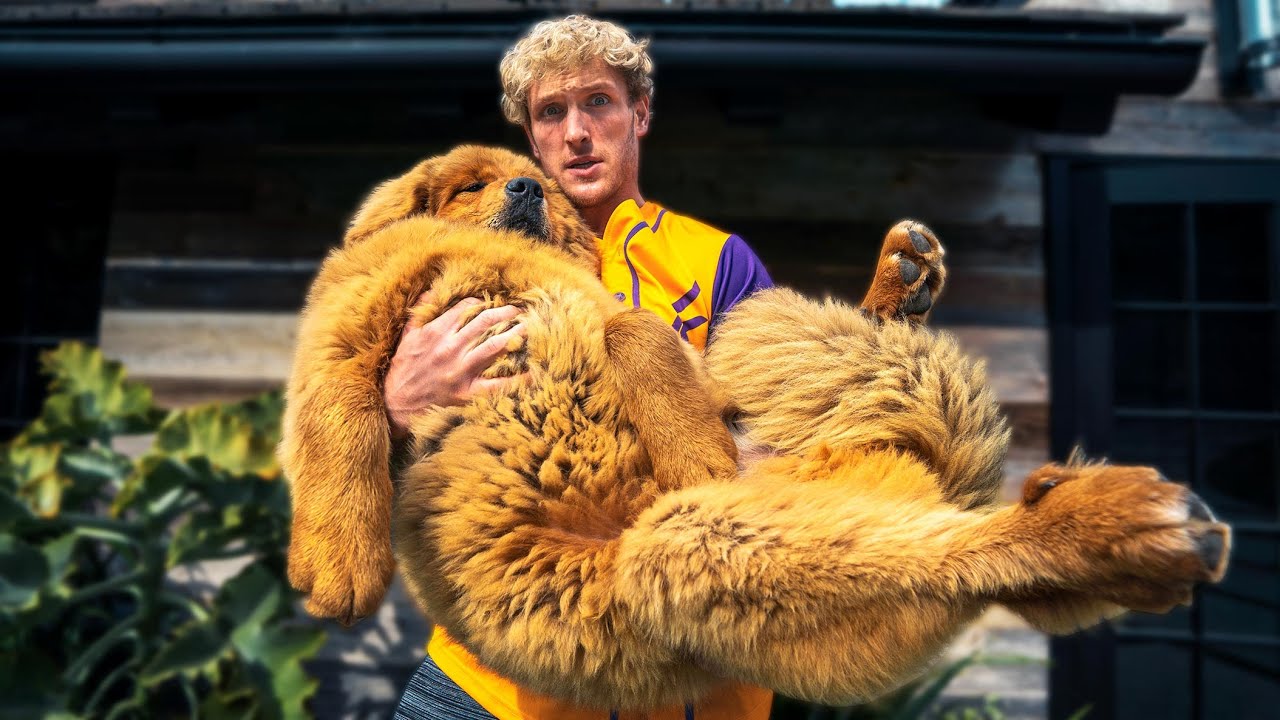
Can Puppies of the Same Litter Have Different Sizes?
How can I help all puppies in a litter be born healthy and strong? Some customers contact us and say they’ve had a litter born with some large, some small and some puppies that are stillborn, all in the same litter. Why does this happen and what can be done so all the puppies are born healthy and strong?
Different Sized Puppies in the Same Litter
Why are puppies born different sizes? Why are some puppies in a litter born larger than others? In this Vet Minute, Revival’s Director of Veterinary Services, Dr. Marty Greer, talks about different sized puppies in the same litter, why this happens and what you can do to help all puppies be born healthy and strong. Different Sized Puppies in the Same Litter