
Preventative care is a key part of keeping your dog healthy and happy—and one of the best ways you can prevent potential health issues is to use monthly flea and tick preventatives. Here’s what to know about fleas, ticks, and how to protect our dogs.
Having a dog that loves outdoor adventures is amazing but those pesky ticks? Not so much! As a pet owner myself, I’ve battled these tiny bloodsuckers for years. Nothing ruins a nice hike faster than finding ticks on your furry best friend!
Ticks aren’t just gross – they’re dangerous too, potentially transmitting diseases like Lyme disease and Rocky Mountain spotted fever to your precious pup. The good news? You’ve got plenty of options to keep your dog tick-free!
Why Tick Prevention Matters for Your Dog
Ticks are sneaky little parasites that can make your dog seriously ill When they bite, they can transmit diseases that might not show symptoms for 7-21 days or even longer. These diseases can cause fever, joint pain, lethargy, and in serious cases, even organ damage
Dogs are particularly vulnerable to ticks because:
- Their furry coats provide perfect hiding spots
- They explore grassy and wooded areas where ticks live
- They can’t tell you when they feel something crawling on them
- Many tick-borne diseases don’t have vaccines available for dogs
Plus, your dog can bring ticks into your home, putting the whole family at risk!
1. Oral Tick Medications: Protection From Within
One of the most effective ways to protect your dog is with oral tick preventatives. These chewable tablets work through your dog’s bloodstream – when a tick bites, it ingests the medication and dies before it can transmit disease.
Benefits of oral medications:
- Most provide 1-3 months of protection per dose
- No messy application or residue
- Won’t wash off during swimming or baths
- Many dogs take them easily as flavored treats
Products containing fluralaner, afoxolaner, or sarolaner are particularly effective against multiple tick species. Talk to your vet about which option is best for your pup based on their weight, health, and lifestyle.
2. Topical Treatments: Shield Your Dog’s Skin
Topical or “spot-on” treatments remain super popular for good reason. These liquid medications get applied directly to your dog’s skin (usually between the shoulder blades) and distribute through the skin’s natural oils.
For best results with topicals:
- Apply to dry skin after parting the fur
- Place directly on skin, not just on coat
- Keep your dog dry for 24-48 hours after application
- Reapply monthly (or as directed by your vet)
I find these work great for dogs who hate taking pills, but they might not be ideal if your dog swims a lot or needs frequent baths.
3. Tick Collars: Long-Lasting Protection
Modern tick collars have come a long way! Today’s advanced collars release active ingredients that distribute through your dog’s skin oils, creating protection that can last up to 8 months.
For safe use of tick collars:
- Make sure it fits properly – snug but with room for two fingers
- Trim excess length after fitting
- Check regularly for skin irritation
- Replace according to manufacturer guidelines
My neighbor’s Lab has super sensitive skin and couldn’t handle topical treatments, but she’s done great with a quality tick collar!
4. Regular Inspection and Grooming: Your First Line of Defense
One of the most underrated yet effective prevention methods costs nothing but time: thorough tick checks! Make this a regular habit after outdoor activities.
Check these common tick hideouts:
- Around and inside the ears
- Eyelids
- Under the collar
- Armpits and groin
- Between toes and paw pads
- Around the tail base
I invested in a tick removal tool after struggling with tweezers, and it’s been a game-changer! Remember that ticks can be tiny (sometimes as small as a poppy seed), so good lighting is essential.
5. Create a Tick-Free Yard Environment
Since your dog probably spends lots of time in your yard, making this space inhospitable to ticks is super important!
Try these yard maintenance strategies:
- Keep grass cut short – ticks love tall vegetation
- Remove leaf litter and brush piles promptly
- Create a barrier of gravel or wood chips between wooded areas and lawn
- Trim branches and shrubs to increase sunlight (ticks prefer shade)
- Stack woodpiles neatly in sunny spots
- Consider fencing to limit wildlife access (deer and rodents carry ticks)
I used to have a major tick problem until I cleared the brush at the back of my yard and started maintaining a gravel barrier – what a difference!
6. Protective Clothing: Physical Barriers
Just like we might wear protective clothing in tick-heavy areas, dogs can benefit from specially designed garments that create physical barriers against ticks.
Options include:
- Dog bodysuits covering the torso and legs
- Leg covers for walks in tall grass
- Protective bandanas or neck gaiters
- Permethrin-treated gear (specifically designed for dogs)
These are especially helpful during high-risk activities like hiking or for dogs with sensitivities to chemical preventatives. Just be careful about overheating in warm weather!
7. Natural Repellents: Gentler Alternatives
If you prefer more natural approaches, several plant-based solutions can help deter ticks. While typically not as consistently effective as pharmaceutical options when used alone, they can be valuable additions to your prevention strategy.
Some promising natural options:
- Rose geranium oil
- Cedar oil
- Lemongrass oil
- Neem oil
- Apple cider vinegar (diluted in water)
Important safety note: Some essential oils can be toxic to dogs if used incorrectly. Never use tea tree oil, pennyroyal, or wintergreen oil on dogs. Always dilute oils properly and stop use immediately if you notice any adverse reactions.
I’ve had decent success with a homemade spray using cedar oil and coconut oil as a carrier, especially for quick outdoor potty breaks!
Combining Methods for Maximum Protection
The truth is, no single method is 100% effective on its own. The best approach combines several strategies:
- Use a vet-recommended preventative product (oral, topical, or collar)
- Perform regular tick checks
- Maintain a tick-resistant yard
- Add situational protection like protective clothing when needed
And remember – tick prevention isn’t just a summer thing! In many regions, ticks remain active whenever temperatures are above freezing, making year-round protection essential.
What To Do If You Find a Tick on Your Dog
Despite your best efforts, you might still occasionally find a tick on your dog. If this happens:
- Stay calm (easier said than done, I know!)
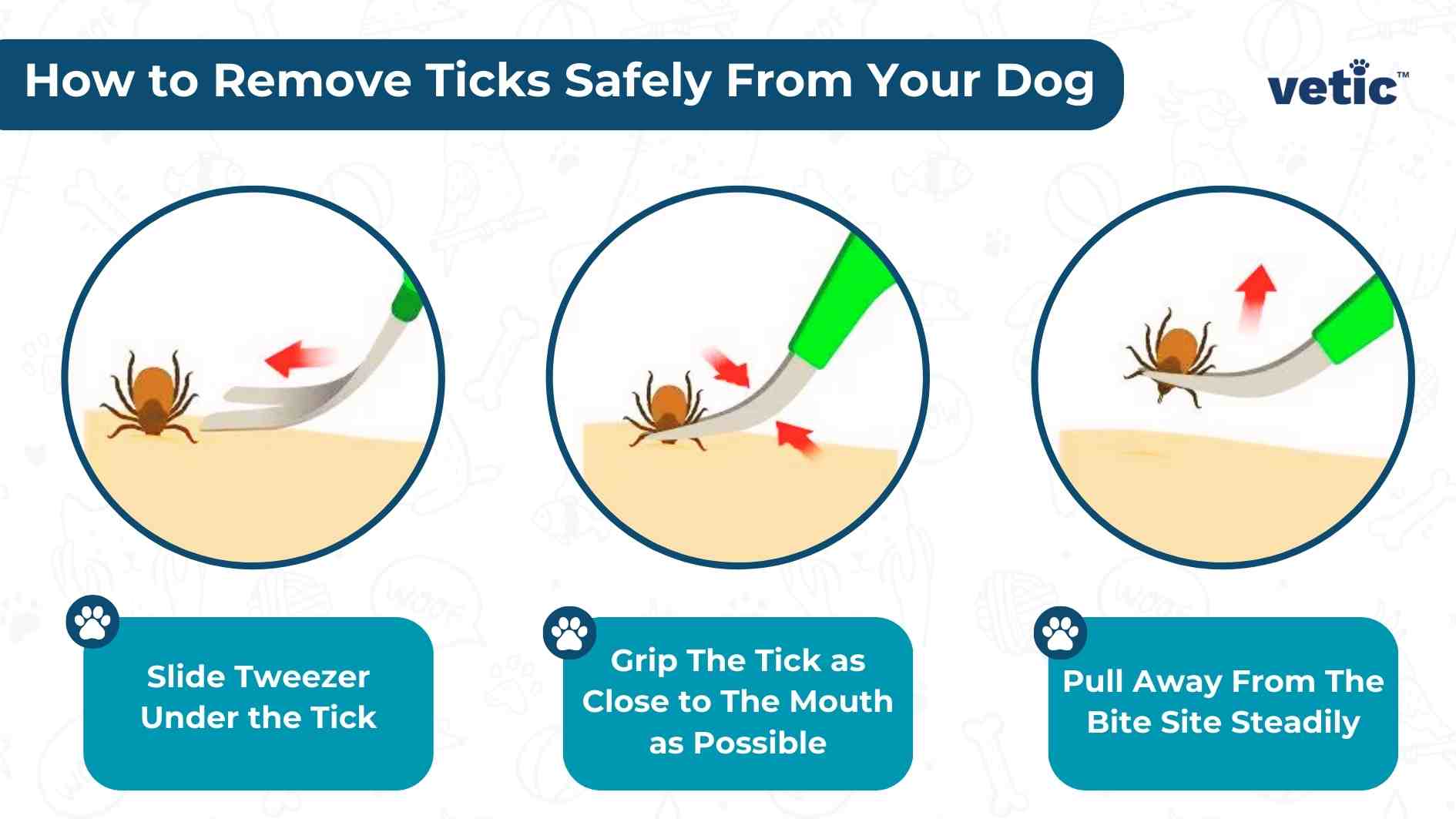
- Use fine-tipped tweezers or a tick removal tool
- Grasp the tick as close to the skin as possible
- Pull upward with steady, even pressure
- Avoid twisting or jerking
- Clean the area with antiseptic
- Monitor your dog for any symptoms like lethargy, fever, or lameness
Final Thoughts
Protecting your dog from ticks takes some effort, but it’s so worth it! By combining the methods we’ve discussed and staying consistent, you can dramatically reduce your dog’s risk of tick-borne diseases.
Work with your vet to create a tick prevention plan tailored to your dog’s specific needs, health status, and your local tick species. Regular vet checkups should include discussions about parasite prevention.
What tick prevention methods have worked best for your furry friend? I’d love to hear your experiences in the comments below!
FAQs About Tick Prevention for Dogs
How often should I check my dog for ticks?
Check your dog after every outdoor adventure in tick-prone areas. For routine walks in low-risk areas, a quick daily inspection is still beneficial.
Can my dog get ticks in winter?
Yes! Certain tick species remain active whenever temperatures exceed 35-40°F. Winter tick prevention remains important in many regions.
What’s the best tick prevention for puppies?
Many tick preventatives have age restrictions. Consult your vet for puppy-safe options, and in the meantime, rely heavily on regular tick checks.
Can I use human tick repellents on my dog?
No! Many human repellents contain DEET, which can be toxic to dogs if ingested through grooming. Always use products specifically formulated for dogs.
How long after a tick bite does disease transmission occur?
For many tick-borne diseases, transmission typically requires the tick to be attached for 24-48 hours. This is why daily tick checks are so valuable!
Why Is Flea and Tick Prevention Important for Dogs?
Fleas and ticks are ectoparasites, meaning they are pests that live on the outside of their host. For fleas and ticks to survive, they must bite their host and then feed on the blood.
These bites can directly impact your dog’s health. The saliva from a flea bite can cause severe allergies, dermatitis, anemia, itching, and infection. Tick bites can cause infection, abscesses, paralysis, and even death.
These nasty parasites can also harbor and spread a variety of diseases to dogs, including:
Some of these diseases can even spread to people, which is why it’s critical to keep fleas and ticks off your dog and out of your home.
Choosing a Flea and Tick Combination Medicine for Dogs
There are a variety of products to help keep your dog free of parasites. These products can be in the form of pesticides, repellents, or growth inhibitors. Each tackles pests at different life stages to prevent infestations.
Some products are only effective against one parasite (typically fleas). Combination flea and tick preventatives for dogs contain multiple ingredients to battle different types of pests. These prevention options may also provide additional protection against heartworms, skin and ear mites, and intestinal parasites.
Credelio Quattro provides the broadest parasite protection of its kind, covering six types of parasites: fleas, ticks, heartworms, roundworms, hookworms, and tapeworms.
Before deciding on a flea and tick medication, always check with your veterinarian and make sure it’s a good fit for your dog. Review the product label and consult with your veterinarian to make sure:
- The product is the correct species for your pet (dog versus cat)
- The product is within the correct weight range for your pet
- The product protects against the appropriate parasites
- Whether the product should be given with food
- How often you should administer the product
- How long before the product starts working
- How soon you can bathe your pet after application
- Whether the product has any safety-related concerns
- You know what to do in the case of an adverse reaction
Here are some other factors to consider:
Flea and tick preventatives commonly come in two forms:
- Oral: chewable tablet that your dog ingests
- Topical: liquid that’s applied between the should blades or down the back of your dog
Topical flea and tick preventatives are a great option for pets that are picky eaters or have sensitive stomachs. However, if you have small children or other animals, you need to be careful that they don’t touch or lick the product before it has time to dry. Topical treatments are also not a great option for dogs that like to swim a lot or dogs that need frequent baths, as water can affect the product’s efficacy.
Oral treatments can be an easy and convenient option for dog parents because they can be given like a treat. If you use oral treatments, it’s best to monitor your dog to make sure they have eaten the entire tablet and do not throw it up before it can be absorbed into their system.
Different geographic locations have different local parasite populations, including fleas and ticks.
The Companion Animal Parasite Council is a helpful resource to identify the parasites in your area so you can make sure whichever flea and tick product you choose keeps your dog fully protected.


