
The first sign of a collapsing trachea in a dog is typically a goose-like honking cough. While a trachea collapse will gradually get worse over time, many dogs can live full lives with proper medical management.
If your dog was recently diagnosed with a collapsing trachea, it’s important to understand the stages of trachea collapse, as well as medical options, so you know how to plan their care management in the years ahead.
Living with a dog who has a collapsed trachea can be stressful for both you and your furry friend. That honking cough can break your heart, and watching them struggle to breathe during flare-ups is scary I know because I’ve been there The good news? There are many ways to help manage this condition and improve your dog’s quality of life.
In this comprehensive guide I’ll share practical solutions that have worked for countless pet parents dealing with tracheal collapse from immediate relief techniques to long-term management strategies.
What is a Collapsed Trachea?
Before we dive into treatments, let’s understand what we’re dealing with
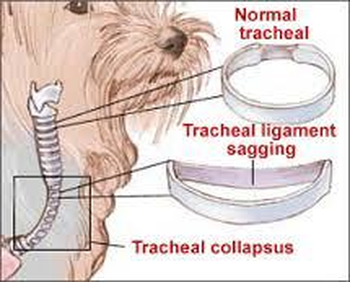
The trachea (windpipe) is a tube that carries air from your dog’s nose and mouth to their lungs. It’s reinforced by C-shaped cartilage rings that give it structure. In tracheal collapse, these rings weaken and flatten, narrowing the airway and making it difficult for your dog to breathe.
Think of it like trying to breathe through a straw that’s being pinched – not fun at all!
This condition is most common in:
- Small breeds (especially Yorkshire Terriers, Pomeranians, Chihuahuas, Pugs, and Toy Poodles)
- Middle-aged to senior dogs
- Overweight dogs
The classic symptom is a dry, harsh “goose-honk” cough that often worsens with excitement, exercise, drinking water, or pressure on the neck.
Immediate Relief for Tracheal Collapse Episodes
When your dog is having a coughing fit or breathing difficulty, here are steps you can take right away:
1. Create a Calm Environment
Dogs with collapsed tracheas often cough more when excited or stressed. During an episode:
- Speak in a soft, soothing voice
- Minimize noise and commotion
- Dim lights if possible
- Gently stroke your dog to help them relax
2. Cooling Measures
Heat and humidity can make breathing more difficult:
- Use fans or air conditioning to maintain a cool temperature
- Place a cool (not cold) towel on your dog’s neck
- Keep your dog in a well-ventilated area
3. Proper Body Positioning
How your dog sits or lays can affect their breathing:
- Elevate your dog’s head and front end slightly with pillows
- Some dogs breathe easier sitting up rather than lying down
- Avoid positions that compress the neck
4. Oxygen Therapy
For more severe episodes, supplemental oxygen can be a game-changer:
- Portable oxygen canisters or concentrators can provide immediate relief
- Oxygen chambers or masks designed for pets help deliver oxygen effectively
- Always administer in a calm, quiet environment
I’ve found that having oxygen on hand gives me peace of mind for those scary moments when my dog struggles to catch his breath.
Long-Term Management Strategies
Managing a collapsed trachea is a marathon, not a sprint. These strategies can help reduce symptoms over time:
1. Use a Harness Instead of a Collar
This is probably the simplest yet most important change you can make:
- Collars put pressure directly on the trachea
- A well-fitted harness distributes pressure across the chest
- Look for harnesses specifically designed for dogs with respiratory issues
2. Weight Management
Extra weight puts additional pressure on the trachea:
- Work with your vet to determine an ideal weight
- Measure food portions carefully
- Choose a quality diet formulated for weight control
- Replace high-calorie treats with healthier options like carrots or green beans
I noticed a significant improvement in my dog’s symptoms after she lost just 2 pounds!
3. Modify Your Home Environment
Several environmental factors can trigger coughing:
- Use a humidifier to keep air moist, especially in dry weather
- Install air purifiers to reduce irritants
- Avoid using harsh cleaning products, air fresheners, or perfumes
- Create a smoke-free environment (cigarette smoke is a major irritant!)
- Use dust-free litter if you have cats
4. Adjust Exercise Routines
Activity is important, but needs modification:
- Take shorter, more frequent walks rather than long ones
- Walk during cooler parts of the day
- Use a harness that doesn’t put pressure on the neck
- Stop activity at the first sign of excessive panting or coughing
- Consider gentle indoor activities on very hot or cold days
Medications and Supplements That Can Help
Your veterinarian may recommend medications to manage symptoms. Common options include:
Prescription Medications
- Cough suppressants: Hydrocodone or butorphanol can reduce coughing
- Anti-inflammatories: Corticosteroids like prednisone reduce airway inflammation
- Bronchodilators: Help open airways and improve breathing
- Sedatives or anti-anxiety medications: May help during stressful situations
Natural Supplements
- Honey: 1/2 to 1 teaspoon of raw honey can soothe irritation (avoid in diabetic dogs)
- Omega-3 fatty acids: Fish oil supplements have anti-inflammatory properties
- Turmeric: Contains curcumin which may reduce inflammation (use carefully as it’s a blood thinner)
- Glucosamine/chondroitin: May help support cartilage health
The Auburn Elixir, a compounded medication containing ingredients like marshmallow root, has helped many dogs. Your vet can provide a prescription if appropriate.
Alternative Therapies Worth Trying
Some pet parents have found success with these complementary approaches:
1. Acupuncture
Studies show acupuncture can help regulate inflammation and anxiety, potentially alleviating tracheal collapse symptoms.
2. Massage and Acupressure
Gentle massage around the neck and shoulders can reduce tension. A professional animal massage therapist can teach you specific techniques.
3. Herbal Remedies
- Slippery elm bark can soothe irritated throats
- Marshmallow root forms a protective film over mucus membranes
- Licorice root has anti-inflammatory properties
Always consult your vet before trying any herbal remedy, as some can interact with medications.
When to Seek Emergency Veterinary Care
While many collapsed trachea episodes can be managed at home, some situations require immediate veterinary attention:
- Severe breathing difficulty that doesn’t improve with rest
- Blue or purple gums or tongue (cyanosis)
- Collapse or fainting
- Excessive drooling or inability to catch breath
- Symptoms that worsen despite home care
Trust your instincts – if you’re worried, it’s better to seek help than wait.
True Story: What Worked for Mabel the Pug
Let me share a success story about Mabel, a Pug with collapsed trachea adopted at age 10. Her family tried several approaches before finding what worked:
Initially, Mabel was prescribed Butorphanol for coughing, which helped for about three years. However, this medication couldn’t be taken with her antihistamines, which she needed for severe allergies.
After consulting with their vet and connecting with other pet parents through a Facebook support group, Mabel’s family switched her to a combination of Lomotil and Hydroxyzine, which significantly improved her symptoms while allowing her to take her allergy medication.
They also:
- Keep their home cool with air conditioning
- Use two cool-mist humidifiers
- Use chemical-free and scent-free cleaning products
- Provide a bolstered bed that supports her neck comfortably
- Minimize her time outdoors on warm days
Can You Prevent Tracheal Collapse?
Unfortunately, you can’t completely prevent tracheal collapse, especially in predisposed breeds. However, these measures may help slow progression:
- Maintain a healthy weight from puppyhood
- Use a harness instead of a collar from an early age
- Keep your dog away from smoke and other respiratory irritants
- Provide regular, gentle exercise
- Support overall cartilage health with appropriate supplements
My Personal Tips After Living With a Dog With Collapsed Trachea
After years of managing my dog’s collapsed trachea, here are my top tips:
-
Be consistent with medications. Missing doses can lead to flare-ups.
-
Keep emergency supplies ready. I have a “collapse kit” with medications, contact info for the nearest emergency vet, and a portable oxygen canister.
-
Pay attention to weather. I check humidity and temperature forecasts and plan activities accordingly.
-
Find a supportive community. Facebook groups for owners of dogs with collapsed tracheas can provide valuable advice and emotional support.
-
Celebrate good days. This condition has ups and downs – make the most of the good times!
Final Thoughts
Living with a dog who has a collapsed trachea requires patience, vigilance, and adaptability. The good news is that with proper management, most dogs can maintain a good quality of life despite this condition.
By combining medical treatment with lifestyle adjustments and home care strategies, you can help your furry friend breathe easier and enjoy life to the fullest. Remember that each dog is unique – what works for one might not work for another, so be prepared to try different approaches.
Have you found other strategies that help your dog cope with collapsed trachea? I’d love to hear about your experiences in the comments below!
Always consult with your veterinarian before starting any new treatment or supplement regimen for your dog’s collapsed trachea. This article is based on research and experience but is not a substitute for professional veterinary advice.
How Veterinarians Diagnose Collapsing Trachea in Dogs
Your veterinarian will start with a thorough history of any coughing or risk factors. If you can capture a coughing episode on video at home, that’ll help your vet during the examination, although sometimes the vet can trigger the cough by gently pressing on the dog’s throat.
A combination of breed, clinical signs, and physical examination may make your vet suspicious of collapsing trachea.
If the classic “goose honking” cough is noted or suspected based on the pet parent’s description, your vet may perform a chest and neck X-ray to screen for evidence of collapsing trachea.
However, the trachea collapse can wax and wane, so it isn’t always visible on regular X-rays. For a more advanced evaluation, your veterinarian may refer you to a specialist with fluoroscopy (a type of moving X-ray) or bronchoscopy (inserting a tube with a small video camera at the end into an anesthetized dog’s airways).
A complete blood count, serum blood chemistry, and urinalysis will all likely be recommended for a baseline evaluation. Additionally, an echocardiogram (ultrasound of the heart) may be recommended to rule out any underlying heart disease.
Causes of Tracheal Collapse in Dogs
No single, specific cause has been identified to explain all cases of tracheal collapse in dogs.
A congenital (meaning present at birth) weakness of the cartilage within the trachea seems to play a big role, but environmental factors and concurrent diseases may bring out symptoms.
Some of these risk factors include:
- Overweight or obese dogs (fat pushes against the trachea)
- Airway irritants, such as air fresheners or smoke
- Recent anesthesia, such a dental where an endotracheal tube was placed in the throat
- Upper respiratory tract infection, such as kennel cough or a bacterial infection
- Heart enlargement, which can be seen in dogs with heart murmurs or congestive heart failure (the enlarged heart presses on the trachea)
While tracheal collapse can occur in any breed or size of dog, small dog breeds are most at risk for developing a collapsing trachea, including:
Tracheal collapse is most frequently diagnosed in middle-aged or older dogs, but it can also be seen in younger dogs.
Collapsing Trachea in dogs. Three tips from Dr. Dan!
FAQ
Are dogs with collapsed trachea suffering?
Yes, dogs with collapsed trachea can suffer significantly, experiencing chronic coughing, exercise intolerance, breathing difficulties, and potential respiratory distress, especially in severe cases. The condition is stressful and can lead to a reduced quality of life, although early diagnosis and proper management, including lifestyle changes and sometimes surgery, can help control symptoms and improve well-being.
What to do during a tracheal collapse episode?
If your dog has tracheal collapse, try to keep them away from airway irritants such as smoke and other fumes. Switching from a collar to a chest harness may help ease their coughing. It’s important to see your veterinarian regularly and follow their directions.
When should I put my dog down with collapsed trachea?
Euthanasia for a dog with a collapsed trachea is considered when the dog’s quality of life is severely compromised, often indicated by constant pain, severe and frequent difficulty breathing (respiratory distress), frequent fainting or cyanosis, inability to perform normal activities, significant weight loss or refusal to eat, or if they aren’t responding to treatment and have a poor prognosis. The decision is a personal and difficult one that should be made in consultation with your veterinarian to evaluate the dog’s overall health and prognosis.
What is the life expectancy for dogs with tracheal collapse?
In general, a dog with a collapsed trachea can live a normal life span with proper management and treatment.Dec 27, 2023