
Have you ever noticed your furry friend scooting their butt across your favorite rug and wondered what on earth they’re doing? Or maybe you’ve spotted something that looks suspiciously like rice grains in their poop? Well, my friend, your dog might be dealing with an unwelcome guest – tapeworms!
As a dog owner myself, I’ve been through the whole “is that a worm?!” panic moment. It’s not fun, but knowing what to look for can save you and your pup a lot of discomfort. In this article, we’re gonna dive deep into the world of canine tapeworms (I know, not the most pleasant topic for coffee table conversation) and help you identify if your four-legged companion is hosting these unwanted parasites.
What Exactly Are Tapeworms?
Before we jump into the symptoms, let’s get to know the enemy Tapeworms are flat, segmented intestinal parasites that take up residence in your dog’s small intestine. Unlike roundworms or hookworms, tapeworms have a unique appearance and lifecycle
The most common species found in dogs is Dipylidium caninum, These nasty little creatures can grow up to 11 inches long! They attach themselves to your dog’s intestinal wall using hook-like mouthparts and start setting up shop
As they mature, the tapeworm’s body segments (called proglottids) break off and pass through your dog’s digestive system. These segments look like:
- Grains of white rice
- Cucumber seeds
- About 1/2 inch long and 1/8 inch wide
- Sometimes visible moving on fresh feces or around your dog’s bottom
How Do Dogs Get Tapeworms?
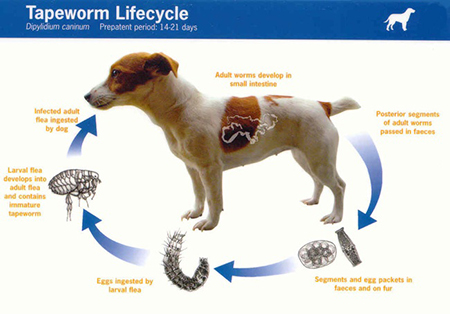
Here’s where things get interesting (and a bit gross). Unlike other intestinal parasites, dogs can’t get tapeworms directly from eating their eggs. Instead, the lifecycle goes something like this:
- A flea larva eats tapeworm eggs in the environment
- The larval flea matures into an adult flea with the tapeworm egg inside
- Your dog either eats the flea while grooming or swallows it when bitten
- The flea gets digested, but the tapeworm egg survives
- The tapeworm hatches and attaches to your dog’s intestine
- The cycle continues…
Other less common ways dogs can get tapeworms include eating infected rodents, rabbits, or birds.
8 Warning Signs Your Dog Might Have Tapeworms
Now for the main event – how can you tell if your dog has tapeworms? Here are the telltale signs to watch for:
1. The Rice-Like Segments
The most obvious sign is spotting those tapeworm segments. They might be:
- Visible in your dog’s poop
- Stuck to the fur around their bottom
- Found in their bedding
- Present in their vomit (yuck, but true!)
- Moving when freshly passed (double yuck!)
When these segments dry out, they turn a golden color and eventually break open, releasing tapeworm eggs into the environment.
2. The Infamous Scooting
Have you seen your dog dragging their rear end across your floor? While this behavior (called “scooting”) can also be caused by impacted anal sacs, it’s often a sign that tapeworm segments are causing irritation around your dog’s bottom.
3. Excessive Licking or Biting at Their Rear
If you notice your pup paying extra attention to their back end – constantly licking or biting at the area – tapeworms might be the culprit. The segments can cause itching and discomfort, prompting your dog to try to relieve the irritation.
4. Unexplained Weight Loss
Even though your dog seems to be eating normally, they might be losing weight. This happens because the tapeworm is literally stealing nutrients from your dog’s food! In heavy infestations, this can become quite serious, especially in puppies.
5. General Lethargy
Is your usually energetic pup suddenly acting tired all the time? Tapeworms feed on your dog’s blood supply and nutrition, which can leave them feeling exhausted and without their usual zip.
6. Digestive Issues
While not as common as other symptoms, tapeworms can sometimes migrate to your dog’s stomach, causing:
- Vomiting (sometimes with visible worms)
- Diarrhea
- General digestive upset
7. Changes in Appetite
Some dogs with tapeworms may experience changes in their eating habits, though this isn’t always obvious since tapeworms don’t typically cause severe illness in adult dogs.
8. Visible Discomfort
Your dog might just seem uncomfortable or irritated, especially around their rear end, without any other obvious symptoms.
Confirming a Tapeworm Infection
If you suspect your dog has tapeworms, it’s time to play detective. Here’s what you can do:
Collect a Stool Sample
This is probably not your idea of a fun afternoon activity, but collecting a fresh sample of your dog’s poop can help confirm if tapeworms are present. Look specifically for those rice-like segments.
Pro tip: Use a lidded food container or sealable plastic bag to collect and store the sample. Double-bag it to prevent leaks (trust me on this one), and label it with your dog’s information.
Visit Your Vet
Your veterinarian is your best ally in the fight against tapeworms. They can:
- Perform a visual inspection of your dog
- Examine a fecal sample
- Provide a definitive diagnosis
- Prescribe the most effective treatment
It’s worth noting that tapeworms don’t always show up on routine fecal examinations, so telling your vet specifically that you suspect tapeworms is helpful.
Treating Tapeworms in Dogs
Good news! Treating tapeworms is relatively straightforward and highly effective with the right medication.
Prescription Medications
The most common and effective treatment is a prescription drug called praziquantel. This medication:
- Can be given as tablets or by injection
- Causes the tapeworm to dissolve in the intestine
- Usually has minimal side effects
- Works quickly and effectively
Other deworming medications may also be prescribed depending on your vet’s recommendation.
The Importance of Flea Control
Here’s the thing – if your dog got tapeworms from fleas (which is the most common way), treating just the tapeworms won’t solve the problem long-term. You need to tackle the flea issue too!
A comprehensive approach includes:
- Treating your dog with effective flea control products
- Treating your home environment (vacuuming frequently, washing pet bedding, etc.)
- Possibly using professional pest control services for severe infestations
Without addressing the flea problem, your dog could become reinfected with tapeworms in as little as two weeks after treatment.
Preventing Tapeworm Infections
An ounce of prevention is worth a pound of cure, especially when it comes to parasites! Here’s how to keep tapeworms away:
- Control fleas – Use year-round flea prevention recommended by your vet
- Keep your environment clean – Vacuum regularly and wash pet bedding often
- Pick up poop promptly – Don’t let it sit around in your yard
- Watch what your dog eats – Prevent scavenging and hunting of potential hosts like rodents
- Regular check-ups – Have your vet examine your dog at least annually
- Be observant – Check your dog’s stool and rear end occasionally for signs of tapeworms
Can Humans Get Tapeworms from Dogs?
I get this question a lot, and the answer is: yes, but it’s rare. Humans can get Dipylidium caninum (the common dog tapeworm), but only by accidentally ingesting an infected flea – the same way dogs get infected.
Children are at slightly higher risk because they may play in areas where fleas are present and have less rigorous hygiene habits. To minimize risk:
- Wash hands after playing with pets
- Keep play areas clean
- Treat pets for fleas
- Practice good personal hygiene
When to Worry About Tapeworms
For most adult dogs, tapeworms are more of a nuisance than a serious health threat. However, you should seek prompt veterinary care if:
- Your dog is a puppy with a tapeworm infection
- Your dog is losing significant weight
- The infection doesn’t clear up after treatment
- Your dog seems generally unwell or lethargic
In puppies, heavy tapeworm infestations can lead to more serious issues like stunted growth, anemia, and even intestinal blockages.
Final Thoughts
Dealing with tapeworms isn’t anyone’s idea of a good time, but it’s a relatively common issue that’s usually easy to resolve. Being able to identify the signs early means your pup can get treatment faster and get back to their happy, healthy self.
Remember, when it comes to parasites, your vet is your best resource. Don’t be embarrassed to bring in that stool sample or describe exactly what you’ve seen – trust me, they’ve heard and seen it all before!
Disclaimer: This article is intended for informational purposes only and should not replace professional veterinary advice. If you suspect your dog has tapeworms or any other medical condition, please consult with your veterinarian for proper diagnosis and treatment.
How do dogs get tapeworms?
First, a tapeworm egg must be ingested by a flea larva, an immature stage of the flea. Once inside the larval flea, the tapeworm egg continues to develop as the larval flea matures into an adult. During grooming, or in response to a flea bite, the dog inadvertently swallows the flea. As the flea is digested within the dog’s intestine, the tapeworm egg is released, hatches, and then anchors itself to the intestinal lining, therefore completing the lifecycle.
Unlike other intestinal parasites, dogs cannot become infected by eating tapeworm eggs. Tapeworms must first pass through the flea (the intermediate host) before they can infect the dog.
What are tapeworms?
Tapeworms are flat, segmented intestinal parasites of the cat and dog. They belong to a different family (cestode) than other intestinal parasites, such as hookworms and roundworms, which are other common intestinal parasites of cats and dogs. Several types of tapeworms are known to infect pets, but the most common species observed in dogs is Dipylidium caninum.
The tapeworm uses its hook-like mouthparts for anchoring to the wall of the small intestine. Eventually, adult tapeworms reach lengths of up to 11” (30 cm). As the adult tapeworm matures, individual segments (proglottids) break off from the main body of the tapeworm and pass in the dog’s feces. The segments resemble grains of rice or cucumber seeds and are about 1/2” (12 mm) long and about 1/8” (3 mm) wide. Occasionally, they can be seen moving on the hairs around the anus, or more commonly, on the surface of freshly passed feces.
As the proglottid dries, it becomes a golden color and eventually breaks open, releasing the fertilized eggs into the environment. A proglottid may contain as many as 20 tapeworm eggs.
Canine Diseases & Treatment : How to Tell If a Dog Has Worms
FAQ
What are the signs of tapeworm in dogs?
Symptoms of tapeworms in dogs include seeing rice-like segments in their feces or around their anus, scooting their hind end on the ground due to itching, weight loss, vomiting, lethargy, and a dull coat. However, many dogs with tapeworms show no symptoms at all, making regular fecal checks and flea prevention crucial.
How long does it take to get rid of tapeworms in dogs?
What happens if tapeworms are left untreated in dogs?