
Has your furry friend suddenly broken out in itchy red bumps? Poor pup! Dog hives (also called urticaria) can make your pooch miserable, and seeing them scratch constantly can break any pet parent’s heart I’ve been there, and I know how stressful it can be when your dog is uncomfortable
In this comprehensive guide, I’ll share everything you need to know about identifying dog hives, what causes them, and most importantly, how to get rid of them effectively. With these remedies, your dog will be back to their happy, playful self in no time!
What Exactly Are Dog Hives?
Before diving into treatments, let’s understand what we’re dealing with Dog hives are raised, red bumps on your dog’s skin that appear suddenly – often due to an allergic reaction These wheals (the medical term for the raised areas) can pop up anywhere on your dog’s body but are most commonly found on the
- Head
- Neck
- Back
- Stomach
- Legs
The most telling sign? These hives typically appear very quickly – sometimes within minutes to hours after exposure to an allergen. In mild cases, they’ll usually disappear within 12-48 hours, but that doesn’t mean you should ignore them.
How to Identify Hives on Your Dog
Wondering if those bumps are actually hives? Here’s what to look for:
- Red raised areas of skin that may be very itchy
- Hair standing up in certain spots (the hives may be underneath)
- Intense itching and scratching
- Excessive drooling (if the mouth is swollen)
- Swelling of the face (particularly concerning as it could affect breathing)
What Causes Hives in Dogs?
Understanding what triggered your dog’s hives is crucial for both treatment and prevention. The most common causes include:
- Insect stings or bites (especially bees and wasps)
- Shampoos or topical products
- Medications and vaccines
- Toxic plants your dog may have brushed against
- Food allergens
- Environmental allergies
- Chemical exposure from cleaning products
- Heat or stress (less common but possible)
When to See the Vet Immediately
While most cases of hives are mild, there are times when you should skip the home remedies and head straight to the vet:
- Facial swelling, especially around the eyes or muzzle
- Difficulty breathing or labored breathing
- Hives that don’t improve within 24-48 hours
- Signs of anaphylaxis (a severe, potentially life-threatening allergic reaction)
Remember, anaphylaxis is a medical emergency that requires immediate veterinary attention!
7 Effective Home Remedies for Dog Hives
Now for the part you’ve been waiting for! Here are seven proven ways to get rid of hives on your dog:
1. Cold Compress
A simple but effective first step:
- Wrap ice or a frozen gel pack in a thin towel
- Gently press against the affected area for 5-10 minutes
- Repeat several times a day to reduce inflammation and itching
Pro tip: Bags of frozen vegetables like peas work great in a pinch!
2. Soothing Oatmeal Bath
Oatmeal has natural anti-inflammatory properties that can provide significant relief:
- Run a lukewarm bath for your dog
- Add 1 cup of plain, unflavored oatmeal (1/3 cup for smaller dogs)
- Let your dog soak for 10-20 minutes
- Gently pat them dry (don’t rub!)
3. Benadryl (Diphenhydramine)
Benadryl can be effective for treating hives, but always consult your veterinarian before giving it to your dog:
- The standard dosage is typically 0.9-1.8mg per pound of body weight
- Only use plain Benadryl (no added ingredients like decongestants)
- Never administer without veterinary guidance
4. Aloe Vera Gel
Pure aloe vera gel can help soothe irritated skin:
- Apply a small amount to a small area first to test for any reaction
- Gently spread on affected areas
- Make sure your dog doesn’t lick it off (it can cause stomach upset if ingested)
Important: Use pet-safe aloe products, as some human products contain additives that are toxic to dogs.
5. Chamomile Tea Rinse
Chamomile has natural soothing properties:
- Steep 2 bags of chamomile tea in 2 cups of hot water
- Let it cool completely
- Apply to affected areas with a clean cloth or spray bottle
- Allow to air dry – don’t rinse off
6. Apple Cider Vinegar Solution
Apple cider vinegar can help relieve itching:
- Mix equal parts water and apple cider vinegar
- Apply to affected areas with a spray bottle
- Avoid open wounds or very irritated skin as it may sting
7. Natural Supplements
For dogs prone to allergic reactions, these supplements may help strengthen their immune system:
- Vitamin C: 5-10mg per pound, 2-3 times daily
- Vitamin E: 5-10mg per pound, once daily
- Coenzyme Q10: 1 capsule per 10 pounds of body weight daily
Homeopathic Remedies Worth Trying
Some pet parents find these homeopathic options helpful:
- Apis Mellifica: Particularly effective for hives with swelling, especially from bee stings
- Urtica: Good for intensely itching and stinging hives
- Rhus Toxicodendron: Helpful for hives causing intense itching
Prevention: Keeping Hives Away for Good
The best treatment is prevention! Here’s how to minimize the chance of future outbreaks:
- Identify and avoid triggers: Keep a journal to track potential allergens
- Use hypoallergenic products: Switch to gentle, fragrance-free shampoos and household cleaners
- Consider allergy testing: If hives are recurring, your vet might recommend allergy testing
- Boost immune health: A balanced diet strengthens your dog’s resistance to allergic reactions
- Inform your vet about past reactions: Especially important with vaccines or medications
Monitoring Your Dog’s Recovery
When treating hives at home, keep a close eye on your dog’s progress:
- Take photos to track improvement
- Watch for any worsening symptoms
- Continue treatment until hives are completely gone
- If no improvement is seen within 24 hours, consult your vet
FAQs About Dog Hives
How long do hives typically last in dogs?
Most cases resolve within 24-48 hours with proper treatment.
Can anxiety cause hives in dogs?
While stress alone rarely causes hives, it can worsen existing hives or make a dog more susceptible to allergic reactions.
Are dog hives contagious to humans or other pets?
No, dog hives are an allergic reaction and not contagious.
Can I use over-the-counter creams on my dog’s hives?
Some human products like hydrocortisone cream might be safe, but always consult with your vet first. Many human products contain ingredients that could harm your dog.
What foods commonly cause hives in dogs?
While food allergies that cause hives are relatively rare in dogs, common culprits include beef, dairy, chicken, and eggs.
When Home Remedies Aren’t Enough
If your dog’s hives don’t respond to home treatment, your vet might recommend:
- Antihistamines: Prescription-strength options
- Corticosteroids: For more severe cases
- Specialized treatments: Like Zenrelia, Apoquel, or Cytopoint for persistent cases
- Allergy immunotherapy: For long-term management of identified allergens
Final Thoughts
Seeing your dog covered in itchy hives is distressing, but with quick action, most cases resolve quickly and completely. By understanding the causes and having these remedies on hand, you’ll be prepared to give your furry friend fast relief when those pesky hives appear.
Remember, while these home remedies are effective for mild cases, always err on the side of caution. If your dog is showing signs of severe discomfort or difficulty breathing, skip the home treatments and head straight to the vet.
Have you tried any of these remedies for your dog’s hives? Which ones worked best for your furry friend? We’d love to hear your experiences in the comments below!
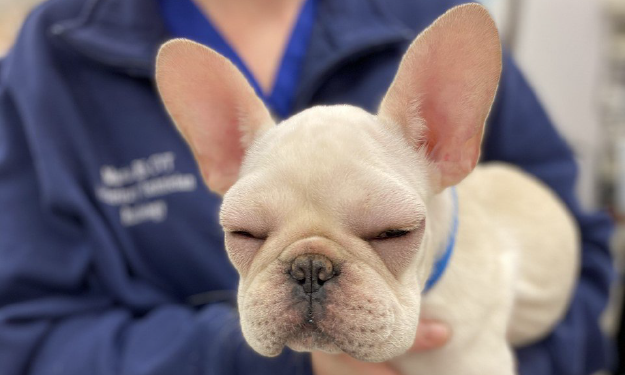
When Do Hives Require Veterinary Attention?
Three reasons make it absolutely necessary to take your dog to the vet in case of hives:
- Breathing difficulties
- Dramatic swelling of the face
- The hives do not go away in 24 hours
How Do You Treat Hives in Dogs?
The dog hives treatment avenues vary depending on the seriousness of the condition:
- Light cases of hives are easily solved through antihistamines such as diphenhydramine, which is found in Benadryl. Veterinarians recommend 0.9 – 1.8mg per pound of body weight as the standard diphenhydramine dosage. As a matter of caution, do not give Benadryl to your dog without your vets guidance (Source: Merck Veterinary Manual).
- Serious cases of hives require the administration of corticosteroids.
- In case of acute allergic reactions caused by food or medication ingestion, your vet may use milk of magnesia to quickly remove the food from your dogs digestive system.
- For hives caused by contact allergens, bathing to remove the product from the skin will provide relief.