
Have you just welcomed an adorable bundle of fur into your home? As a new puppy parent, I know firsthand how tempting it is to spend all day playing with and walking your energetic new family member. Those puppy eyes begging for another walk can be hard to resist! But here’s something many new pet parents don’t realize – yes, you absolutely can walk your puppy too much, and doing so might cause serious long-term health problems.
In this comprehensive guide, I’ll share everything you need to know about properly exercising your puppy without overdoing it. After researching extensively and consulting veterinary advice, I’ve put together these guidelines to help your furry friend grow into a healthy, happy adult dog.
Why Puppy Exercise Needs Special Attention
When I brought home my Labrador puppy last year, I was shocked to learn that those growing little bodies need special consideration when it comes to exercise Unlike adult dogs, puppies have
- Developing bones and joints that are vulnerable to damage
- Growth plates that haven’t fully fused yet
- Less stamina despite their seemingly endless energy bursts
- Different exercise requirements based on age, breed, and size
Overexercising during this crucial growth period can lead to permanent damage that might not show up until later in life As someone who wants their dog to live a long, healthy life, this information was a total game-changer for me!
The Dangers of Over-Exercising Your Puppy
Many puppy parents don’t realize they’re overdoing it until damage has already occurred. According to veterinary experts, excessive exercise in puppies can lead to:
- Joint damage that may cause early onset arthritis
- Growth plate injuries that affect bone development
- Hip dysplasia in predisposed breeds
- Long-term mobility issues that impact quality of life
Dr. Daniel Edge, a veterinary expert, confirms that it is indeed possible to walk your dog too much, especially during their developmental stages. The risk is even higher during hot weather when walking on hot cement can actually cause painful blisters on their paw pads.
How Much Exercise Does Your Puppy Actually Need?
Here’s where things get interesting – there’s no one-size-fits-all answer! The appropriate amount of exercise depends on several factors
Age Matters
You may have heard about the “5-minute rule” (5 minutes of exercise per month of age), but veterinarians actually note there’s no scientific evidence backing this rule. While it might work for some puppies, it’s not appropriate for most.
Instead, consider your puppy’s age as just one factor in determining exercise needs. Younger puppies generally need shorter, more frequent exercise sessions with plenty of rest in between.
Size and Breed Considerations
This was a revelation to me – different breeds mature at dramatically different rates! Consider:
- Small breeds generally reach full size by 8-12 months
- Medium breeds typically finish growing around 12-15 months
- Large and giant breeds can take up to 18-24 months to fully mature
If you have a Great Dane, Labrador, Doberman, or other large breed, their growth plates might not fuse until they’re nearly 2 years old! This means they need gentler exercise for much longer than you might expect.
Signs Your Puppy Has Had Enough
Since puppies can’t tell us when they’re overtired, look for these signals:
- Excessive panting
- Lagging behind or stopping frequently
- Lying down during walks
- Seeming disinterested or distracted
- Purplish gums or tongue (a medical emergency!)
My puppy would sometimes suddenly plop down during walks, and I learned this wasn’t him being “stubborn” – it was his way of saying he needed a break!
Appropriate Exercise Types for Growing Puppies
So what kind of exercise IS appropriate for puppies? Here are vet-approved activities:
Safe Puppy Exercise Ideas
-
Play sessions at home or in the garden
- Let them set the pace
- Include plenty of rest breaks
- Keep sessions short (10-15 minutes)
-
Short, exploratory walks
- Focus on sniffing and experiencing the world
- Build stamina gradually
- Always bring water
-
Mental stimulation
- Puzzle feeders and snuffle mats
- Basic training sessions (great for tiring them out!)
- Socialization with vaccinated dogs
-
Gentle games
- Fetch (limited throws)
- Hide and seek
- Tug (with appropriate toys)
Exercises to Avoid Until Full Growth
- Running alongside bikes or while you jog
- High-impact jumping (onto furniture, over obstacles)
- Long hikes or extended walks
- Stair climbing (especially for small breeds)
- Rough play with much larger dogs
A Balanced Exercise Plan by Age and Size
I’ve compiled this handy reference guide based on veterinary recommendations:
8-12 Weeks
- Focus on: Socialization, short play sessions, exploring your home/garden
- Duration: 5-10 minutes of structured activity several times daily
- Priority: Allow LOTS of nap time (puppies this age sleep 18-20 hours daily!)
3-6 Months
- Small breeds: Two 15-20 minute walks daily plus play sessions
- Medium breeds: Two 15 minute walks daily plus gentle play
- Large/giant breeds: Two 10-15 minute walks daily, minimal jumping
6-12 Months
- Small breeds: Two 20-30 minute walks daily
- Medium breeds: Two 20-25 minute walks daily
- Large/giant breeds: Two 15-20 minute walks daily, still limiting impact
12-18 Months
- Small/medium breeds: Most can handle adult exercise levels
- Large/giant breeds: Continue increasing gradually, still avoiding high-impact activities
Common Questions About Puppy Exercise
Can I Exercise My Puppy Before They’re Fully Vaccinated?
Absolutely! Here’s how to keep your unvaccinated puppy active safely:
- Play with them in your house and garden
- Carry them in public spaces to socialize them visually
- Start basic training commands
- Use puzzle feeders and mental enrichment
- Invite vaccinated, friendly dogs to your home
- Practice car rides and handling
What If My Puppy Seems To Have Endless Energy?
Some puppies, especially working breeds, seem like they never tire out! In these cases:
- Focus more on mental stimulation (often more tiring than physical exercise)
- Use food puzzles and training sessions
- Create a consistent daily routine
- Ensure they’re getting enough sleep (overtired puppies often seem hyperactive)
How Do I Know If I’m Not Walking My Puppy Enough?
According to Dr. Edge, insufficient exercise can lead to:
- Weight gain (in both your puppy and you!)
- Destructive behaviors from boredom
- Difficulty standing, sitting, or climbing stairs in older dogs
- Excessive barking or other attention-seeking behaviors
My Personal Experience with Puppy Exercise
When I got my Labrador puppy, I was surprised by how different his exercise needs were from my previous adult dog. Here’s what I learned:
-
Consistency matters more than duration. Short, regular walks were better than occasional long ones.
-
Mental exercise is just as important as physical. 15 minutes of training tired him out more than a 30-minute walk!
-
Weather affects exercise tolerance dramatically. On hot days, we’d do short early morning and evening walks, focusing on indoor games during the day.
-
Growth stages change everything. What was appropriate at 4 months wasn’t right at 8 months.
Final Thoughts on Puppy Exercise
Finding the right balance with puppy exercise is tricky but crucial for their long-term health. Remember these key points:
- Puppies need exercise limits until their growth plates close
- Different breeds mature at different rates
- Mental stimulation counts as exercise too
- Quality of exercise matters more than quantity
- When in doubt, consult your veterinarian
By being mindful about your puppy’s exercise, you’re setting them up for a healthier adulthood. I’ve definitely found that my careful approach during my dog’s puppy months has resulted in a energetic, healthy adult with no joint problems!
Remember: This article provides general guidelines, but every puppy is unique. Always consult with your veterinarian about the specific exercise needs of your puppy based on their breed, health status, and individual development.
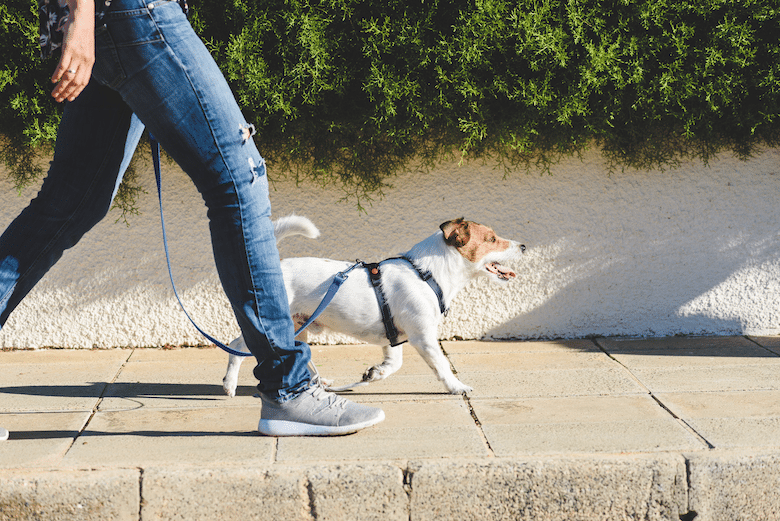
What will happen if I over-exercise my puppy?
Just like a human child, your puppy’s bones and joints need time to mature. If you over-exercise your puppy while they are growing, they might damage their growth plates and joints, which can lead to conditions such as early onset arthritis and hip dysplasia.
How much exercise does my puppy need?
Exercising your puppy is crucial, but it’s also important not to over-exercise them while they are growing. This is because their joints need time to mature, and their growth plates need to fuse before they are ready for high intensity exercise/high impact activities. Too much exercise while your pup is young could result in permanent damage to their joints and bones, which has the potential to cause conditions such as arthritis and hip dysplasia. On the other hand, restricting their exercise too much can lead to be boredom and frustration, so it’s important to do what feels right for your pup based on their age, size and breed:
- Age: The older your puppy gets, the more exercise they can do. Just remember to always keep an eye on them and encourage them to rest if they show signs of getting tired.
- Size: It’s important to know roughly how long your dog will be growing for, because until they are fully grown, their joints and growth plates will be at risk of damage if they do too much exercise. Most dogs are fully grown by one year of age, but larger breeds such as Greyhounds, Labradors, Dobermans and Great Danes can take as long as 18 months to 2 years to reach full size!
- Breed: Are they at risk of joint problems? It’s especially important to exercise your puppy sensibly if they are a breed that’s at risk of joint conditions such as hip dysplasia. If you are worried about your puppy’s joints, avoid high intensity activities, discourage them from jumping up and skidding, and speak to your vet for advice.
- Lifestyle: Feeding your puppy a healthy diet is just as important as exercise when it comes to their growing bones, because carrying additional weight on their body can put pressure on their joints. For more information on how to feed your puppy a healthy diet, take a look at our advice.
You may have heard about the 5 minute rule (5 minutes of exercise per month of age) – it’s important to know that there’s no scientific evidence behind this rule, and although it might work for some, it’s not appropriate for most puppies.