
Have you ever wondered if your furry friend gets bored chomping down the same kibble day after day? I mean, I’d definitely get tired of eating the exact same cereal every morning! This question has crossed the minds of many pet parents, and today we’re gonna dive deep into whether dogs actually get tired of their daily food routine.
The Canine Palate: Different from Ours
First things first – dogs experience food differently than we do. Our canine companions have approximately 1,700 taste buds, which is significantly fewer than our human count of about 9,000. This means they’re naturally less picky about subtle flavor differences.
But that doesn’t mean they can’t get bored!
Many dog owners have experienced that moment when their previously food-enthusiastic pup suddenly turns their nose up at dinner time. This behavior shift can leave us scratching our heads, wondering what changed.
Signs Your Dog Might Be Bored with Their Food
How can you tell if your dog is genuinely tired of their food? Look for these common indicators:
- Refusing to eat their previously loved food
- Walking away from a full food bowl
- Showing less excitement at meal times
- Picking at their food rather than eagerly consuming it
- Looking at you with those sad puppy eyes when you serve their meal
The Science Behind Food Boredom in Dogs
According to veterinary experts while dogs generally thrive on routine some canines do exhibit signs of food fatigue. This is especially true for dogs with more sophisticated palates or those who’ve been exposed to a variety of foods throughout their lives.
Interestingly, the pet food industry has noted this trend, leading to an increasing demand for variety in dog food options. Pet owners are becoming more aware of the potential benefits of rotating different flavors and textures in their dog’s diet.
Benefits of Providing Variety in Your Dog’s Diet
Adding variety to your dog’s meals isn’t just about preventing boredom—it can actually offer several health benefits:
- Prevents nutrient deficiencies by ensuring they receive a well-rounded nutritional profile
- Reduces risk of food allergies by exposing them to different protein sources
- Promotes a healthy digestive system through varied fiber sources
- Stimulates mental well-being by making mealtimes more engaging
- May prevent picky eating habits from developing
As one veterinary nutritionist stated: “Dogs, like humans, can certainly get tired of eating the same food day in and day out. Providing variety in their diet is not only beneficial for their physical health but can also stimulate their mental well-being.”
How to Safely Add Variety to Your Dog’s Diet
If you’re convinced your pup needs more variety in their diet, here are some safe ways to mix things up:
1. Gradual Transitions
The most important thing to remember when changing your dog’s food is to do it gradually! Sudden diet changes can cause digestive upset, including diarrhea and vomiting. A typical transition schedule might look like:
| Day | Old Food | New Food |
|---|---|---|
| 1-3 | 75% | 25% |
| 4-6 | 50% | 50% |
| 7-9 | 25% | 75% |
| 10+ | 0% | 100% |
2. Rotate Protein Sources
One simple way to add variety is to switch between different protein sources. For example, if your dog typically eats chicken-based food, try switching to a lamb, fish, or beef option every few weeks.
3. Add Fresh Ingredients
You can spice up your dog’s regular kibble by adding small amounts of fresh, dog-safe foods:
- Cooked lean meats
- Plain yogurt
- Fresh vegetables like carrots or green beans
- Small amounts of fruits like blueberries or apple slices
- A drizzle of salmon oil
4. Consider Fresh Dog Food Services
There’s been a rise in fresh dog food delivery services that provide human-grade, customized meal plans for dogs. These services, like Ollie, work with veterinary nutritionists to create balanced, nutritious recipes using various ingredients like chicken, beef, lamb, butternut squash, cranberries, and sweet potatoes.
As one pet owner shared: “My Lagotto Romagnolo does a Snoopy dance of joy every time I feed her, no matter what’s in her dish. But my Curly-Coated Retriever suddenly got bored with his food despite loving it before. Fresh food options helped renew his interest in mealtime.”
When Food Refusal Is Something More Serious
It’s important to note that sometimes what appears to be food boredom might actually be a sign of something more serious. Before assuming your dog is simply tired of their food, consider these other potential causes:
- Expired or spoiled food (always check expiration dates!)
- Dental problems making it painful to eat
- Nausea or digestive issues
- Stress or anxiety
- Underlying health conditions like diabetes
- Pain from another source
- Age-related appetite changes in senior dogs
If your dog suddenly refuses to eat or shows other concerning symptoms like lethargy, vomiting, or weight loss, it’s important to consult with your veterinarian rather than simply changing their food.
The Middle Ground: Routine with Variety
Dogs generally thrive on routine, so completely changing their diet frequently isn’t recommended. Instead, aim for a middle ground:
- Keep a consistent base food that meets their nutritional needs
- Add variety through toppers, mix-ins, or treats
- Rotate between 2-3 different formulas of high-quality dog food
- Introduce new foods gradually to prevent digestive upset
- Use food puzzles or feeding toys to make mealtimes more mentally stimulating
As an animal behaviorist noted: “Behavioral changes in dogs, such as refusing to eat or showing disinterest in their food, can be a sign that they are bored with their diet. Mixing things up and offering different flavors can help keep them engaged and excited about mealtime.”
The Importance of Professional Guidance
Before making any significant changes to your dog’s diet, consult with your veterinarian or a veterinary nutritionist. They can provide personalized recommendations based on your dog’s:
- Age
- Breed
- Activity level
- Health conditions
- Nutritional needs
- Weight management goals
A holistic veterinarian suggests: “Providing a varied diet for your dog can help prevent food sensitivities and allergies, as well as promote a healthy digestive system. It’s important to listen to your dog’s cues and adjust their diet accordingly.”
Common Questions About Changing Dog Food
Will my dog become a picky eater if I give them too much variety?
Not necessarily! In fact, introducing variety in a controlled manner can actually prevent picky eating habits from developing. The key is to establish a routine that includes variety, rather than catering to demands for “something better” when they refuse to eat.
How often should I change my dog’s food?
For most dogs, rotating between different flavors or formulas every few weeks is sufficient to prevent boredom while maintaining digestive health. Consult with your vet for personalized recommendations.
Can I mix different types of dog food together?
Yes, you can mix different types of dog food as long as they’re both nutritionally complete and balanced. This can be a good way to provide variety without completely switching foods.
Is homemade dog food a good option for variety?
Homemade dog food can provide excellent variety, but it must be nutritionally balanced. Work with a veterinary nutritionist to develop recipes that meet all your dog’s nutritional requirements. Without proper guidance, homemade diets can lead to nutritional deficiencies.
Final Thoughts
So, do dogs get tired of eating the same food every day? The answer is: it depends on the dog! While some dogs happily eat the same food for years, others definitely show signs of food fatigue and benefit from variety.
The good news is that you can easily add some excitement to your dog’s meals while still maintaining a nutritionally balanced diet. By paying attention to your dog’s behavior and preferences, consulting with professionals, and making gradual changes, you can keep mealtime enjoyable for your furry friend.
Remember, the goal isn’t just to prevent boredom—it’s to ensure your dog receives optimal nutrition in a way that keeps them happy and healthy for years to come. After all, our furry friends deserve the best we can give them!
Have you noticed your dog getting bored with their food? What strategies have you tried to keep mealtime exciting? Share your experiences in the comments below!
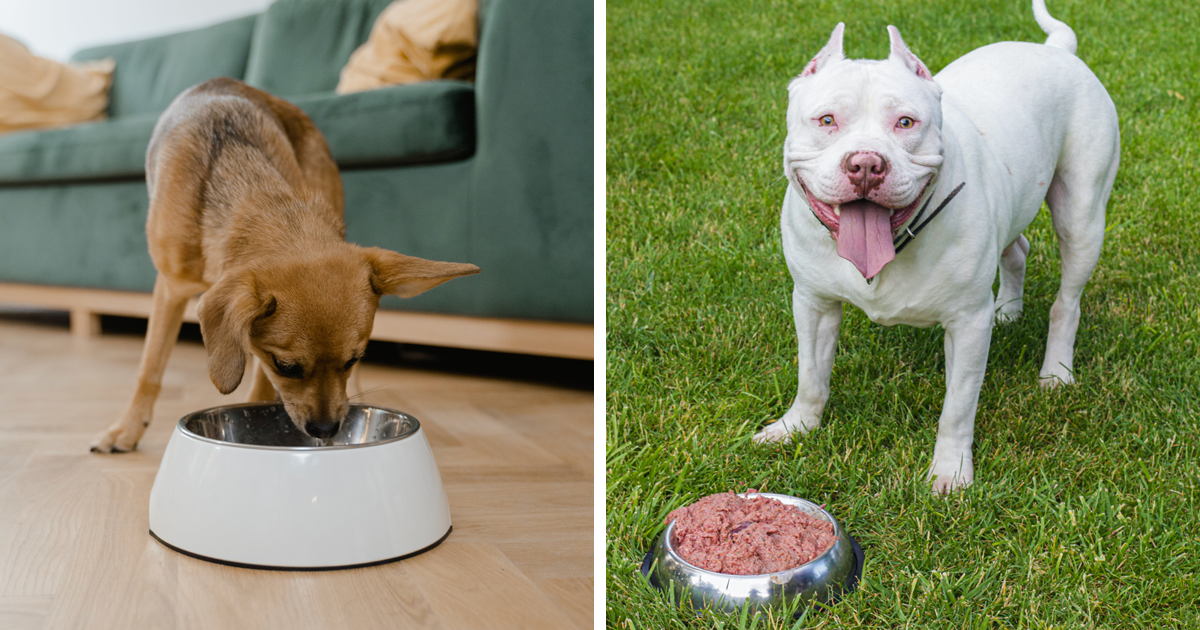
Can Puppies Get Bored of Food?
Yes, puppies can get bored of their food too! Given that they are trying to test their boundaries and explore their world, you might notice your puppy trying to put anything they can find in their mouth. They are constantly looking for new experiences, including at dinner time.
Can Dogs Tell the Difference Between Different Types of Food?
Given that dogs don’t have a very complex sense of taste, they can only distinguish between the four main flavor groups. However, they can absolutely smell the difference between different types of food which is why they seem to be most attracted to food with a strong meaty smell.
Generally, dogs carefully smell and observe something before eating it. But once dogs decide to eat something, they tend to eat it all in one bite. On the other hand, humans tend to eat food and process the taste of it once we’re already eating.
Dogs also tend to prefer moist food, which is why many dog owners add water or a little bit of low-sodium broth to their dog’s food. They also tend to be more attracted to warm food.
If your pup seems bored, you can try adding a little liquid to their food and heating it. The only thing to remember is not to make the food so hot that your dog burns their mouth.