
Do dogs have the same number of teeth as we do? And do they lose their puppy teeth just like we lose our baby teeth? Here’s a breakdown of how many teeth dogs have as puppies and adults, and whether it’s normal for dogs to lose their teeth.
Ever looked inside your furry friend’s mouth and wondered what’s going on in there? I’ve definitely been curious about my dog’s chompers, especially when he’s happily gnawing on his favorite toy. The question “do dogs have molars?” might seem simple, but there’s actually a whole fascinating world of canine dental anatomy to explore!
The Short Answer: Yes, Dogs Definitely Have Molars!
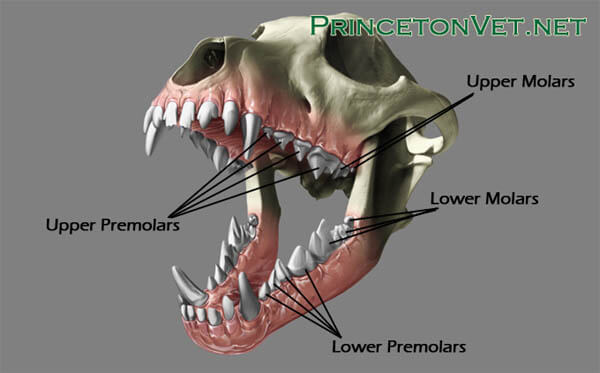
Adult dogs have a total of 10 molars in their mouth:
- 4 on the top (maxillary)
- 6 on the bottom (mandibular)
These flat, heavy-duty teeth sit at the very back of your dog’s mouth and serve a crucial purpose in their eating habits. But that’s just scratching the surface of your dog’s dental situation!
A Complete Breakdown of Adult Dog Teeth
An adult dog has a grand total of 42 teeth in their mouth. which is actually 10 more than we humans have! Here’s how those teeth are distributed
| Tooth Type | Total | Location | Function |
|---|---|---|---|
| Incisors | 12 | 6 top (maxillary), 6 bottom | Scraping meat, grooming |
| Canines | 4 | 2 top, 2 bottom | Puncturing, gripping, tug-of-war |
| Premolars | 16 | 8 top, 8 bottom | Shearing, chewing |
| Molars | 10 | 4 top, 6 bottom | Grinding, crushing tough food |
What’s interesting is that puppies don’t start out with all these teeth. Just like human babies, they go through a teething process!
Puppy Teeth vs. Adult Teeth
Puppies begin life without any teeth at all. Their dental journey looks something like this
- At 2-3 weeks: Baby teeth (deciduous teeth) begin to emerge
- By 8-10 weeks: All 28 baby teeth have usually come in
- Around 4 months: Incisors start falling out first
- 5-6 months: Canine teeth fall out
- 5-8 months: Premolars and molars come in
- By 7-8 months: All 42 adult permanent teeth are typically in place
Interestingly, puppies don’t have any molars in their baby teeth set! They only have:
- 12 incisors
- 4 canines
- 12 premolars
This means molars only appear when your dog reaches adulthood. Makes sense when you think about it – those grinding teeth are needed for tougher adult food!
What Do Dogs Use Their Molars For?
Each type of tooth in your dog’s mouth serves a specific purpose, reflecting their evolution from wolf ancestors. The molars, those big teeth at the back, have a particularly important job:
- Grinding and crushing: Molars help break down tough food like kibble or crunchy treats
- Processing plant material: Even though dogs are primarily carnivores, their molars help them process some plant matter
- Powerful chewing force: The positioning of molars gives dogs tremendous crushing power
When you see your pup chewing something with the very back of their mouth, they’re putting those molars to work!
Why Dog Dental Health Matters
Now that we understand that dogs do have molars (and lots of other teeth!), it’s worth talking about dental health. Poor dental care can lead to serious issues for our furry friends:
- Periodontal disease: Nearly 90% of dogs have some form of periodontal disease by age 3!
- Pain and discomfort: Dental issues can cause your dog significant pain
- Tooth loss: Untreated dental problems often lead to losing teeth
- Systemic health problems: Bacteria from dental disease can enter the bloodstream and affect internal organs
Taking care of all those teeth – including those important molars – is crucial for your dog’s overall wellbeing!
How to Keep Your Dog’s Teeth Healthy
Looking after your dog’s dental health doesn’t have to be complicated. Here are some effective strategies:
1. Regular Brushing
Yes, dogs need tooth brushing too! Aim for daily brushing using a dog-specific toothpaste (NEVER use human toothpaste as it can contain xylitol, which is toxic to dogs).
2. Dental Chews and Toys
Products like Purina Dentalife can help reduce plaque buildup. The chewing action helps clean teeth naturally.
3. Hard Chew Toys
For dogs that don’t tolerate brushing well, hard chew toys can be a good alternative to promote dental hygiene.
4. Regular Vet Check-ups
Your vet should examine your dog’s teeth during routine visits and can recommend professional cleanings when necessary.
5. Dental-Friendly Diet
Some dog foods are specifically designed to promote dental health.
Signs of Dental Problems to Watch For
Keep an eye out for these warning signs that might indicate your dog is having issues with their teeth (including those molars!):
- Bad breath (beyond normal “dog breath”)
- Excessive drooling
- Difficulty eating or dropping food
- Pawing at the mouth
- Visible tartar buildup (yellow or brown deposits)
- Red, swollen, or bleeding gums
- Missing or loose teeth
If you notice any of these symptoms, it’s time for a vet visit!
Fascinating Facts About Dog Teeth
Just for fun, here are some interesting tidbits about your dog’s dental situation:
- Dogs don’t get cavities as often as humans do, partly because their teeth are shaped differently and their saliva has a different pH level
- A dog’s adult teeth are usually fully in place by 7-8 months of age
- Sometimes puppy teeth don’t fall out properly and need to be extracted by a vet
- The shape and number of a dog’s teeth reflect their evolution as predators
- Dogs use their incisors for grooming and picking things up precisely
Final Thoughts
So there ya have it! Dogs definitely have molars – 10 of them to be exact. These important teeth work together with the rest of their dental arsenal to help them eat, play, and sometimes destroy your favorite shoes (we’ve all been there!).
Taking good care of your dog’s teeth isn’t just about preventing doggy breath – it’s an essential part of their overall health. Regular brushing, dental chews, and vet check-ups will help keep those chompers (including those hardworking molars) in tip-top shape!
Next time your pooch gives you a big toothy grin, you’ll know exactly what’s going on in that mouth of theirs. And maybe, just maybe, you’ll appreciate the complex dental machinery that makes your dog’s life possible!
Have you checked your dog’s teeth lately? Might be time for a dental health check-in with your furry friend!
Remember, I’m not a veterinarian, just a fellow dog lover sharing information. Always consult with your vet for specific advice about your dog’s dental health.
Are dogs born with teeth?
No. Puppies are not born with visible teeth. Instead, their baby (deciduous) teeth will erupt between 3–4 weeks of age.
Types of Dog Teeth

Each type of dog tooth—incisor, canine, premolar and molar—serves its own function. Here’s a breakdown of what each type of dog tooth does and where these teeth are located:
The teeth in the front of a dog’s mouth are called incisors. The top and bottom jaw have six incisors. Dogs use their incisors mostly to grab objects, like food, but they are also used for scraping or nibbling food and grooming as well.
The canine teeth are the longest teeth in the front of the mouth. Dogs have four canines teeth, and the canines are well-developed and slightly curved to better tear or puncture objects and food.
Just behind the canines are the premolars. Adult dogs have 16 premolars—eight on the top jaw and eight on the bottom jaw. These chewing teeth are used for shearing through and grinding up food.
Molars are the teeth in the back of a dog’s mouth. They can look a lot like premolars. There are four molars on the top jaw and six on the lower jaw. Molars are used for grinding or chewing food into small pieces to make it easy to swallow and digest.
Retained Deciduous Teeth. Dr. Dan explains puppy baby teeth.
FAQ
How many molars does a dog have?
Molars – These flat, heavy-duty teeth are found in the back of the mouth and are used for grinding and chewing. You’ll find four molars on the top of your dog’s mouth and six on the bottom. Since your dog has a mouthful of teeth, it’s extremely important that you pay attention to his dental health, just as you would your own.
What are molars used for in dogs?
These chewing teeth are used for shearing through and grinding up food. Molars are the teeth in the back of a dog’s mouth. They can look a lot like premolars. There are four molars on the top jaw and six on the lower jaw. Molars are used for grinding or chewing food into small pieces to make it easy to swallow and digest.
How many teeth does a dog have?
Premolars – Located behind the canine teeth, these 16 teeth (eight on top and eight on the bottom) are used for shearing. If you catch your dog chewing on something with the side of his mouth, he’s using his premolars. Molars – These flat, heavy-duty teeth are found in the back of the mouth and are used for grinding and chewing.
Why do dogs have 10 molars?
The 10 molars at the very back of the mouth are for breaking hard bones and grinding down the toughest foods. What are Canine Dental Charts? When you take your dog to the vet for a dental check-up, they will use Canine Dental Charts to assess your dog’s oral health (Dental Grading).
Why do dogs eat molars?
They are usually used to chew and shred any food a dog may be eating. You may notice your dog chewing a meaty bone with the side of their mouth; this is so their premolars shred the meat away from the bone. Molars are used to break down any hard foods that your dog has to chew. This includes dry dog kibble and dog treats.
Where are molars located in a dog’s mouth?
The molars are flat and hidden deep in your dog’s mouth. They are located behind the premolars. Molars are used for the grinding and breaking down of large particles such as kibble, bones and hopefully not pieces of your shoe.
Are dog molars supposed to fall out?
However, aside from the transition from puppy teeth to adult teeth, it is not normal for a dog to lose teeth. If you notice your dog is losing their adult teeth, call your veterinarian. Adult dogs losing teeth is a sign that something is wrong.
Do dogs have molars like humans?
Molars. At the very back of a dog’s mouth, above and below, are flat molars. He uses these to crunch on hard things, such as treats or kibble.Nov 15, 2022
At what age do dogs get molars?
The permanent premolars come in between 4-6 months of age. Molars: Dogs do not have baby molars, but there are two permanent molars on each side of the top jaw (maxilla) and three permanent molars on each side of the bottom jaw (mandible). All molars will erupt by 4-7 months of age.
What are the molars on a dog’s back teeth?
Found all the way in the back of your dog’s mouth, molars break apart hard foods and chews such as kibble, rawhide, and dog biscuits. Only a small part of each molar is visible, giving these teeth a flat appearance.