
Have you ever wondered if your furry friend actually enjoys that tinkling sound following them around everywhere? I’ve been curious about this myself, especially after noticing my neighbor’s dog always trying to shake off his belled collar. The question “do dogs like collars with bells” isn’t as straightforward as it might seem, and the answer can make a real difference in your pup’s quality of life.
The Purpose Behind the Jingle
Before diving into whether dogs enjoy bells on their collars it’s important to understand why pet parents choose to add them in the first place.
Tracking Your Dog’s Whereabouts
One of the main reasons people attach bells to their dog’s collar is for enhanced awareness of their pet’s location This is particularly useful if
- You have a small dog that might get underfoot
- Your dog tends to wander quietly around the house
- You’re in an environment with limited visibility like wooded areas
- Your pup loves to hide or sneak around
The constant auditory cue provides peace of mind and prevents those panicked “where did Fido go?” moments we’ve all experienced.
Wildlife Protection
Another significant purpose is to reduce unwanted wildlife encounters. When your dog silently stalks through natural areas, they can easily startle animals like deer, rabbits, or even more dangerous wildlife like bears. The jingling bell serves as an early warning system, giving wildlife a chance to move away before your dog gets too close.
This protection works both ways – it keeps local critters safe from your dog while also preventing potentially dangerous confrontations that could harm your pet.
Assistance for People with Visual Impairments
For individuals with limited vision, a bell on their dog’s collar provides crucial navigational assistance. The sound helps track the dog’s movements and anticipate changes in direction, making walks safer and more enjoyable.
The Downside of the Ding-a-Ling
While there are clear benefits to humans, we need to consider how our canine companions actually feel about wearing bells. Let’s be honest – if you had to wear a jingly bell around your neck all day, you might get pretty annoyed!
Constant Noise and Its Impact
The most significant concern is the persistent exposure to noise. Dogs have much more sensitive hearing than humans, so what seems like a gentle tinkle to us could be quite disturbing to them. This constant auditory stimulation can potentially lead to:
- Increased stress levels: The incessant ringing might elevate cortisol levels
- Behavioral changes: Some dogs become irritable, anxious, or even aggressive
- Hearing sensitivity issues: Over time, constant noise exposure might contribute to hearing problems
Many dogs will eventually adapt to the sound, but others may find it perpetually annoying or stressful. It’s comparable to having someone constantly tap you on the shoulder – at first it’s just annoying, but after hours or days, it becomes maddening!
Working and Hunting Dog Interference
For dogs bred for hunting or other tasks requiring stealth, a bell is completely counterproductive. These dogs are specifically trained to approach prey silently, and a bell would immediately sabotage their natural abilities and training.
Similarly, working dogs who need to concentrate might find the constant ringing distracting, potentially interfering with their focus and performance.
Physical Hazards
Though less common, there’s also a risk of the bell becoming snagged on something like branches, fences, or furniture. This could potentially trap or injure your dog, especially if they’re unsupervised.
What Dogs Actually Think About Bells
So, how do our four-legged friends really feel about wearing bells? While they can’t tell us directly, we can observe their behavior for clues.
Signs Your Dog Dislikes Their Bell
Watch for these indicators that your dog isn’t happy with their jingling accessory:
- Excessive pawing at their collar
- Trying to rub their collar against furniture or the ground
- Showing signs of stress like excessive panting, drooling, or yawning
- Appearing startled by the sound when moving suddenly
- Becoming more withdrawn or less playful
- Changes in behavior such as increased irritability
- Reluctance to move around as much as they normally would
Temperament Matters
Your dog’s individual personality plays a huge role in how they’ll react to a belled collar. Some factors to consider:
- Sensitivity level: Highly sensitive dogs are more likely to be bothered by the constant noise
- Anxiety tendencies: Dogs already prone to anxiety might find the unpredictable sounds triggering
- Age: Older dogs or those with hearing issues might be less bothered
- Previous experiences: A dog with positive associations might accept it more readily
Better Alternatives to Consider
If you’re concerned about the impact of bells on your dog but still need a way to track them, there are several excellent alternatives.
GPS Trackers: High-Tech Peace of Mind
One of the most effective options is a GPS tracker attached to your dog’s collar. These devices provide:
- Accurate location tracking regardless of terrain or visibility
- Geofencing capabilities that alert you if your dog leaves a designated area
- Activity monitoring to track your dog’s movement patterns and health
Unlike bells, GPS trackers are silent and won’t disturb your dog or wildlife. The downside is they’re more expensive and may require subscription fees.
Reflective Gear: Enhanced Visibility
If visibility is your primary concern, reflective gear is an excellent choice. Options include:
- Reflective collars
- Visibility vests or harnesses
- Light-up LED collar attachments
These items make your dog more visible in low-light conditions without creating any noise that might bother them.
Training: The Foundation of Control
The most effective approach is consistent training and reliable recall. A well-trained dog who responds to commands and stays within designated areas reduces the need for external tracking devices altogether.
Focus on:
- Positive reinforcement techniques
- Consistent commands your dog understands clearly
- Regular practice in various environments
Choosing the Right Bell (If You Decide to Use One)
If after considering all factors, you still believe a bell is the right choice for your situation, selecting the appropriate bell is crucial for your dog’s comfort.
Material and Size Considerations
Choose a bell that is:
- Made from high-quality, non-toxic materials like stainless steel or brass
- Properly sized for your dog (smaller bells for small dogs, etc.)
- Lightweight so it doesn’t weigh down the collar
- Designed with a pleasant, gentle tone rather than a harsh jangle
Secure Attachment is Essential
Ensure the bell is securely fastened to prevent it from:
- Falling off and becoming a choking hazard
- Getting caught on objects
- Causing irritation to your dog’s neck
Check the attachment regularly for signs of wear or damage.
Introducing the Bell Gradually
When introducing a bell to your dog’s collar:
- Let them sniff and investigate the bell separately first
- Attach it to the collar and let them wear it for short periods
- Gradually increase duration as they become accustomed to it
- Provide treats and positive reinforcement during the process
If your dog shows signs of distress, remove the bell immediately and consider alternatives.
Making the Right Decision for YOUR Dog
There’s no one-size-fits-all answer to whether dogs like bells on their collars. The most important thing is to observe YOUR dog’s specific reaction and prioritize their comfort and well-being.
Ask yourself these questions:
- Is my dog easily stressed or anxious?
- Do I live in an area with high wildlife presence?
- Is my dog a working or hunting dog?
- Do I have specific reasons for needing to track my dog’s location?
- Have I tried alternatives like training or GPS trackers?
When in doubt, consult with your veterinarian or a professional dog trainer who can provide personalized advice based on your dog’s temperament and needs.
The Final Jingle
From my experience and research, most dogs tolerate bells on their collars, but they don’t particularly enjoy them. Some dogs seem entirely indifferent, while others show clear signs of irritation or stress. The key is paying attention to your individual dog’s reactions.
Remember, we choose to have bells on our dogs for our convenience, not theirs. If your dog seems bothered by the constant jingling, it’s worth exploring the many alternatives available that can achieve the same goals without potentially causing discomfort.
At the end of the day, our furry friends can’t tell us directly how they feel, so it’s up to us to be their advocates and make choices that prioritize their happiness and well-being. That sometimes means sacrificing a bit of our convenience for their comfort – which is what being a responsible pet parent is all about!
Have you tried putting a bell on your dog’s collar? How did they react? I’d love to hear your experiences in the comments!
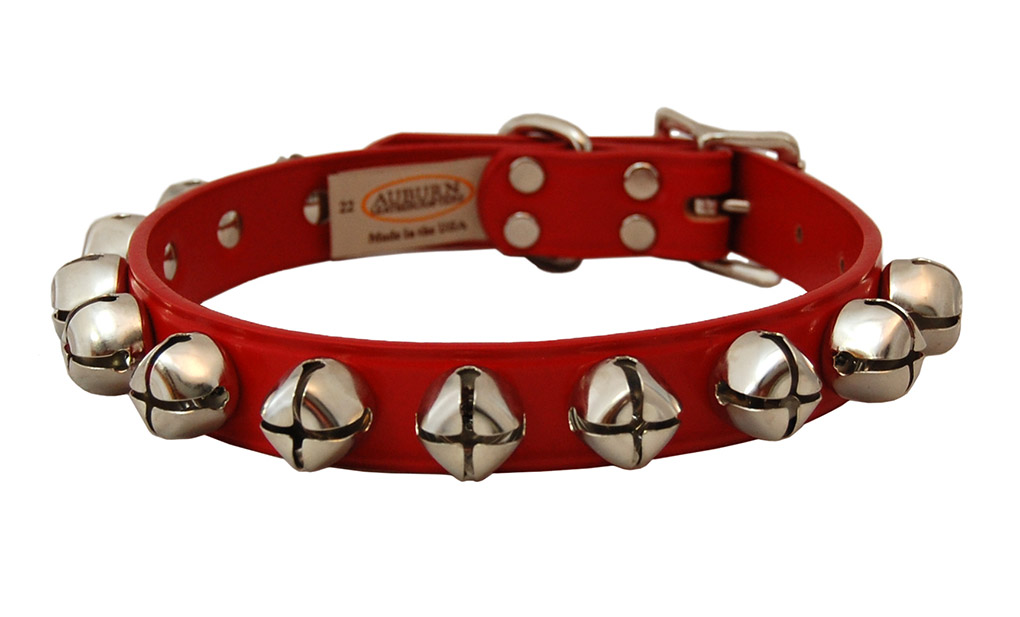
Collars with bells are a popular choice for many dog owners, offering a cute and practical way to track your dog’s movements. But are they really safe for your furry friend? While the jingling sound can help you locate your dog, there are concerns about potential ear damage, discomfort, and even choking risks, especially for smaller dogs. In this article, we’ll explore both the benefits and drawbacks of using a collar with a bell, helping you decide if it’s the right choice for your pet’s safety and comfort. Let’s dig in!

Pros of Collars With Bells
1. Safety First
One of the biggest benefits of a bell on your dog’s collar is safety. If your dog likes to wander off, the bell can act as a sort of auditory leash, letting you know where they are. This can be especially useful if you have a dog that tends to sneak out of sight, like a Beagle or a Treeing Walker Coonhound, which are known for their incredible prey drive.
Imagine this: you’re walking through the woods, and your dog decides to chase a squirrel or a rabbit. With a bell on their collar, you’ll immediately hear it jingling in the distance, so you can track them down before they disappear into the wild blue yonder. If your dog is hard to recall, especially when they’re in “hunt mode,” a bell is a lifesaver.
2. Training Aid
Some dog trainers suggest using the bell as part of your training regimen. If your dog learns to associate the sound of the bell with their owner, it can be used as a tool to encourage them to come back when called. This is particularly useful for dogs with recall issues. Over time, they may start to understand that when they hear the bell ring, it’s time to return to you.
3. Protection from Predators
In certain situations, having a bell on your dog’s collar might even protect them from harm. There have been reports from pet owners in rural areas where snakes and other predators would flee upon hearing the sound of a dog’s bell. In areas where wildlife poses a threat to your dog, a collar with a bell might just give them an added layer of protection.
4. Keeps Prey Safe
If you have other pets in the house, like rabbits or birds, the bell can also serve as a warning system. Dogs are natural hunters, and even if they don’t mean harm, their instinct to chase and capture can put smaller animals at risk. The bell serves as an early alert for those animals to get out of the way.
STOP Using These Dog Collars With Your Puppy!
FAQ
Do dog collars have bells?
A dog collar with bells can help you and your dog stay better connected while out on walks, as the sound of the bells will help you keep track of your dog’s location. A dog collar with bells can also be helpful in training your dog, as the sound of the bells can act as a cue or trigger for desired behaviors.
Why should you put a bell on a dog’s collar?
A bell on a dog’s collar can help alert people when the dog is near. This can be helpful when the dog is in an area where it is not allowed, such as a store, or when the dog is in danger of running into traffic. Bells can also help people keep track of their dogs in a park or other large open area.
Do dog collar bells work for deaf dogs?
Pet owners with deaf dogs will also find a dog collar bell very useful. Dog collar bells could also work as a warning to others about your dog. When you go hiking, your dog could injure small wildlife like birds. The bell serves as a warning that will allow the animal to escape.
Are bells good for dogs?
These bells come in a round shape that is perfect for petite pets. They are easily attachable to any collar. The bells are loud enough to hear, but not too loud to hurt pet ears. The loop that attaches the bell to the collar can bend easily and cause the bell to fall off. Some users have reported losing the bells.
Are silver collar bells good for small dogs?
If you need a collar bell that isn’t too heavy and won’t weigh down your smaller dog, MeoyoTex Silver Collar Bells for Small Dogs is just what you’ve been looking for. The MeoyoTex Silver Collar bells are specifically made with small dogs in mind. This bell is also made of the hardest metal to withstand your small dog’s play.
What are the best dog collar bells?
The KITTAIL Copper Bells are our pick for the #1 Best Overall dog collar bells. This beautiful and easy-to-clip set of two bells is sturdy and works great for both small and large breeds. It is made of pure copper and will not rust, either. You’ll love that these bells’ design allows for full-swivel flexibility.
Should dogs have bells on their collars?
Do dogs prefer collars on or off?
A dog’s attitude to wearing a dog collar depends on their previous experience. Some dogs won’t mind wearing them at all and others will prefer to wear them only when necessary.
How to tell if your dog likes their collar?
If a collar is too tight, too heavy, or causes any discomfort, your dog will not like wearing it. On the other hand, if the collar is comfortable and doesn’t cause any irritation or discomfort, most dogs won’t mind wearing it. In fact, many dogs associate their collar with positive experiences such as going for walks.
Do dogs like the sound of bells?
The sound of a bell: The sound of a bell ringing can be a comforting sound for your dog. It can make them feel like they are being called to come back home.Aug 14, 2023