
Amped-up pups with boundless energy, bouncing off the walls and zooming like crazy, can have pet parents scratching their heads and asking, “When do dogs calm down?” We say enjoy your furbabys high energy while you can. Before you know it, theyve grown into a more mellow and settled adult dog.
This transition from a hyper puppy to a mature dog can depend on several factors, including breed, environment, and lifestyle. When you understand your pups unique case, you can better manage their excess energy and avoid frustration.
In the next sections, well discuss what to expect as your furry friend grows. Read on to better understand when your canine companion might start to chill out.
Ever wonder why your once bouncy can’t-sit-still puppy now prefers long naps on the couch? Or why that furball who used to zoom around the house at lightning speed now takes his sweet time walking to his food bowl? Yep dogs do mellow with age – but there’s more to the story than just slowing down!
As a pet parent myself, I’ve watched my energetic border collie transform from a tornado of activity to a more thoughtful, calm companion. This change isn’t just random – it’s backed by science and something virtually all dog owners experience.
Let’s dig into how and why our furry friends change as they grow older, what to expect at different life stages, and when changes might signal something you should worry about.
The Science Behind Dogs Mellowing With Age
Recent research confirms what many of us have observed with our own eyes – dogs’ personalities definitely change as they age This isn’t just your imagination playing tricks on you!
The most noticeable changes usually involve:
- Decreasing interest in exploring new things
- Less desire to investigate novel objects
- Reduced urge for physical activity (goodbye, puppy zoomies!)
- More selective about adventures and playmates
But here’s the interesting part – while all dogs mellow somewhat, their individual personality “baseline” remains relatively stable. If your pup was super active and curious as a youngster, he’ll still be more active than average in his golden years. And if your dog preferred cuddles to capers even as a puppy, he’ll likely become even more of a professional lap-warmer as time passes.
When Do Dogs Start to Mellow Out?
Wondering when your hyperactive furball might finally calm down a bit? Research shows that most dogs begin showing signs of mellowing around 3 years of age. This is typically when that puppy-like curiosity and boundless energy starts to decline.
However, breed differences play a huge role here:
- Small breeds often mature faster mentally (around 1-2 years)
- Medium breeds usually hit mental maturity around 2-3 years
- Large and giant breeds can take 3-4 years to fully mature mentally
My neighbor’s Great Dane was still acting like a goofy puppy at 3 years old, while my friend’s Chihuahua seemed like a dignified little old man by 18 months!
The Aging Timeline: What to Expect As Your Dog Grows Up
Puppyhood (0-1 year)
During puppyhood, your dog is basically a furry toddler – curious about EVERYTHING, boundless energy, short attention span, and prone to getting into mischief. They’re learning about the world and testing boundaries constantly.
Ever watched a puppy discover a doorstop? It’s like they’ve found the most fascinating toy in the universe! Or when they bark at their own reflection? Pure comedy gold.
Young Adulthood (1-3 years)
This is when your dog has their peak physical abilities but is still refining their mental maturity. They might still have bursts of puppy-like behavior but are developing more impulse control.
Think of this as your dog’s “teenage” phase – they have adult bodies but not always adult decision-making skills!
Prime Adult Years (3-6 years)
Around age 3, most dogs begin that mellowing process. According to research, this is when curiosity about novel objects and situations starts declining.
However, other aspects of your dog’s personality continue developing positively during this time. The study mentioned in the article found that a dog’s attentiveness and problem-solving ability actually improves up to about 6 years of age.
Mature Adulthood (6+ years)
After age 6, most dogs have their established personality. Their problem-solving abilities and attentiveness remain stable, but they generally become increasingly selective about activities and adventures.
This is when that “wise old soul” look starts appearing in their eyes!
What DOESN’T Change With Age
Interestingly, not everything changes as dogs get older. Research shows that dogs maintain their:
- Desire to socialize (though perhaps more selectively)
- Ability to tolerate frustration
- Attentiveness (once developed)
- Problem-solving skills (these actually improve until about age 6)
So your social butterfly will likely remain social, just maybe with fewer “butterflies” to visit!
When Changes Might Signal a Problem
Super important point here! While personality gradually evolves with age, dramatic behavior changes could indicate health issues.
Watch out for these red flags that might indicate pain or illness rather than normal aging:
- Sudden aggression or growling
- Withdrawing from favorite activities
- Loss of interest in beloved toys or games
- Spending much more time alone
- Changes in sleeping or eating patterns
If you notice these kinds of changes, especially if they happen rapidly, it’s time for a vet visit. Dogs are masters at hiding pain, and behavior changes are often the first sign something’s wrong.
My own dog suddenly stopped wanting to play fetch (her absolute favorite game) last year, and it turned out she had developed arthritis in her shoulder. With proper treatment, she was back to playing – albeit more gently – within weeks.
How Breed Influences Age-Related Mellowing
We can’t talk about dogs mellowing without acknowledging the huge role breed plays in this process.
Some breeds naturally mellow faster and more dramatically:
- Labs and Goldens often calm significantly between 2-3 years
- Herding breeds like Border Collies may retain high energy levels longer
- Working breeds like German Shepherds typically maintain stronger work drives into maturity
And then there’s the legendarily slow-to-mature breeds:
- Boxers (often described as “permanent puppies”)
- Huskies (notorious for maintaining mischievous streaks)
- Jack Russell Terriers (energizer bunnies well into their senior years)
Helping Your Dog Age Gracefully
While mellowing is natural, there are things we can do to help our dogs maintain their physical and mental health as they age:
- Keep providing mental stimulation (puzzle toys, training sessions)
- Adjust exercise to be appropriate for their age and abilities
- Maintain social interactions (doggy playdates or just neighborhood walks)
- Regular vet checkups to catch potential issues early
- Consider supplements for joint health before problems arise
We’ve had great success with shorter, more frequent walks for our senior dog rather than the long hikes she enjoyed in her youth. She still gets the mental stimulation without the physical strain.
The Silver Lining of Mellowing
While we sometimes miss that puppy energy, there are definite benefits to your dog mellowing with age:
- Deeper bond and understanding between you
- More predictable behavior
- Calmer household (goodbye chewed shoes!)
- More relaxing companionship
- Fewer training challenges
I honestly love the calm presence of my now 9-year-old dog. Our connection feels more profound now that we’ve been through so many life stages together. She knows my routines, I know hers, and we’re perfectly in tune.
Real Life Examples of Dogs Mellowing With Age
My friend Sarah has a 12-year-old Border Collie mix who still acts surprisingly puppy-like – but nowhere near his energy level from his younger days. You can bet he was an absolute whirlwind as a youngster! This perfectly illustrates the research finding that dogs maintain their relative personality traits while still mellowing overall.
Meanwhile, my sister’s Basset Hound was always pretty laid back, even as a puppy. Now at 8 years old, his favorite activity is finding the sunniest spot in the house and becoming one with the floor. He’s mellowed from “chill” to “practically motionless” – but he’s perfectly healthy and happy!
When Your Dog Doesn’t Seem to Mellow
“But my dog is 5 and still acts like a hyperactive puppy!” I hear you. Some dogs, especially certain breeds, take longer to mellow. If your older dog still has tons of energy, consider:
- Is the energy appropriate or seems anxious/compulsive?
- Are they getting enough physical exercise?
- Do they have adequate mental stimulation?
- Could there be an underlying medical issue like thyroid problems?
Sometimes dogs with very high energy need more structured outlets. My neighbor’s 7-year-old Vizsla still runs 5 miles daily with her owner and competes in agility – perfectly normal for the breed!
Embracing the Changes
As our dogs age and mellow, it’s important to adapt our expectations and care routines. The bouncy puppy becomes the steady adult dog and eventually the wise senior companion. Each stage brings its own joys and challenges.
Rather than lamenting the loss of that puppy energy, try appreciating the new dimensions of your relationship. That calmer, mellower dog often makes a more attuned companion who knows your moods and routines better than anyone.
Final Thoughts
So yes, dogs definitely do mellow with age, typically beginning around 3 years old. Their curiosity and activity levels decrease, but their core personality remains stable – just a quieter version of their younger selves.
These changes are natural and expected, but remember that sudden behavior shifts could indicate health problems requiring veterinary attention.
I think the best approach is to embrace and celebrate each stage of your dog’s life journey. That crazy puppy energy is delightful, but there’s something equally special about the deep connection you develop with a mellowed adult dog who’s been by your side through the years.
Have you noticed your dog mellowing with age? What changes have been most obvious to you? Every dog’s journey is unique, but the mellowing process is something almost all dog parents will experience!
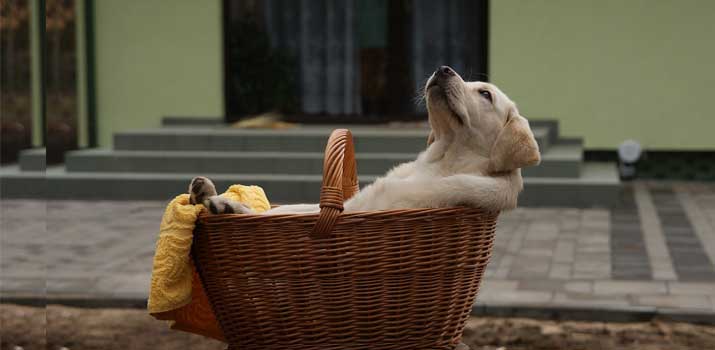
The Role of Maturity in Dog Behavior
As dogs mature, their behavior naturally changes. From being blazing furballs, they turn into more relaxed adult dogs. They leave their energetic puppy days behind and say hello to their calmer years.
During this time, dogs learn better impulse control. They also form stronger bonds with you and other dogs or pets around them. This process of settling down doesnt happen overnight, but with the right balance of training and activity, your furry buddy will eventually get there.
Training Tips To Encourage Calm Behavior
Training sessions with your pup need not be maddening. Stick to the right strategies, and youll be closer to success. With these tips, your dog will learn that calm is the way to go:
- Use Crate Training. A crate gives your pet a safe space to relax and unwind when they need some downtime.
- Reward Calm Moments. When your dog shows calm behavior, reward them with treats or praise to reinforce that being chill is a good thing.
- Short and Sweet Training Sessions. Keep training sessions short but frequent. This helps your pup stay focused without getting overwhelmed.
what age do puppies calm down
FAQ
When does a dog mellow out?
Dogs start to mellow out around the time they reach full adulthood, which can be after a year or two of life for smaller breeds and closer to the two-year mark for larger breeds. This is when they will experience some comfort that causes them to calm down.
Can I raise my puppy to be a mellow dog?
Your actions can determine if your puppy grows up to be a mellow dog. In some cases, genetics do play a role, but as long as you bring up your puppy properly and take the appropriate measures to counter any unwanted behavior, you’ll raise a mellow dog content with her life.
How do dogs change as they age?
As dogs age, their needs, behaviors, and even their appearance begin to shift. While some changes are expected, others can catch you by surprise. Here are 15 surprising ways your furry friend might change as they grow older. With age, your dog might start taking things at a more leisurely pace.
Do senior dogs need to be groomed?
Regular grooming and gentle shampoos designed for senior dogs can help maintain their coat and skin health. Supplements with omega fatty acids can also improve their coat’s condition over time. Senior dogs can show signs of cognitive dysfunction, similar to dementia in humans.
Why does my senior dog Shiver?
Senior dogs often struggle with regulating their body temperature. They may avoid cold floors in the winter or seek shade during warmer months. You might notice them shivering when it’s chilly or panting more quickly in the heat. Providing cozy blankets, a sweater, or cool spots during extreme weather will help them feel more comfortable.
Why does my senior dog sleep so much?
This slower movement isn’t just about lower energy; it often reflects joint stiffness or arthritis. Senior dogs spend more time napping, sometimes sleeping up to 16-18 hours a day. This increased rest isn’t just about age—it’s their body’s way of conserving energy and healing.
At what age do dogs mellow out?
Do dogs relax as they get older?
Yes, dogs generally become calmer with age as they mature and their energy levels decrease, though this is influenced by breed, size, individual personality, and training. Most dogs will show a notable change and a decrease in typical “puppy energy” around the age of 1 to 2 years, with larger and giant breeds taking longer to mature. However, achieving a calm demeanor relies heavily on consistent training and socialization from a young age, as simply waiting for a dog to mature won’t resolve ingrained energetic behaviors.
What is the 7 7 7 rule for dogs?
The 7-7-7 rule is a puppy socialization guideline recommending that by seven weeks of age, a puppy should have encountered seven different people, experienced seven different locations, and encountered seven different surfaces to promote confidence and prevent fear. It also suggests seven different toys, seven brief car rides, seven crate experiences, and seven gentle challenges to build a positive foundation for a well-adjusted adult dog.
What is the most difficult age for a dog?