
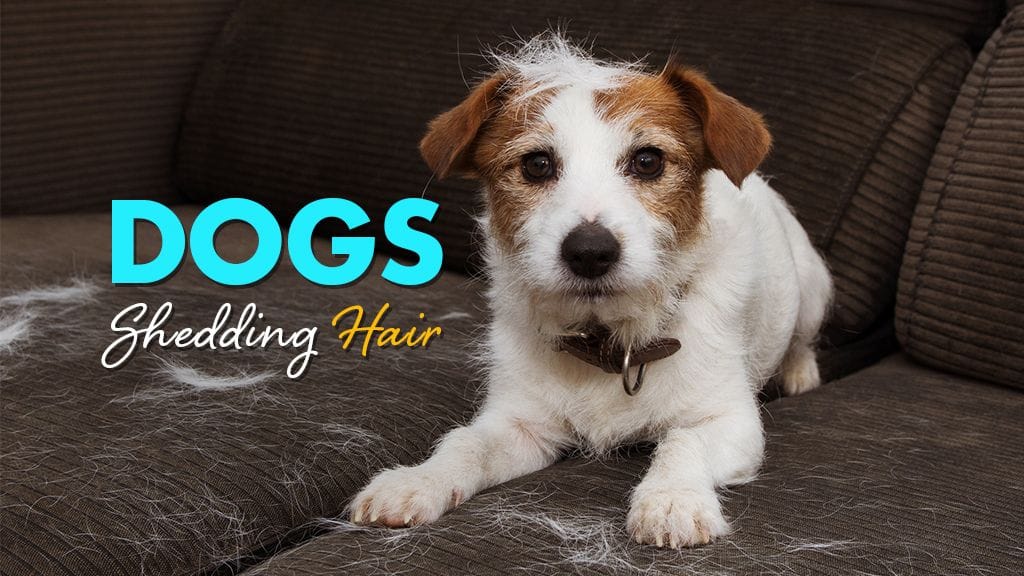
Its happened countless times to every owner of a shedding dog. You vacuum and dust your entire house, only to see dog hair accumulating on your freshly-swept floors, vacuumed furniture, and dusted surfaces five minutes later. Its a never-ending cycle that comes with dog ownership, and the reality is you have to learn how to live with it. This is especially true when you glance over at them, happily snoozing away, and you remember how much joy they bring to your life.
Depending on your dogs breed, you might be vacuuming and sweeping daily on a year-round basis or blessed with a seasonally-shedding dog that gives you a break for a few months. Golden Retriever owners, for example, are up against a daily, year-round challenge to rid their home of dog hair, while poodle owners are fortunate to only deal with light shedding in the spring and fall. Following are some tips for coping with constant shedding and keeping your sanity.
Have you ever given your pup a nice bath only to find yourself surrounded by what seems like enough fur to make another dog? Trust me, you’re not alone in this hairy situation! As a dog owner myself, I’ve often wondered why my furry friend seems to transform into a shedding machine right after bath time Let’s dive into this common doggy dilemma and figure out what’s really going on
The Science Behind Post-Bath Shedding
First things first – it’s totally normal for dogs to shed more after a bath. This isn’t just your imagination playing tricks on you! There are actually several scientific reasons why this happens:
Loosening of Dead Hair
When you bathe your dog, the warm water and the mechanical action of washing helps to loosen dead hairs that were already in the shedding phase but still attached to your dog’s coat. The bath essentially speeds up a process that was already happening naturally.
Coat Cycling Activation
Bathing can trigger what experts call “coat cycling” – the natural process where old hair is replaced by new growth. When you bathe your furry friend, their coat might be stimulated to enter a new growth cycle, causing increased shedding as the old hair makes way for fresh fur.
Stress Response
Let’s be honest – not all dogs are bath time enthusiasts! For many pups, bath time can be stressful, and stress is known to trigger increased shedding. Your dog’s body might release stress hormones like cortisol during bath time, which can stimulate more hair to fall out afterward.
Understanding Your Dog’s Coat and Skin
Your dog’s coat type plays a significant role in how much they shed after bathing:
- Double-coated breeds (like Huskies, German Shepherds, and Labs) tend to shed more dramatically after baths because they have more fur to lose!
- Single-coated breeds still shed, but usually not as noticeably
- “Hypoallergenic” breeds (like Poodles and Bichon Frises) have hair that grows continuously like human hair and may shed less after bathing
The health of your dog’s skin also impacts shedding. Bathing can sometimes disrupt the natural balance of oils on your dog’s skin, potentially leading to dryness and irritation that triggers more shedding. This is especially true if you’re using harsh shampoos or bathing too frequently.
Common Causes of Post-Bath Shedding in Dogs
Let’s break down the main culprits behind that post-bath fur explosion:
- Wrong shampoo choice: Using human shampoo or harsh dog shampoos can strip natural oils from your dog’s coat and skin
- Inadequate rinsing: Shampoo residue left on the skin can cause irritation
- Water temperature: Too hot water can dry out skin and stimulate shedding
- Improper drying: Not drying your dog properly can lead to skin issues
- Pre-existing loose fur: The bath simply helps release fur that was ready to shed anyway
- Seasonal changes: If bath time coincides with your dog’s seasonal shedding cycle, you’ll notice more fur loss
Tips to Minimize Shedding During and After Bath Time
While you can’t eliminate shedding completely (it’s a natural process, after all), there are several things you can do to reduce the post-bath fur tornado:
Before the Bath
- Brush thoroughly: Remove loose fur before it gets wet and clumps
- Use the right tools: A deshedding tool like a Furminator can help remove undercoat
- Keep calm: Try to make bath time a positive experience to reduce stress shedding
During the Bath
- Use lukewarm water: Not too hot, not too cold
- Choose the right shampoo: Pick one formulated for your dog’s specific coat type
- Rinse thoroughly: Make sure no shampoo residue remains
- Be gentle: Rough handling can cause more fur to loosen
After the Bath
- Towel dry gently: Blot in the direction of hair growth
- Avoid heat dryers: They can dry out skin and cause more shedding
- Brush again: Once your dog is mostly dry, brush to remove loosened fur
Choosing the Right Shampoo for Your Dog’s Coat Type
Selecting the appropriate shampoo is crucial for minimizing post-bath shedding Here’s a quick guide
| Coat Type | Recommended Shampoo Type | Benefits |
|---|---|---|
| Double-coated | Moisturizing deshedding shampoo | Helps loosen dead undercoat while moisturizing skin |
| Sensitive skin | Hypoallergenic, oatmeal-based | Soothes irritated skin and reduces shedding from scratching |
| Long-haired | Detangling shampoo | Prevents breakage and excessive shedding from matting |
| Short-haired | Gentle cleansing shampoo | Preserves natural oils while cleaning effectively |
| Dry skin | Omega fatty acid enriched | Nourishes skin and reduces flaking-related shedding |
Remember, whatever shampoo you choose should be specifically formulated for dogs – human shampoos have different pH levels and can irritate your dog’s skin, leading to more shedding.
When Diet and Health Affect Post-Bath Shedding
What your dog eats can significantly impact how much they shed, especially after a bath. Poor nutrition can weaken hair follicles, making them more likely to fall out during the physical stimulation of bathing.
To support a healthy coat from the inside out:
- Ensure your dog’s diet contains adequate omega-3 and omega-6 fatty acids
- Consider supplements like fish oil if recommended by your vet
- Make sure they’re getting enough protein – the building block of hair
- Check that they’re getting proper hydration
Health issues can also contribute to excessive post-bath shedding. If your dog seems to be shedding abnormally large amounts after bathing, it might be worth checking for:
- Skin allergies or infections
- Hormonal imbalances
- Parasites like fleas or mites
- Stress or anxiety disorders
- Underlying medical conditions
The Perfect Bathing Schedule to Control Shedding
How often you bathe your dog affects how much they shed. Too frequent bathing strips natural oils and can lead to more shedding, while too infrequent bathing allows dead hair to build up.
As a general rule:
- Most dogs do well with a bath every 1-3 months
- Dogs who spend lots of time outdoors might need more frequent baths
- Dogs with oily coats may need more frequent bathing
- Dogs with dry skin might need less frequent bathing
During high shedding seasons (typically spring and fall for many breeds), you might want to adjust your bathing schedule slightly:
- Consider more frequent brushing instead of more baths
- Use moisturizing conditioners when you do bathe
- Focus on gentle deshedding tools between baths
Expert Grooming Techniques for Reducing Shedding
If the post-bath shedding is driving you crazy, these professional grooming techniques might help:
-
The Line Brushing Method: Instead of brushing the whole coat at once, section it off and brush line by line for more thorough removal of loose fur.
-
Undercoat Raking: For double-coated breeds, an undercoat rake gets deep into the lower layer of fur where much of the shedding originates.
-
High-Velocity Dryers: Professional groomers use these to blast loose fur away from the skin – you can simulate this with the cool setting on a human hair dryer (held at a safe distance).
-
Slicker Brush Finishing: A final once-over with a slicker brush can catch those last loose hairs.
When to Seek Professional Help for Excessive Shedding
Sometimes post-bath shedding goes beyond what’s normal. You should consult your veterinarian if:
- Your dog has bald patches or very thin coat in areas
- The skin underneath appears red, inflamed, or crusty
- Your dog is constantly scratching or seems uncomfortable
- The shedding is sudden and dramatic without any change in routine
- You notice other symptoms like lethargy, appetite changes, or behavior differences
A professional groomer can also be helpful if:
- Your dog has a particularly thick undercoat that’s difficult to manage
- You’re struggling with the amount of fur despite your best efforts
- Your dog is extremely stressed by the bathing and brushing process
The Bottom Line on Post-Bath Shedding
At the end of the day, some shedding after a bath is completely normal and unavoidable. It’s just part of being a dog parent! The good news is that with proper techniques, the right products, and regular maintenance, you can significantly reduce the fur tsunami that follows bath time.
Remember that different breeds have different shedding patterns, and what works for one dog might not work for another. It might take some trial and error to find the perfect bathing routine for your specific furry friend.
I’ve found that treating bath time as a bonding experience rather than a chore makes the inevitable post-bath cleanup more bearable. Plus, a clean dog is worth a little extra vacuuming!
Do you have any special tricks for managing your dog’s post-bath shedding? We’d love to hear about them in the comments below!
Brush Your Dog Often—With the Right Brush
Consistent brushing with the right brush can help alleviate shedding, which loosens the dead hair and collects it instead of landing on your floors and surfaces.
To brush dogs with long or curly coats:
- Purchase a slicker or wire-pin dog brush with longer bristles to tackle both their undercoat and hard outer coat
- Brush your dogs hair coat in both directions several times until you notice less hair accumulating in the brush, cleaning it out multiple times so you can accurately assess progress
- During heavier shedding seasons, use a coat rake or shedding tool and pull in the direction of hair growth before pulling it away from the dogs coat
The American Kennel Club details the various dog brushes and rakes and when to use each.
How often should you bathe your dog? #dogs #dogbath
FAQ
Why do dogs get a burst of energy after a bath?
How often should I bathe my dog for shedding?
For most dogs, a once per month bath is sufficient. – Your dog (and your upholstery!) will thank you.
Do dogs shed more when they’re wet?
Provide plenty of fresh water and consider adding moisture to their diet if they primarily eat dry kibble. Avoid over-bathing during shedding season, as this can increase shedding and cause skin irritation.
Is it okay to let your dog air dry after a bath?